At a glance
Jump to chaptersThis three-week itinerary starts in Shanghai and finishes in Tokyo, with Beijing, Seoul, Busan and Kansai in between. Six bases fit if your family can give each move its own block of time. Compare a shorter version by removing the overnight stop you care least about and deciding where those nights would help most.
Plan the three intercity rail days and the two regional flights before committing to timed attractions. Keep the Tokyo–Kansai train day free of theme park tickets and other fixed outings.
What I’d decide for the Japan leg
Save the longest Japan stay for the place that needs the most flexibility. I’d separate the Tokyo–Kansai rail day from a theme park or another fixed booking. Check Japan’s first-time visitor information.
Choose which rail days the children will remember
Compare flights and nights before adding a city
This plan starts in Shanghai and ends in Tokyo. Use three nights each in Shanghai and Beijing, four in Seoul, three in Busan, three in Kansai and four in Tokyo. A commercial trip that starts in Japan can help you compare the opposite order, but price both long-haul ends and the days on either side of each crossing.
Keep the Beijing-to-Seoul and Busan-to-Japan flight days for bags and check-in. Arrange the intercity trains on full travel mornings and avoid reserving a timed attraction on arrival. If one child needs fewer hotel changes, drop a base where the flight and final airport arrangements still work.
The Best Order to Visit China, South Korea and Japan with Family
The Shanghai–Beijing ride, Seoul–Busan ride and Kansai–Tokyo ride do different jobs. Ask children which train experience they most want to notice, and keep that trip during a part of the day when they can pay attention. On the other journeys, a reliable arrival and a timely meal may matter more than getting as much daylight as possible.
Protect the first morning after each international flight before you add another city. In Seoul, give a palace or a museum enough time without attaching another journey. In Kansai, choose Osaka or Kyoto as one base and plan the other as an outing that you can shorten. The Tokyo stay can absorb a visit you move late in the trip without another hotel change.
If twenty nights has to become nineteen, take a look at the pair of neighboring cities that would require the most packing and unpacking. Write down what you would miss by cutting one and what the family could do with the recovered morning. A shorter list of bases preserves more of the trip than squeezing the same moves into fewer nights.
China Railway 12306 — English bookings · KORAIL — seat reservations and rail information · JR Central — baggage on applicable trains
Itinerary · Starting in Shanghai
Days 1–2 · Start with Shanghai close to the room
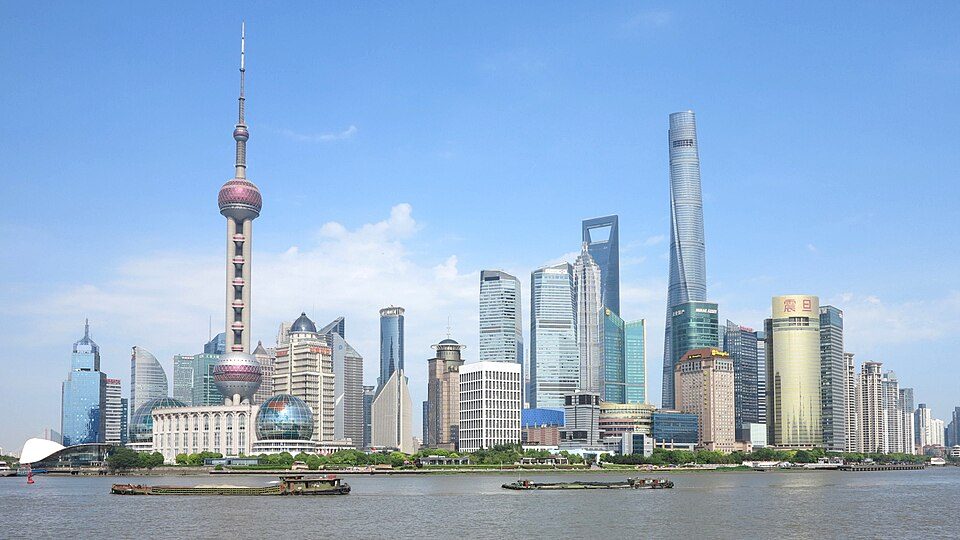
After arrival in Shanghai, get food, sleep and one reliable route from the hotel before planning a fixed visit. The next morning use a single Bund stretch to observe the river. Let the children choose whether to photograph boats, buildings or people using the public space. One open-air focus pays off later when they compare Busan's coastline and the Sumida in Tokyo.
Choose the first hotel according to the arrival airport and the departure rail station actually shown on the ticket, as well as where you hope to spend the two daytime blocks. Print or save local addresses and permit adults to navigate independently. Confirm the onward station and its entrance before checkout. Shanghai's airline and rail planning are separate decisions.
If weather makes the Bund impractical, give a verified open collection or indoor exhibit in the hotel district the first day. A short east- or west-bank view on day three can still finish the comparison.
A local option
The Bund gives the clearest first comparison of the historic waterfront and the newer Pudong skyline. Both can be discussed from one bank without needing an additional river crossing.
Day 3 · Orient the Shanghai visit around one area
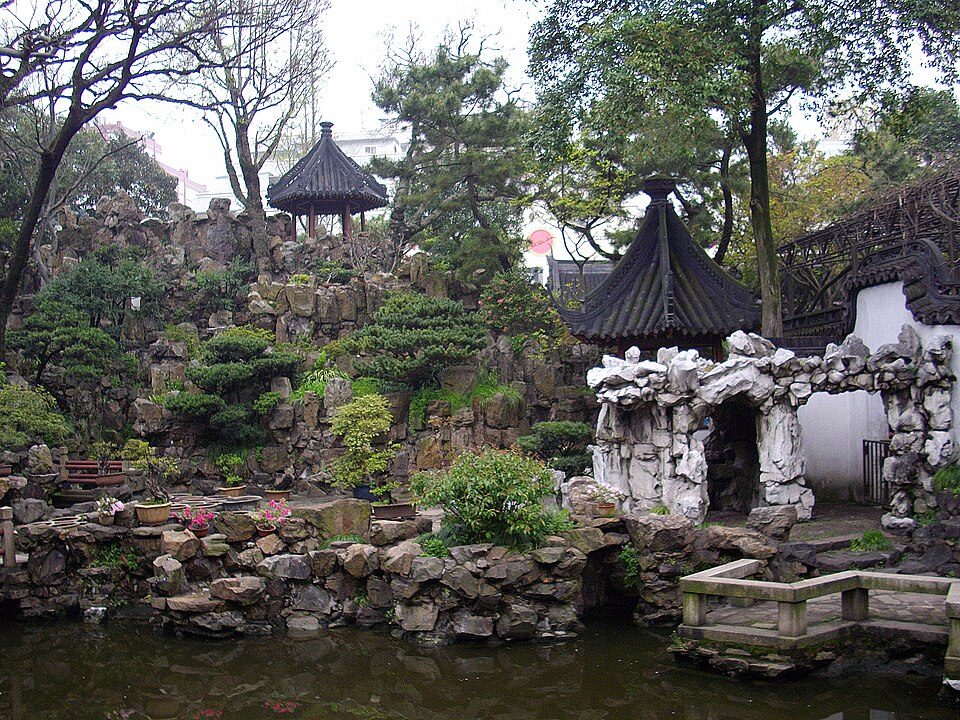
Choose a Shanghai Museum branch or the old streets and garden around Yuyuan. A museum-focused family can pick two objects to compare with collections in Beijing. A child who prefers walking may be more interested in the way garden walls and shops frame the route. Put one dependable lunch between rooms and the afternoon, and check that the youngest person has enough energy to pack.
Treat a move across the river as optional. Reduce the next day's transport anxiety by recording the exact station name, allowed bag arrangements and how the operator verifies your documents. Use a shorter outing if somebody needs time to finish the station or admission setup.
Use yesterday's weather alternative today if it now has a workable schedule. Drop the secondary area entirely if the two outings begin to use the time needed for a calm Beijing transfer.
A local option
The old-city garden district offers a different scale from the river towers. Arrive with a short focus for the visit and a fallback meal if the alleys and crowds feel busy.
Days 4–6 · Ride to Beijing and keep its main visits separate
Make day four your travel day by train in China. Select the service and the exact Shanghai and Beijing stations through the operator. Confirm how travelers with your identification documents enter and board. After arrival, choose food and a Beijing room walk. On day five, plan the Palace Museum or another confirmed main historic venue. On day six, pick the Great Wall if it is a family priority, or shorten the day with a park and one distinct building pattern.
Protect both mornings after the long ride when they fall on usable days. Map a gate-to-lunch plan for any palace visit and a door-to-door vehicle plan for a Great Wall section. Pick a point to stop that fits the child with the shortest comfortable walk. Divide the family into separate outings only if both subgroups can independently get back to the room.
If entry times or weather defeat a main site, use a checked museum or one urban park that fits the current base. Do not use the next Seoul flight day to rescue a distant Beijing excursion. Keep the last China evening for a low-effort meal and bags.
A local option
The Forbidden City’s central axis helps school-age children see how gateways and courtyards organize space. Agree on a shorter visit if the route is larger than the group can comfortably cover.
Day 7 · Transfer to Seoul without a booked evening
Use the confirmed airport pair to compare departure journey, international processing and Seoul hotel arrival time. A central Seoul room gives you a possible short walk and a simple meal. No timed outing is required. The pace should reset after two active China days and a flight.
Keep both consecutive nights and flight bookings visible in a family itinerary. Let one adult monitor baggage and the other preserve the children's rest and meal rhythm. Confirm the road or rail exit to the room with the accommodation and store the address offline. Treat hotel reception and luggage as part of the flight day.
When the crossing slips, use the first quiet hour tomorrow to reset and move the most important program later in the Seoul stay. Dinner where the family lands is a good enough result today.
Check transfer details
Check whether the walking route from the station exit you plan to use avoids underpasses and stairs. Short distances through a station or across a large avenue can change the character of a day.
Days 8–9 · Use two different Seoul mornings
Choose one palace or historic district for a short formal morning and one movement or contemporary culture day. Gyeongbokgung can carry the first day by itself. On the next, a park or a chosen indoor venue around the family's interests offers a different texture. Children who had enough architectural interpretation in Beijing can lead the second morning.
Plan a short return trip and give the palace day a quick entry-to-lunch path. A vehicle for a mixed-mobility group may help if it removes a concrete endpoint problem. Public transport and a short local walk may be more flexible on the second day when a child wants to stop early.
If a palace is closed or poor weather approaches, put an accessible open museum first and let the best outdoor day remain movable. Revisit the Beijing and Shanghai observations at dinner, without requiring a second historic collection.
A local option
Gyeongbokgung and the Gwanghwamun axis give children a clear sense of where the old capital began. Look for the relationship between the ceremonial gate, courtyard and hills beyond.
Day 10 · Give Seoul its flexible day
Use the fourth night to create space for people who need different things. Put a chosen Seoul market, the National Museum of Korea or a low-effort park on a list as the morning options. Plan to meet at a familiar place for lunch or dinner and make repacking the shared late-afternoon goal. This is also a good day to learn the route to your train station in daylight.
Agree on the household's decision before leaving the room. A child who is running low on sleep can have a short morning without losing an important family appointment. Keep the departure station, documents and first meal in Busan available to every adult. An extra visit far from the station earns its place only when bags and checkout are already easy.
If the trip has remained smooth, upgrade the flexible day to a child-selected interest near the current base. If earlier plans collapsed, focus on rescuing the one most important Seoul experience rather than traveling across several neighborhoods.
A local option
The Seoul Forest area makes more sense as a full neighborhood stop than an add-on to a palace morning. Put the playground or open space before the cafe if a young child has already spent a long time seated.
Itinerary · Continuing from Busan
Day 11 · Ride south to Busan and learn the new district
Use KORAIL or the relevant train operator to compare the services from your actual Seoul-area station. Plan Busan Station to the specific room separately. Make a harbor-side meal or short neighborhood walk the day's objective. A train ride still includes getting the kids and bags into and out of two terminals, so allow a day to get from your Beijing hotel to your hotel in Seoul.
Choose the base for what you will actually do in Busan. A harbor-side room supports market and older waterfront visits. A Haeundae-area room supports the east-side coastline. Compare both to the actual airport or port selected for the onward crossing. Avoid buying a second Busan accommodation just to be close to every site.
After a missed connection, keep the indoor or room-side meal and postpone the longer outing. Check the next day's route when adults have recovered and leave a decision point at breakfast.
A local option
A harbor-side day links the fish market area and waterside views without requiring the family to eat at a seafood stall. Keep the walk short if smells, noise or busy aisles are a problem.
Days 12–13 · Separate the old harbor from the coast
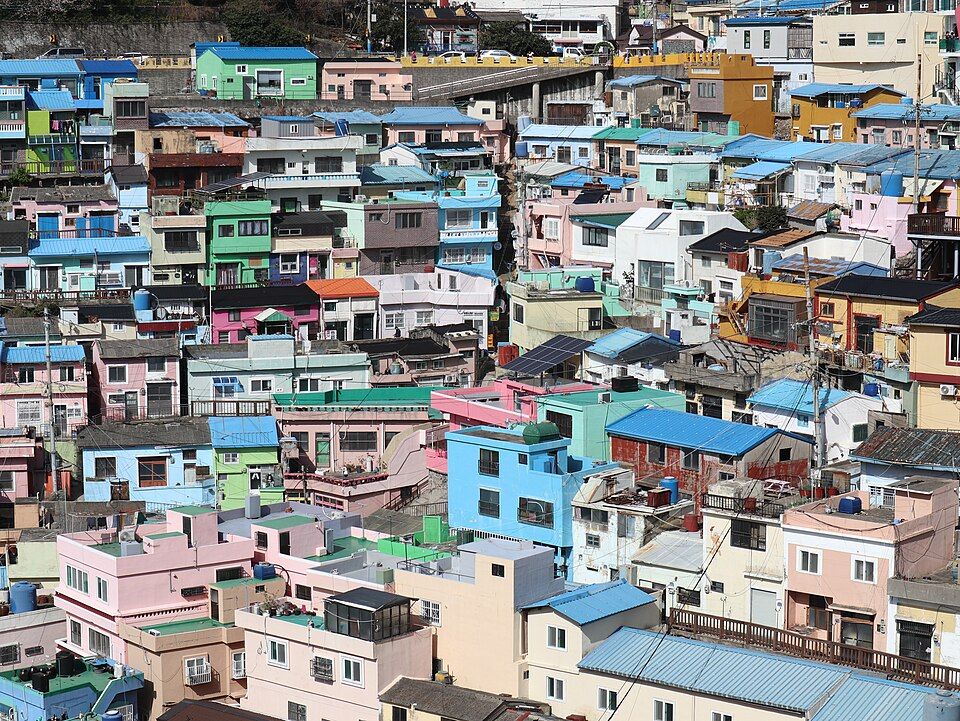
Use a Nampo or Jagalchi-area day for observation, one market or meal and how people use the old waterfront. A coast day near Haeundae or another suitable shore can be selected independently. Give one child a clear turning point on the walk or a small investigation, such as what signals mean a facility is part of a working harbor. Keep outdoor viewing independent of any water activity.
Select covered alternatives on the same side of the city. If you plan a market meal, confirm where the whole group can sit and whether a specific venue can handle dietary needs. Choose the coast according to conditions, walking distance and your ability to get back to the room. Set aside time after day thirteen for bags and an arrival route into Kansai.
If a child is tired of moving, choose a settled Busan day over an added Gyeongju outing. An extra heritage visit can work on a slower Korea trip; on this six-base schedule a full Busan day may be more useful as breathing room.
A local option
Haeundae and the older port-side neighborhoods are different bases. Families interested in sand and outdoor play can spend a morning on the coast without committing to a second district after lunch.
Day 14 · Cross to Kansai and stick to one Japan base
Verify the route serving your real travel dates before fixing the two surrounding hotel stays. If a Busan to Kansai flight is available and practical, compare the hotel-to-airport journey to the airport-to-hotel journey after you land. Plan a meal and the room as the main tasks. Choose Osaka or Kyoto for all three Kansai nights, according to the two full days and onward Tokyo rail plan.
A direct crossing that includes a difficult departure hour or late airport arrival may still complicate the family's day. Check the total number of luggage moves, last-mile transfer and operator cutoffs. A connecting route or ferry has separate timings, procedures and baggage assumptions; choose it only after matching current official arrangements.
If a ticket change reduces the two Japan-area outings to one, protect whichever has the stronger family interest. If your dates leave no workable Busan crossing, reprice a supported gateway before confirming any rooms. Avoid solving an inconvenient route by adding a new hotel on short notice.
Check transfer details
Decide whether the route uses Kansai International Airport or another airport shown on the booking. For a Kyoto or Nara day, check the exact platform and end station before picking an Osaka hotel.
Days 15–16 · Give Kansai one local and one contrast day
From an Osaka base, make the harbor or castle park a local day and use a planned Kyoto outing for one historic district or a rail-focused indoor visit. From a Kyoto base, flip the emphasis: use one Kyoto walk without an additional city and make Osaka's outing worthwhile as a contrasting experience. Select one attraction or district on either day rather than trying to earn back the time spent reaching Kansai.
Compare the exact Kyoto walking route and the Osaka transfer with your room address. A young child may prefer a child-chosen aquarium or railway morning after several demanding history visits. A teen can choose one low-stakes solo browse only if the household has an agreed meeting point and suitable independent route. Leave the final afternoon for packing.
If a city outing will turn into a long wait in bad weather, return to the local base or switch to an appropriate venue near its station. Let Nara remain an alternative only if it replaces the Kyoto or Osaka day rather than becoming a seventh base.
A local option
The Kamo River offers a flexible pause when the nearby stretch and weather suit the group. Use public paved approaches and choose a clear return point if another person needs to find you.
Days 17–18 · Move to Tokyo and choose a contained first site
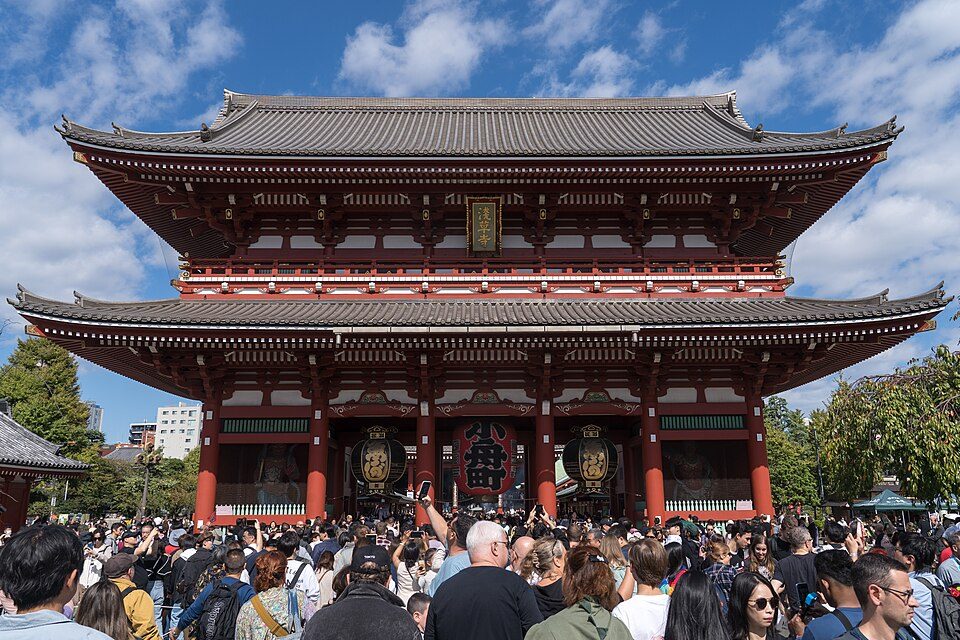
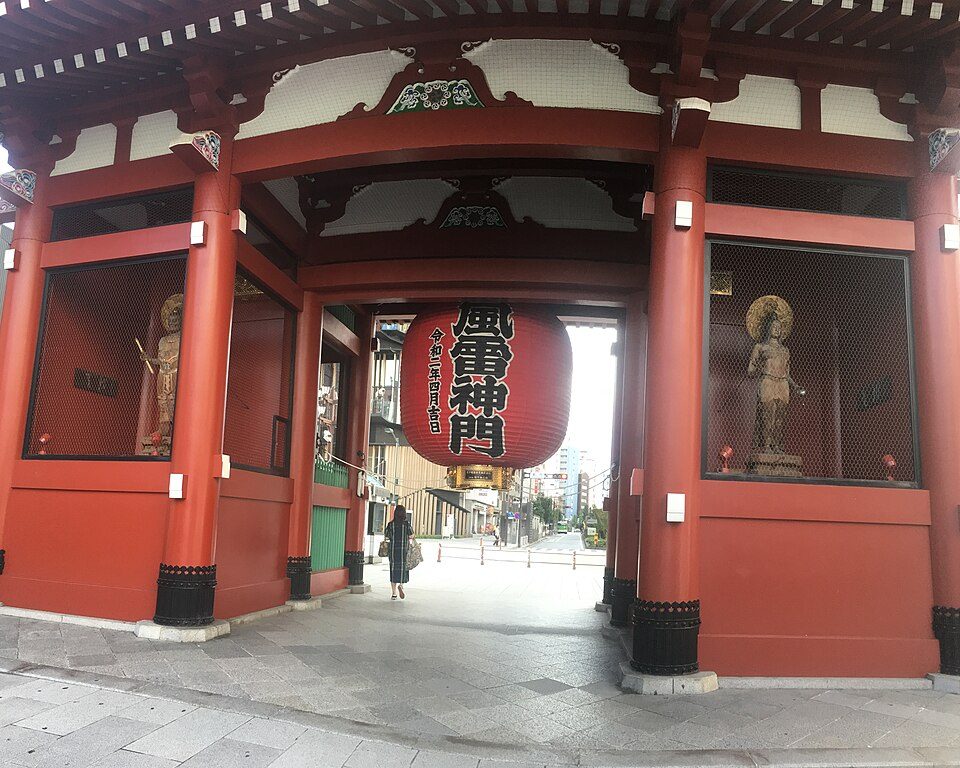
For the Kansai to Tokyo rail leg, work from the actual Kansai station and the room you booked, taking current operator luggage rules into account. Choose a food break before leaving your arrival district. The next morning, use Asakusa and the Sumida or a different single cluster the children chose. A good Tokyo start demands fewer station transfers than the train day.
Give each adult the same record of the rail service and hotel approach. Check that any extra luggage arrangements are compatible with the particular train and seats. A base well located for rail is useful only if the onward airport and hotel elevators still work. For the city outing, choose a return point in advance.
If the Tokyo move arrives late, give up the arrival walk or start the next activity after lunch. When the first full morning is rainy, use an already checked museum and take the river before or after dinner another day.
Check transfer details
Route maps make nearby stations look easy to substitute for each other. Check platform transfers and the particular street exit for your hotel, especially with luggage or a stroller.
Days 19–21 · Keep one Tokyo reward and one spare block
Pick one Ueno collection, a modern science outing, a shop or food interest that matters to the children, or a full park day if it was the trip's motivating experience. Allocate day twenty to weather recovery and packing as well as a final walk. On day twenty-one use the confirmed Tokyo airport and carrier cutoff as the organizing facts. The last day does not have to resemble another sightseeing day.
Tokyo provides the best space for the family to decide what to repeat. Give the lead to a traveler who had less control in the earlier countries. Compare Haneda and Narita from the room and make one backup airport route available to both adults. Finish the packing cycle early and set aside an accessible change of clothing and snacks for homebound travel.
If the homeward booking needs a separate regional return flight, give that journey appropriate time and verify all formalities before paying. Remove a Kansai or Tokyo activity rather than asking the family to make the extra crossing after a full sightseeing appointment.
A local option
Ueno Park and the Sumida River give families separate ways to take an outdoor break. Build the outing around one corridor and allow space for a snack before tackling another station.
Other ways to plan this trip
Exactly six bases
Best for households comfortable with scheduled transport days.
Preserve all five hotel transitions as explicit events and assign one specialist job to each adult. Print a simple list of nights with the local hotel names and trains or flights. Buy protected or workable arrival segments according to your circumstances.
Three nights in a region offer only two full days when arrival and departure occupy the boundaries. Keep one flexible morning in larger bases and decline new overnight stops.
Skip Beijing and go deeper on the coast
Best for families who want less formal history and fewer transport days.
Use the Beijing nights for a longer Shanghai stay and a quieter Korean section. Cut the China rail segment and compare suitable flights from Shanghai instead. Keep one China collection or garden as the main contrast to Seoul.
You give up the Forbidden City and Great Wall program, but get better rest and less air and train coordination. Decide which Beijing experiences a particular child wanted before removing them.
Skip Busan and keep extra Korea nights in Seoul
Best for a family with a more workable Korea to Japan flight from Seoul.
Keep the southbound train out of this itinerary and give the unused nights to Seoul, Kansai or Tokyo. Add a Korean day with open space or a child-selected activity that is manageable from one hotel.
The route loses its Korean port and coastline but becomes a five-base trip. Do not try to restore Busan as an exhausting sightseeing transfer unless you intentionally choose a different schedule.
Add one flexible day per country by dropping a fixed booking
Best for families with allergies, sleep needs or unpredictable daily energy.
Decide in advance which currently bookable activity provides the least distinct experience. Use that place in the itinerary for rest, a replacement visit, a late meal or a short walk. Reconfirm longer services early enough to make changes.
Some planned highlights will end up shorter. Build the new plan around a small number of visits the children can really enjoy, rather than the feeling of a wasted day.
Japan with a single shared theme
Best for families approaching the point of sightseeing fatigue.
Choose one recognizable contrast for each Japan city. For example, set Osaka harbor life against a Tokyo science collection, or Kyoto building approaches against the Sumida. Make one full day for the children's preference rather than an adult checklist.
This helps fewer outings feel distinctive. Plan the route needed for each before paying for tickets and move the extra free time near the hotel.
What to see and do in each city
Shanghai
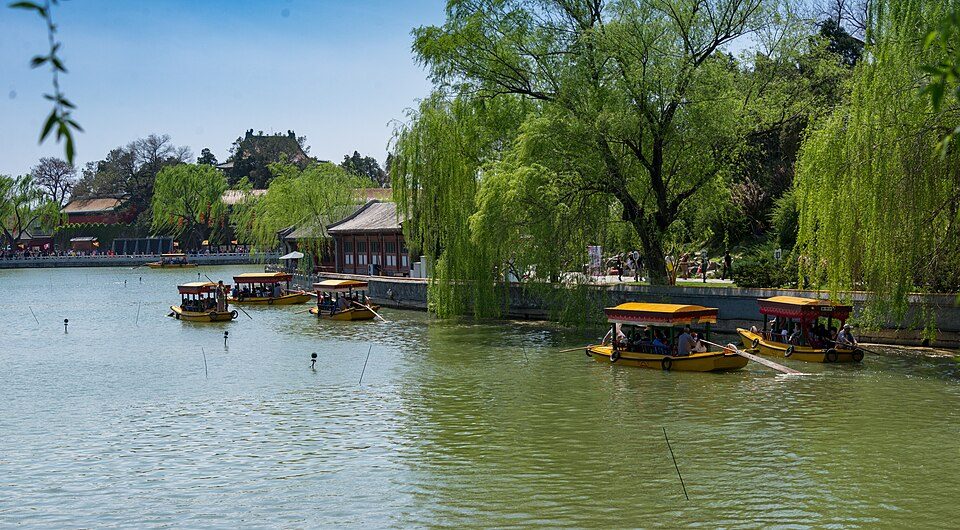
Choose the side of the Huangpu River closest to the places you want to visit. Check travel time from your hotel to the airport or railway station you’ll use.
The Bund facing Pudong
Two city forms from one bank. An open view over the Huangpu lets children see the older waterfront buildings and high-rise district as parts of one city. Pick a short section with an easy street return and let each child choose a different detail to remember.
Watch the barrier crossings and daylight or wind rather than aiming to reach both banks. If the walk is crowded, move to a quieter stretch or continue after breakfast the following day.
Yuyuan Garden and the old-city district
A smaller scale and a different pace. Compare the plan of a garden with the panorama of the Bund. Invite kids to notice framed views, small structures and changes in the walking surface. Whether you enter the garden or stay in the district, keep the distinction clear on the route.
Busy lanes and crowds can make the difference between a short walk and a lost lunchtime. Choose an exact entry point, alternate meal and indoor fallback in advance, and follow current site guidance.
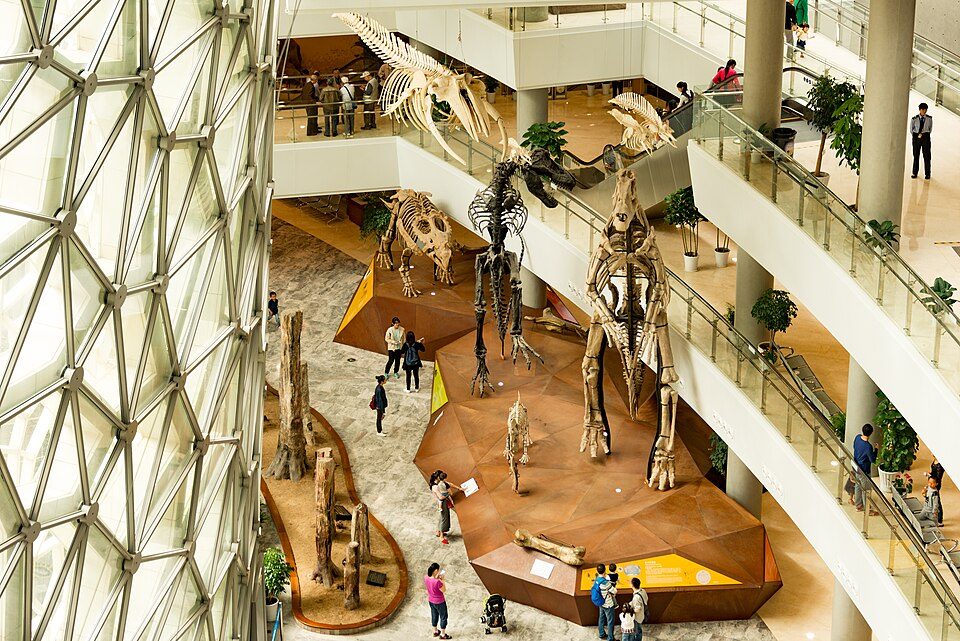
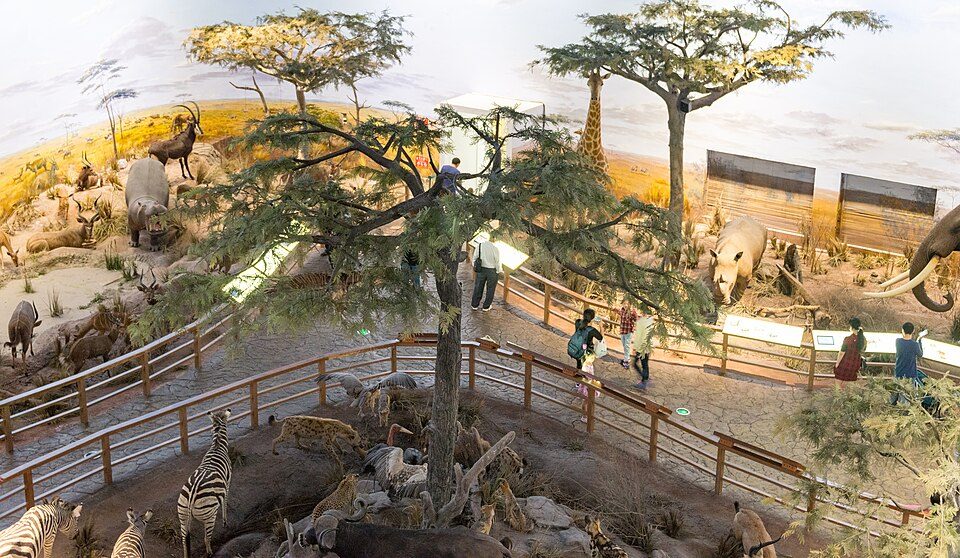
Shanghai Natural History Museum
Teach from a few displays. One section on animals or fossils can carry a long wet-weather morning. Decide what the child already knows and seek one object that changes or extends that idea. Put a seated pause at the end and keep the optional gallery genuinely optional.
Confirm the desired booking, museum entrance and requirements from the current official source. Choose a nearby district for lunch rather than crossing back over the river before everyone is fed.
Beijing
Stay near the places you’ll visit on your first two days. Keep passports and any attraction booking confirmations handy.
Temple of Heaven park
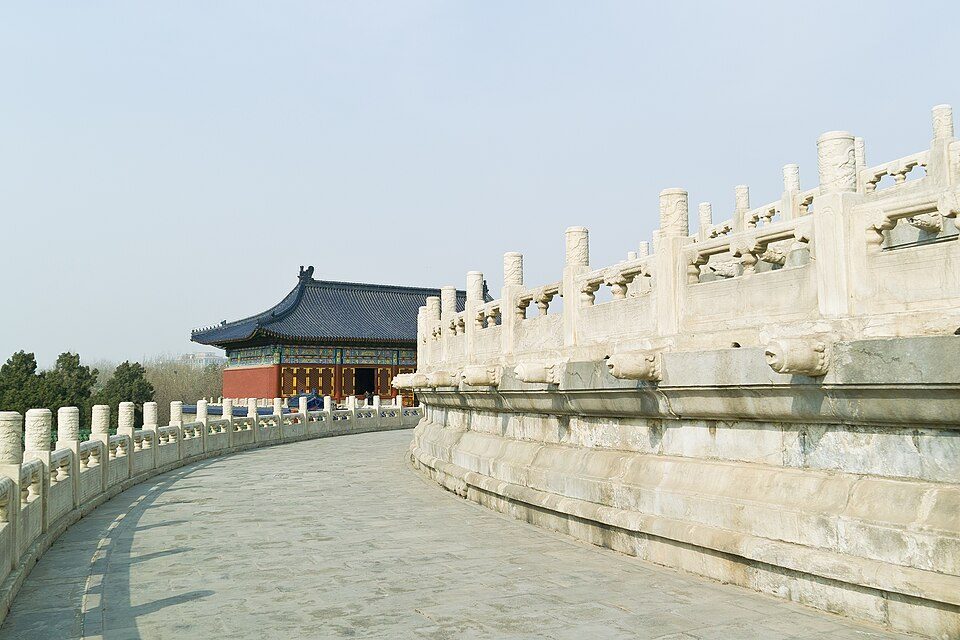
An outdoor reset with a distinct purpose. Set a walking limit before touring pavilions and paths. Give the family a way to compare how an axial or ceremonial approach differs from what they saw at a palace. Open grounds help if people need room to change pace.
Check actual conditions and any combined admission arrangement before leaving. Move a longer loop to another day if that keeps the planned evening or train departure easier.
Beijing rail and station decisions
Keep the detail of the operator and endpoint. Identify the station rather than writing Beijing on the family’s shared schedule. Build an independent path from the hotel to the station entrance and review current railway identification and check-in guidance before departure.
On a museum day, children can compare their actual rail movement to a mapped route. On a train day, give the children a different part to notice after boarding, with no pressure to complete a second venue.
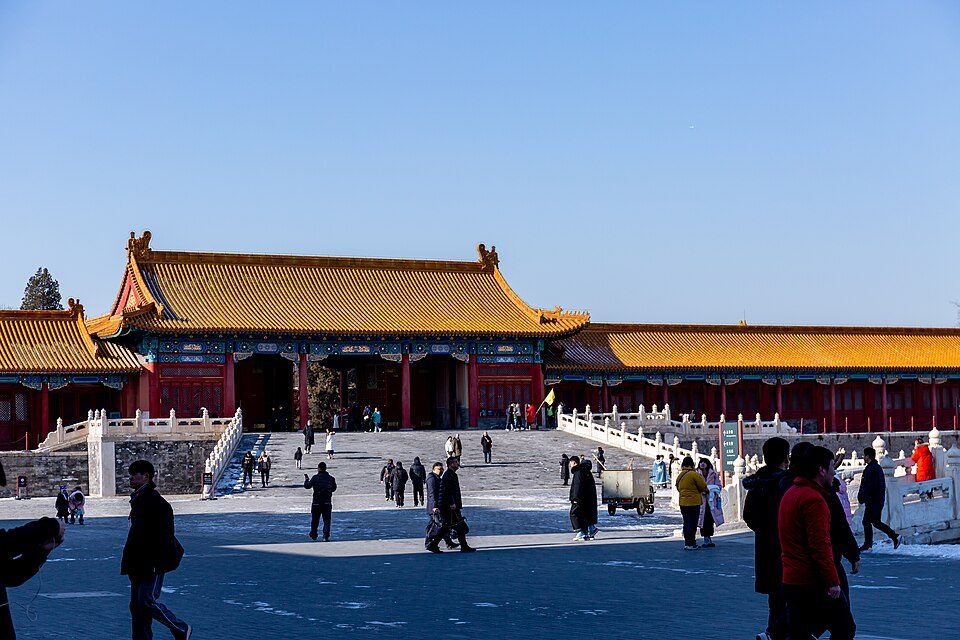
The Forbidden City and the Central Axis
A compact imperial-city question. Pick one axis or court detail and give the children time to compare the spaces on either side. Make the long central approach optional if it is not suitable for the group. An adult needs to know the exact exit before any subgroup becomes separated.
Reservations, visitor identification and access change. Check the current official museum or site guidance and map the lunch route from the ending point. When the planned opening disappears, use a district-based follow-up.
Seoul
Stay in Jongno or near City Hall for palaces and museums. If you’re carrying several bags, look for a direct train or airport bus.
Seoul Forest and the surrounding streets
After the Beijing flight, I’d use Seoul Forest as a change from museums and palace gates. Start at the park entrance that’s easiest from your Seoul hotel and use a single neighborhood for lunch. With four nights, this can be your easy outdoor day before you get back on a train to Busan.
Seoul Museum of History
Wet-weather context for the capital. Urban photographs and city-scale views can help children see the palace district as part of a living city. Choose an idea such as street movement or houses and look for how it changes between periods. Pick the slice with suitable labels for the group.
Confirm opening hours, transport connections and plans for each visit before leaving the hotel. Use a short stroll after lunch if the rain clears. A wet day need not move everybody from one end of Seoul to the other.
Jamsil and the Lotte World area
Park timing and lake-side recovery. A ticketed ride day, a short lake-side visit and a shopping outing have different time profiles. Identify which one the children actually want and which gate applies to it. Give a family reunion a clear physical location.
Recheck current ride, park and admissions information close to your date. Keep a non-ticketed local option if opening or queue conditions change. A hotel on the other side of Seoul affects how quickly tired children can reach a room.
Busan
Stay near Busan Station for an early train, in Nampo for the harbor and markets, or near Haeundae for beach time.
Nampo and the working harbor
Food, boats and shorter walking choices. Use a short port-side walk to notice the edge between fish trading and public space. The children can identify things people need to move goods safely. An adult can choose a restaurant nearby if the market's aisles or smells are too much.
Spend the morning in one district when the family will leave from the international terminal later in the trip. Saving time near the hotel makes it easier to revisit a favorite view before a meal.
Haeundae and the waterfront
Wind, sand and the hotel decision. A brief open-air stop can be part of a full family outing in the coastal district. Decide how long the group wants to be beside the water and use one agreed point to leave the promenade. Know where to dry off and change layers.
Weather and local safety instructions can change the outing. If the children really want beach time, keep the harbor and a long ride for another morning. Distance across Busan matters once the group is tired.
KTX at Busan Station
A train day that ends well. Find the onward meeting location and note which road side the booked driver uses. A child can handle a simple role such as matching the agreed station name while the adults handle valid tickets and large bags.
A train-to-coast connection can occupy a significant part of the arrival window. Compare the price of the same day trip from a hotel in the old city and from the hotel you’re considering on the coast. If a later city visit disappears, move it rather than making everyone travel hungry.
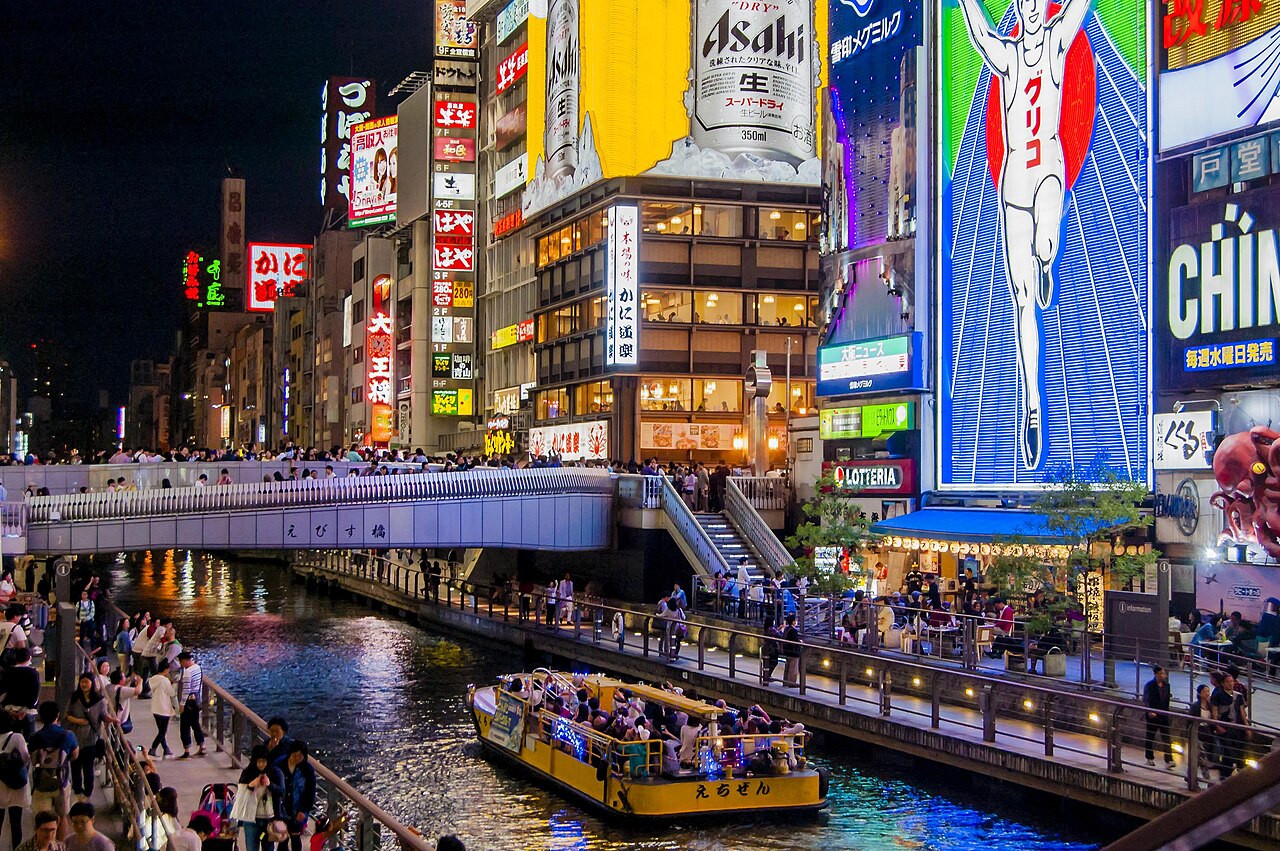
Osaka
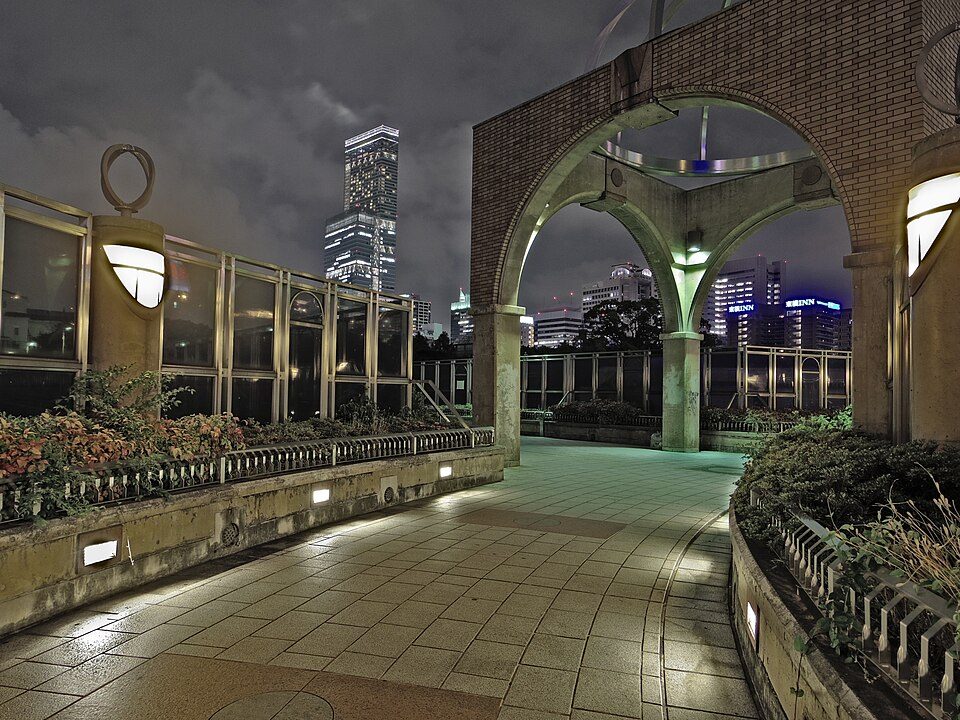
Consider Namba for nearby food and sightseeing. Consider Umeda or Tennoji if the trains from those stations better suit your plans.
Osaka’s station districts
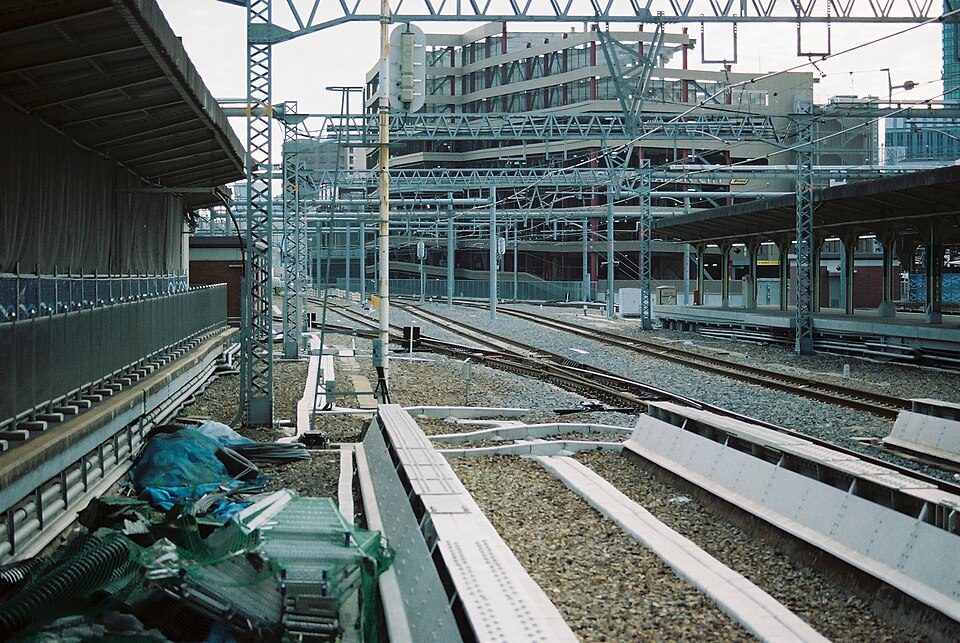
How to pick a real Kansai starting point. Rail choices involve a surface approach, a building and a concourse as well as a published service. Compare the room-to-platform route for the first rail day with the hotel-to-last-meal walk at night. One pleasant photo block cannot substitute for easy everyday movement.
Write exact station names on the booking sheet. If the hotel booking changed, recalculate both the Kansai departure and the day outings using the new entrance.
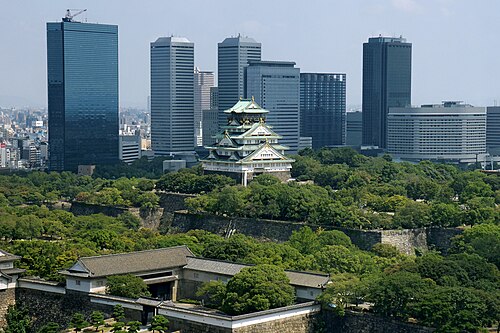
Osaka Castle Park
An exterior-first family visit. Approach the castle through a gate or along a moat and compare the first full view with the edge closest to the tower. Kids can observe which features organize or protect a large site. An exterior outing can work when interior queues would consume the morning.
Pick the fastest return that fits the travelers who will walk it. Put a warm or cool break in the same vicinity, and let a second Osaka district be a next-day choice rather than requiring a long return after lunch.
Nakanoshima
A slower view of an urban waterfront. Use a defined section of the island and choose how to cross back rather than walking onward without an endpoint. Sit if the group has already spent a morning on trains. Discuss where working and recreational waterways differ from ones seen earlier in the trip.
Check actual approaches and weather. If the intended path is uncomfortable, keep a seated nearby alternative instead of relocating the full party across Osaka.
Kyoto
Stay near Kyoto Station if you have an early train, or choose a neighborhood close to the sights you’ll visit most.
The Kamo River corridor
A pause in a crowded schedule. Choose the known crossing and a paved access route first. A compact riverside stop can give children time to draw or eat after an indoor visit, without deciding a second busy neighborhood at lunch.
In poor weather or at high water, use local instructions and retain a surface or indoor route. Check which side the hotel or return ride is on before letting an open-ended walk get too long.
Kyoto Station and the Railway Museum
Interest-led travel without another hotel. A railway visit can follow a real train journey and help a child connect carriage, platform and station choices. Pick one track or engineering question and look up the museum's current exhibits and experience arrangements. Plan the museum and station approaches as separate legs.
Leave a meal near the return point if the group is carrying bags or has a lot of walking that day. A parent and train enthusiast can spend longer while others rest, then rejoin at a pre-agreed location.
Arashiyama as a dedicated outing
One approach, one river view. The district works better when the family has a time to leave and a picture of what it most wants to see. Choose a river or garden focus, then decide whether a busy path is worth the queue after reaching the area.
A slow approach from another city changes the time available in daylight and can make a short morning more useful. Move the visit independently or choose a closer Kyoto riverside segment when the journey grows longer.
Tokyo
Ueno or Asakusa make a good starting point for sightseeing in eastern Tokyo. Pick another area if it saves time on the visits that matter to your family.
Marunouchi and Tokyo Station
A station that can explain a trip. The public station exterior makes a good point to discuss why railway termini look different from neighborhood stops. Look at arrival and departure from the traveler’s point of view, and pick one feature the children remember from their own journey.
A station transfer with luggage is a different task from looking at the public square. Protect the real rail connection and save exterior time for a luggage-free part of a day.
Ueno museums and park edges
Choose the collection before the arrival route. Clarify whether the day is about science, national collections or outdoor space. Put a clear finish on the museum segment, using a child's chosen room as the measuring point. Plan a snack or quick walk in the vicinity.
Check the chosen venue’s current reservations and hours. An outdoor addition makes sense when it can be taken away without affecting the rest of the family’s arrangements.
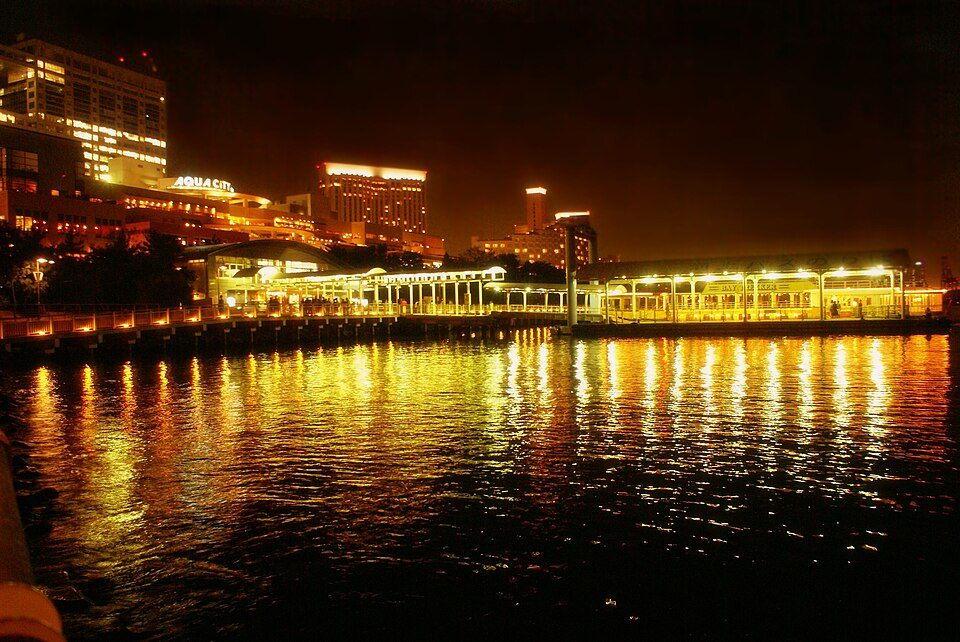
Odaiba and a waterside science outing
An indoor and outdoor pair with a real return. Compare the indoor interests before travelling to the bay. Choose a single center or subject, then decide whether the waterside walk adds time outside without making the return hard.
Test the exact approach from the family’s hotel and take the weather seriously. Use a closer museum if the bay trip would exhaust the day’s transport allowance.
Make the costs of removing one base visible
Make two versions of the three-week night list. In the first use the proposed stops and give every transfer a whole daytime block. In the second, remove the least important overnight place, then place the exact room nights you recovered beside the two activities it had promised. A child who wants the Great Wall may argue for Beijing over Shanghai; a family needing a single week to decompress may value the simplicity of fewer rail stations more.
Run the same exercise for Busan and Kansai. It is fair to keep the harbor or the Kyoto visit if it matters. The point is to see what you would do with the tradeoff rather than letting an extra hotel make the trip look fuller. Use the available flight schedule and operator rules to verify the decision, and retain the first draft only if the family likes the extra moves as well as the extra sights.
Keep a written plan for the three rail days
Put the origin station, its recommended entrance, exact arrival station, reserve seats and baggage plan on one page. Separate boarding procedures and document checks for the China rail day, the Korean intercity train and the Tokaido Shinkansen. Operators have their own requirements. An important bag policy or access rule should be checked against the ticketed service and current guidance.
Each station change should have an adult in front, one person watching the bags and an obvious meeting point. On the China rail day a snack and room arrival can be enough. On the Busan transfer, use the nearest waterside or market walk as optional. On arrival in Tokyo, a known local meal is worth more than another rail change.
Plan the main goal of each country's slower day
Use the Shanghai flexible half-day to rescue your weather-sensitive river walk or recover after the first flight. Place Seoul's flexible day before moving south so it can double as laundry and breakfast recovery. Protect Tokyo's spare block because it absorbs weather or an arrival delay as well as the preparation for leaving. Do not tie all three to the same type of activity.
Decide what you would do if each country loses one day. In China pick between the most important palace or the wall. In Korea choose the Seoul experience and one good Busan morning. In Japan focus on the most meaningful Kansai district and a child-selected Tokyo outing. Simple decisions made before the trip are less emotional than a series of rushed cancellations.
Connect the trip through what the children can compare
Start with a single question about a public place. Why does a palace visitor need to pass through several gates? Who uses the wide park beside a river? How does a harbor show that a city has practical work to do? Let each age group choose how to collect evidence. A photograph of a crossing, a sketch or an argument over lunch can all earn their place.
Keep a record of just a few observations from each country rather than designing an exam for children on holiday. A good result from Shanghai and Beijing might be a marked difference between river-facing buildings and a royal street axis. Seoul and Busan can contrast courtyard and waterfront patterns. Kansai and Tokyo can show how two cities organize indoor and outdoor time.
Choose support around the seams
An itinerary with two regional crossings and several trains merits a line-by-line review of arrival timing before any tour or guide quote. Ask who is responsible for an interrupted handoff if two separate providers are involved. Pay for a fitting vehicle or professional help on a segment where the alternative creates a real problem for children, grandparents or luggage.
Culture guiding earns its cost when it helps the travelers hear the story at their own pace. Name two places and a time you prefer to finish. Independent afternoons preserve room for families to split or pause. Compare whether guide arrangements, domestic transit, international travel, luggage assistance and admission are independent or bundled before deciding.
Family travel questions
Is it wise to fit both Kyoto and Osaka into three nights?
One Kansai hotel is a workable starting point. Spend a full outing in the other city and keep a local day in the base. Choose the two main activities, test both from the room and allow enough transfer time instead of moving hotels for a single early visit.
Can we combine Gyeongju with the Seoul to Busan transfer?
It adds unscheduled luggage handling and a separate approach to the heritage site while continuing to a different hotel. Use a planned outing from a southeastern Korea base or redesign the Korea section so Gyeongju can stand on its own.
Should we cut one of the two China cities?
Cut one if you are unsure the children will tolerate a third busy train station after arrival. Keep Shanghai for river, food and object collections. Keep Beijing instead if royal architecture and a Great Wall visit are the family's main China interests and the first ticket suits that choice.
Where should we arrange laundry?
The longer central bases, such as Seoul and Tokyo, offer the best chances to handle a full wash without sacrificing an entire travel morning. Confirm facilities and turnaround with the hotel. Carry enough for a delayed bag and plan for clothes that do not require a last-minute drying setup.
What is the most important thing to confirm on the two regional crossings?
Verify ticketed airports, onward transport and the current entry or transit rules for each traveler. Compare each segment with the hotel and rail plans it supports. A workable airport arrival is more useful than a shorter published flight that creates a forced extra move.
Trip options and where to stay each night
Keep Shanghai–Beijing, Seoul–Busan and Kansai–Tokyo as distinct rail days and the country crossings as flight days.
Late arrival
You’ll get to the hotel around the time your child usually goes to bed.
Before choosing the cheaper fare, work out your last morning in Seoul and your first full day in Busan. Write down when you’ll leave the hotel, how long it will take to reach the station or airport and when you’ll be able to check in at the other end. For a family making a first or relatively short trip, the deciding factor may be the mornings or afternoons you’ll have for sightseeing after travel, check-in and meals. If you arrive late, see whether you can move the next morning’s booking before cutting a night.
If dinner and check-in take up the first evening in Shanghai, start the following day with the main visit only. Decide whether a later start moves lunch or shortens the visit. If you would rather keep a dated ticket, move the optional outing out of that morning entirely. Keep the original departure for Beijing if the hotels and transport still work.
Losing a night
School dates or airfares have changed, and you’ve lost a night somewhere in the middle of the trip. One lost middle night can erase a city’s only full morning. Removing a whole hotel move frees packing, checking out, storage and the later check-in. Make the choice with each traveler’s main reason for traveling in view.
Picture your busiest day in Busan. Make time for a short neighborhood stop or a return for a seated meal. Compare how the day would feel if you stayed at one hotel instead of packing up and moving again. Before you continue to Osaka, decide whether a different overnight stop would give you more time at the sights or make it easier to get back for lunch. Check the journey to your actual hotel, including the walk from the station.
Draw the Shanghai to Tokyo trip with one fewer night. Test a version that skips the hotel move from Busan to Osaka against a version that keeps both places but drops a morning visit. Count the time you save checking out and getting the next room. Ask which version still gives the children something they want to do in that part of the trip.
Starting at the other end of the trip
The flights work better if you visit the last country first. A convenient departure airport can become an awkward late arrival. Move the long-haul recovery period to the new beginning, and check which of the proposed visits are viable on the reordered weekdays.
On a calendar the whole family can see, mark where you’ll stay in Busan and Osaka. Put a star on one activity a child especially wants to do. Decide how long you’re willing to be out with your bags between check-out and check-in. Leave one part of the next day free in case the journey takes longer than planned. That gives you time to keep the main thing your family wants to see or do in this city even if you have to move another activity.
Make a second calendar starting in Tokyo. Move the arrival buffer there before counting the sightseeing days. From that end of the trip, can you still reach Osaka at a reasonable hour and get to the Shanghai departure without another hotel night? Compare tickets in both directions and check which visits you still get on a suitable day of the week.
Staying at one hotel
You want to see two nearby cities, and one child usually goes back to the room after lunch. Staying at one hotel saves time packing and checking in again. Staying in two places can make it easier to visit first thing in the morning or return for a break. Compare the complete day with each of the two hotels and include the return from lunch in the distance calculation.
Before choosing the cheaper fare, work out your last morning in Shanghai and your first full day in Beijing. Write down when you’ll leave the hotel, how long it will take to reach the station or airport and when you’ll be able to check in at the other end. For a family making a first or relatively short trip, the deciding factor may be the mornings or afternoons you’ll have for sightseeing after travel, check-in and meals. If you arrive late, see whether you can move the next morning’s booking before cutting a night.
Compare sleeping in Shanghai and taking a shorter outing in Beijing with moving the whole group. Start with the full round trip from the first hotel. For the move, add checkout, bag storage, check-in and the time needed for a meal. The room change makes sense if it buys a morning you can actually use or makes a needed afternoon rest easier.
Returning to the arrival city
Flying in and out of the same airport looks cheaper than flying home from your last city. Add an itinerary segment, transfers, bags, and a room where needed. A return through the first airport may consume the one day everybody believed was available for a final visit.
Picture your busiest day in Kyoto. Make time for a short neighborhood stop or a return for a seated meal. Compare how the day would feel if you stayed at one hotel instead of packing up and moving again. Before you continue to Tokyo, decide whether a different overnight stop would give you more time at the sights or make it easier to get back for lunch. Check the journey to your actual hotel, including the walk from the station.
For an itinerary that ends in Tokyo, look up how you would return to Shanghai in time for the flight home. Count the hotel night that might be needed and look at the last place the children wanted to visit. If the return uses that morning, compare the round trip with a ticket home from Tokyo using the same luggage and seat choices.
Swapping the crossing day
The cheaper flight would make you miss a visit or get to the hotel long after bedtime. A dedicated crossing day is easier to rearrange than two timed visits in different countries. Keep the morning before you leave flexible. After you arrive, plan a meal or a short walk near your hotel.
On a calendar the whole family can see, mark where you’ll stay in Beijing and Seoul. Put a star on one activity a child especially wants to do. Decide how long you’re willing to be out with your bags between check-out and check-in. Leave one part of the next day free in case the journey takes longer than planned. That gives you time to keep the main thing your family wants to see or do in this city even if you have to move another activity.
Look at the day you arrive in Seoul from Beijing. Move the first dated visit to a full day there and see whether the rest of the trip still fits through Tokyo. If you lose the only morning you wanted in that city, search for a different connection or change the number of nights. A low fare is more useful when it leaves the visit intact.
Counting beds before sights
The draft counts your landing day and your flight home as two days you could spend sightseeing.
Mark each night in Shanghai, then work forward through Beijing and eventually to Tokyo. Put a line through each major travel day before selecting timed visits. Now circle the mornings left in each place and ask which one the children would use for their choice. Compare a hotel change against staying put if the move leaves a destination with no circled morning at all.
Transfers, seats and bags
Arrange bag storage or hotel drop-off after the long journey rather than promising a second sight on the same day.
Vehicle seats and loading space
Everyone fits in the car on paper. You still need room for a stroller, other equipment and the suitcases. Send the count and dimensions of the bags and equipment, as well as restraint requirements. Ask how everything fits with the safety equipment installed and confirm the exact pickup location.
Write down the station or terminal in Busan, the service you’ll take and where you’re meeting in Osaka. Ask one adult to keep the tickets and addresses handy while another helps the children find a seat, a snack or a bathroom. If you’re the only adult, save the tickets and the address together so you can get to both quickly. Agree on a place to wait if the service is delayed. If you’re delayed, tell the hotel when you expect to arrive.
For a booked ride in either Busan or Osaka, send the provider a count of adults, children, full-size cases, foldable gear and anything that cannot be folded. Ask what fits in the vehicle that would actually turn up. If one larger vehicle is expensive, price two standard rides for the same pickup and agree who will be with the children and who will carry the bags.
Independent reservations
Two separate tickets cost less. If the first one runs late, check who will help you reach the second one. Compare protected and separate reservations using the actual written terms. Map baggage reclaim, check-in, transit rules, terminal changes and meals. One overnight can buy margin if missing that connection is very expensive.
Try carrying the bags you’ll actually take before leaving home. If both hands are full, see who can handle the tickets or keep a child close while boarding. That can change which station entrance or connection you choose in Busan and how you get onward to Osaka. When asking for a pickup or extra assistance, tell the operator what you most need help with. Give them your passenger count and bag sizes and ask where the driver will meet you.
Put the reservation numbers for the journey from Busan toward Osaka side by side. If those tickets are from different companies, read what each offers after a delay and decide how long your group can wait comfortably. Leave more room before a separate Tokyo booking if there is no convenient later way to reach it. Ask the hotel what to do if you arrive very late.
Reserved rail with big bags
The children will be fine on the train. Getting to the platform with the stroller and finding room for the bags are the harder parts. Measure equipment and bags including handles. Check the exact operator and train guidance, including a seat reservation connected to storage where appropriate. Plan boarding roles and the path from the platform.
If you’re starting in Shanghai, compare the cost and time from the hotel door. Pudong and Hongqiao are distinct destinations. Hongqiao also names a railway hub, so label transport reservations with the exact facility and verify the door the driver is expected to use. Then check where you’ll get off in Beijing and how to reach your hotel with children or equipment. Write down which transfers are included in the price and which ones you’ll need to arrange. Keep the rest of the arrival day flexible so you can make time for the main thing your family wants to see or do in this city after getting settled.
For the rail portion near Shanghai or Beijing, first write down the service you would book and measure the largest case. Compare keeping it with you, booking suitable storage if available, or sending it ahead. Check who can carry enough for the first night in Beijing. If taking the case means an awkward seat or platform change, price delivery and confirm the receiving hotel will accept it.
The station-to-hotel gap
The hotel looks close to the station, but your walk could include an underpass, a long hall or a hunt for an elevator. Mark the precise platform exit and room entrance. Find a second route for lift closures and choose a visible point where the family can rejoin each other when carrying speeds differ.
Write down the station or terminal in Kyoto, the service you’ll take and where you’re meeting in Tokyo. Ask one adult to keep the tickets and addresses handy while another helps the children find a seat, a snack or a bathroom. If you’re the only adult, save the tickets and the address together so you can get to both quickly. Agree on a place to wait if the service is delayed. If you’re delayed, tell the hotel when you expect to arrive.
Look at the door of the Tokyo hotel from the station or terminal you reach from Kyoto. Mark a suitable exit and consider who will be carrying a case or helping a child. If the last stretch is a lot harder than the main service, choose a different arrival route or book that ride separately. Send the exact hotel address to everyone making the journey.
Child fares and seat rules
The booking page has a child fare. You still need to know where the child can sit and what they need to board. Use actual ages on the day of travel and check each provider separately. Write the seat need, bag allowance and any equipment permission beside the ticket. Check whether someone needs an issued reservation even when no fare is charged.
Try carrying the bags you’ll actually take before leaving home. If both hands are full, see who can handle the tickets or keep a child close while boarding. That can change which station entrance or connection you choose in Shanghai and how you get onward to Beijing. When asking for a pickup or extra assistance, tell the operator what you most need help with. Give them your passenger count and bag sizes and ask where the driver will meet you.
Price actual seats for your family on the service leaving Shanghai and on the one into Beijing when relevant. Confirm how the two services handle children of each age, baggage and seating. Keep their answers with the tickets. If you change one booking on the way to Tokyo, check whether the replacement has different rules and whether you can still sit where you need to.
Assistance across providers
Someone in the family uses a travel aid or needs more time to board. Ask who can help on each leg of the trip. Confirm what's available with each airline, terminal, hotel and local operator. Ask where assistance starts or ends, provide equipment sizes and handling requirements, and model the actual transfer.
Before requesting assistance, list which parts in Shanghai and Beijing create the difficulty. Examples might be boarding, finding an elevator, using stairs with an aid or loading equipment. Ask exactly where each provider will meet the traveler and when their assistance ends. If there is a gap at the hotel or station, arrange it separately and send everyone the confirmed addresses and contact numbers.
An offline travel folder
The phone with everyone’s tickets is missing or out of battery.
Write down the station or terminal in Beijing, the service you’ll take and where you’re meeting in Seoul. Ask one adult to keep the tickets and addresses handy while another helps the children find a seat, a snack or a bathroom. If you’re the only adult, save the tickets and the address together so you can get to both quickly. Agree on a place to wait if the service is delayed. If you’re delayed, tell the hotel when you expect to arrive.
Save the hotel and transfer instructions for Beijing and Seoul using the actual names and addresses on the bookings. Put the final onward ticket for Tokyo in the same folder. Check that one traveler can open it without a connection. If you are splitting the party, make sure the adult arriving separately has the local address, contact number and a meeting point they can recognize.
Rooms, meals and recovery
Choose one Kansai hotel and check which Osaka or Kyoto visit can be done comfortably as a day trip.
Beds and how many people can share a room
The room looks big enough in photos. The listed rate may cover fewer people or require two children to share a bed.
Find your earliest departure from Busan and ask when the hotel in Osaka can take your bags. If you leave before breakfast starts, find out whether you can eat near the station or take something with you. On arrival, decide where the children can sit down if your room isn’t ready. Once the travel day works, make sure the hotels also leave time for the main thing your family wants to see or do in this city on ordinary sightseeing days.
When looking at hotels in Busan and Osaka, send the two properties the same list of travelers, ages and bed needs. Ask about the room you would book and the beds already included. Compare the family price with a second room if cots or extra beds would take up most of the space. Include which child would share and whether the adults can reach both rooms easily.
What you can comfortably walk to from your hotel
A cheap room looks close to everything, but the same awkward crossing will be part of every outing.
Think about what you’ll want to walk to from the hotel in Osaka. Consider Namba for nearby food and sightseeing. Consider Umeda or Tennoji if the trains from those stations better suit your plans. Ask the hotel about your room type, bedding and where it can keep your bags if you arrive before check-in. Send the same questions to the hotel in Kyoto. Use the replies to see which one makes everyday things easier, such as getting to breakfast, bringing a stroller upstairs or coming back for a nap.
From the Osaka room on your shortlist, map a walk to a meal and back without passing the sight that drew you to the area. Do the same for the Kyoto room. Think about the shortest route on a tired evening. If the hotel looks handy only because it is near a major station, check how far the useful exit is from the entrance you will use.
A dependable midday break
A preschooler still needs a nap, even when lunch and the first outing run later than usual.
Look at how you’ll get back to your hotel in Kyoto after the longest walk of the trip. Find two nearby places to eat in case your first choice is full. Check what the same afternoon would look like in Tokyo. For a family making a first or relatively short trip, you may want to pay particular attention to an outing everyone can enjoy with an easy way back to the hotel. Check the walk from the hotel entrance. A short distance on the map can involve busy crossings or stairs.
Choose one morning activity close enough to the Kyoto hotel that the adult taking a child back for a nap could leave midway. In Tokyo, give yourself an equally easy return before choosing another timed ticket. If one room makes that difficult, look for an earlier lunch and a nearby place to rest or choose a different hotel for that stretch.
A laundry night that lightens other days
You could pack a smaller bag if you know which hotel can get a load of clothes washed and dried.
Find your earliest departure from Shanghai and ask when the hotel in Beijing can take your bags. If you leave before breakfast starts, find out whether you can eat near the station or take something with you. On arrival, decide where the children can sit down if your room isn’t ready. Once the travel day works, make sure the hotels also leave time for the main thing your family wants to see or do in this city on ordinary sightseeing days.
Check whether your planned room in Shanghai or Beijing has access to laundry when you expect to be in. Plan it on a night when you have already checked in and the next departure is later. That is more useful than counting on an early checkout day. Keep one change of clothes in the bags you will carry to Tokyo in case the laundry takes longer.
A predictable meal alongside food discovery
The adults want to eat at the market. One child needs a familiar meal and has usually had enough by lunchtime.
Think about what you’ll want to walk to from the hotel in Shanghai. Choose the side of the Huangpu River closest to the places you want to visit. Check travel time from your hotel to the airport or railway station you’ll use. Ask the hotel about your room type, bedding and where it can keep your bags if you arrive before check-in. Send the same questions to the hotel in Beijing. Use the replies to see which one makes everyday things easier, such as getting to breakfast, bringing a stroller upstairs or coming back for a nap.
Pick one dependable meal near where you will finish your first outing in Shanghai. Then see whether you can do the same near the room in Beijing, even if the main activity runs late. Save the more adventurous meal for a day when you are already nearby and can sit down. Tell children where the familiar choice is so they know how the day can end.
Two rooms with a working evening routine
You’ve found two rooms with enough beds. Now check whether they’ll actually have a connecting door.
Look at how you’ll get back to your hotel in Beijing after the longest walk of the trip. Find two nearby places to eat in case your first choice is full. Check what the same afternoon would look like in Seoul. For a family making a first or relatively short trip, you may want to pay particular attention to an outing everyone can enjoy with an easy way back to the hotel. Check the walk from the hotel entrance. A short distance on the map can involve busy crossings or stairs.
If staying in two rooms in Beijing or Seoul, decide which adult would go to each room at bedtime and where everyone will meet for breakfast. Ask the hotel which room types are actually near one another. Compare the written rate with a family room or apartment and check what happens if you need to move the booking. Settle the split before paying for the second city.
Getting from the drop-off point to an accessible room
The room description says accessible. Ask about the route in, the shower and the space to turn or move around.
Find your earliest departure from Seoul and ask when the hotel in Busan can take your bags. If you leave before breakfast starts, find out whether you can eat near the station or take something with you. On arrival, decide where the children can sit down if your room isn’t ready. Once the travel day works, make sure the hotels also leave time for the main thing your family wants to see or do in this city on ordinary sightseeing days.
Compare the Seoul and Busan hotels from drop-off to room, then from room to breakfast and the street. Ask for details on the parts that matter to the traveler, such as a step at the door, lift access or bathroom layout. Confirm the room offered in writing. If a busy station or a long avenue makes the regular return difficult, price a short pickup for that day.
Breakfast before an early train or flight
You’ll need to leave before the hotel starts serving breakfast.
Think about what you’ll want to walk to from the hotel in Seoul. Stay in Jongno or near City Hall for palaces and museums. If you’re carrying several bags, look for a direct train or airport bus. Ask the hotel about your room type, bedding and where it can keep your bags if you arrive before check-in. Send the same questions to the hotel in Busan. Use the replies to see which one makes everyday things easier, such as getting to breakfast, bringing a stroller upstairs or coming back for a nap.
For an early departure from Seoul, check whether the hotel breakfast is available before you need to leave. Decide what children can eat before boarding or at the terminal. Do the same for any early start from Busan. If you are comparing hotel rates with breakfast included, consider whether you can use it on the days you are paying for.
Outings, weather and family interests
Protect the first fully usable outing after each international crossing and use one Tokyo day for a visit that moved.
Give one visit enough time
The children each want to see something different, and the family has more stops on the list than it can enjoy in one morning.
Give the family time to look around in Osaka. Compare the city’s waterside paths with Seoul’s stream or a Shanghai promenade. A sketch or a photo can capture how the path, bridges and boats fit together. Decide what you’d like to remember or compare when you reach Kyoto. You can build the day around the main thing your family wants to see or do in this city and leave the rest open. If the children are still interested after lunch, stay in the area a little longer. If they’re tired, you’ll have a shorter way back.
In Osaka, write down the one visit you would keep if you had to leave at lunchtime. In Kyoto, ask a different family member to choose. Agree on where the people who want more time can rejoin the others. If the first visit grows, keep the second outing close enough to do without another booking, or move it to the next morning with an open slot.
An indoor plan in the same district
Rain could close the main outing. Your only indoor idea is at the other end of the city.
Imagine that the morning in Kyoto goes well and the children want another hour there. Pick a nearby lunch place and check how to get back to the hotel from there. Give everyone a chance to say what they want more time for. You can use a picture or a question from the visit as a starting point in Tokyo. If you need more time today, start by skipping the second distant appointment that makes the first feel hurried.
Find an indoor visit convenient to the part of Kyoto where you are staying and check how you would reach it in rain. Repeat the comparison for Tokyo, but choose a different kind of outing if one museum already covers the children’s interest. If the forecast changes at breakfast, make the change while you still have a return route everyone can use without a rush.
Shorter walks in hot weather
The family wants to do a long walk on a day when much of the path will be in the sun.
Plan two ways to finish your morning in Shanghai. The shorter version leaves time for a short neighborhood stop or a return for a seated meal. Save the longer version for a day when everyone still wants to keep going after lunch. It’s fine to finish with the main visit if the weather changes or someone needs a rest. Use what worked to choose where to start in Beijing, especially if the first morning there follows a long journey.
Put the more exposed Shanghai stop in the part of the day that suits your family, and plan a short ride or a sheltered meal afterward. Compare Beijing against the same comfort test. Check how far the return is if part of the group wants to leave before lunch. Swap the order when current conditions make the first choice uncomfortable rather than trying to cover both outings.
A daylight walk and somewhere warm to stop
The best part of the day is outdoors. How long will everyone want to stay before they need a warm break?
Give the family time to look around in Shanghai. Ask a child to photograph the view they think best explains the two sides of the river. Later they can compare the boundaries and bridges with the Han or Sumida River. Decide what you’d like to remember or compare when you reach Beijing. You can build the day around the main thing your family wants to see or do in this city and leave the rest open. If the children are still interested after lunch, stay in the area a little longer. If they’re tired, you’ll have a shorter way back.
Choose a short outside section in Shanghai that can end at a warm place the family would use anyway. In Beijing, estimate how much of the walk will be before or after daylight. If the children are cold before the main sight, go to the closest useful indoor stop and decide whether to return later. Keep the original onward ride and meal arrangements when those still make sense.
A quieter path through a busy district
Someone in the family does better with less noise and a little more room. Pick a way into the market or station that suits them.
Imagine that the morning in Beijing goes well and the children want another hour there. Pick a nearby lunch place and check how to get back to the hotel from there. Give everyone a chance to say what they want more time for. You can use a picture or a question from the visit as a starting point in Seoul. If you need more time today, start by skipping the second distant appointment that makes the first feel hurried.
Pick the part of the Beijing visit the family most wants to see and find where you could step away from crowds without ending the outing. In Seoul, write down the easiest spot to meet after a shorter version. Avoid a switch that leaves the group navigating a second busy district for lunch. If one child is ready to keep going, make that an optional extra with a clear return.
A visible question for a heritage visit
You have a long explanation planned while the children are standing in a line or sitting outside a gate.
Plan two ways to finish your morning in Seoul. The shorter version leaves time for a short neighborhood stop or a return for a seated meal. Save the longer version for a day when everyone still wants to keep going after lunch. It’s fine to finish with the main visit if the weather changes or someone needs a rest. Use what worked to choose where to start in Busan, especially if the first morning there follows a long journey.
Choose one thing the children can actually see in Seoul, such as a gate shape, a building material or how a group would enter. In Busan, look for a place that lets them test a second example. Give them time to say what is different. If the next visit depends on another long transfer, keep a photograph or drawing as the comparison and end after the main site.
Let teens explore on their own for a short time
Your teenager wants to choose what to do in the afternoon. Agree when and where you’ll all meet afterward.
Give the family time to look around in Seoul. Visit one place for longer when interest appears. On a palace day, ask each child to pick a detail they would use on their own gate, then compare choices over lunch. Decide what you’d like to remember or compare when you reach Busan. You can build the day around the main thing your family wants to see or do in this city and leave the rest open. If the children are still interested after lunch, stay in the area a little longer. If they’re tired, you’ll have a shorter way back.
Pick a manageable area in Seoul for a teenager who wants to choose music, food, design or shops. Agree how much time they have and where they can find you. Use what worked there to pick the meeting location in Busan. Before going separate ways, have everyone point to the same entrance and agree what to do if someone leaves earlier or their phone loses service.
A favorite place for the last outing
It’s the final afternoon, the bags still need packing, and everyone wants one more stop.
Imagine that the morning in Seoul goes well and the children want another hour there. Pick a nearby lunch place and check how to get back to the hotel from there. Give everyone a chance to say what they want more time for. You can use a picture or a question from the visit as a starting point in Busan. If you need more time today, start by skipping the second distant appointment that makes the first feel hurried.
Notice which outing the family asked to do again in Seoul or Busan. In Tokyo, choose a short activity with the same appeal and leave room to finish early. A second visit to a favorite breakfast place, museum area or public walk can make a good ending. Confirm when you need to collect your bags before promising a final activity farther from the last hotel.
Booking decisions and when plans change
Compare the cost of removing an overnight with the transit and room charges you avoid when you remove a hotel change.
Where a private guide is worth asking for
The tour says private. Ask who will be with you at the sight and what you can change if you want to stay longer.
Write down the cost, the last date you can make changes and whom to contact about the booking in Kyoto. Ask how much it costs to change plans now and on the day of travel. Decide who will tell the operator if you need to skip the second distant appointment that makes the first feel hurried and go to Tokyo as planned. Keep the reply where both adults can find it. Keep the operator’s number on paper, too.
Choose which day in Kyoto or Tokyo would change most with a guide. Send one main place, your ideal start and finish, and questions you would like answered. If the biggest issue is reaching the site or keeping bags out of the way, compare a driver with a guided visit. Ask for a quote covering the hours and any admission or pickup that the plan actually needs.
Can a small group match the family's pace?
The shared tour costs less. Check whether its meeting time and the longest outing suit the youngest traveler.
Tell the operator the exact place you want to visit or leave from in Shanghai. Explain what matters most. For a family making a first or relatively short trip, that can be the mornings or afternoons you’ll have for sightseeing after travel, check-in and meals. If the suggested schedule is too fast, ask which stop you can leave out. Confirm what you’ll still get to see, when the service ends and whether you’ll have time to reach your booking in Beijing. Ask for those details in writing so you can compare the answers later.
Ask how a scheduled group visit in Shanghai or Beijing starts, finishes, and handles someone who wants a shorter walk. Check age rules and where the guide would be if part of the family needs a break. If one morning is hard to match, consider booking that outing for your group and using a shared option on the day when your pace fits the published plan.
Compare whole-family prices
The lower price may cover one room or an adult fare. Write down what the entire family needs before comparing.
When asking for a quote for Shanghai, say when you want to start, how much time you’d like at the sight and where you need the tour to finish. Mention any beds, steps, seats or bags the operator needs to plan for. Ask which services you’ll have to pay for separately before you leave for Beijing. If the proposed plan leaves too little time for the main thing your family wants to see or do in this city, ask if a shorter tour or a separate pickup would solve the problem.
Make one cost sheet for the rooms in Shanghai and Beijing, the travel days and the last hotel in Tokyo. Add meals, admission, luggage and the transfers used by all the travelers. Compare the same activities in two proposals. If one price is lower because you must pay the driver or guides locally, add those amounts or ask for a revised written quote before choosing.
Payment works differently from city to city
Your usual card or mobile wallet may fail at a ticket machine or restaurant.
Write down the cost, the last date you can make changes and whom to contact about the booking in Beijing. Ask how much it costs to change plans now and on the day of travel. Decide who will tell the operator if you need to skip the second distant appointment that makes the first feel hurried and go to Seoul as planned. Keep the reply where both adults can find it. Keep the operator’s number on paper, too.
Check how the Beijing hotel and the Seoul transport operator accept payment. Ask what to do when an international card or mobile payment does not work and what must be paid before arrival. Give another adult a way to access the confirmation. Look for a compatible way to buy a basic meal or take a pickup before depending on a single payment method for the first evening.
Check entry for every traveler
Family members travel on different passports, or the trip has several international stops.
Tell the operator the exact place you want to visit or leave from in Seoul. Explain what matters most. For a family making a first or relatively short trip, that can be the mornings or afternoons you’ll have for sightseeing after travel, check-in and meals. If the suggested schedule is too fast, ask which stop you can leave out. Confirm what you’ll still get to see, when the service ends and whether you’ll have time to reach your booking in Busan. Ask for those details in writing so you can compare the answers later.
Read the entry and transit information for each passport using the countries and airports on the journey from Seoul through Busan to Tokyo. Check the destinations and any connection that your fare adds. Put any documents you need where the people responsible can reach them. If you reorder the itinerary or change an airport, check the rules for the new connection before paying for the change.
An attraction only has one time slot that works for your family
The only ticket time left clashes with your train, your child’s nap or a booking you’ve already made.
When asking for a quote for Seoul, say when you want to start, how much time you’d like at the sight and where you need the tour to finish. Mention any beds, steps, seats or bags the operator needs to plan for. Ask which services you’ll have to pay for separately before you leave for Busan. If the proposed plan leaves too little time for the main thing your family wants to see or do in this city, ask if a shorter tour or a separate pickup would solve the problem.
Look at the dated visit in Seoul or Busan next to the preceding hotel night. Check the time it takes to reach the entrance and get everyone inside. If the only available time requires a difficult transfer or cuts into lunch, see whether the visit can swap dates with a flexible morning. A smaller alternative in the same area can save the rest of that day.
When you miss a train or a flight is canceled
One adult is trying to rebook a canceled flight. The children need somewhere to sit and something to eat.
Write down the cost, the last date you can make changes and whom to contact about the booking in Seoul. Ask how much it costs to change plans now and on the day of travel. Decide who will tell the operator if you need to skip the second distant appointment that makes the first feel hurried and go to Busan as planned. Keep the reply where both adults can find it. Keep the operator’s number on paper, too.
If travel from Seoul to Busan changes, work through the bookings in order. Contact the next hotel and any pickup first, then check what happens to dated visits and travel toward Tokyo. Find a place where everyone can wait and eat before deciding whether to move that night. Tell the family which part can still go ahead and which you will decide once the next ride is confirmed.
What to reserve in what order
You want to buy attraction tickets, but you’re still choosing a hotel or deciding how to travel between countries.
Tell the operator the exact place you want to visit or leave from in Busan. Explain what matters most. For a family making a first or relatively short trip, that can be the mornings or afternoons you’ll have for sightseeing after travel, check-in and meals. If the suggested schedule is too fast, ask which stop you can leave out. Confirm what you’ll still get to see, when the service ends and whether you’ll have time to reach your booking in Osaka. Ask for those details in writing so you can compare the answers later.
Put the flight into Shanghai and the flight home from Tokyo on the calendar before buying a dated outing. Check whether the Busan to Osaka connection and rooms are available on those dates. Then choose the single visit whose loss would most affect the trip. Compare the change terms for its ticket with the link that gets you there before confirming both.
The disruption a policy actually covers
Someone is counting on insurance to cover a missed connection. Check what the policy says about separate tickets.
When asking for a quote for Busan, say when you want to start, how much time you’d like at the sight and where you need the tour to finish. Mention any beds, steps, seats or bags the operator needs to plan for. Ask which services you’ll have to pay for separately before you leave for Osaka. If the proposed plan leaves too little time for the main thing your family wants to see or do in this city, ask if a shorter tour or a separate pickup would solve the problem.
Compare the terms for changing a room in Osaka, a transfer out of Busan and the final transport in Tokyo. Ask which contact can actually make a change and what it costs. Save the written policy and share it with the adult who would contact the provider. When comparing two fares or quotes, include how your family would handle the cost if the most difficult connection moves.
Destination photos