In this guide
Choose snow days by region
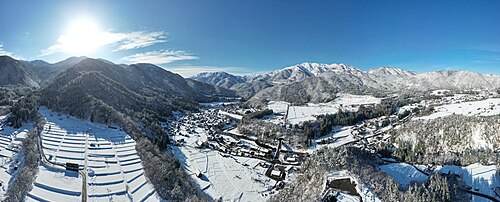
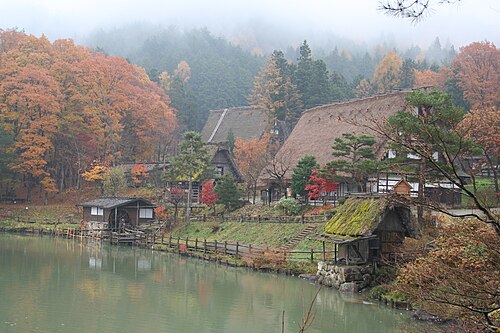
Tokyo and Osaka work as city bases even if there is little snow. Build the snow trip around a region where you can change the outdoor plan without spending another day on trains. Hida and Hokuriku are options for a trip through winter towns; compare terrain and transport with the actual needs of your children. Compare winter regions with JNTO.
Match the activity to the youngest traveller
Ask the provider whether it caters to beginners, the child’s age and the clothing you have. Compare a morning in town with a formal ski day. I’d protect time for warming up, dry gloves and a meal that can be reached without another long transfer. Read the national parks’ seasonal planning guidance.
Keep a low-weather plan
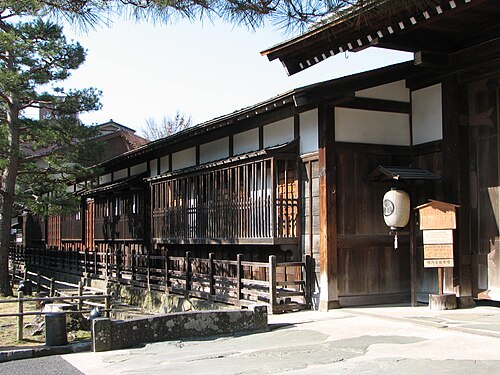
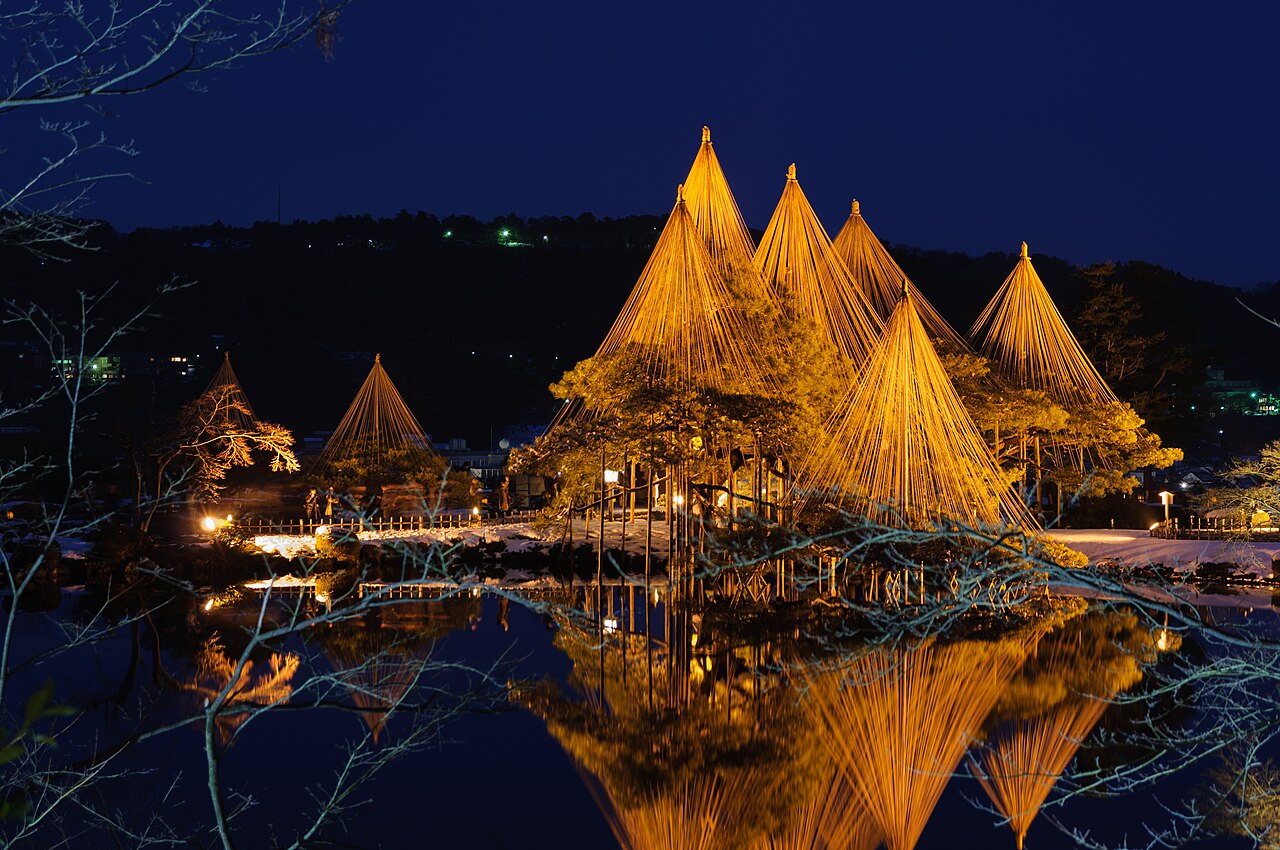
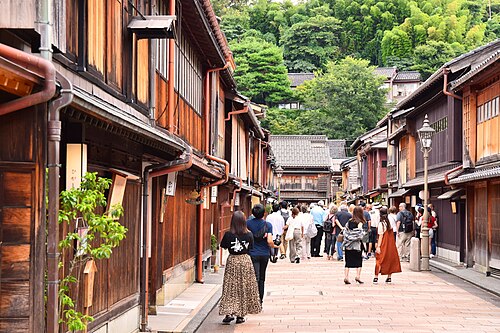
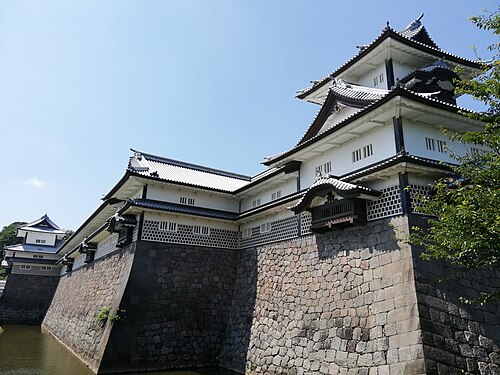
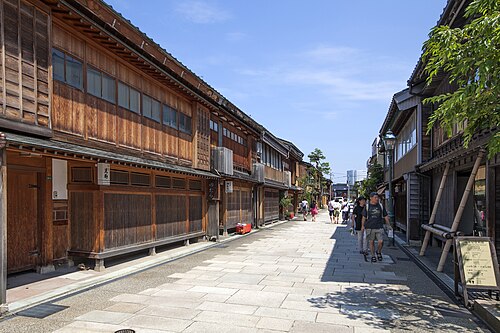
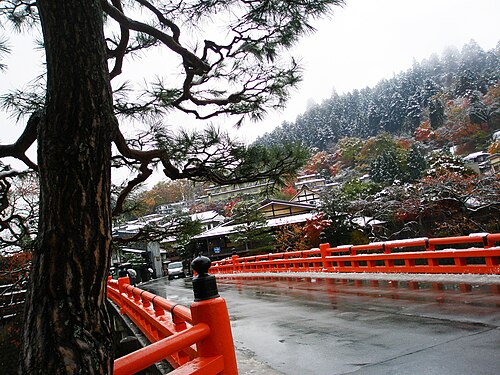
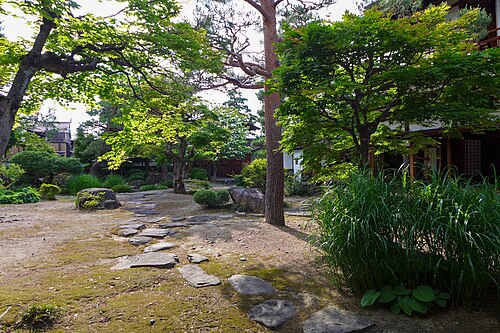
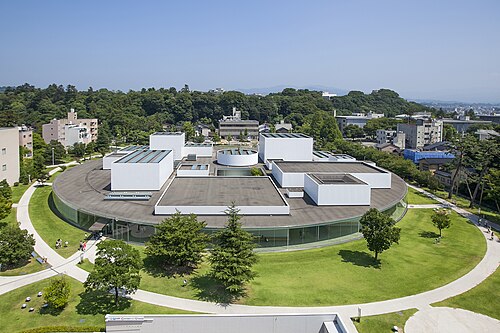
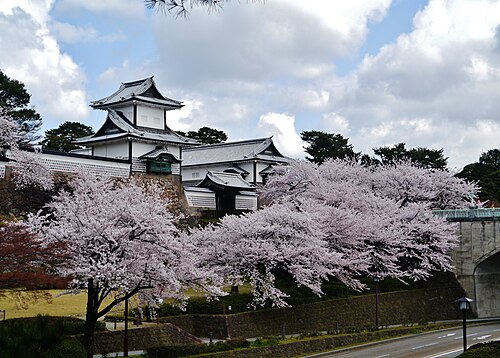
In Takayama I’d keep the old-town walk and a historic building close together. In Kanazawa, choose the market or a museum when the garden paths are difficult. Check the actual travel operator’s notice the evening before a rural bus or rail leg. See JNTO’s Hida and Hokuriku itinerary.
Put the longest connection earlier in the trip
Avoid placing a remote snow outing immediately before the international departure. Sleep within easy reach of the final station or airport on the last night. Keep spare clothes and anything a child needs if bags are delayed. Check JNTO’s winter transfer and luggage planning basics.
Decide whether snow play or skiing is the main reason to travel
Start by asking what a good snow day would look like for the youngest child. A short play session and a warm lunch can be enough for a child seeing snow for the first time. A child who wants a lesson needs a place where you can reserve appropriately, rent the right size of equipment and stay close to a warm area. Choose your base around a provider that meets those needs. Check what else is available if lessons are cancelled.
Pick an urban base if your family is happy with winter walks and an optional outing. Sapporo gives you park and indoor plans from the same hotel. Hida and Hokuriku suit a longer railway trip built around winter towns. Use the Japan winter travel guide and Sapporo one-day guide to compare a city-centered visit with a dedicated snow segment. JNTO guidance on choosing a ski region and planning winter travel.
Price a snow day down to boots and the ride back
Ask the operator which sizes are available for boots and clothing, what a lesson includes, and where the family has to collect equipment. Find out whether a play area or activity requires an appointment or a separate booking. Request the description for your children's ages and experience. Someone visiting just to supervise or sit can have a different access arrangement from the child in a lesson. Work out where that person can wait before paying.
Include a hotel transfer or shuttle, gear, a dry change of clothes and a meal in the comparison. A lower lesson price can still be more expensive for the family if half the day goes into getting there. In a private transfer quote, verify pickup time, luggage space and the seats your children need. Ask how the booking would be changed if the road or venue closes. JNTO’s Hokkaido resort listings with links to operators.
Make the warming break part of the outing
I’d use a short first snow session and choose an indoor meeting spot for a warm drink or snack before putting on wet gloves again. The adults can learn how the children react to cold and glare before booking another full day. Little children may need extra time to change layers and use the toilet once they are out of bulky gear. Give each adult one job, such as carrying dry layers or keeping the tickets.
For grandparents, confirm whether the route from a shuttle to the building includes exposed steps or a long walk. Choose a place where they can sit and join lunch without committing to the whole outdoor session. Give school-age children a second short outdoor slot only if their attention and equipment still make it enjoyable. Keep the last afternoon free to dry clothing and reorganize cases.
Plan two different short outings in winter towns
In Takayama, I’d group a short Sanmachi walk with a nearby indoor visit or lunch. If snow is falling heavily or the walking surfaces look poor, keep the morning to the part of town reachable from your room and confirm any historic site is open before setting out. The Takayama day plan makes it easy to drop a river or market stretch. In Kanazawa, choose Kenrokuen when the paths suit the group. Omicho Market or a museum gives you an indoor alternative.
With Sapporo as the base, use a short stretch of Odori and use the Chi-Ka-Ho underground walkway for part of the return when the wind picks up. Avoid moving hotels just to save one short winter outing. Compare new rooms and transfers with the cost of a single taxi ride or shorter day. Stick with the lodging where every traveler can get warm and reach dinner in reasonable time. JNTO’s Hokuriku and Hida itinerary.
Give the flight a different day from the longest rural transfer
On a snow trip, I’d put the final night's accommodation in the departure city or within reach of the airport with a backup route. Check the notices from the precise rail, road or bus operator you will use before leaving the winter base. You can enjoy an earlier activity when transport is running, but keep that regional connection clear enough to move if weather forces a different schedule. The family train planning guide covers how to allow time at both ends.
If conditions worsen, move the outdoor outing nearer the hotel or switch to the indoor backup during the middle of the trip. Call the provider before travelling to a closed venue. Keep medication, documents, boots and a warm layer in your own bags if you decide to forward the larger cases. National Parks of Japan winter conditions and planning.
Worked example for two children with different snow goals
A seven-year-old wants a first lesson and their four-year-old sibling wants to build something in the snow. Find a base where the lesson provider and a supervised short play option can work on the same morning. One adult goes to the lesson pickup and the other stays close to the warm room. Set lunch as the point when everyone comes together, then choose either one more short outing or time to rest.
Keep the second morning available for a replacement lesson or a short local outing. Use a city or town meal and a low-walking visit if the lesson cannot run. Keep the last travel day for the journey from the snow base back to the city. Parents can compare this outline with a plan built around two different ski areas and see exactly how many bags, rentals and return rides it saves.
Near Echigo-Yuzawa, use Yuzawa Kogen as one place to check for both a snow-play area and a beginner lesson. Its Snowland area lists activities for visitors who are not skiing. Ask the resort separately about lesson ages and language, the snow-play ticket and where to meet for lunch. Verify the operating dates and weather notices before buying rail tickets. Yuzawa Kogen snow-play area and operating information.
Destination photos