
In this guide
Round trip · Start with Tokyo
Stay in one part of Tokyo and give two different areas separate mornings. Use Asakusa and Ueno for the east side and Meiji Jingu or Shibuya for the west. Add Kamakura only if you have a genuinely open day. See official ideas for visiting Tokyo and Kamakura.
Open jaw · Add Kyoto deliberately
If you fly out of Kansai, compare three Tokyo nights and one Kyoto night with the reverse split. I’d choose one Kyoto outing and keep the airport connection simple rather than fitting another city in the last day. Check airport and intercity rail assumptions.
Keep departure day out of the sightseeing plan
Start with the terminal and your check-in time. Keep any final walk within reach of the hotel and only after you know where bags will be held. Read the first-time planning guide.
Count four nights and two edges
Write the arrival airport, landing time and domestic departure terminal first. A five-day itinerary usually has four hotel nights; the first and last calendar days may still be mostly travel. For a family arriving in Tokyo in the evening, make the first decision a simple room-and-dinner one. Start day two in the same part of town and give the group permission to shorten that walk.
On a trip with only three useful sightseeing mornings, pick two that will stick even in poor weather. Keep the third for the best remaining family interest. If you have a stroller, use the first outing to test how long it actually takes your group to reach the station exit. JNTO’s planning tips for short stays.
A Tokyo round trip by the day
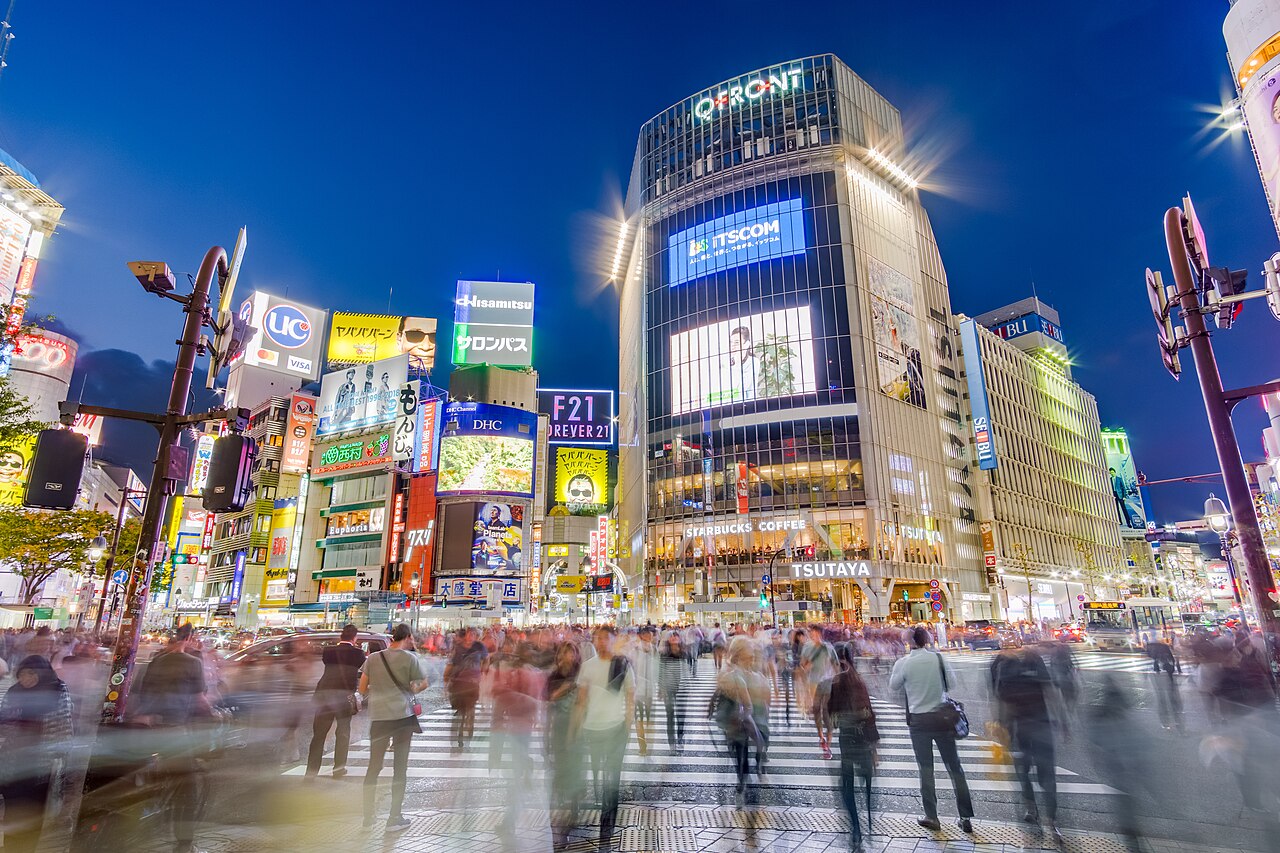
Day one is arrival and an easy meal close to the room. Day two is Asakusa plus a short river walk, or Ueno with time for a museum. Day three is the west side of Tokyo, with Meiji Jingu or Shibuya as the anchor. You can use our Tokyo day plan to match the final approach to your base. With teenagers, let them choose a bounded area and a meeting place for part of day three.
On day four, swap the order of the city plans if the weather has been poor. If the group still wants an outing beyond Tokyo, choose a single district in Kamakura and come back before packing becomes the evening activity. Day five is for the airport. It can include breakfast, a familiar nearby walk and time to recover any stored cases. JNTO’s Golden Route city and day-trip context.
An arrival in Tokyo and departure from Kansai
Use two Tokyo nights and two Kyoto nights if you have enough time on the Kyoto side to make the change worth it. Place the Shinkansen on day three and treat the rest of that day as a short neighborhood outing. On day four, choose the lower Fushimi Inari area or Higashiyama, followed by lunch in the same area. The Kyoto one-day guide explains why those stops work better as distinct walks.
With an early departure from Kansai International Airport, check how the room connects to the airport before buying the intercity ticket. An Osaka or airport-area room may suit some flights; a third hotel within four nights costs time. Start with the flight and compare that last-night option to the transfer from Kyoto. JR West’s Kansai Airport rail information.
Use a guide, car or extra room where it changes the trip
On a five-day trip, a useful guide day takes place before the final sightseeing morning so you can use what you learned about stations, the floor of a department store food hall or how the local queue works. Ask about the meeting point, the walking distance at the first stop and the route back after lunch. Book the vehicle separately in your thinking, since an urban day may work well by train.
A room near the day’s exit can save more time than one extra attraction. Compare Tokyo lodging choices by station exit, evening food and the return after a child’s midday break. Confirm two actual beds or the planned combination of beds and futons. JNTO’s practical visitor guidance.
Mark what can move when a child misses a morning
Write a two-line list on the itinerary: one timed commitment the family is keeping and one local visit that can move. In Tokyo, a delayed morning can turn into lunch, a short walk and the most wanted museum room. On an open-jaw trip, give the intercity train the timed position and leave the Kyoto activity flexible. If a child takes longer to recover from travel, shift the sightseeing rather than change the overnight base. JNTO’s practical tips for Japan trips.