At a glance
Jump to chaptersGive children one thing to look for throughout the trip, such as gates, roof shapes or animals in the decoration. Start with a Seoul palace, explore how Gyeongju presents the past through its tombs and museum objects, and save separate Kyoto mornings for Fushimi Inari and Higashiyama. The itinerary includes a slower morning between longer heritage visits and explains when a Busan overnight makes the next departure easier.
What I’d decide for the Japan leg
I’d leave two mornings in Kyoto for the sights that are hard to combine: Fushimi Inari and Higashiyama. Keep the destinations’ shared history in mind when choosing museums. Check Japan’s first-time visitor information.
Give children a way into the history
Make a heritage day children can follow
Give the first Seoul palace morning a question about gates, roofs or who lived there. Then use Gyeongju to find a tomb, object or story that connects with it. Keep the temple visit apart from a long ride if you want time to stop and look closely.
Put the cross-country flight on its own day. From a Kansai hotel, choose a Kyoto or Nara temple outing on a day with no train to another hotel. Compared with a longer option that also includes Tokyo, spend the extra time on a second visit in the area you already chose.
14 Days from Seoul to Tokyo via Busan and Kansai
Start with a question a child can answer by looking. At Gyeongbokgung, ask which entrance is easiest to see from the courtyard and which seems most important. In Gyeongju, notice which part of the story comes from an object in a museum and which you can see in the landscape around the tombs. In Nara, compare the scale of the temple with the spaces outside that allow people to gather.
If you book a guide, say what you want the children to come away with. One family might ask how the buildings show rank. Another could ask what wood and stone tell them about how a place was made. A short tour around a question gives young travelers more to discuss over lunch than a tour organized around dates and names alone.
Once you reach Kansai, set aside separate time for Kyoto and Nara. Pick one main stop in each, and let the group decide whether to continue after lunch. If weather forces an indoor day in Korea, keep Gyeongju’s museum and move the longer outdoor visit to the drier window.
Itinerary · Starting in Seoul
Days 1–2 · Read Seoul through its gates
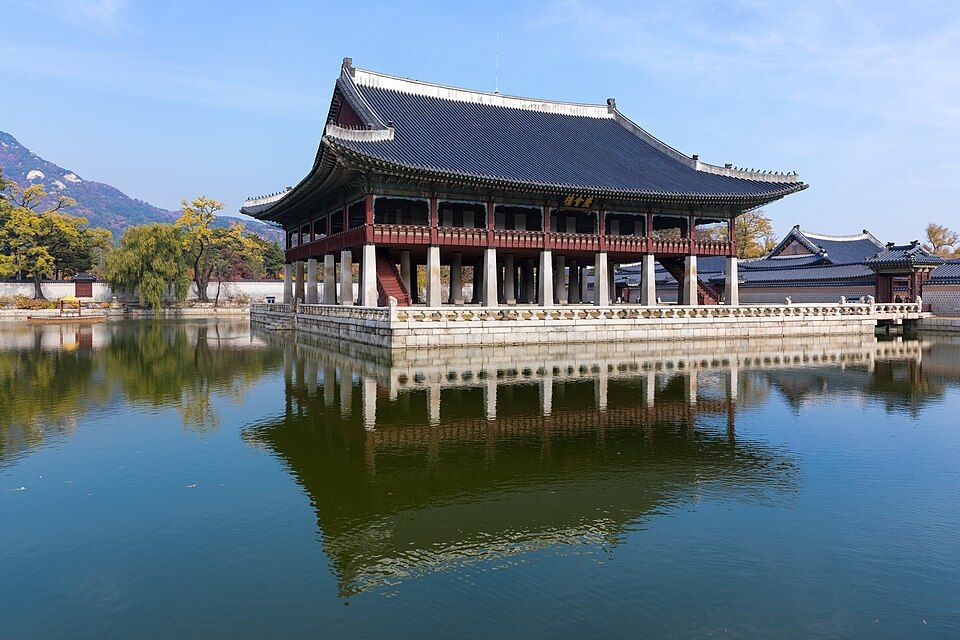
After a simple arrival, use Gyeongbokgung as the first sustained visit. Approach from Gwanghwamun and let the children sketch the sequence they see between the main gate and a courtyard.
Identify a short exit loop and a lunch place before you start. Different ages can share the same ground while looking at different details such as animals, colors or roof edges.
In persistent rain or on a closure day, use Seoul Museum of History and ask what changed as the city grew around the palace.
A local option
Gyeongbokgung and the Gwanghwamun axis give children a clear sense of where the old capital began. Look for the relationship between the ceremonial gate, courtyard and hills beyond.
Days 3–4 · Compare a neighborhood with a monument
Spend part of one morning in a chosen craft or street district and keep the other day available for a museum or park. In an inhabited historic neighborhood use the public walking route and keep voices down.
Ask a guide, if using one, to lead with one story and pause regularly so children can ask questions. Carry a few images on paper that the group can look at without crowding an aisle.
Drop the second historic site if the first creates a sustained conversation. An afternoon of ordinary shopping or play helps distinguish the holiday from a school trip.
A local option
The Seoul Forest area makes more sense as a full neighborhood stop than an add-on to a palace morning. Put the playground or open space before the cafe if a young child has already spent a long time seated.
Days 5–6 · Make the landscape part of Gyeongju
Leave Seoul with enough time to settle before dinner. Visit the tumuli area after a night of sleep and look at how mounds shape the public landscape before choosing a small part of the museum.
Arrange a room with a straightforward approach. Compare a Gyeongju room with a Busan hub by calculating the round trip to the visit, including break times and the return after lunch.
On a wet or very hot day, start indoors and make the outdoor view a short addition. Keep one stop as a repeatable family point of reference.
A local option
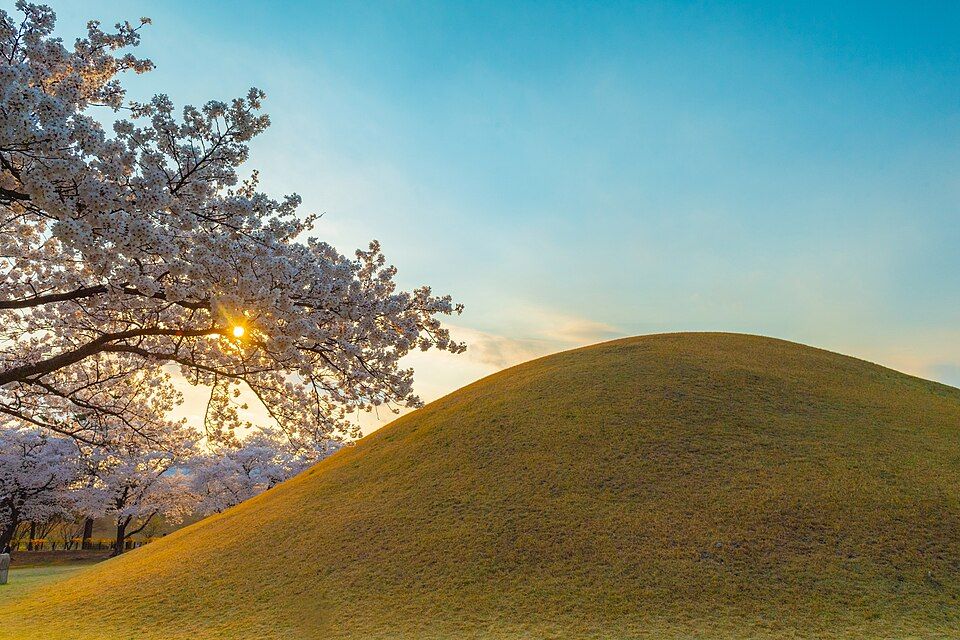
Tumuli in the historic center show burial mounds in a landscape. Seeing their scale outside helps children put subsequent museum objects in context.
Itinerary · Continuing from Busan
Day 7 · Choose a few photos and questions to take to Japan
Use Busan as a convenient overnight if the next departure makes it worthwhile. A meal close to the hotel and views of the working harbor can reset the group after the archaeology.
Set aside a few photos or drawings from Korea and make a short list of details the children want to look for in Japan. Save their ideas as questions rather than assumptions about what they will find.
If visiting Bulguksa before the move, choose the usable route and move straight to the room afterward. Skip the evening harbor walk if it uses the only rest break.
A local option
Haeundae and the older port-side neighborhoods are different bases. Families interested in sand and outdoor play can spend a morning on the coast without committing to a second district after lunch.
Days 8–9 · Move to Kansai and compare scale
Make the first Japan evening a local dinner. Use the next morning for Osaka Castle Park and ask what the walls and moat do that a palace courtyard did not need to do.
Agree on a point where family members who prefer different walking distances can reunite. Reserve the interior for those who actually want it and can manage the approach and timing.
A single indoor site about Osaka’s urban history can answer the same broad question on a wet day. Look up the actual opening information before switching.
Check transfer details
Decide whether the route uses Kansai International Airport or another airport shown on the booking. For a Kyoto or Nara day, check the exact platform and end station before picking an Osaka hotel.
Days 10–11 · Give Kyoto one clear question
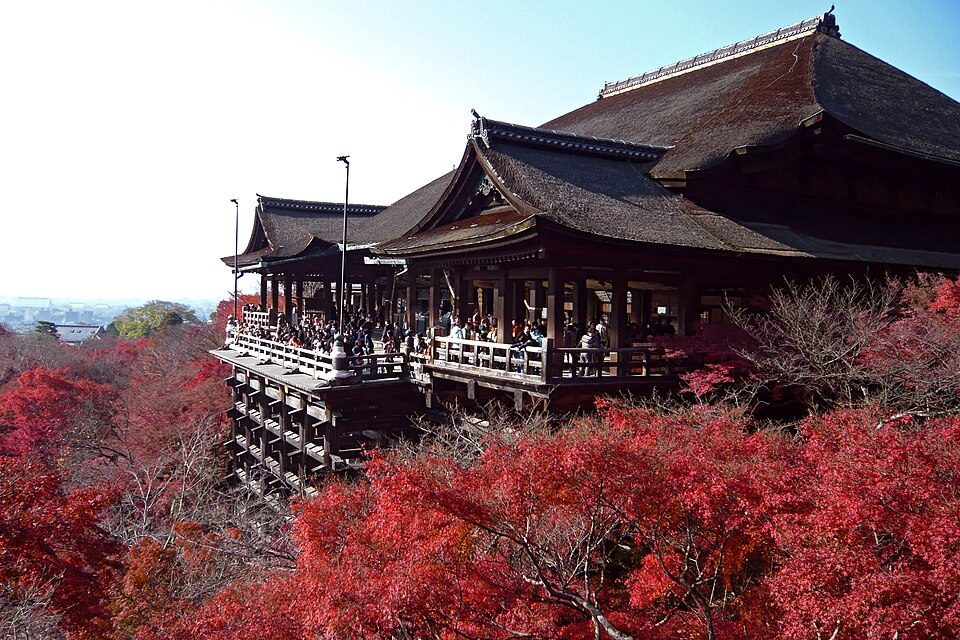
Visit a single temple district and look at the relationship between a public route, the slope and the main hall. Give children a photo option away from the most congested approach.
Use the spare day for a second Kyoto experience or Nara’s large timber buildings. Decide by transit time, pace and interest in architecture rather than treating both as obligatory.
A rail museum or a riverside pause can break up a week of sacred and ceremonial spaces. Put the children’s own comparison over lunch ahead of an evening tour.
A local option
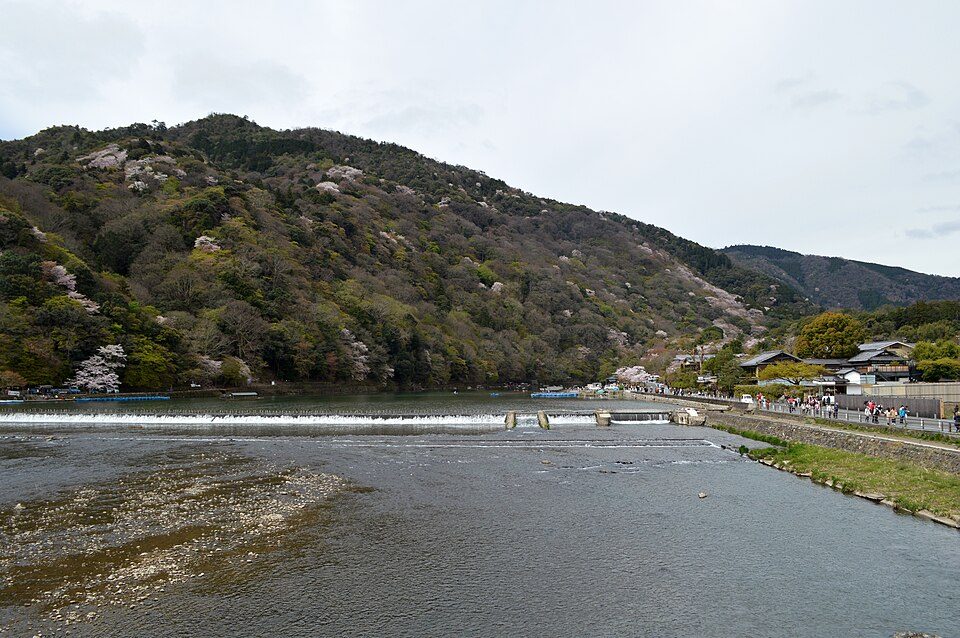
The Kamo River offers a flexible pause when the nearby stretch and weather suit the group. Use public paved approaches and choose a clear return point if another person needs to find you.
Plan one shorter heritage day for the middle of the trip
Keep a low-pressure morning between the longer Korea and Japan heritage outings. In Gyeongju, this might mean spending longer in one museum room and keeping the walk around the tombs for another day. In Kansai, it might mean a shorter temple approach followed by a place where the children can move. Ask the group what they remember from the earlier stops. Pick an outing that lets them notice something new about an idea they already have instead of asking them to learn the whole story in one day.
Let each child choose one thing to compare
Take one question across the countries. An older child may be interested in how people enter a gate or follow a path toward the most important building. A younger child can choose a material, shape or animal to find twice. In Seoul you can make this a game in a single palace courtyard. In Gyeongju, choose a detail from a museum object and see whether it makes the outdoor site easier to understand. In Kansai, try the same observation at a temple or garden and let the children explain what changed.
Skip the activity if it starts to feel like a lesson. The point is to give a child a reason to stop and look at something you would otherwise walk past. Give them time to describe their favorite discovery at lunch and choose one shorter stop to explore later. That keeps the ideas connected even when a site or a long walk drops off the itinerary.
Other ways to plan this trip
Four historic contexts
Best for school-age children interested in design or history.
Choose Seoul’s court, Gyeongju’s landscape, Osaka’s defenses and Kyoto’s temple approach as different examples.
Keep the terminology small and concrete. Use a few pictures to collect what the children already understood through observation.
One guided morning per country
Best for adults want more context and children need shorter visits.
Ask for an introduction and several pauses, with one short activity the children can carry into the next city.
Specify the intended end point in the quote so lunch and return transport do not become an extra chapter.
Two bases and fewer moves
Best for grandparents or young children with less tolerance for change.
Use Seoul and Kansai, and replace Gyeongju with a Seoul museum visit. Put any side visit on a dedicated day.
This changes the history of the itinerary. Preserve the physical geography of each chosen site instead of trying to fit the full earlier story indoors.
What to see and do in each city
Seoul
Stay in Jongno or near City Hall for palaces and museums. If you’re carrying several bags, look for a direct train or airport bus.
Gwanghwamun and Gyeongbokgung
Ask each child to choose a gate, roof shape or courtyard at Gyeongbokgung. You can look for their choice again at a Silla site or in a Kyoto temple. I’d stop after lunch so the first history day leaves everyone curious about the next one.
See the Seoul one-day plan for the palace and nearby stops.
Seoul Museum of History
Wet-weather context for the capital. Urban photographs and city-scale views can help children see the palace district as part of a living city. Choose an idea such as street movement or houses and look for how it changes between periods. Pick the slice with suitable labels for the group.
Confirm opening hours, transport connections and plans for each visit before leaving the hotel. Use a short stroll after lunch if the rain clears. A wet day need not move everybody from one end of Seoul to the other.
Cheonggyecheon above and beside the stream
A flexible outing near the center. Use a nearby street entrance that the family has checked and decide between the lower waterside route and a surface walk. Look at how the stream cuts through traffic and the blocks, and compare it with the larger rivers on the trip.
Check current local weather and instructions for the route. When stairs, water conditions or cold interfere, a short surface walk or nearby museum is an easier backup than pursuing the same waterline farther.
Gyeongju
Stay near the historic center so you can walk back for dinner. Check how long it takes to reach Gyeongju Station and what a ride costs.
Gyeongju National Museum
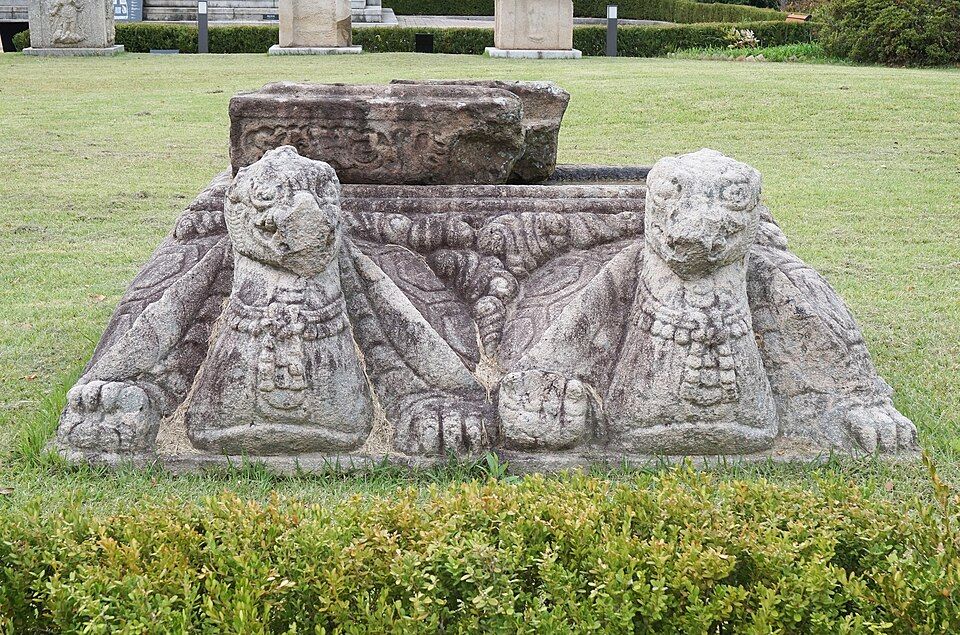
Putting a small number of objects in context. Start with one group of Silla objects and find the one that shows a skill the child can name. Save a brief discussion of what it might have been for. If children are interested, connect the object with the outdoor landscape later.
Check opening and exhibition details, then map the actual trip from the hotel where you’re staying. A nearby pause serves mixed ages better than expecting to fill every available hour at an institution.
Tumuli and the central historic park
Read history on the ground. Ask children to note what changes if you see a mound from far away and then come closer. A short park path can introduce what the museum explains, without requiring anyone to know dates first. Walk on permitted paths and use a shared rest point.
On an exposed day, exchange the order of the landscape and museum. Tell the guide that the objective is one confident comparison before lunch, because each added stretch takes time away from looking.
Busan
Stay near Busan Station for an early train, in Nampo for the harbor and markets, or near Haeundae for beach time.
Nampo and the working harbor
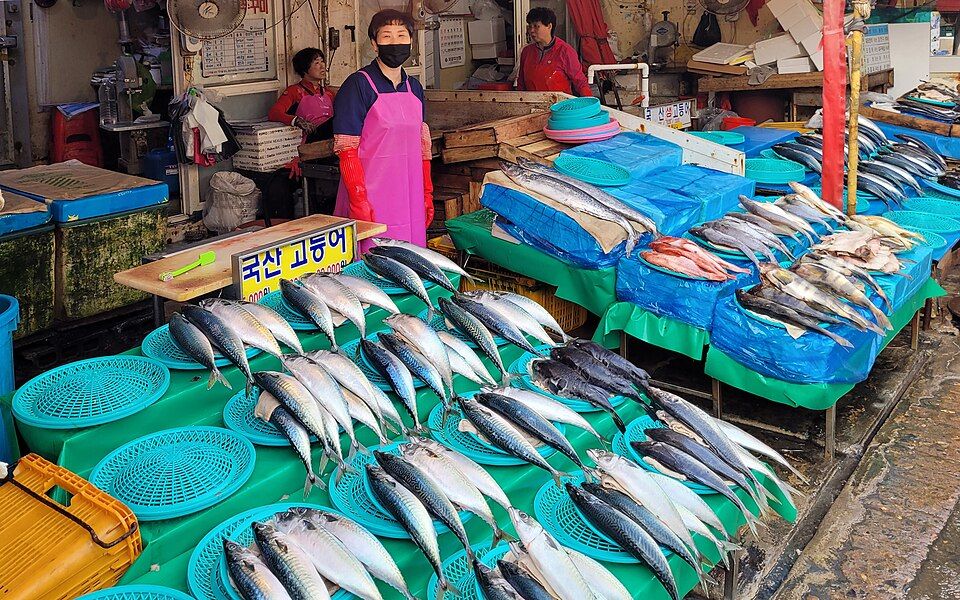
Food, boats and shorter walking choices. Use a short port-side walk to notice the edge between fish trading and public space. The children can identify things people need to move goods safely. An adult can choose a restaurant nearby if the market's aisles or smells are too much.
Spend the morning in one district when the family will leave from the international terminal later in the trip. Saving time near the hotel makes it easier to revisit a favorite view before a meal.
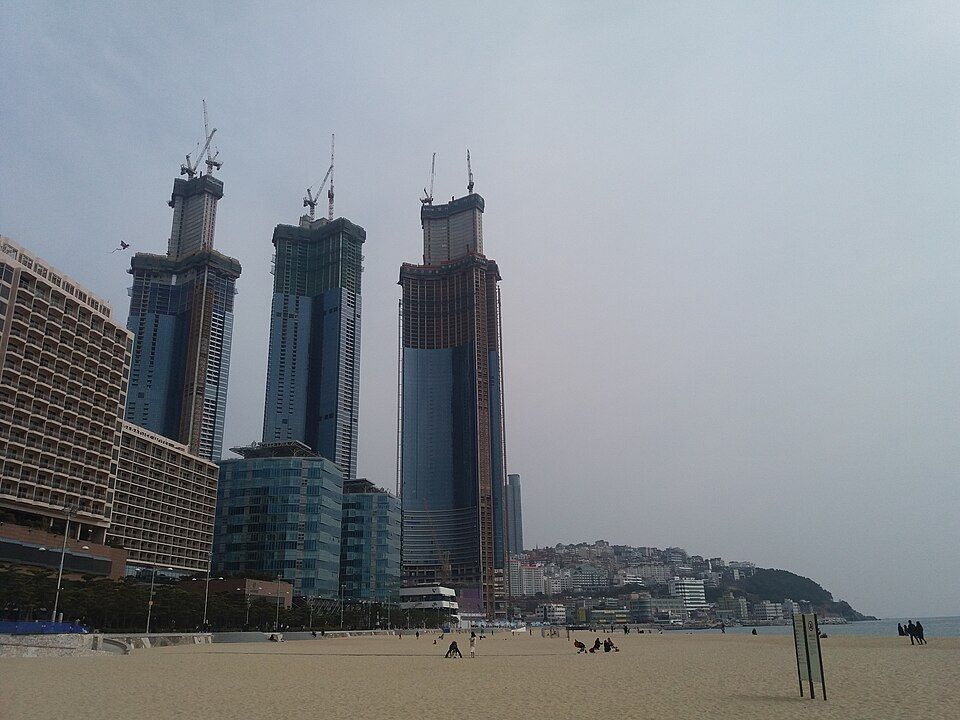
Haeundae and the waterfront
Wind, sand and the hotel decision. A brief open-air stop can be part of a full family outing in the coastal district. Decide how long the group wants to be beside the water and use one agreed point to leave the promenade. Know where to dry off and change layers.
Weather and local safety instructions can change the outing. If the children really want beach time, keep the harbor and a long ride for another morning. Distance across Busan matters once the group is tired.
KTX at Busan Station
A train day that ends well. Find the onward meeting location and note which road side the booked driver uses. A child can handle a simple role such as matching the agreed station name while the adults handle valid tickets and large bags.
A train-to-coast connection can occupy a significant part of the arrival window. Compare the price of the same day trip from a hotel in the old city and from the hotel you’re considering on the coast. If a later city visit disappears, move it rather than making everyone travel hungry.
Osaka
Consider Namba for nearby food and sightseeing. Consider Umeda or Tennoji if the trains from those stations better suit your plans.
Osaka Castle Park
An exterior-first family visit. Approach the castle through a gate or along a moat and compare the first full view with the edge closest to the tower. Kids can observe which features organize or protect a large site. An exterior outing can work when interior queues would consume the morning.
Pick the fastest return that fits the travelers who will walk it. Put a warm or cool break in the same vicinity, and let a second Osaka district be a next-day choice rather than requiring a long return after lunch.
Osaka’s station districts
How to pick a real Kansai starting point. Rail choices involve a surface approach, a building and a concourse as well as a published service. Compare the room-to-platform route for the first rail day with the hotel-to-last-meal walk at night. One pleasant photo block cannot substitute for easy everyday movement.
Write exact station names on the booking sheet. If the hotel booking changed, recalculate both the Kansai departure and the day outings using the new entrance.
Tempozan and Kaiyukan
The harbor half-day. Walk toward the aquarium only after checking the admission conditions and the rest of the morning. Inside, start with the animals that would hold a child’s attention. Use exterior water views for a short finish when weather and pace allow.
Plot the whole route from the Kansai base and choose an easy break before moving again. An outing to the harbor and a day in Kyoto use different transport connections, which is worth considering when choosing where to stay.
Kyoto
Stay near Kyoto Station if you have an early train, or choose a neighborhood close to the sights you’ll visit most.
Higashiyama and the temple slopes
Heritage with a clear turnaround. Set the limit before the climb. Notice the public approach and which details can be seen from the part of the route the entire group will use. Children may find the sequence of gates and storefronts more engaging after a quiet rest.
If stopping partway works for someone, agree how they and the rest of the group reconnect. During a short visit, exchange another hillside site for a level break and look at one local craft or roof detail.
Kyoto Station and the Railway Museum
Interest-led travel without another hotel. A railway visit can follow a real train journey and help a child connect carriage, platform and station choices. Pick one track or engineering question and look up the museum's current exhibits and experience arrangements. Plan the museum and station approaches as separate legs.
Leave a meal near the return point if the group is carrying bags or has a lot of walking that day. A parent and train enthusiast can spend longer while others rest, then rejoin at a pre-agreed location.
The Kamo River corridor
A pause in a crowded schedule. Choose the known crossing and a paved access route first. A compact riverside stop can give children time to draw or eat after an indoor visit, without deciding a second busy neighborhood at lunch.
In poor weather or at high water, use local instructions and retain a surface or indoor route. Check which side the hotel or return ride is on before letting an open-ended walk get too long.
Nara
For a day trip, compare trains from Osaka and Kyoto, including the walk from the station to the park entrance you want to use.
Nara Park and the Todai-ji approach
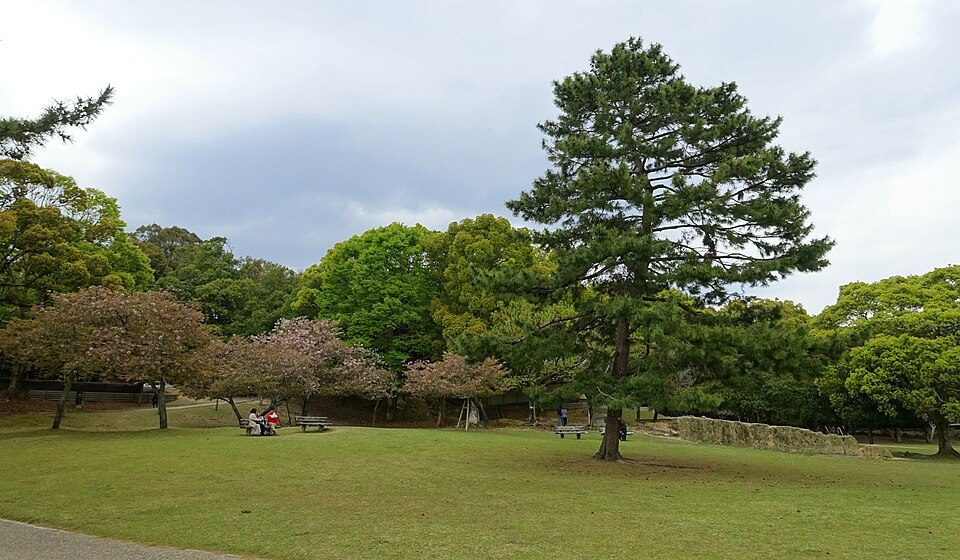
Architecture, open ground and animal boundaries. Give the main visit a clear goal, such as noticing the scale of a timber gate. Treat the area as a real walk from the chosen station. Ask children to avoid crowding or chasing wild deer and follow current posted directions.
Be willing to finish at the architecture rather than attempting all park loops. Check that late lunch, the station and a level rest stop can fit the same route.
Family travel questions
Is Gyeongju worth an overnight?
It is if burial mounds and Silla history are the main reasons for the southeastern stop. Test timing from the exact station and onward port or airport before deciding.
Can children compare sites without a guide?
Yes. Use one observation question at each place and keep a few photographs in order, with credit to the child who found each detail.
How do we avoid long temple days?
Select one approach and a clear turnaround. Keep the second half of the day close to lunch, the hotel or a nearby outdoor setting.
Trip options and where to stay each night
Compare Seoul’s palace gates, Gyeongju’s tombs and the large temple spaces in Nara before adding another historic district.
Late arrival
You’ll get to the hotel around the time your child usually goes to bed.
Before choosing the cheaper fare, work out your last morning in Busan and your first full day in Osaka. Write down when you’ll leave the hotel, how long it will take to reach the station or airport and when you’ll be able to check in at the other end. For a family traveling for architecture and history, the deciding factor may be time at a site long enough to understand what makes it different. If you arrive late, see whether you can move the next morning’s booking before cutting a night.
If dinner and check-in take up the first evening in Seoul, start the following day with the main visit only. Decide whether a later start moves lunch or shortens the visit. If you would rather keep a dated ticket, move the optional outing out of that morning entirely. Keep the original departure for Gyeongju if the hotels and transport still work.
Losing a night
School dates or airfares have changed, and you’ve lost a night somewhere in the middle of the trip. One lost middle night can erase a city’s only full morning. Removing a whole hotel move frees packing, checking out, storage and the later check-in. Make the choice with each traveler’s main reason for traveling in view.
Picture your busiest day in Osaka. Make time for a pause for the children to describe a point they noticed. Compare how the day would feel if you stayed at one hotel instead of packing up and moving again. Before you continue to Kyoto, decide whether a different overnight stop would give you more time at the sights or make it easier to get back for lunch. Check the journey to your actual hotel, including the walk from the station.
Draw the Seoul to Nara trip with one fewer night. Test a version that skips the hotel move from Osaka to Kyoto against a version that keeps both places but drops a morning visit. Count the time you save checking out and getting the next room. Ask which version still gives the children something they want to do in that part of the trip.
Starting at the other end of the trip
The flights work better if you visit the last country first. A convenient departure airport can become an awkward late arrival. Move the long-haul recovery period to the new beginning, and check which of the proposed visits are viable on the reordered weekdays.
On a calendar the whole family can see, mark where you’ll stay in Seoul and Gyeongju. Put a star on one activity a child especially wants to do. Decide how long you’re willing to be out with your bags between check-out and check-in. Leave one part of the next day free in case the journey takes longer than planned. That gives you time to keep the comparison that links the next site to the last one even if you have to move another activity.
Make a second calendar starting in Nara. Move the arrival buffer there before counting the sightseeing days. From that end of the trip, can you still reach Gyeongju at a reasonable hour and get to the Seoul departure without another hotel night? Compare tickets in both directions and check which visits you still get on a suitable day of the week.
Staying at one hotel
You want to see two nearby cities, and one child usually goes back to the room after lunch. Staying at one hotel saves time packing and checking in again. Staying in two places can make it easier to visit first thing in the morning or return for a break. Compare the complete day with each of the two hotels and include the return from lunch in the distance calculation.
Before choosing the cheaper fare, work out your last morning in Seoul and your first full day in Gyeongju. Write down when you’ll leave the hotel, how long it will take to reach the station or airport and when you’ll be able to check in at the other end. For a family traveling for architecture and history, the deciding factor may be time at a site long enough to understand what makes it different. If you arrive late, see whether you can move the next morning’s booking before cutting a night.
Compare sleeping in Seoul and taking a shorter outing in Gyeongju with moving the whole group. Start with the full round trip from the first hotel. For the move, add checkout, bag storage, check-in and the time needed for a meal. The room change makes sense if it buys a morning you can actually use or makes a needed afternoon rest easier.
Returning to the arrival city
Flying in and out of the same airport looks cheaper than flying home from your last city. Add an itinerary segment, transfers, bags, and a room where needed. A return through the first airport may consume the one day everybody believed was available for a final visit.
Picture your busiest day in Gyeongju. Make time for a pause for the children to describe a point they noticed. Compare how the day would feel if you stayed at one hotel instead of packing up and moving again. Before you continue to Busan, decide whether a different overnight stop would give you more time at the sights or make it easier to get back for lunch. Check the journey to your actual hotel, including the walk from the station.
For an itinerary that ends in Nara, look up how you would return to Seoul in time for the flight home. Count the hotel night that might be needed and look at the last place the children wanted to visit. If the return uses that morning, compare the round trip with a ticket home from Nara using the same luggage and seat choices.
Swapping the crossing day
The cheaper flight would make you miss a visit or get to the hotel long after bedtime. A dedicated crossing day is easier to rearrange than two timed visits in different countries. Keep the morning before you leave flexible. After you arrive, plan a meal or a short walk near your hotel.
On a calendar the whole family can see, mark where you’ll stay in Busan and Osaka. Put a star on one activity a child especially wants to do. Decide how long you’re willing to be out with your bags between check-out and check-in. Leave one part of the next day free in case the journey takes longer than planned. That gives you time to keep the comparison that links the next site to the last one even if you have to move another activity.
Look at the day you arrive in Osaka from Busan. Move the first dated visit to a full day there and see whether the rest of the trip still fits through Nara. If you lose the only morning you wanted in that city, search for a different connection or change the number of nights. A low fare is more useful when it leaves the visit intact.
Counting beds before sights
The draft counts your landing day and your flight home as two days you could spend sightseeing.
Before choosing the cheaper fare, work out your last morning in Osaka and your first full day in Kyoto. Write down when you’ll leave the hotel, how long it will take to reach the station or airport and when you’ll be able to check in at the other end. For a family traveling for architecture and history, the deciding factor may be time at a site long enough to understand what makes it different. If you arrive late, see whether you can move the next morning’s booking before cutting a night.
Mark each night in Seoul, then work forward through Gyeongju and eventually to Nara. Put a line through each major travel day before selecting timed visits. Now circle the mornings left in each place and ask which one the children would use for their choice. Compare a hotel change against staying put if the move leaves a destination with no circled morning at all.
Transfers, seats and bags
Check how you reach the Gyeongju tombs from the booked railway station and how you continue to the Korean departure airport.
Vehicle seats and loading space
Everyone fits in the car on paper. You still need room for a stroller, other equipment and the suitcases. Send the count and dimensions of the bags and equipment, as well as restraint requirements. Ask how everything fits with the safety equipment installed and confirm the exact pickup location.
Write down the station or terminal in Osaka, the service you’ll take and where you’re meeting in Kyoto. Ask one adult to keep the tickets and addresses handy while another helps the children find a seat, a snack or a bathroom. If you’re the only adult, save the tickets and the address together so you can get to both quickly. Agree on a place to wait if the service is delayed. If you’re delayed, tell the hotel when you expect to arrive.
For a booked ride in either Osaka or Kyoto, send the provider a count of adults, children, full-size cases, foldable gear and anything that cannot be folded. Ask what fits in the vehicle that would actually turn up. If one larger vehicle is expensive, price two standard rides for the same pickup and agree who will be with the children and who will carry the bags.
Independent reservations
Two separate tickets cost less. If the first one runs late, check who will help you reach the second one. Compare protected and separate reservations using the actual written terms. Map baggage reclaim, check-in, transit rules, terminal changes and meals. One overnight can buy margin if missing that connection is very expensive.
Try carrying the bags you’ll actually take before leaving home. If both hands are full, see who can handle the tickets or keep a child close while boarding. That can change which station entrance or connection you choose in Seoul and how you get onward to Gyeongju. When asking for a pickup or extra assistance, tell the operator what you most need help with. Give them your passenger count and bag sizes and ask where the driver will meet you.
Put the reservation numbers for the journey from Seoul toward Gyeongju side by side. If those tickets are from different companies, read what each offers after a delay and decide how long your group can wait comfortably. Leave more room before a separate Nara booking if there is no convenient later way to reach it. Ask the hotel what to do if you arrive very late.
Reserved rail with big bags
The children will be fine on the train. Getting to the platform with the stroller and finding room for the bags are the harder parts. Measure equipment and bags including handles. Check the exact operator and train guidance, including a seat reservation connected to storage where appropriate. Plan boarding roles and the path from the platform.
If you’re starting in Seoul, compare the cost and time from the hotel door. Check whether the walking route from the station exit you plan to use avoids underpasses and stairs. Short distances through a station or across a large avenue can change the character of a day. Then check where you’ll get off in Gyeongju and how to reach your hotel with children or equipment. Write down which transfers are included in the price and which ones you’ll need to arrange. Keep the rest of the arrival day flexible so you can make time for the comparison that links the next site to the last one after getting settled.
For the rail portion near Seoul or Gyeongju, first write down the service you would book and measure the largest case. Compare keeping it with you, booking suitable storage if available, or sending it ahead. Check who can carry enough for the first night in Gyeongju. If taking the case means an awkward seat or platform change, price delivery and confirm the receiving hotel will accept it.
The station-to-hotel gap
The hotel looks close to the station, but your walk could include an underpass, a long hall or a hunt for an elevator. Mark the precise platform exit and room entrance. Find a second route for lift closures and choose a visible point where the family can rejoin each other when carrying speeds differ.
Write down the station or terminal in Gyeongju, the service you’ll take and where you’re meeting in Busan. Ask one adult to keep the tickets and addresses handy while another helps the children find a seat, a snack or a bathroom. If you’re the only adult, save the tickets and the address together so you can get to both quickly. Agree on a place to wait if the service is delayed. If you’re delayed, tell the hotel when you expect to arrive.
Look at the door of the Busan hotel from the station or terminal you reach from Gyeongju. Mark a suitable exit and consider who will be carrying a case or helping a child. If the last stretch is a lot harder than the main service, choose a different arrival route or book that ride separately. Send the exact hotel address to everyone making the journey.
Child fares and seat rules
The booking page has a child fare. You still need to know where the child can sit and what they need to board. Use actual ages on the day of travel and check each provider separately. Write the seat need, bag allowance and any equipment permission beside the ticket. Check whether someone needs an issued reservation even when no fare is charged.
Try carrying the bags you’ll actually take before leaving home. If both hands are full, see who can handle the tickets or keep a child close while boarding. That can change which station entrance or connection you choose in Busan and how you get onward to Osaka. When asking for a pickup or extra assistance, tell the operator what you most need help with. Give them your passenger count and bag sizes and ask where the driver will meet you.
Price actual seats for your family on the service leaving Busan and on the one into Osaka when relevant. Confirm how the two services handle children of each age, baggage and seating. Keep their answers with the tickets. If you change one booking on the way to Nara, check whether the replacement has different rules and whether you can still sit where you need to.
Assistance across providers
Someone in the family uses a travel aid or needs more time to board. Ask who can help on each leg of the trip. Confirm what's available with each airline, terminal, hotel and local operator. Ask where assistance starts or ends, provide equipment sizes and handling requirements, and model the actual transfer.
If you’re starting in Osaka, compare the cost and time from the hotel door. Decide whether the route uses Kansai International Airport or another airport shown on the booking. For a Kyoto or Nara day, check the exact platform and end station before picking an Osaka hotel. Then check where you’ll get off in Kyoto and how to reach your hotel with children or equipment. Write down which transfers are included in the price and which ones you’ll need to arrange. Keep the rest of the arrival day flexible so you can make time for the comparison that links the next site to the last one after getting settled.
Before requesting assistance, list which parts in Osaka and Kyoto create the difficulty. Examples might be boarding, finding an elevator, using stairs with an aid or loading equipment. Ask exactly where each provider will meet the traveler and when their assistance ends. If there is a gap at the hotel or station, arrange it separately and send everyone the confirmed addresses and contact numbers.
An offline travel folder
The phone with everyone’s tickets is missing or out of battery.
Write down the station or terminal in Seoul, the service you’ll take and where you’re meeting in Gyeongju. Ask one adult to keep the tickets and addresses handy while another helps the children find a seat, a snack or a bathroom. If you’re the only adult, save the tickets and the address together so you can get to both quickly. Agree on a place to wait if the service is delayed. If you’re delayed, tell the hotel when you expect to arrive.
Save the hotel and transfer instructions for Seoul and Gyeongju using the actual names and addresses on the bookings. Put the final onward ticket for Nara in the same folder. Check that one traveler can open it without a connection. If you are splitting the party, make sure the adult arriving separately has the local address, contact number and a meeting point they can recognize.
Rooms, meals and recovery
Use a room near Gyeongju’s historic sights if you want to spend longer there without a second station ride.
Beds and how many people can share a room
The room looks big enough in photos. The listed rate may cover fewer people or require two children to share a bed. Send the ages and number of separate beds you need. Ask for actual bed dimensions, occupancy, cot or extra bed availability and which meals are included. Confirm any other fees with the hotel.
Find your earliest departure from Seoul and ask when the hotel in Gyeongju can take your bags. If you leave before breakfast starts, find out whether you can eat near the station or take something with you. On arrival, decide where the children can sit down if your room isn’t ready. Once the travel day works, make sure the hotels also leave time for the comparison that links the next site to the last one on ordinary sightseeing days.
When looking at hotels in Seoul and Gyeongju, send the two properties the same list of travelers, ages and bed needs. Ask about the room you would book and the beds already included. Compare the family price with a second room if cots or extra beds would take up most of the space. Include which child would share and whether the adults can reach both rooms easily.
What you can comfortably walk to from your hotel
A cheap room looks close to everything, but the same awkward crossing will be part of every outing.
Think about what you’ll want to walk to from the hotel in Seoul. Stay in Jongno or near City Hall for palaces and museums. If you’re carrying several bags, look for a direct train or airport bus. Ask the hotel about your room type, bedding and where it can keep your bags if you arrive before check-in. Send the same questions to the hotel in Gyeongju. Use the replies to see which one makes everyday things easier, such as getting to breakfast, bringing a stroller upstairs or coming back for a nap.
From the Seoul room on your shortlist, map a walk to a meal and back without passing the sight that drew you to the area. Do the same for the Gyeongju room. Think about the shortest route on a tired evening. If the hotel looks handy only because it is near a major station, check how far the useful exit is from the entrance you will use.
A dependable midday break
A preschooler still needs a nap, even when lunch and the first outing run later than usual. If the child sleeps best in the room, stay within an easy walk of the hotel that morning. If your child naps in a stroller or carrier, choose a walk with surfaces and crowds you can manage while they sleep. Choose which adult can accompany an older sibling independently.
Look at how you’ll get back to your hotel in Gyeongju after the longest walk of the trip. Find two nearby places to eat in case your first choice is full. Check what the same afternoon would look like in Busan. For a family traveling for architecture and history, you may want to pay particular attention to a visible architectural question with the time to answer it. Check the walk from the hotel entrance. A short distance on the map can involve busy crossings or stairs.
Choose one morning activity close enough to the Gyeongju hotel that the adult taking a child back for a nap could leave midway. In Busan, give yourself an equally easy return before choosing another timed ticket. If one room makes that difficult, look for an earlier lunch and a nearby place to rest or choose a different hotel for that stretch.
A laundry night that lightens other days
You could pack a smaller bag if you know which hotel can get a load of clothes washed and dried. Verify laundry type, hours and turnaround. A shared machine may require waiting, while an outside wash needs a confirmed return. Pick one long stay and a backup morning for the job.
Find your earliest departure from Busan and ask when the hotel in Osaka can take your bags. If you leave before breakfast starts, find out whether you can eat near the station or take something with you. On arrival, decide where the children can sit down if your room isn’t ready. Once the travel day works, make sure the hotels also leave time for the comparison that links the next site to the last one on ordinary sightseeing days.
Check whether your planned room in Busan or Osaka has access to laundry when you expect to be in. Plan it on a night when you have already checked in and the next departure is later. That is more useful than counting on an early checkout day. Keep one change of clothes in the bags you will carry to Nara in case the laundry takes longer.
A predictable meal alongside food discovery
The adults want to eat at the market. One child needs a familiar meal and has usually had enough by lunchtime. Set aside time to try new dishes and plan separately for a familiar meal. Find a reliable place to eat in each busy area. Check transport rules and border rules before packing food. Ask providers directly which ingredients they can verify.
Think about what you’ll want to walk to from the hotel in Osaka. Consider Namba for nearby food and sightseeing. Consider Umeda or Tennoji if the trains from those stations better suit your plans. Ask the hotel about your room type, bedding and where it can keep your bags if you arrive before check-in. Send the same questions to the hotel in Kyoto. Use the replies to see which one makes everyday things easier, such as getting to breakfast, bringing a stroller upstairs or coming back for a nap.
Pick one dependable meal near where you will finish your first outing in Osaka. Then see whether you can do the same near the room in Kyoto, even if the main activity runs late. Save the more adventurous meal for a day when you are already nearby and can sit down. Tell children where the familiar choice is so they know how the day can end.
Two rooms with a working evening routine
You’ve found two rooms with enough beds. Now check whether they’ll actually have a connecting door. Ask what is guaranteed about doors, floors and current bed layouts. Work out who sleeps where, how the family will meet for breakfast and whether someone needs assistance moving between rooms.
Look at how you’ll get back to your hotel in Seoul after the longest walk of the trip. Find two nearby places to eat in case your first choice is full. Check what the same afternoon would look like in Gyeongju. For a family traveling for architecture and history, you may want to pay particular attention to a visible architectural question with the time to answer it. Check the walk from the hotel entrance. A short distance on the map can involve busy crossings or stairs.
If staying in two rooms in Seoul or Gyeongju, decide which adult would go to each room at bedtime and where everyone will meet for breakfast. Ask the hotel which room types are actually near one another. Compare the written rate with a family room or apartment and check what happens if you need to move the booking. Settle the split before paying for the second city.
Getting from the drop-off point to an accessible room
The room description says accessible. Ask about the route in, the shower and the space to turn or move around. Confirm door and lift measurements, bathroom thresholds, shower configuration, bed access and enough space outside to get out of the vehicle and unload any mobility equipment. Review the actual room plan with the person who will use it.
Compare the Seoul and Gyeongju hotels from drop-off to room, then from room to breakfast and the street. Ask for details on the parts that matter to the traveler, such as a step at the door, lift access or bathroom layout. Confirm the room offered in writing. If a busy station or a long avenue makes the regular return difficult, price a short pickup for that day.
Breakfast before an early train or flight
You’ll need to leave before the hotel starts serving breakfast. Check checkout and pickup time, and choose food that works in the little time available. Even a breakfast-inclusive room may be about convenience on the slow days rather than this one.
Think about what you’ll want to walk to from the hotel in Gyeongju. Stay near the historic center so you can walk back for dinner. Check how long it takes to reach Gyeongju Station and what a ride costs. Ask the hotel about your room type, bedding and where it can keep your bags if you arrive before check-in. Send the same questions to the hotel in Busan. Use the replies to see which one makes everyday things easier, such as getting to breakfast, bringing a stroller upstairs or coming back for a nap.
For an early departure from Gyeongju, check whether the hotel breakfast is available before you need to leave. Decide what children can eat before boarding or at the terminal. Do the same for any early start from Busan. If you are comparing hotel rates with breakfast included, consider whether you can use it on the days you are paying for.
Outings, weather and family interests
Give a child one object or building detail to compare when visiting the next historic place.
Give one visit enough time
The children each want to see something different, and the family has more stops on the list than it can enjoy in one morning.
Give the family time to look around in Seoul. Visit one place for longer when interest appears. On a palace day, ask each child to pick a detail they would use on their own gate, then compare choices over lunch. Decide what you’d like to remember or compare when you reach Gyeongju. You can build the day around the comparison that links the next site to the last one and leave the rest open. If the children are still interested after lunch, stay in the area a little longer. If they’re tired, you’ll have a shorter way back.
In Seoul, write down the one visit you would keep if you had to leave at lunchtime. In Gyeongju, ask a different family member to choose. Agree on where the people who want more time can rejoin the others. If the first visit grows, keep the second outing close enough to do without another booking, or move it to the next morning with an open slot.
An indoor plan in the same district
Rain could close the main outing. Your only indoor idea is at the other end of the city. Compare which interest the replacement serves and the actual approach in rain. Check ticketing and opening information. A nearby shorter alternative may cost less travel and allow the family to preserve the next day.
Imagine that the morning in Gyeongju goes well and the children want another hour there. Pick a nearby lunch place and check how to get back to the hotel from there. Give everyone a chance to say what they want more time for. You can use a picture or a question from the visit as a starting point in Busan. If you need more time today, start by skipping the second full monument visit.
Find an indoor visit convenient to the part of Gyeongju where you are staying and check how you would reach it in rain. Repeat the comparison for Busan, but choose a different kind of outing if one museum already covers the children’s interest. If the forecast changes at breakfast, make the change while you still have a return route everyone can use without a rush.
Shorter walks in hot weather
The family wants to do a long walk on a day when much of the path will be in the sun. Check current conditions, choose a short first loop and identify water, seating and somewhere cooler. Give the children an interesting goal near the entrance before deciding whether to continue.
Plan two ways to finish your morning in Busan. The shorter version leaves time for a pause for the children to describe a point they noticed. Save the longer version for a day when everyone still wants to keep going after lunch. It’s fine to finish with the main visit if the weather changes or someone needs a rest. Use what worked to choose where to start in Osaka, especially if the first morning there follows a long journey.
Put the more exposed Busan stop in the part of the day that suits your family, and plan a short ride or a sheltered meal afterward. Compare Osaka against the same comfort test. Check how far the return is if part of the group wants to leave before lunch. Swap the order when current conditions make the first choice uncomfortable rather than trying to cover both outings.
A daylight walk and somewhere warm to stop
The best part of the day is outdoors. How long will everyone want to stay before they need a warm break? Use an outdoor section with a meaningful finish and plan a warm destination at its end. Build breaks into lines and walking. Check local weather and site access before leaving.
Give the family time to look around in Osaka. Compare the city’s waterside paths with Seoul’s stream or a Shanghai promenade. A sketch or a photo can capture how the path, bridges and boats fit together. Decide what you’d like to remember or compare when you reach Kyoto. You can build the day around the comparison that links the next site to the last one and leave the rest open. If the children are still interested after lunch, stay in the area a little longer. If they’re tired, you’ll have a shorter way back.
Choose a short outside section in Osaka that can end at a warm place the family would use anyway. In Kyoto, estimate how much of the walk will be before or after daylight. If the children are cold before the main sight, go to the closest useful indoor stop and decide whether to return later. Keep the original onward ride and meal arrangements when those still make sense.
A quieter path through a busy district
Someone in the family does better with less noise and a little more room. Pick a way into the market or station that suits them. Give the child an agreed place to pause. Use an adult to check an approach before moving the whole party. Define what will trigger a switch and where an adult can go with a child.
Imagine that the morning in Seoul goes well and the children want another hour there. Pick a nearby lunch place and check how to get back to the hotel from there. Give everyone a chance to say what they want more time for. You can use a picture or a question from the visit as a starting point in Gyeongju. If you need more time today, start by skipping the second full monument visit.
Pick the part of the Seoul visit the family most wants to see and find where you could step away from crowds without ending the outing. In Gyeongju, write down the easiest spot to meet after a shorter version. Avoid a switch that leaves the group navigating a second busy district for lunch. If one child is ready to keep going, make that an optional extra with a clear return.
A visible question for a heritage visit
You have a long explanation planned while the children are standing in a line or sitting outside a gate. Start with a physical detail and a short question about what everyone can see. Let younger visitors point to a shape and older children compare its use with the shape at another stop.
Plan two ways to finish your morning in Seoul. The shorter version leaves time for a pause for the children to describe a point they noticed. Save the longer version for a day when everyone still wants to keep going after lunch. It’s fine to finish with the main visit if the weather changes or someone needs a rest. Use what worked to choose where to start in Gyeongju, especially if the first morning there follows a long journey.
Choose one thing the children can actually see in Seoul, such as a gate shape, a building material or how a group would enter. In Gyeongju, look for a place that lets them test a second example. Give them time to say what is different. If the next visit depends on another long transfer, keep a photograph or drawing as the comparison and end after the main site.
Let teens explore on their own for a short time
Your teenager wants to choose what to do in the afternoon. Agree when and where you’ll all meet afterward. Agree on an age-appropriate area, cost, checkpoint and return time. Save an alternative independent route and identify how to contact assistance or an adult without the primary phone.
Give the family time to look around in Gyeongju. Make a timeline of three things the family sees rather than trying to remember every ruler. Give each child a chance to choose a museum object to place alongside the mound and temple. Decide what you’d like to remember or compare when you reach Busan. You can build the day around the comparison that links the next site to the last one and leave the rest open. If the children are still interested after lunch, stay in the area a little longer. If they’re tired, you’ll have a shorter way back.
Pick a manageable area in Gyeongju for a teenager who wants to choose music, food, design or shops. Agree how much time they have and where they can find you. Use what worked there to pick the meeting location in Busan. Before going separate ways, have everyone point to the same entrance and agree what to do if someone leaves earlier or their phone loses service.
A favorite place for the last outing
It’s the final afternoon, the bags still need packing, and everyone wants one more stop. Pick a familiar short return to a place the family already values. Use the time at the place to answer the question left open during the first visit or share a favorite meal.
Imagine that the morning in Busan goes well and the children want another hour there. Pick a nearby lunch place and check how to get back to the hotel from there. Give everyone a chance to say what they want more time for. You can use a picture or a question from the visit as a starting point in Osaka. If you need more time today, start by skipping the second full monument visit.
Notice which outing the family asked to do again in Busan or Osaka. In Nara, choose a short activity with the same appeal and leave room to finish early. A second visit to a favorite breakfast place, museum area or public walk can make a good ending. Confirm when you need to collect your bags before promising a final activity farther from the last hotel.
Booking decisions and when plans change
Put the guided visits on separate mornings so children have time between longer explanations.
Where a private guide is worth asking for
The tour says private. Ask who will be with you at the sight and what you can change if you want to stay longer. Specify the main question, how much interpretation children can absorb, where to start and finish and when to stop for rest. Clarify vehicle, admissions, waiting and any added-language services.
Write down the cost, the last date you can make changes and whom to contact about the booking in Gyeongju. Ask how much it costs to change plans now and on the day of travel. Decide who will tell the operator if you need to skip the second full monument visit and go to Busan as planned. Keep the reply where both adults can find it. Keep the operator’s number on paper, too.
Choose which day in Gyeongju or Busan would change most with a guide. Send one main place, your ideal start and finish, and questions you would like answered. If the biggest issue is reaching the site or keeping bags out of the way, compare a driver with a guided visit. Ask for a quote covering the hours and any admission or pickup that the plan actually needs.
Can a small group match the family's pace?
The shared tour costs less. Check whether its meeting time and the longest outing suit the youngest traveler. Confirm ages, group size, pace, luggage, pickups, seats and rest. Ask directly what happens if a child needs to leave the first visit early or the adults want to rejoin farther along.
Tell the operator the exact place you want to visit or leave from in Busan. Explain what matters most. For a family traveling for architecture and history, that can be time at a site long enough to understand what makes it different. If the suggested schedule is too fast, ask which stop you can leave out. Confirm what you’ll still get to see, when the service ends and whether you’ll have time to reach your booking in Osaka. Ask for those details in writing so you can compare the answers later.
Ask how a scheduled group visit in Busan or Osaka starts, finishes, and handles someone who wants a shorter walk. Check age rules and where the guide would be if part of the family needs a break. If one morning is hard to match, consider booking that outing for your group and using a shared option on the day when your pace fits the published plan.
Compare whole-family prices
The lower price may cover one room or an adult fare. Write down what the entire family needs before comparing. Total real beds, fares, bags, seating, needed ground transport, ticketed highlights and meals. Create separate versions for comfort and flexibility. Use dated original currencies and the same nights when comparing.
When asking for a quote for Osaka, say when you want to start, how much time you’d like at the sight and where you need the tour to finish. Mention any beds, steps, seats or bags the operator needs to plan for. Ask which services you’ll have to pay for separately before you leave for Kyoto. If the proposed plan leaves too little time for the comparison that links the next site to the last one, ask if a shorter tour or a separate pickup would solve the problem.
Make one cost sheet for the rooms in Osaka and Kyoto, the travel days and the last hotel in Nara. Add meals, admission, luggage and the transfers used by all the travelers. Compare the same activities in two proposals. If one price is lower because you must pay the driver or guides locally, add those amounts or ask for a revised written quote before choosing.
Payment works differently from city to city
Your usual card or mobile wallet may fail at a ticket machine or restaurant. Check the visitor payment guidance and exact provider. Bring another payment method within applicable rules, test what you can, and let another adult access funds for immediate transport and food.
Write down the cost, the last date you can make changes and whom to contact about the booking in Seoul. Ask how much it costs to change plans now and on the day of travel. Decide who will tell the operator if you need to skip the second full monument visit and go to Gyeongju as planned. Keep the reply where both adults can find it. Keep the operator’s number on paper, too.
Check how the Seoul hotel and the Gyeongju transport operator accept payment. Ask what to do when an international card or mobile payment does not work and what must be paid before arrival. Give another adult a way to access the confirmation. Look for a compatible way to buy a basic meal or take a pickup before depending on a single payment method for the first evening.
Check entry for every traveler
Family members travel on different passports, or the trip has several international stops. Use each relevant government or consular source for entry and transit. Check every passport and any required paperwork for children accompanying one adult or other relatives. Ask the actual carrier about boarding documents.
Tell the operator the exact place you want to visit or leave from in Seoul. Explain what matters most. For a family traveling for architecture and history, that can be time at a site long enough to understand what makes it different. If the suggested schedule is too fast, ask which stop you can leave out. Confirm what you’ll still get to see, when the service ends and whether you’ll have time to reach your booking in Gyeongju. Ask for those details in writing so you can compare the answers later.
Read the entry and transit information for each passport using the countries and airports on the journey from Seoul through Gyeongju to Nara. Check the destinations and any connection that your fare adds. Put any documents you need where the people responsible can reach them. If you reorder the itinerary or change an airport, check the rules for the new connection before paying for the change.
An attraction only has one time slot that works for your family
The only ticket time left clashes with your train, your child’s nap or a booking you’ve already made. Compare the exact arrival requirements and time needed inside. Do not depend on a crossing or uncertain baggage delivery immediately before an essential visit.
When asking for a quote for Gyeongju, say when you want to start, how much time you’d like at the sight and where you need the tour to finish. Mention any beds, steps, seats or bags the operator needs to plan for. Ask which services you’ll have to pay for separately before you leave for Busan. If the proposed plan leaves too little time for the comparison that links the next site to the last one, ask if a shorter tour or a separate pickup would solve the problem.
Look at the dated visit in Gyeongju or Busan next to the preceding hotel night. Check the time it takes to reach the entrance and get everyone inside. If the only available time requires a difficult transfer or cuts into lunch, see whether the visit can swap dates with a flexible morning. A smaller alternative in the same area can save the rest of that day.
When you miss a train or a flight is canceled
One adult is trying to rebook a canceled flight. The children need somewhere to sit and something to eat. Choose one person for calls and one for care. Put the group in a reachable waiting space, secure food and a usable bathroom and determine whether later services need separate action.
Write down the cost, the last date you can make changes and whom to contact about the booking in Busan. Ask how much it costs to change plans now and on the day of travel. Decide who will tell the operator if you need to skip the second full monument visit and go to Osaka as planned. Keep the reply where both adults can find it. Keep the operator’s number on paper, too.
If travel from Busan to Osaka changes, work through the bookings in order. Contact the next hotel and any pickup first, then check what happens to dated visits and travel toward Nara. Find a place where everyone can wait and eat before deciding whether to move that night. Tell the family which part can still go ahead and which you will decide once the next ride is confirmed.
What to reserve in what order
You want to buy attraction tickets, but you’re still choosing a hotel or deciding how to travel between countries.
Tell the operator the exact place you want to visit or leave from in Osaka. Explain what matters most. For a family traveling for architecture and history, that can be time at a site long enough to understand what makes it different. If the suggested schedule is too fast, ask which stop you can leave out. Confirm what you’ll still get to see, when the service ends and whether you’ll have time to reach your booking in Kyoto. Ask for those details in writing so you can compare the answers later.
Put the flight into Seoul and the flight home from Nara on the calendar before buying a dated outing. Check whether the Osaka to Kyoto connection and rooms are available on those dates. Then choose the single visit whose loss would most affect the trip. Compare the change terms for its ticket with the link that gets you there before confirming both.
The disruption a policy actually covers
Someone is counting on insurance to cover a missed connection. Check what the policy says about separate tickets. Check the actual written terms against the traveler, countries, dates and separate reservations. Ask the issuer about the exact scenario that could cause a loss.
When asking for a quote for Seoul, say when you want to start, how much time you’d like at the sight and where you need the tour to finish. Mention any beds, steps, seats or bags the operator needs to plan for. Ask which services you’ll have to pay for separately before you leave for Gyeongju. If the proposed plan leaves too little time for the comparison that links the next site to the last one, ask if a shorter tour or a separate pickup would solve the problem.
Compare the terms for changing a room in Gyeongju, a transfer out of Seoul and the final transport in Nara. Ask which contact can actually make a change and what it costs. Save the written policy and share it with the adult who would contact the provider. When comparing two fares or quotes, include how your family would handle the cost if the most difficult connection moves.
Destination photos