In this guide
Compare areas
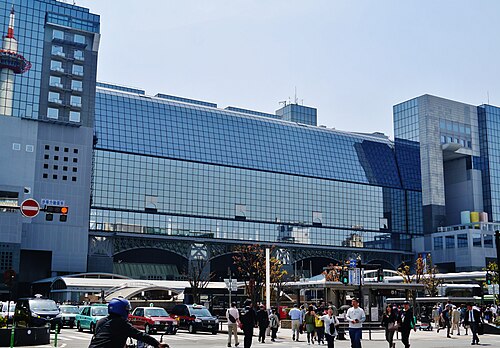
Kyoto Station
- Best for
- Families commuting to Nara, Fushimi Inari or the Shinkansen.
- Check before booking
- Decide which side of the station you need. The hotel can be close on a map and still require a long inside walk.
Shijo, Karasuma or Kawaramachi
- Best for
- Several nights with flexible dinner choices and downtown walks.
- Check before booking
- Hankyu, subway and Keihan stations serve different legs. Confirm the line before assuming they are interchangeable.
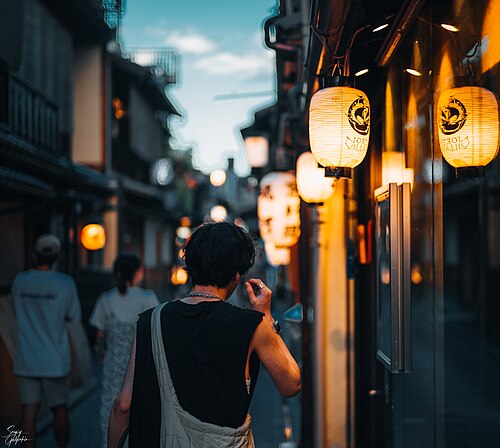
Higashiyama or Gion
- Best for
- An early temple morning and time in the historic lanes.
- Check before booking
- Look for hills, stairs and vehicle access, particularly when booking with luggage or a stroller.
Arashiyama
- Best for
- A quieter river or garden stay as an end to a longer itinerary.
- Check before booking
- Kansai airport and eastern Kyoto plans require a longer connection.
Stay at Kyoto Station if your best days leave the city
For two Nara or Osaka rail days and an early onward train, I’d prioritize the station. Choose a hotel on the side you actually use and walk the indoor route on a map before promising an easy start. On arrival, choose a dinner address close to the room so the first evening doesn’t need another transit leg.
The station area is practical for a toddler who naps in the room between day trips. It works less well if everybody wants to take a late stroll around Gion every night. Plan one east Kyoto evening as an outing if you keep the rail base. Kyoto City’s transport guidance.
Use downtown for dinners and a simpler split day
Shijo and Karasuma make sense when you want food options nearby and a subway connection. Kawaramachi gives easier access to shopping streets and the river; depending on where you book, you may need to cross a bridge or walk to the Keihan entrance for Fushimi Inari. Ask for the station name and an exit in the booking message.
This is the base I’d pick for a family that splits up after lunch. Grandparents can return to the hotel and teens can have independent time near a known meeting point. Try the return route once as a group before splitting. Kyoto City’s transport guidance.
Read historic-district room listings carefully
A townhouse or ryokan may have stairs between rooms, futons rather than raised beds, or no vehicle access at the door. Ask which floor has the bathroom, whether bedrooms close separately and where a taxi can stop. A compact townhouse can work well if you have independent sleepers and the booking lets everyone use a bed they can reach.
For toddlers, look for a room you can darken at midday and enough floor space for bags and a cot. For grandparents, check bath access and the length of the first hill or lane. I’d keep the hotel if the location serves both groups’ morning routine. Kyoto’s congestion forecast and live cameras.
Use one base to get three different Kyoto days
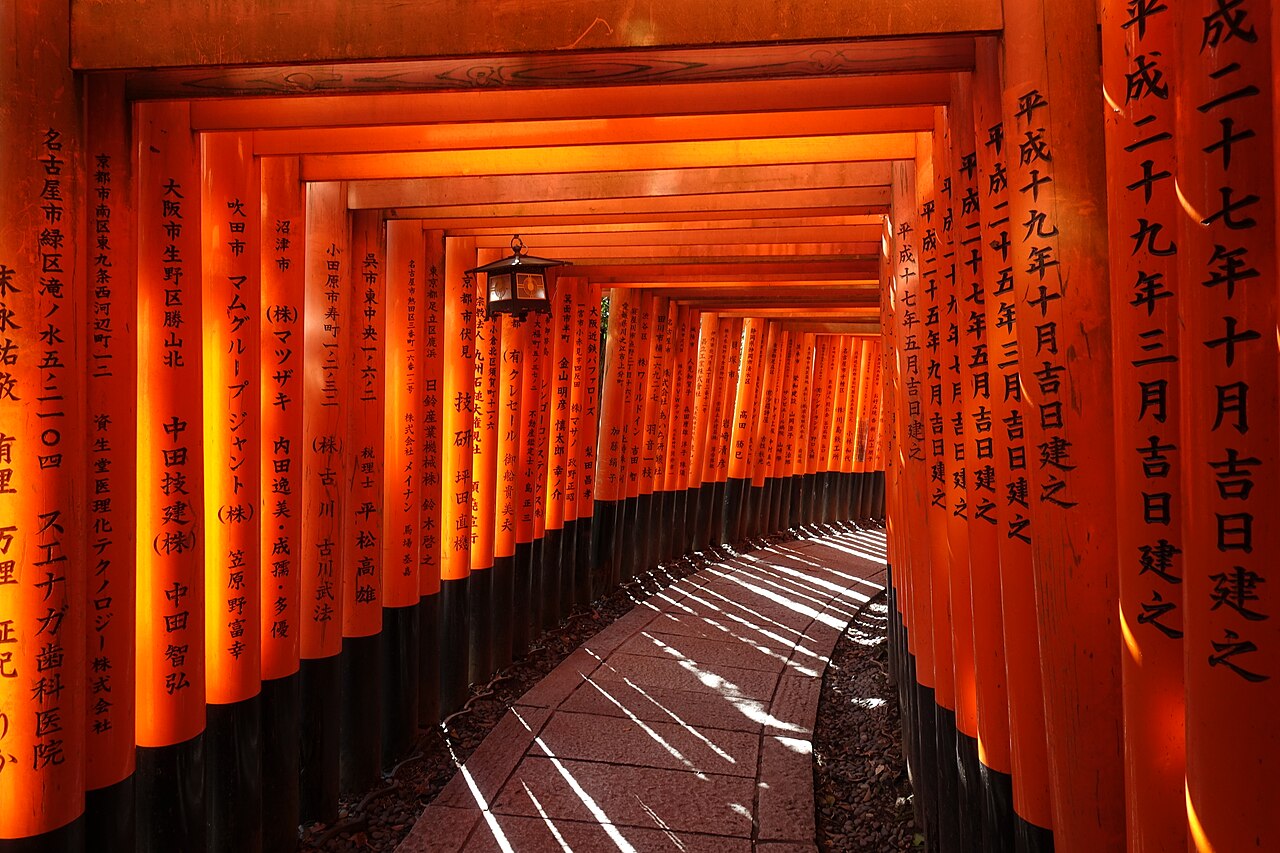
Three or four nights can cover Fushimi Inari, one eastern district and an Arashiyama or Nara day without a change of rooms. Give any one-night stay a single goal. If your itinerary also includes Osaka, compare an Osaka day trip with moving overnight before you pay for another check-in.
Check the planned return from western Kyoto, especially after dinner. Confirm the operator and station you want; Saga-Arashiyama, Randen Arashiyama and Hankyu Arashiyama each put you in a different place. Kyoto’s detailed Arashiyama access guide.
Example booking: grandparents, a preschooler and two rail outings
I’d put these travellers near Kyoto Station if they have a Nara outing and an onward Shinkansen. Ask for a lift-accessible room for the grandparents and verify that the child’s bed is separate. For one afternoon in Gion, budget for a taxi back rather than moving the whole group downtown. Compare the taxi pickup point and travel time before choosing a hotel on a different side of the station.