In this guide
Check how you’ll get from the room to the street
Ask about cot sizes, lift access, bed-sharing policies and space to open the stroller. In Tokyo, look for a hotel near an exit you’ll use for Asakusa or Ueno. In Kyoto, compare a station hotel with a downtown room near dinner, then test the stroller route and list one common pickup point for taxis. Read JNTO’s travel planning advice for families.
Give each outing an early finish
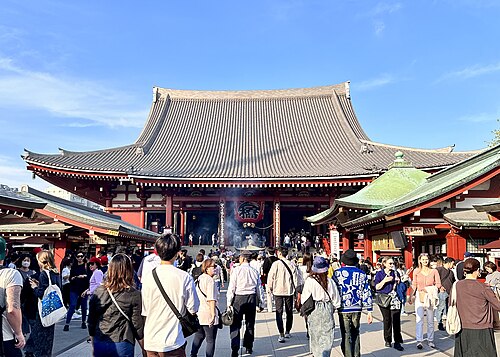
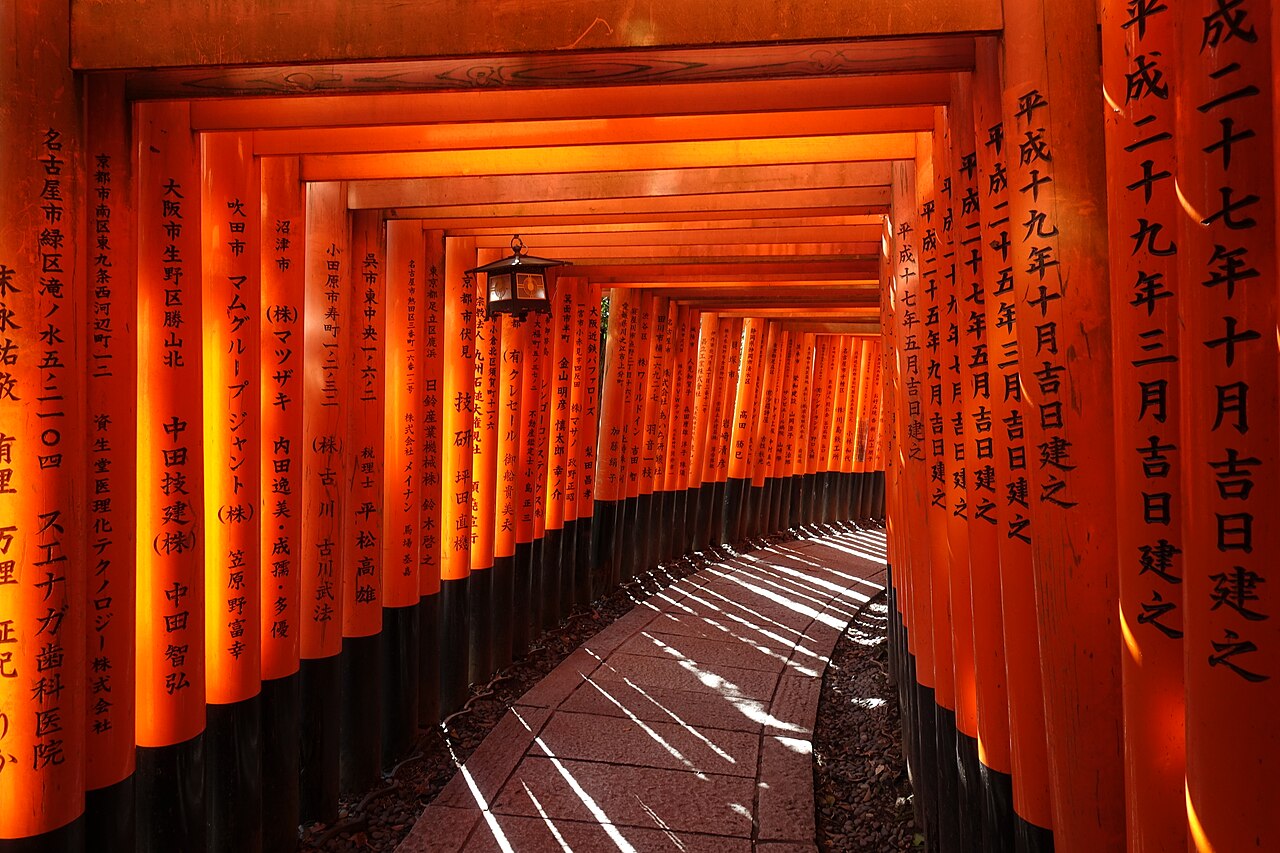
At Senso-ji, look at the main approach and take the riverside walk only if everyone is comfortable. At Fushimi Inari, stay near the first gates and treat stairs as optional. Take a shorter route when the nap is likely to be earlier than planned. Read about the Tokyo and Kyoto stops.
Make meals and rain predictable
Trying new food is easier across a whole day when the first meal is familiar. I’d find a bakery, convenience store or sit-down breakfast near the room before choosing museums. If it rains, use a single indoor outing and give the family time to get back and dry coats. Check practical Japan travel information.
Pack for one easy Tokyo-to-Kyoto move
Reserve the train you want and ask about childcare seats separately if using a vehicle. Keep one change of clothes, food and other essentials available. Protect the time after arrival so a delayed hotel check-in still leaves room for dinner. Check luggage and transfer guidance.
Choose a hotel you can return to for breaks
Think about a toddler who falls asleep after lunch and a preschooler who still wants to go out. Look for a hotel that makes it possible for one adult to return without taking the rest of the family on a long transfer. In Tokyo, a room near the part of Asakusa or Ueno you plan to use lets one person leave after the main stop and gives everybody a place to meet before dinner. In Kyoto, compare a station hotel with a downtown room close to meals and a usable lift or taxi pickup.
Ask the actual property how children are counted, which beds or cots they provide and whether a folded stroller fits inside the room. A room described as large enough for a family may work differently once the cases are open. Check route access from reception to the room, whether the bathroom is on the same level and whether a nap can start before normal check-in. The Tokyo lodging guide and Kyoto lodging guide help compare neighborhoods.
Give the Tokyo day an early finish that still feels complete
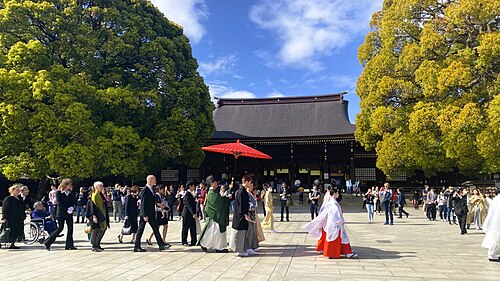
Start near Senso-ji in Asakusa, look up the approach you want to follow and leave a route back when Nakamise is busy. A preschooler can pick something to notice at Kaminarimon while the adults decide whether to continue to the temple buildings or take a side street to lunch. Keep the river as a short optional leg. An early finish still gives you time at the temple, a meal and a relaxed return without a tired train transfer.
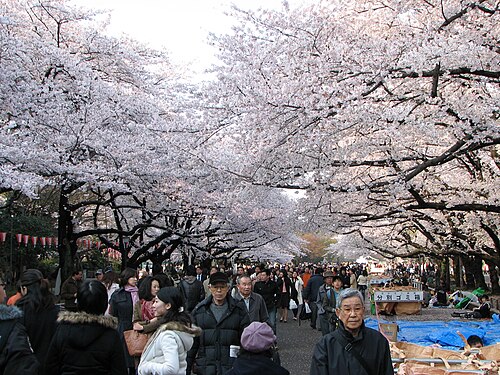
In Ueno, decide between one part of the park and a single museum based on the forecast and opening schedule. Keep a proper place to sit within reach and avoid planning the zoo and another long outing on the same morning. If a sibling is old enough for a longer visit, meet the younger child and their adult at a restaurant you both know how to find. The Asakusa and Ueno day plan has sensible points to stop. GO TOKYO’s family outings in Ueno and Asakusa.
Choose a Kyoto outing by its first ten minutes
If staying by Kyoto Station, choose a local JR Nara Line service that stops at Inari. From a Gion-side base, check the approach from the relevant Keihan station instead. Start at the lower gates and turn around while the child is still enjoying the walk. Hills and stairs change the outing once you go farther. Put a meal or the hotel return on the same side of the city. For a younger traveler who has had enough, the return can be the whole second half of the day.
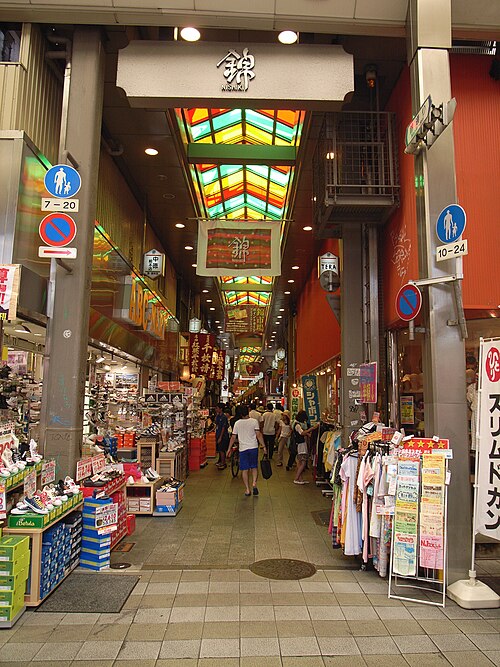
If it is rainy, choose a covered market stretch and a proper meal or make the Kyoto Railway Museum an independent outing. Check the museum's calendar and visitor information before promising it. Put a straightforward taxi or train ride home into your plan. The Kyoto day plan makes it easy to see which stops require more walking or another neighborhood. Kyoto’s official family planning information.
Pack for meals, naps and a wet return
Keep one thing the child usually eats and one change of clothes in the easiest bag to open. Pick a seated lunch venue close to the morning stop or to your return station. If there is a dietary restriction, give the property or venue the actual requirement and ask them to confirm what they can do. Keep a simple alternative nearby instead of relying on a full afternoon of browsing. A wet morning can end after lunch if there is time to dry clothes and reset.
Look up where you can stop before entering a crowded market or attraction. A stroller works better if the route has a sensible entrance and exit, and busy stairways can be easier if the adults already know which alternates are available. One adult may want a smaller bag when helping the child or folding the stroller. Save a longer crossing or hillside route for a day when the whole group wants it.
Put one baby-care stop and a larger drugstore on your hotel map before the first morning. In Tokyo, look for a feeding or changing room on the floor guide of a department store or shopping mall. For diapers, ask for omutsu (おむつ) and match the child’s size and the package’s tape or pull-on design. Carry enough familiar supplies for arrival day. GO TOKYO’s guide to traveling with tots.
Keep one hotel move and test every transfer detail
For a Tokyo-to-Kyoto move, choose a departure you can reach after breakfast. Check the Shinkansen baggage and seat arrangements, whether the room at the other end can accept early bags and how to get there. If using a private car on either end, ask for the exact vehicle and suitable child seats. Send larger cases only if both hotels confirm timing, and carry everything you need until the first evening. Keep the afternoon flexible if the train, luggage or room plan changes.
For a shorter Japan trip, decide whether everyone would enjoy a deeper stay in one city instead of squeezing in the long transfer. The Tokyo with Little Ones itinerary shows how one base can still accommodate different mornings. Adding a second city pays off when it gives you two useful days there, including one that can be spent close to the room. JNTO luggage and transport guidance for visitors.
Destination photos