In this guide
Agree on walking, stairs and starting times
Talk through what counts as a comfortable walk, the time people usually need lunch and whether repeated train changes are tiring. I’d budget one key stop in each half-day. Ask the hotel to confirm room access and seats close to the lifts if that affects the booking. Check JNTO’s accessible travel guidance.
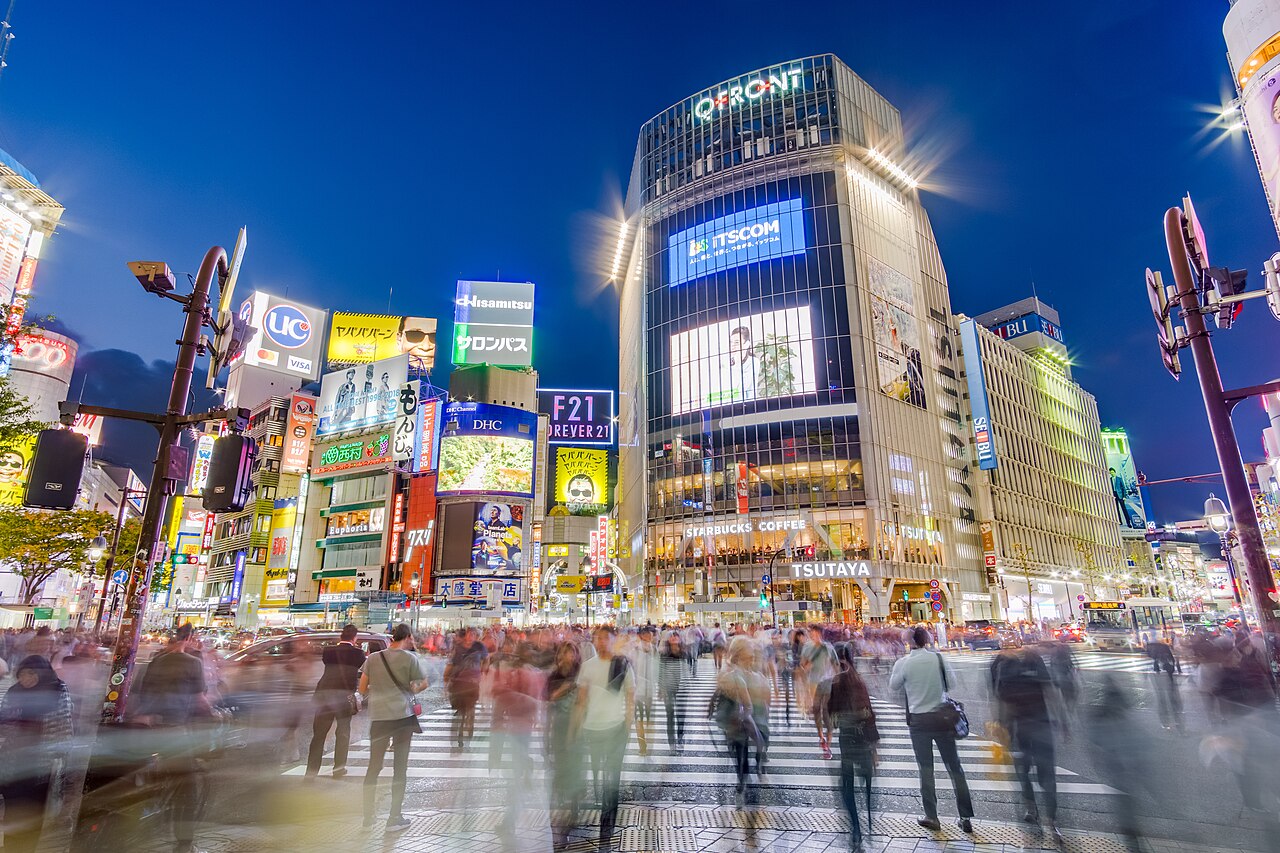
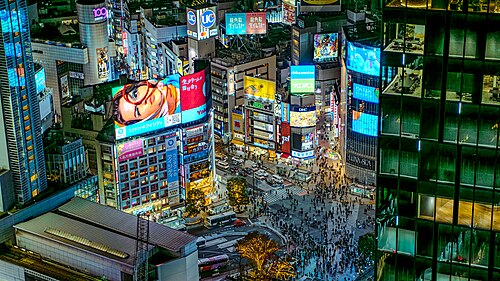
Tokyo · Pick either side for the first full day
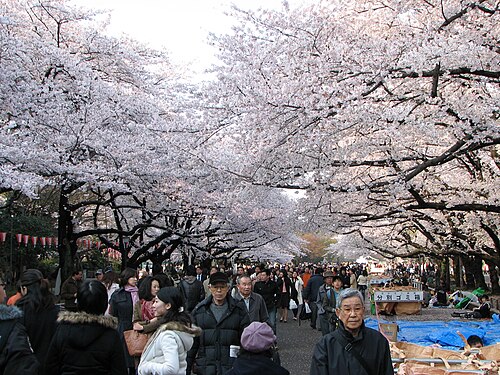
Use Asakusa and the river for a shorter morning or Ueno if museums are a shared interest. I’d keep the second stop within one short ride and leave a taxi option back to the hotel. Compare the two plans with a map showing station exits and lifts. Consult practical public transport advice.
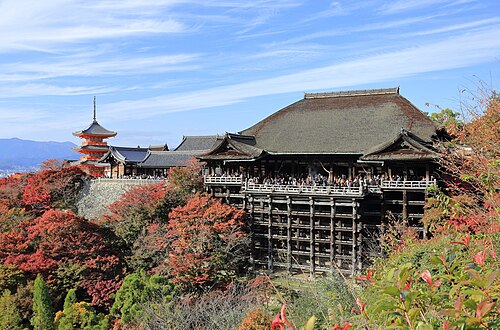
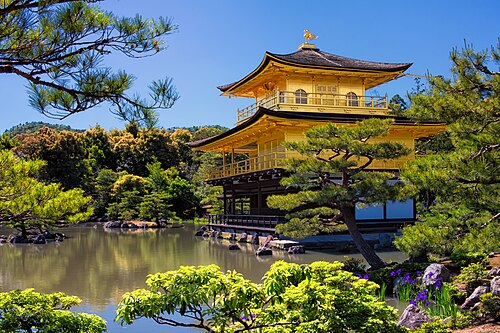
Kyoto and Nara · Keep a shared meeting point
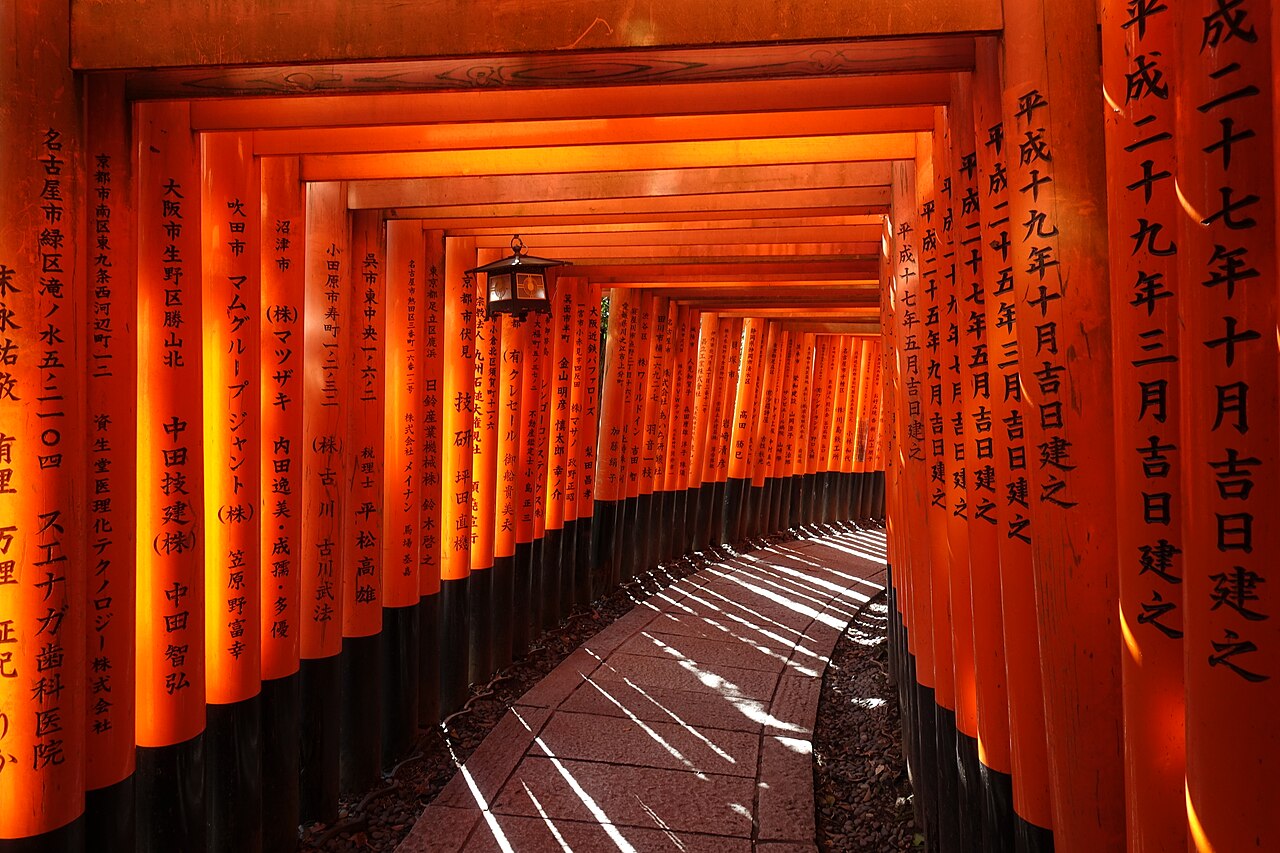
I’d choose the lower Fushimi Inari gates as a group and allow stronger walkers to continue after lunch. In Nara, use a station-area taxi for the approach if it makes Todai-ji a better shared stop. Decide on a nearby café before anyone goes off to explore farther. Compare regional day-trip suggestions.
A transfer day with room for two speeds
Pick an intercity connection that gives everyone time to board, store bags and find seats. Book accommodation with a clear check-in plan and ask about meal seating if the whole group wants dinner together. Leave the arrival afternoon open for a walk or rest according to energy. Check station and baggage planning.
Translate walking needs into a daily plan
Before you choose excursions, ask each traveller for a useful description. Find out how long they want to stand, whether uneven paths or stairs are difficult, and where they prefer to sit for lunch. A person who can walk a fair distance on a level route might want to skip a long climb. Children who can do plenty in the morning may need a quieter afternoon. Write down one shared activity in each half-day and one extension, with a meeting address and a simple way back for anyone who stops.
Price different arrangements only after sketching the real route. Use a taxi for the long station approach and check the slope from the drop-off point to the entrance. A private guide can adjust stops and show you the useful pickup point, especially when the group wants to take different paths. Ask the venue about its own access route and tell the guide what the family needs in practical terms. Use the step-free Japan planning guide to check station and attraction access. JNTO accessible visitor planning.
Use a shared Tokyo morning and a flexible afternoon
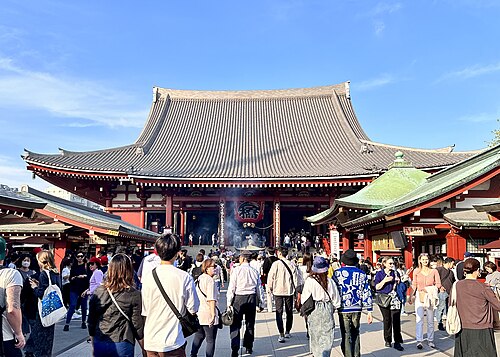
Pick one easy meeting point in Asakusa before visiting Senso-ji. From there, younger people who want more time near the river can continue after lunch with one adult while a grandparent and a child who needs a break head toward the hotel. Keep the return route within the same neighborhood. For Ueno, give the group a park entrance and one indoor option instead of assigning every museum to the same morning. Leave time to reach a lunch spot with seating.
Agree on the longer and shorter walks before leaving the entrance. One shared lunch address makes it possible to split up without making somebody wait on a street corner. If rain is heavy, stay near one museum or switch to a meal close to the hotel. The Tokyo day plan explains how to choose between Asakusa and Ueno without crossing the city repeatedly. GO TOKYO Ueno Park access and site options.
Plan the Kyoto or Nara climb as an extension
From Kyoto Station, approach Fushimi Inari from the JR Inari side if that is simplest for your base. Make the lower gates the shared visit and agree when and where to meet if some people continue uphill. If a traveller prefers to skip the approach altogether, use a nearby lunch or café stop as the rendezvous instead of asking everybody to climb at the same pace. Check access if somebody needs a step-free route, as the surface and stairs vary across the site.
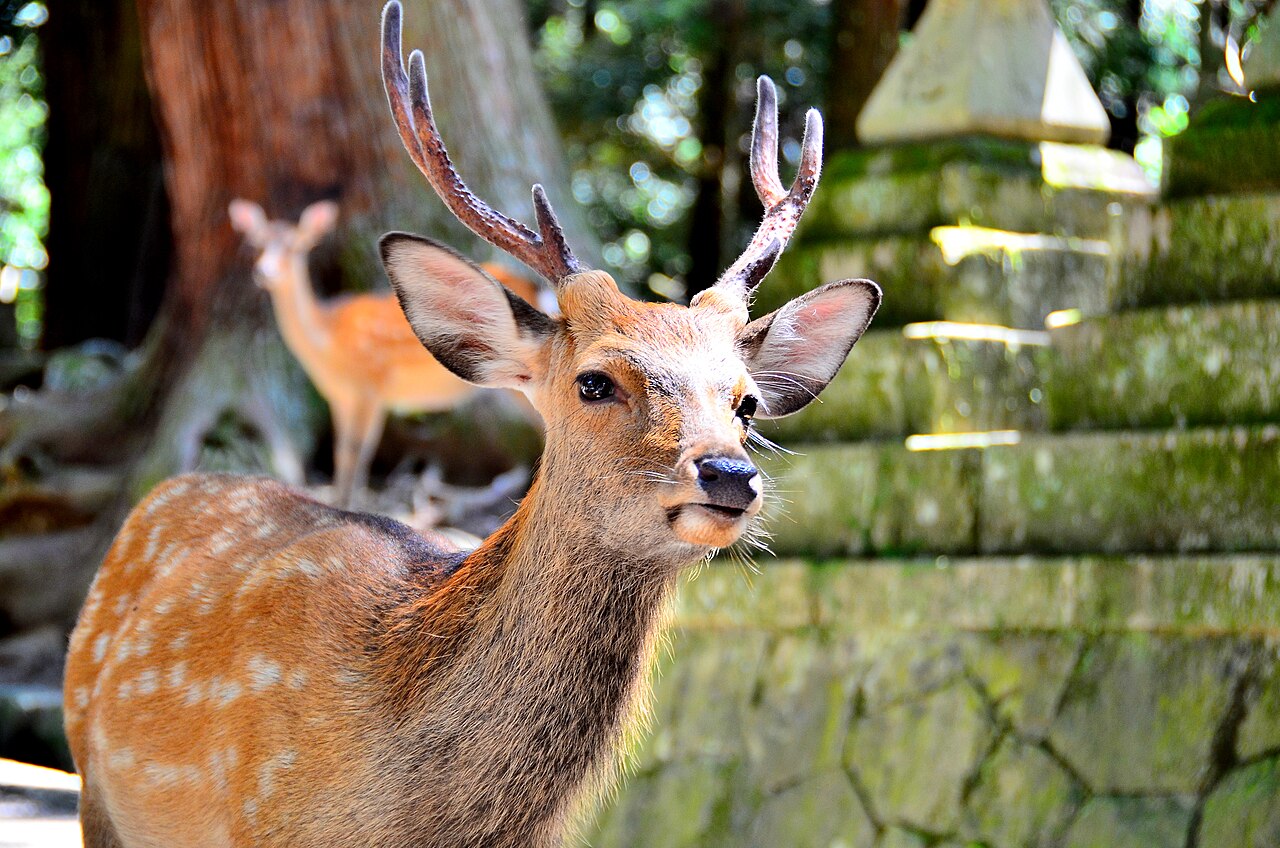
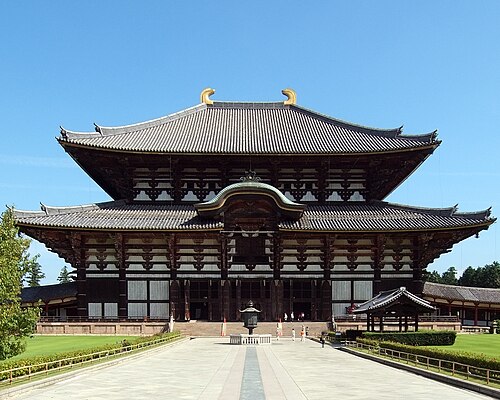
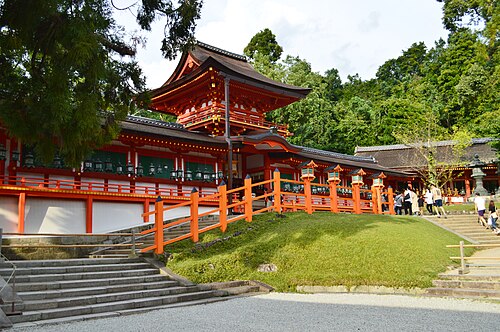
For Nara, compare Kintetsu Nara and JR Nara by the complete journey, including the train, local ride and walking route. Keep Todai-ji as the main visit and add only the section of park the group still wants. Pick a taxi or bus meeting point before you start the extra loop. The Kyoto and Nara two-day itinerary gives each area its own morning so the outings can be shortened independently. Visit Nara’s park approach and visitor guidance.
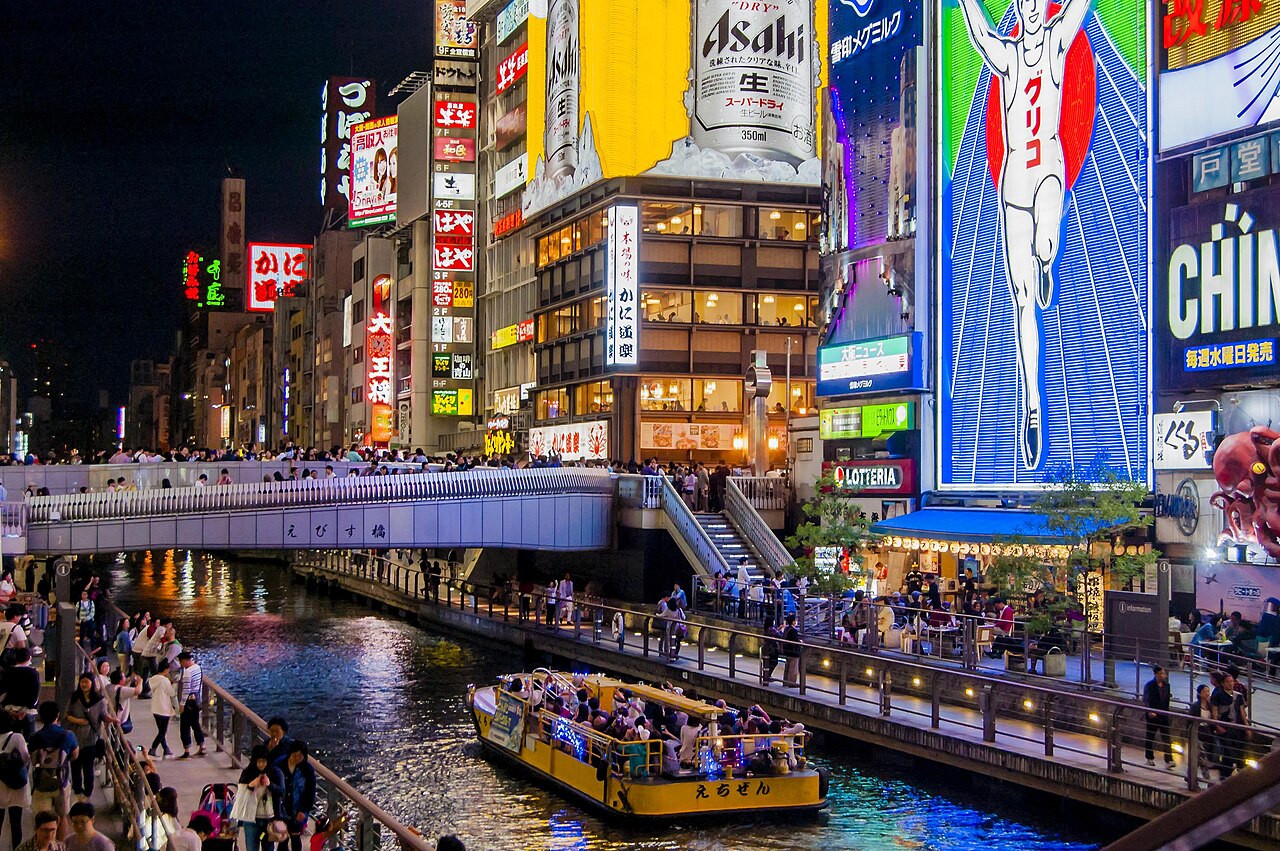
Choose an Osaka base around joint dinners
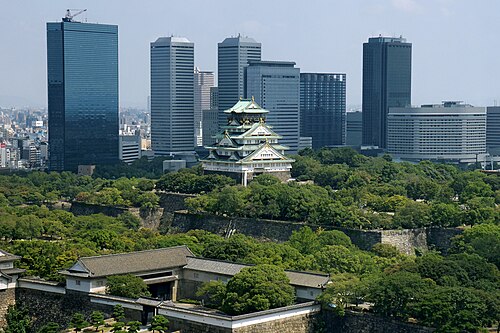
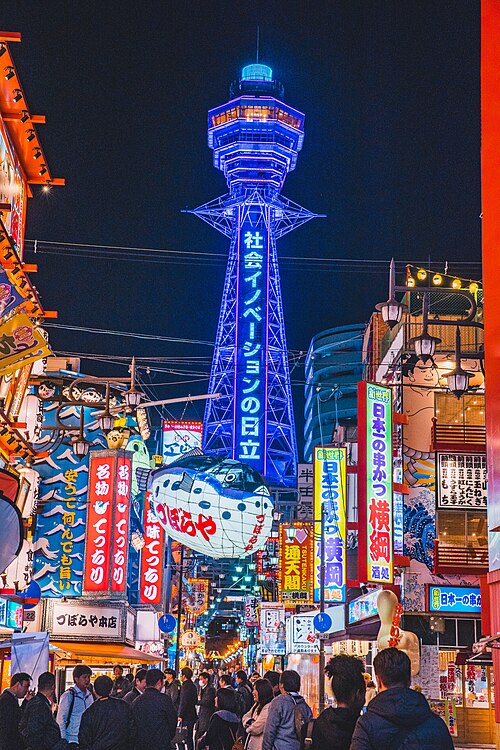
If you have several Kansai outings, compare one Kyoto base with one Osaka base using your actual evening plans. In Osaka, Namba can suit a group that wants to get home easily after dinner. Test the route to the train you need for Kyoto or Nara and whether everybody can reach the room without a long walk. For arrival or departure via Shinkansen, include the leg to Shin-Osaka. The Osaka lodging comparison shows which bases suit different stations.
Use an Osaka food outing to give everyone a defined sit-down break. In a group with teens and grandparents, leave the canal or shopping extension for those who want to continue and choose an exact place to regroup. A hotel near dinner makes this flexibility more valuable if you will use it more than once.
Keep an easy seat and bag plan for the long move
Choose an intercity train and seat layout that keeps the people who need help close to an adult who can provide it. Write out the platform route and allow time for the lifts, gate and boarding. If cases are forwarded, keep the material people need until the first evening, including medications. Ask the hotel whether a taxi can stop at the access point your group needs and ask the rail operator about boarding assistance if it applies.
At the next base, go to the property or a coordinated lunch first. Avoid making the whole party carry bags to a crowded attraction before its rooms are available. Let somebody who wants a longer arrival-day outing depart from the hotel without forcing the rest of the family to leave. The family rail guide walks through seats, bags and station entrances. JNTO practical rail and bus guidance.
Worked example for a family sharing a private day
Start with relatives between eight and seventy-five, with one adult who prefers shorter walks and a child who wants to explore. Book a joint morning in eastern Kyoto or the lower Inari approach and choose a reserved lunch with easy access. Put a shorter return and a longer loop into the same guide request. Ask how the party can reunite, whether a driver is dedicated to the route and what happens if the weather changes after lunch.
Use the next morning for an independent outing near your hotel so people can go at their own speed. If paying for a private day, ask what guide time and transport cover instead of comparing one all-in number. Read Kansai for Three Generations as a starting point for a stable base, then bring your longest walk, room setup and transport questions to the private trip planning form.
Destination photos