
In this guide
Plan the station exit, not just the station
Look up lift access and ask which exit reaches your street. Build space between rail legs and keep one direct taxi option in mind for the longest local approach. Find JNTO’s accessible travel resources.
Decide where to shorten the day
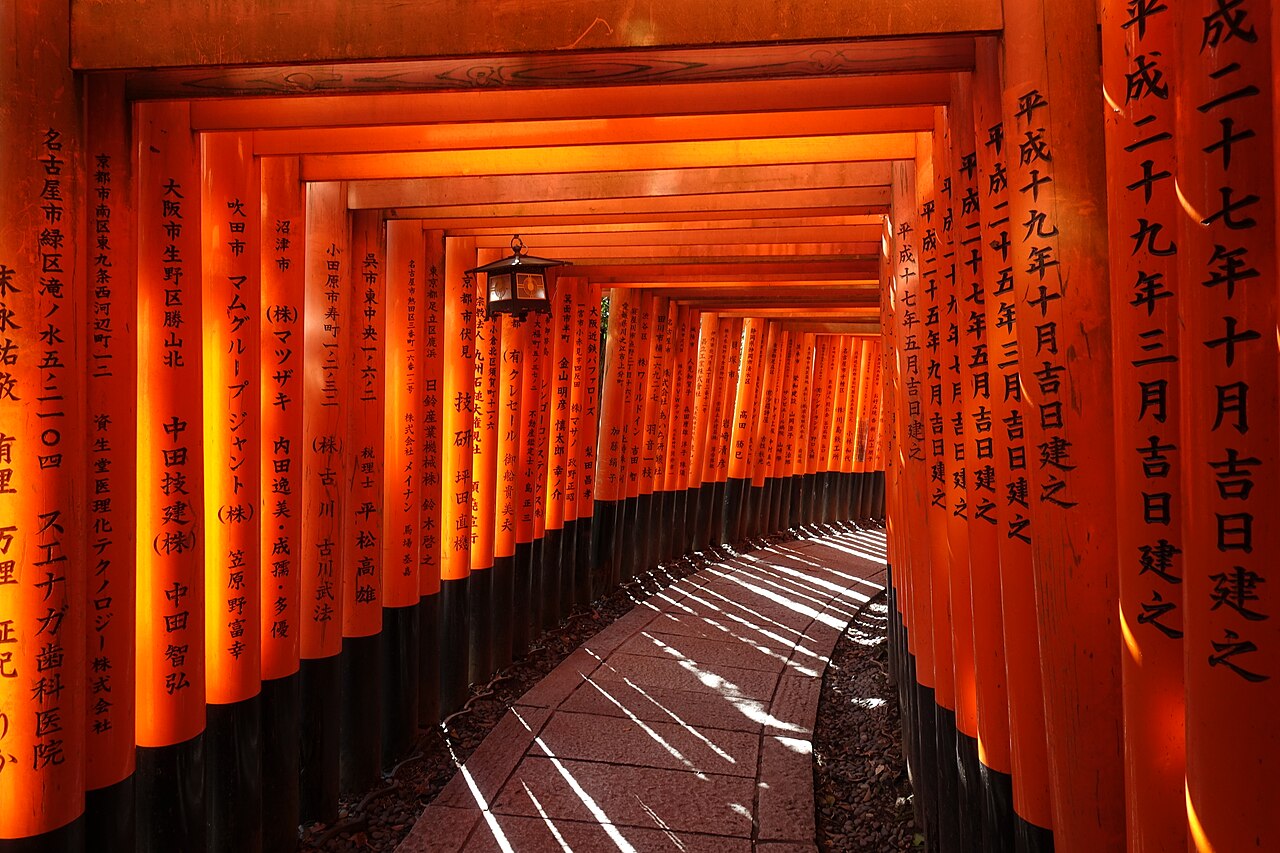
In Kyoto, choose the lower Fushimi Inari gates rather than the full climb when it suits your mobility. In Nara, check distances around the park and consider a bus or taxi for one side. Ask venues about steps, surfaces and restrooms on the exact route. Review official Kyoto and Nara planning options.
Describe the full path from platform to room
Start by naming the part of the route where the traveller needs help. For one family it may be a long ramp, for another a flight of steps or a gap to board the train. Put the station and operator beside the line, then check its map for the route from the right platform to a lift and a street-level exit. The nearest exit on a phone’s walking route may be a staircase.
From the correct exit, check the crossing, surface and hill before deciding on a hotel. Ask which entrance serves the exact booked room and where a driver can stop. For Tokyo, the lodging guide helps you see which stations correspond to the neighborhoods you want. Tokyo Metro’s barrier-free station search.
Check the handoff between operators
When a route switches from JR to a subway or private line, look up both station maps. Confirm how you get between them and whether going via the lifts adds to the walk. Ask the carrier whether you need to arrange boarding help and how much arrival time you should plan. If you have specific measurements for a mobility device, share those accurately.
Reserve the intercity train and choose the final ride around the same requirements. If a driver is involved, ask whether you need transfer assistance or want to remain in a wheelchair, how the device is carried and which entrance the ride reaches. A standard vehicle may have space for a folded device, but capacity and boarding arrangements need confirmation. JR West’s published travel assistance and access guidance.
Build an attainable Kyoto or Nara outing
Around Fushimi Inari, check the arrival approach and choose a lower segment everyone is comfortable with. Fushimi has more than one rail approach. Have a clear turning point and keep the meeting place below any section a family member is skipping. A stair-and-hill outing and a level indoor stop have different access questions, even on the same tour day.
In Nara, decide who will use a taxi or bus for one approach and where they will rejoin the others. Read the Nara day plan for neighborhood choices, then ask the venue about its entrance, internal travel, seating and restroom approach on the portion you want. Map a shorter fallback before leaving the room. Kyoto City’s route information for Fushimi Inari.
Ask the room, transport provider and guide different questions
A room enquiry should cover bed height, transfer space beside the bed and the bathing layout. A transport enquiry should address boarding, equipment measurements and whether the car can stop near the door. A guide needs to know the desired walking block, seating breaks and whether part of the family would like a separate segment.
For a worked example, use one short shared morning, return to a confirmed lunch seat and let older children choose a second stop with another adult. Put the lift exit, pickup and backup restaurant on an itinerary everyone has. Keep arrival times approximate until you have the site and transport details you need. JNTO’s resources for travellers with disabilities.
Make half the group’s backup useful on its own
Write an easy alternative that a traveller might choose even when the weather is clear. It might be a seated tea visit or one short, level museum segment near the lunch meeting point. Confirm the actual chair, entrance and restroom arrangement ahead of time. For a private itinerary, ask who accompanies each group if the walking day is split. Our tea guide discusses session formats and questions that can help when an older relative wants to participate. JNTO’s accessible tourism guide.