
In this guide
Toddlers and preschoolers
Use an Asakusa or Ueno base and choose one activity before lunch. In Ueno, decide in advance whether the park or a museum is the main stop. Ask the hotel about cot availability, bed-sharing rules and space to unfold a stroller. JNTO’s family planning resources.
School-age children
Pair one temple with an activity the children can help choose. Give children a choice between the lower gates at Fushimi Inari and an afternoon in Arashiyama. In Nara, explain the deer rules before anyone buys crackers and keep the group together. JNTO’s Kyoto and Nara itineraries.
Teens and mixed ages
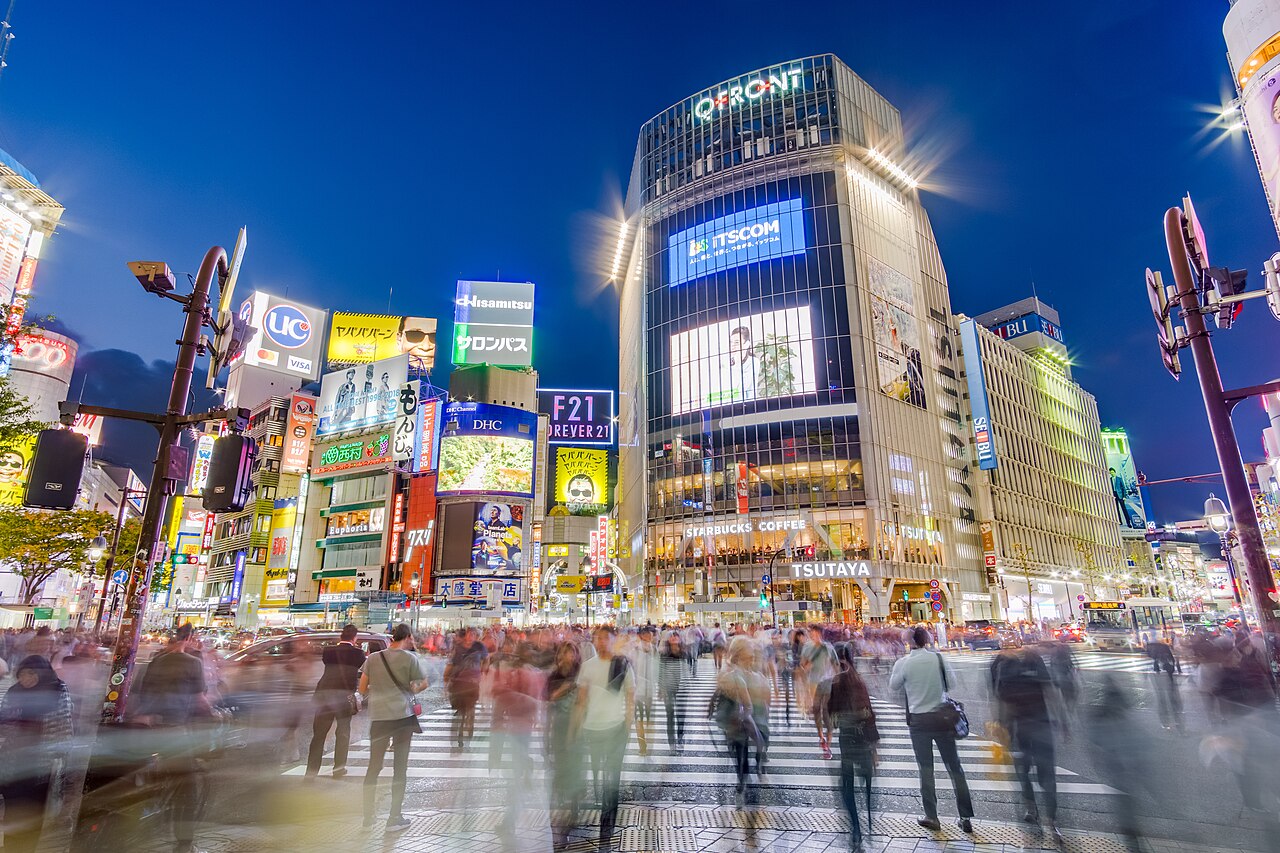
In Tokyo, I’d put Shibuya and Harajuku together for teens while keeping a meeting point near the station. If the group splits for lunch, agree on a time, a station exit and a plan for a phone without data. JNTO’s tips on connectivity and visitor basics.
Five, seven and ten-day versions
For five days, I’d choose one base and a Kamakura or Nara outing. For seven, choose Tokyo and Kyoto and reserve seats for the one long move. For ten, add either a second Kansai day or two nights in Hiroshima if the children want the extra transfer. JNTO rail planning guide.
Room layout, meals and bags
Ask whether a room fits your group with the stated number of beds and whether breakfast has child options. With a selective eater, use department-store food halls or a reliable hotel-area choice before a long afternoon. Forward bags only after checking delivery timing. JNTO’s guide to luggage forwarding.
Build the day around the youngest and oldest travellers
Write down the first hour when each person tends to get tired or hungry. A two-year-old may need a room break by midday, while a grandparent may prefer one uninterrupted outing before lunch. I’d start the day with something both can do, such as a short Senso-ji approach or one garden, then stay within reach of the hotel or a seated meal.
Make the afternoon optional for everyone. A school-age child can choose another gallery or a section of park with one adult, while the rest of the group returns early. Decide on a specific lunch address or the hotel lobby as the meeting point. A busy train entrance with several exits is harder to use if a phone runs out of power. JNTO’s practical information for families.
Book bedrooms and meals for the actual ages
Send the property the ages at travel and the exact number of beds you need. Ask whether bringing a cot or rollaway reduces the space in the room, and confirm if connecting rooms are guaranteed or requested. In a traditional inn, ask about bedding height, internal steps and bathroom access. Extra floor space can matter when two children and a folded stroller have to fit.
For a toddler who eats earlier than the rest of the group, write down one simple dinner close to the room. Ask a ryokan about the window for arrival and dinner, and which meals are included for each child. Make the first evening predictable after an airport transfer, then give older children a choice of the street or market on a later day.
Choose intercity seats and bags as a single booking decision
On the Tokyo–Kyoto move, reserve the family’s seats around how children and adults will sit. Compare the station reach and final hotel walk before buying a train ticket. Write down which adult will carry each bag and which adult will take the younger child while boarding. Check the operator’s policies for the actual service if you have large luggage, a stroller or reserved seat requirements.
If bags are sent ahead, carry everything the group needs until the accommodation has confirmed delivery. Use a small changing or snack bag within reach from the seats. Our family guide to Japan by train develops the moving-day plan, including exact station entrances and ways to shorten the load. JR Central’s current baggage guidance.
Plan an outing with room for a mixed-age family to split up
A family with a toddler and a thirteen-year-old can give Tokyo an Asakusa morning and separate Ueno or Shibuya time for the older child. Agree when to return to the hotel and decide where there is enough room to wait. In Kyoto, share the shrine precinct or market lunch and give stronger walkers the longer stretch if everyone is ready for it.
For three generations, compare the one-base Kansai itinerary. An Osaka hotel for all nights makes different lengths of outing possible without different sleep locations. Check how each person gets to the hotel independently if a person needs to rest before others are ready to return.
Request private help on days that need it
I’d use a local guide when it helps the family understand one historical area, order the stops around crowds or agree on a short route. A vehicle can help on an airport leg or between rural stops, especially when you have bulky bags, car seat needs or an older person who tires on station transfers. Ask about the pick-up point and route from the vehicle to the actual sight.
For a quote, send the count of adults and children, their ages, the room arrangement, which days must be shorter, and any limits around stairs, meals or child seats. Familiar weekdays and free afternoons can be part of the brief. The private enquiry form lets you save or review those details alongside a sample family itinerary.