Budget example and quote details
About ¥468,000 for the items below
Two adults and two children aged 7 and 10. This independent-booking example uses a four-star hotel benchmark and published rail and admission prices. A tailor-made quote depends on your dates and the services you choose.
- Seven hotel nights
- ¥420,000 Two double rooms using JNTO’s starting benchmark of about ¥30,000 per room per night. JNTO hotel benchmark.
- Tokyo to Kyoto
- ¥40,940 One-way smartEX Hikari, ordinary reserved seats, regular season. smartEX fare chart.
- Kyoto to Nara and back
- ¥4,560 Kintetsu base fares. Limited-express supplements are extra. Kintetsu basic fares.
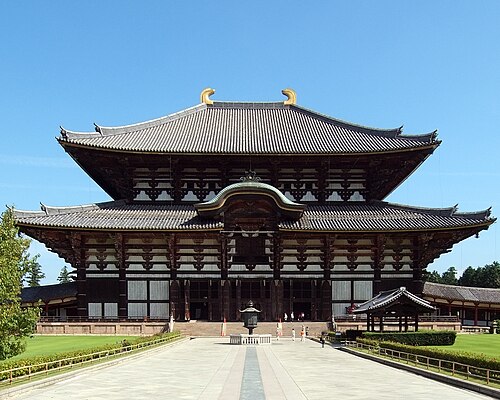
- Tōdai-ji Great Buddha Hall
- ¥2,400 General admission for everyone in the example group. Tōdai-ji admission.
Sources checked November 26, 2026. Check hotel availability, taxes and rail fares for your travel dates.
What to confirm in your quote
- Hotels. Three nights in Tokyo and four in Kyoto. Ask for two rooms, or a family room with enough beds, and check whether breakfast is included.
- Rail and admission. Check whether the Tokyo–Kyoto seats, Nara trains and Tōdai-ji admission are arranged and included.
- Guides and transfers. Ask whether the airport car and child seats, optional Nara taxi, and an English-speaking guide on the days you choose appear in the quote.
- Other costs. Check the cost of local transport outside the Nara rail trip, luggage forwarding, meals, other admissions, flights and travel insurance.
Trip planning details
Keep the seven nights in just two rooms or room sets
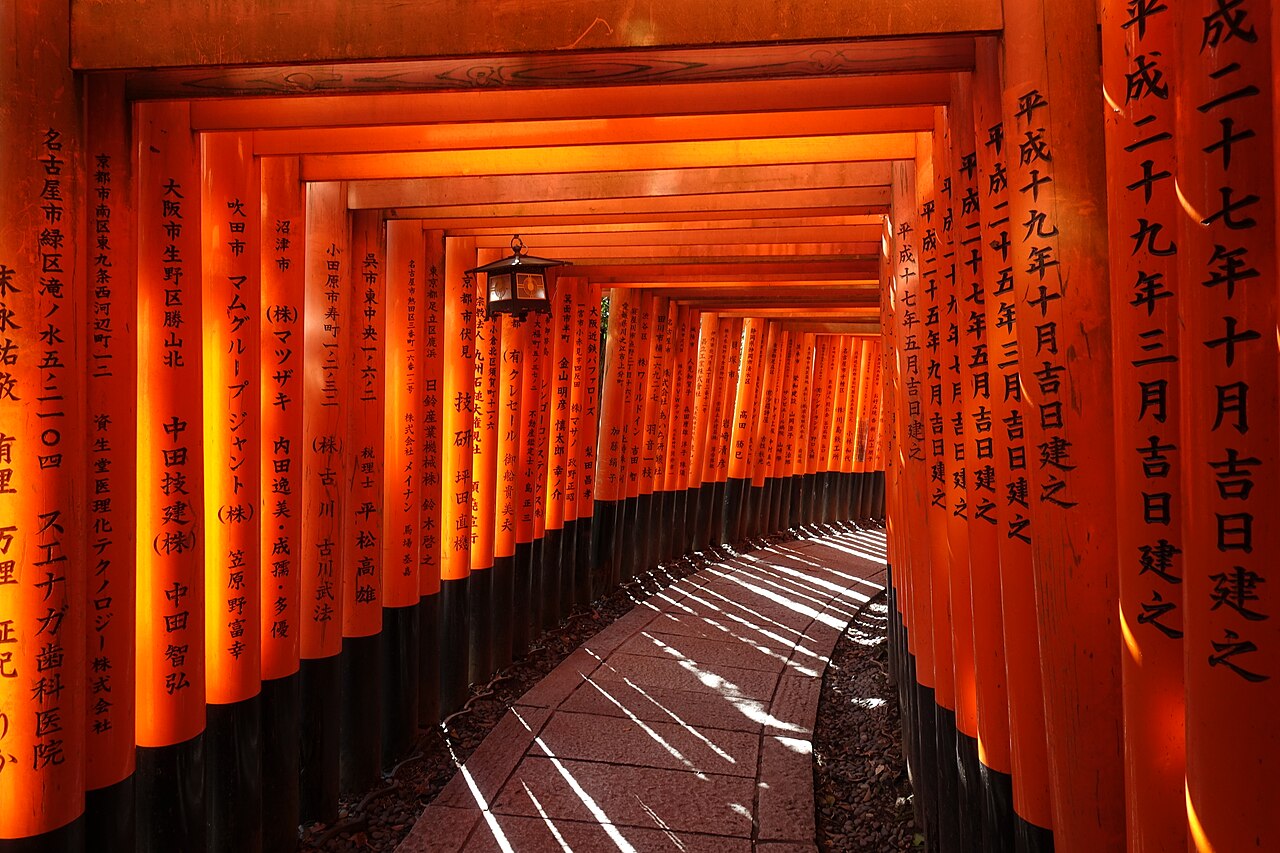
The itinerary has three nights in Tokyo and four in Kyoto, with one intercity change. The two bases give a family time to learn the station route and return to the same room after a short morning. Choose Tokyo lodging for Ueno or Asakusa and the first rail departure. Choose Kyoto lodging for the way you will reach Inari and Nara and move onward to the Osaka-area departure. The Tokyo and Kyoto hotel entrances matter more than how close a room looks to a map pin.
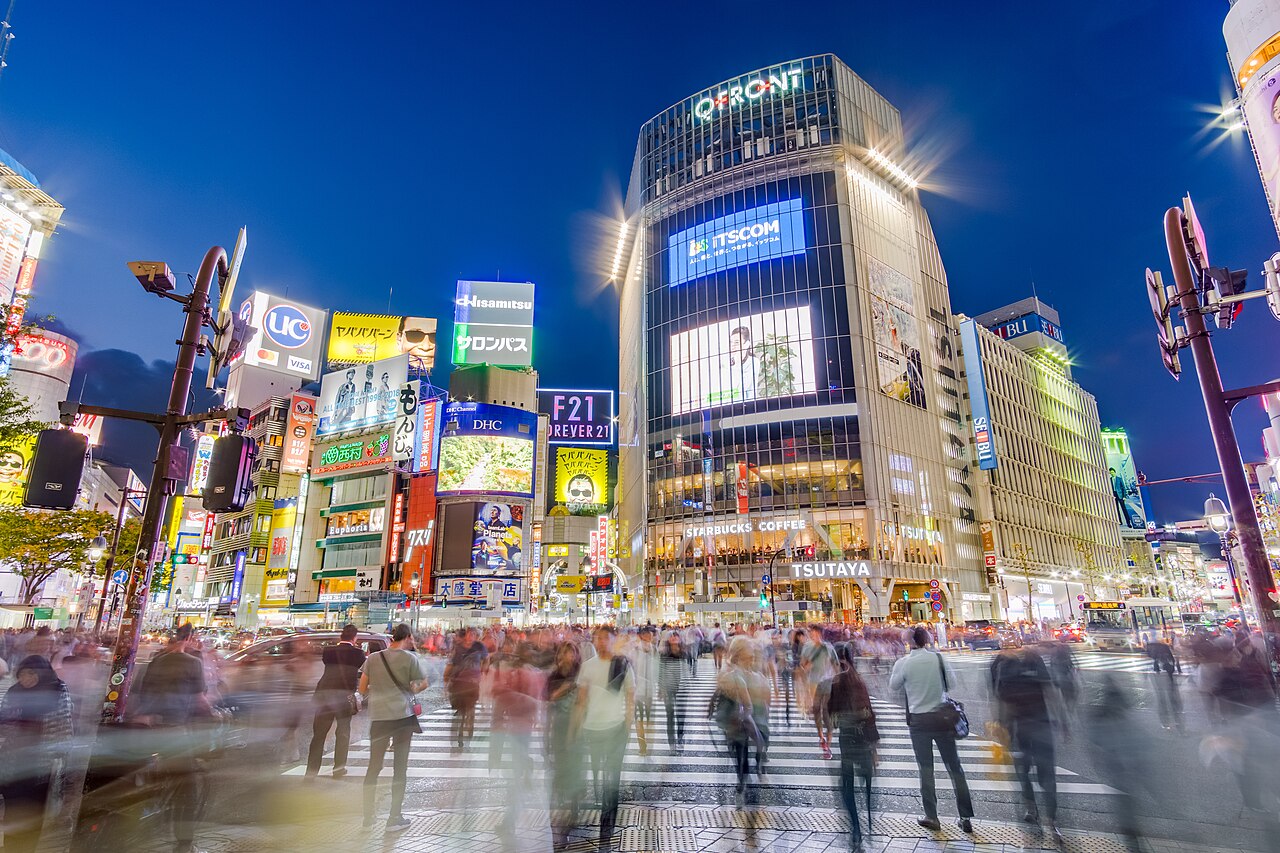
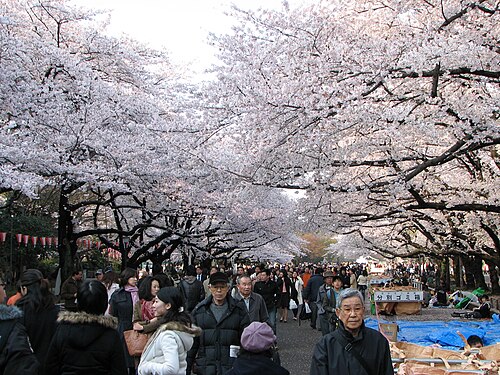
Think about what the children enjoy after two mornings of sightseeing. Ueno offers an easy way to make an attraction the only scheduled activity. A second Tokyo day can focus on Shibuya for a teen or Asakusa for a younger child, with lunch as the point when people regroup. In Kyoto, keep both the Nara and Osaka outings optional enough that you can drop one and still spend a good morning near the same hotel.
Adapt the room plan and transfers to the ages travelling
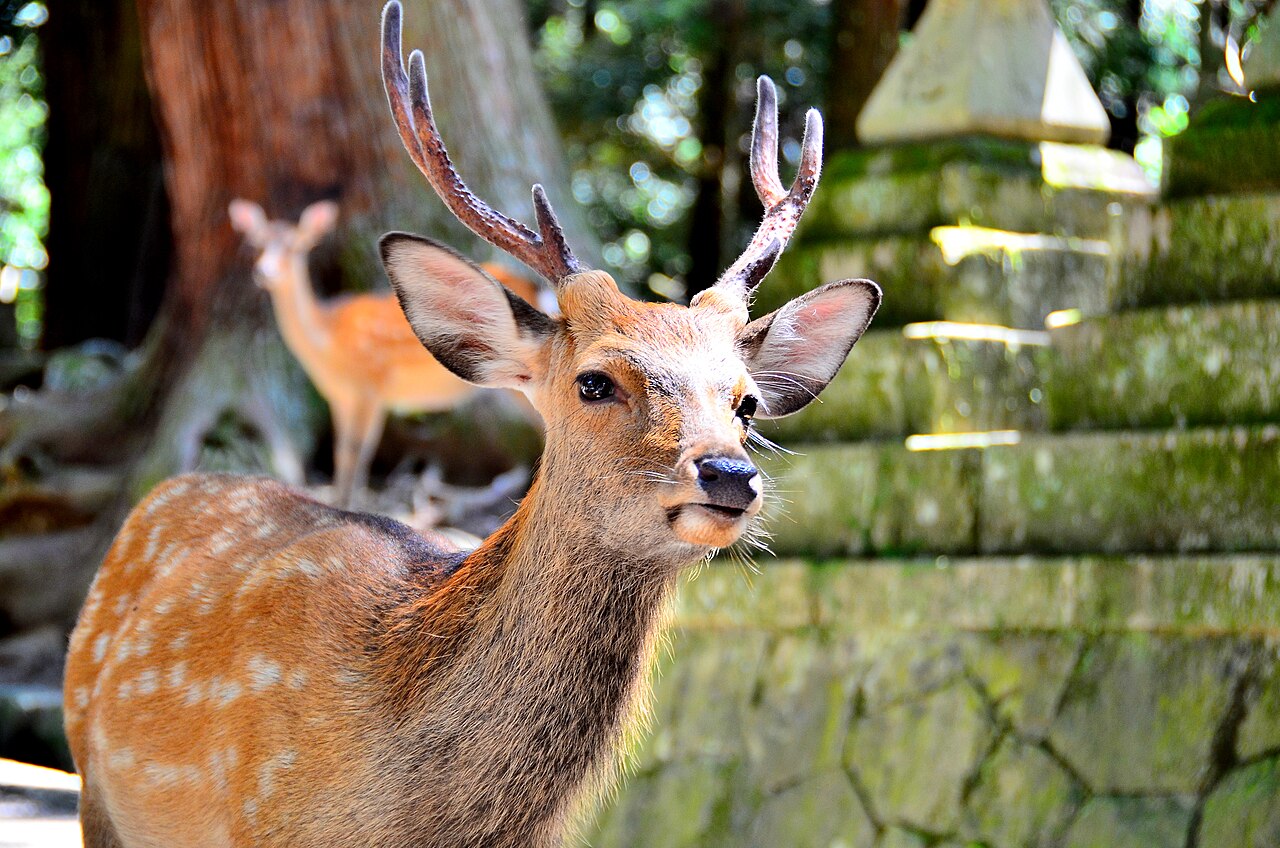
A toddler and school-age sibling can do the first part of each day together and split for one short extension. Ask the older child to choose the museum gallery, shrine detail or food stop. Give the younger one a predictable meal and the option to return. Grandparents can join the meal even if they skip the longer walk. In Nara or at Inari, agree which adult goes with each part of the group before you start.
Ask for the room and bed arrangement for all seven nights, confirmed train seat options, entry and guide hours, and separate estimates for an airport car or one local vehicle. Tell the planner where a child needs a nap and at what time. Clarify which tickets, meals, luggage forwarding or changes are extra, and ask how rain affects any pre-booked outdoor visit. A confirmed check-in and a reliable end to the morning can be more valuable than an additional paid stop.