At a glance
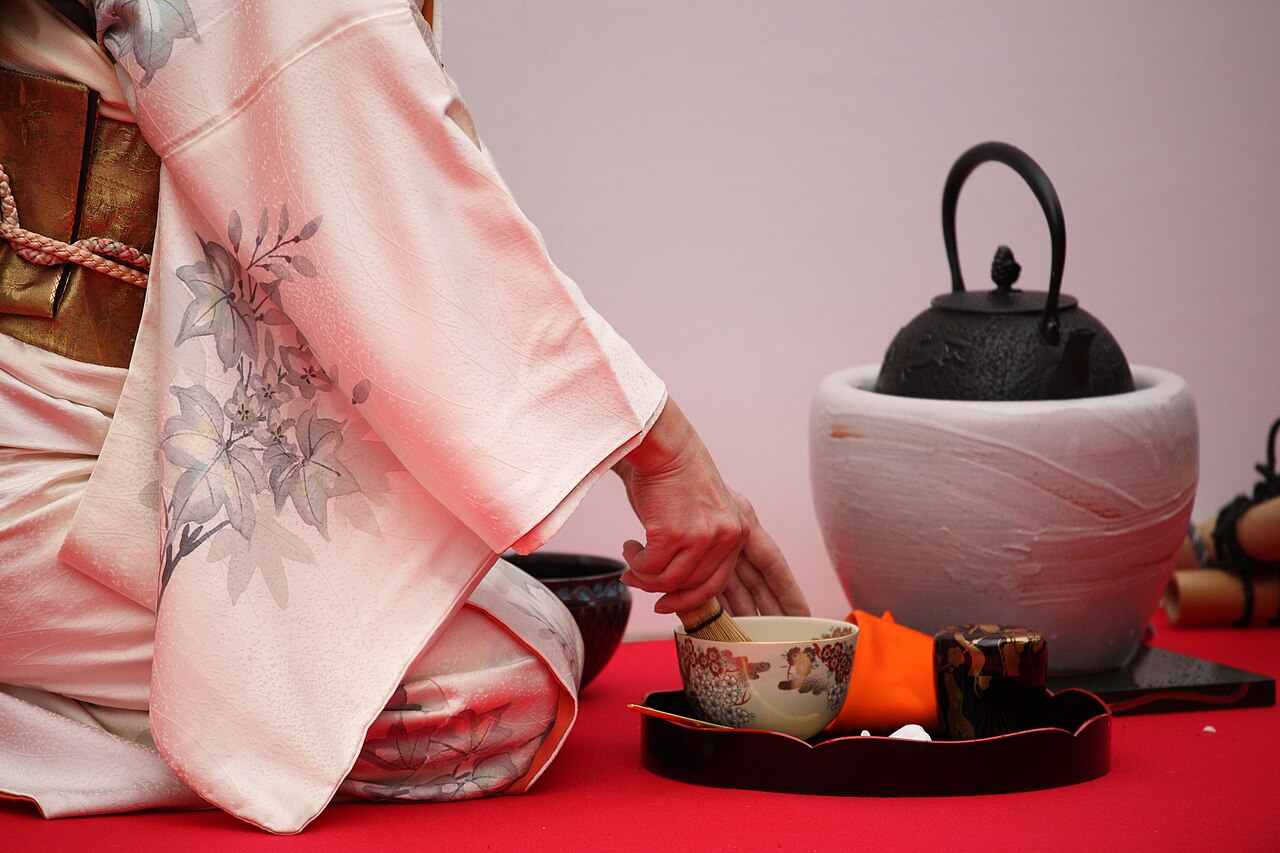
Jump to chaptersAt a Japanese tea gathering, the host may set the bowl down with its most interesting surface facing you. Before anyone drinks, there is a moment to see the glaze, feel the bowl’s weight and notice the color of the tea. A child can start there. Watching how the bowl moves between people is a good way to understand what the gathering is for.
- Follow the tea from the host’s preparation to the guest’s bowl.
- Recognize tea wares, rooms and seasonal sweets.
- Choose a tasting, lesson or gathering for your family.
What chanoyu gives a guest
Chanoyu, also called chadō or sadō, is the Japanese practice of preparing and serving matcha to guests. The preparation follows a learned sequence, and the people, room and utensils give each gathering its particular character. The host makes choices about the bowl, the sweet and the layout. Guests respond by receiving the tea, giving the next person room and taking time to look at what the host chose. Urasenke’s introduction to chadō The Met’s tea ceremony essay
Urasenke describes four principles, wa, kei, sei and jaku, often rendered as harmony, respect, purity and tranquility. A first-time guest can look for them in ordinary actions. The host places a tool within easy reach, leaves enough time for a guest to handle the bowl and prepares a place for the people who share the room. Children may first notice the whisk or the sweet. Let that be the detail they follow through the visit.
Choose a bowl, a demonstration, a lesson or a gathering
What do you want the family to do together? The wording on a booking listing can cover several experiences. Ask what is actually included before choosing one.
- Tea and a sweet. A garden tea house may serve a bowl at your seat. This lets younger children look at the bowl and tray and gives the family a short shared visit.
- Demonstration. A host prepares tea while guests watch. Choose it to see the order of the tools and the exchange of the bowl. Ask how close guests can sit and whether someone explains the sequence.
- Hands-on lesson. A teacher may let guests whisk their own bowl. Check who gets a turn, which tools can be handled and whether an accompanying adult may watch.
- Tea gathering. A chakai often refers to a shorter gathering, while a formal chaji can include a meal and both thick and thin tea. Ask the host to describe that particular occasion and what it asks of guests. Omotesenke’s glossary of tea gatherings
For a young child who wants to try a whisk, a short lesson is a better fit than a long formal gathering. An older relative who mainly wants to see the arrangement of the bowl and utensils may prefer a demonstration with a good view. Agree on what both people will be able to do from the actual seats.
How tea became a cultural practice
Tea and ways of using it reached Japan from China over time, and Buddhist networks helped spread tea drinking. The sixteenth century is important for the development of chanoyu as a gathering, with practiced procedures, selected objects and an increasingly distinct aesthetic. The gathering also had a social role. Rulers, warriors and prosperous merchants used it as a place to meet and build relationships. JNTO’s history of Japanese tea The Met on chanoyu and sixteenth-century patrons
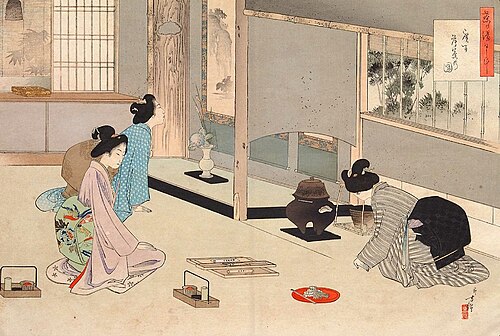
Chinese ceramics were long prized among tea practitioners. Figures including Sen no Rikyū helped make room for other kinds of objects, including Korean and Japanese vessels valued for their rough surfaces and forms. The aesthetic known as wabi helps explain the attention given to such details. Think about a jar that started out as a useful container. A practitioner may have singled it out for a profile or glaze that the maker could scarcely have predicted.
Tea rooms also made space for elaborate and colorful pieces. The Met describes how ceramics with very different surfaces and histories could appear in the same practice. When you see a dark bowl beside a painted water jar, ask what each contributes to the setting and how that changes your view of the other.
What a tea school changes for a visitor
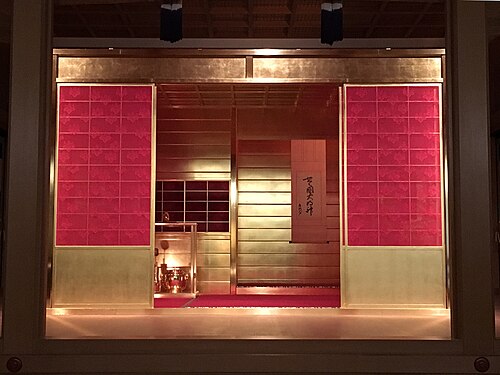
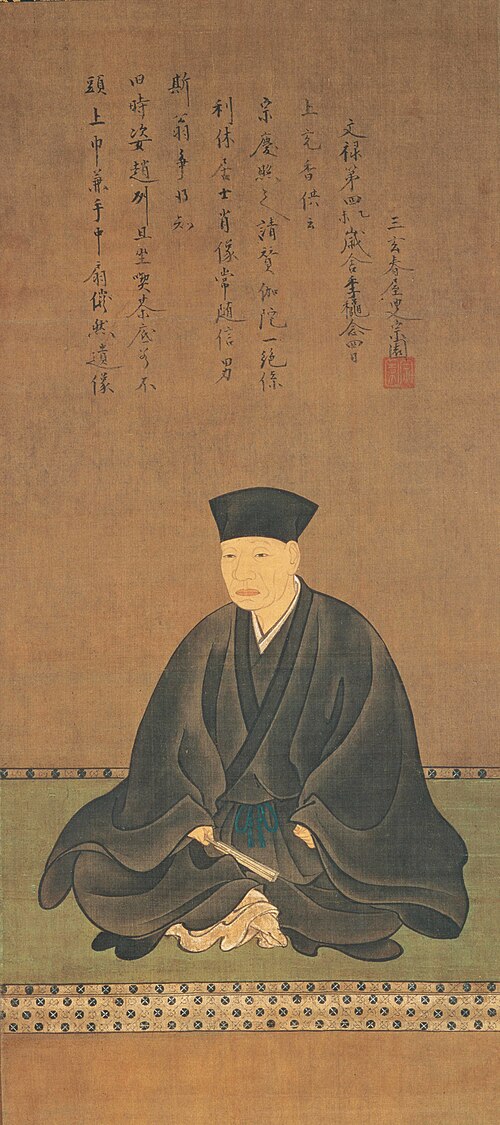
Omotesenke, Urasenke and Mushakōjisenke are three schools associated with descendants of Rikyū. A school’s teaching shapes details such as the way a host handles the cloth or presents a bowl. Introductory programs may also adapt their procedures for the space and people present. Ask which tradition the teacher is showing and what guests will do. Urasenke’s history and lineage
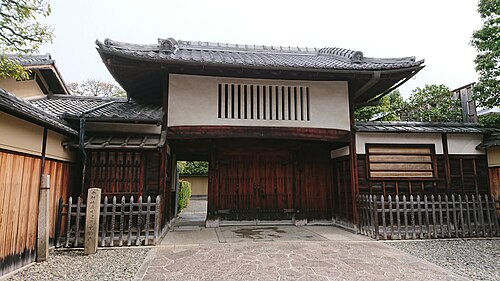
Tea rooms, gardens and the pace of entering
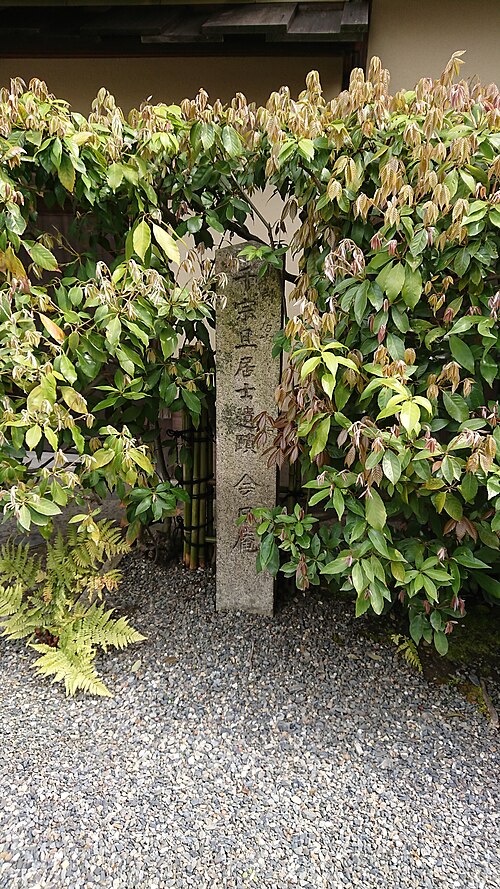
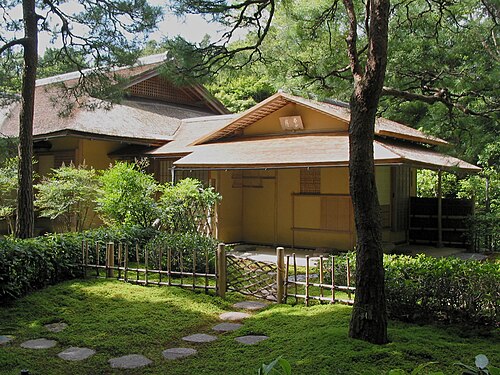
A roji is the garden approach to a tea room. Follow the path and notice where the view narrows or where you pause before moving on. The outer approach gives guests time to change pace before they join the people inside. Stepping stones can be an important part of the design. If someone in the group needs a level route, ask about the guest entrance before assuming it follows the historic path. Omotesenke’s tea garden and tea room glossary
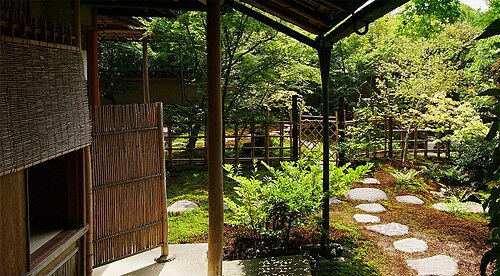
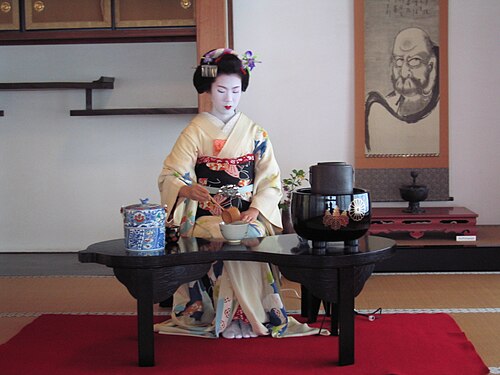
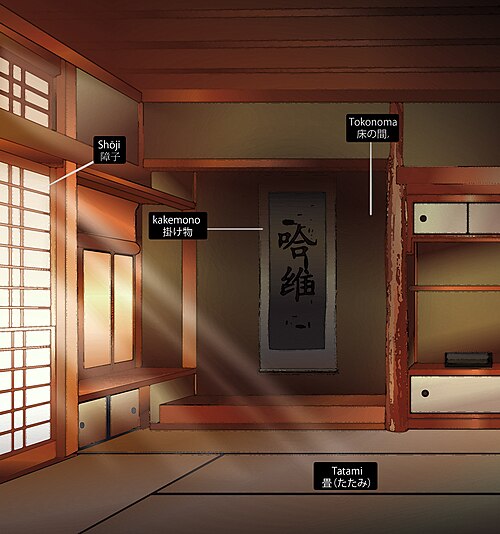
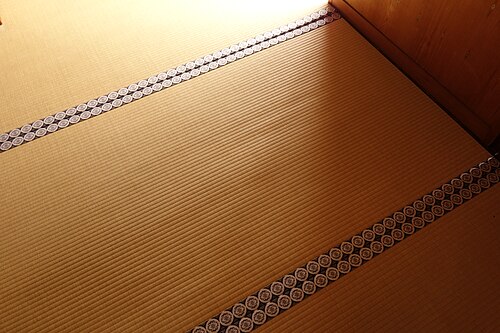
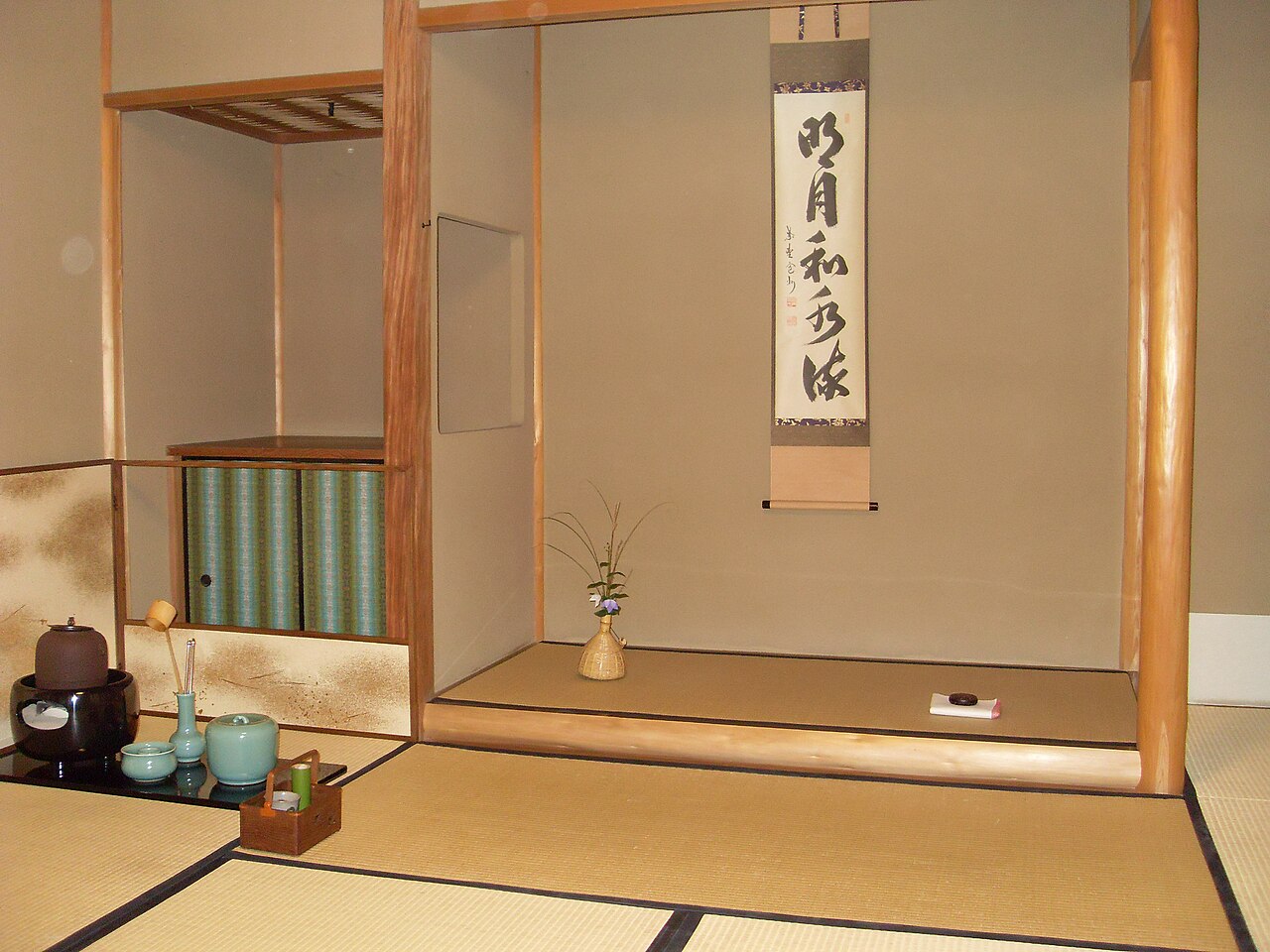
A room may have tatami flooring and an alcove called a tokonoma, where a scroll or flowers can set the occasion. Take a moment to look from the place you will sit. The alcove, the host’s working space and the guest’s seat each give a different view. A compact historic room and a demonstration in a larger hall may teach the same actions from quite different distances.
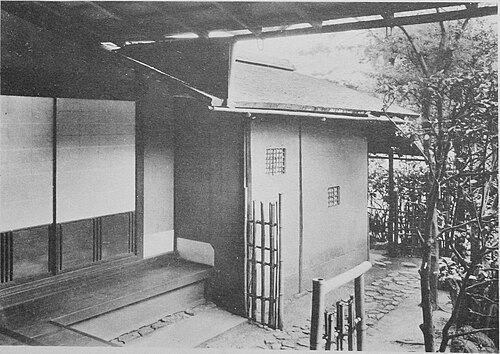
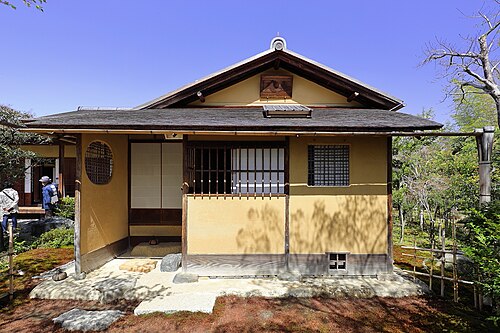
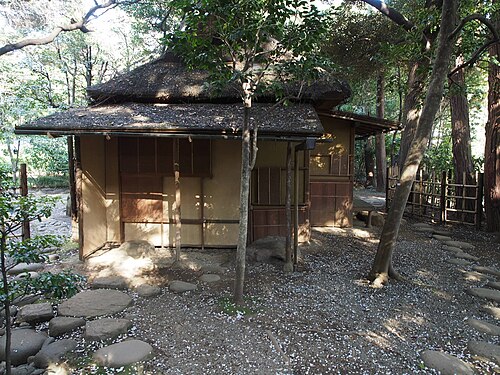
The size and design of tea rooms vary. Tai-an at Myōki-an and the Joan tea house at Urakuen are examples of historic spaces you can study as architectural settings. A photo or museum display can help explain how close the guests were to one another and to the host. If your visit is about the garden rather than serving tea, the Japanese gardens guide shows how several approaches and views are designed.
What happens between heating water and offering tea
Air Culinaire Worldwide’s visitor account follows a small sequence from taking a seat and receiving a sweet to accepting and returning the bowl. Use that sequence to recognize what is happening. For gestures such as when to bow, which way to orient the bowl and where to return it, follow the host in front of you. Even people familiar with one school can encounter a different way of doing it at another gathering. Air Culinaire Worldwide’s visitor account Uji City’s illustrated guest guide
A first tea demonstration in four parts
- Settle into the room. Follow the host’s directions about footwear and seats. Notice the alcove or the place where the bowl will arrive.
- Receive the sweet. An introductory thin-tea service often offers it before the tea. Wait for the host to show when to eat it and where the wrapper or paper goes.
- Watch the preparation. In the temae, the host arranges the tools, takes the powdered tea, adds hot water and uses a bamboo whisk. Follow one tool as it moves between the bowl and the host’s working space.
- Receive and return the bowl. Wait until it is your turn. If the bowl is presented with a front, the host may show you how to turn it before drinking. Follow the demonstration, then set the bowl where you are asked to leave it.
The bowl may be warm, and the tea can arrive quickly once the host begins preparing it. Show younger children where to put their hands before the bowl is full. They can watch the host and let an adult receive it if they would rather observe. A longer gathering may include other stages and a different order. Ask what the session includes instead of timing it from a short online demonstration.
The bowl, whisk and the craft behind them
A chawan is a tea bowl. Its opening, depth and weight affect the way the host can whisk and what the guest feels when lifting it. A glaze can make the green of matcha appear more vivid. At a museum, look at a bowl from the front and the side. The surface on display and the part held by the guest each contribute to how it is understood.
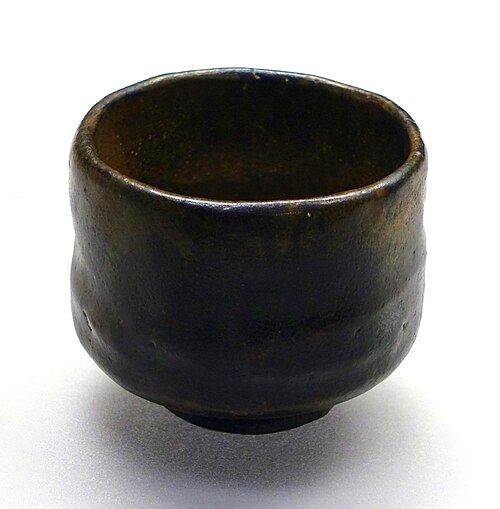
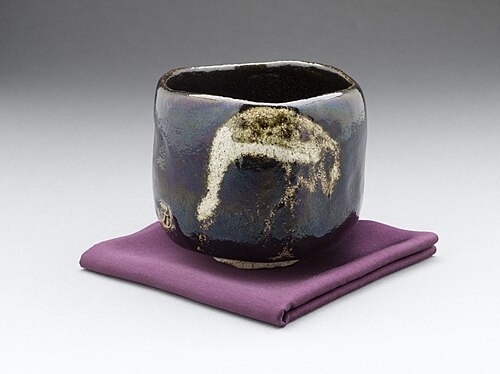
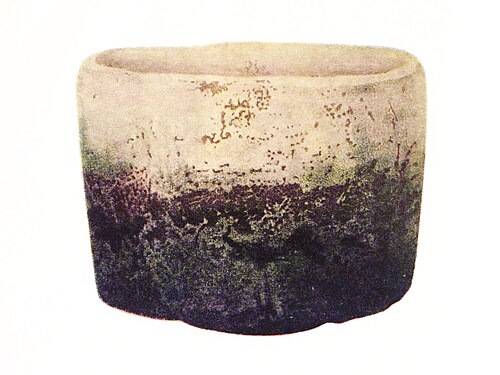
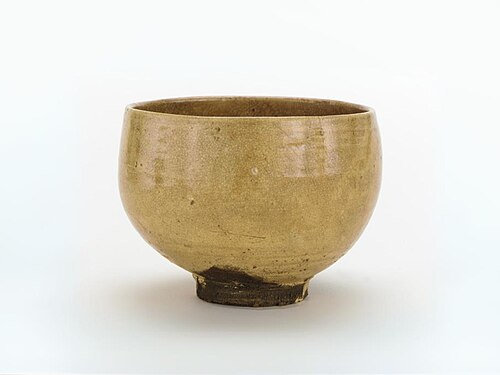
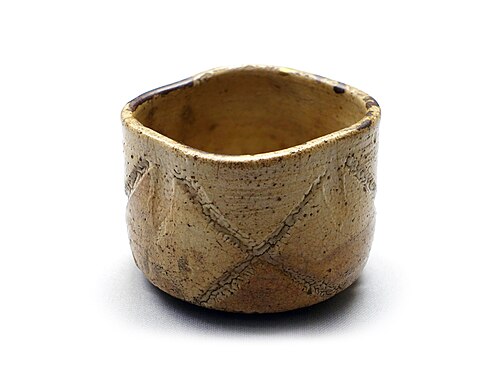
The Met describes how some Shigaraki and Bizen vessels made for everyday use came to be appreciated in tea circles. Later, potters made forms designed for tea. Raku bowls show one kind of attention to shape and surface, while Oribe pieces can include vivid color and deliberately irregular forms. A child in a collection can choose two details to compare, such as the lip of a hand-shaped bowl and the pattern on a glazed vessel. The Met’s account of tea wares, from storage jars to Raku and Oribe The Met’s black Raku bowl named Kaedegure
Read a museum object through its former use
The Met’s fifteenth-century Shigaraki storage jar makes the change in value visible. Look at the shoulders of the jar, where ash in a kiln could settle and alter the surface. The form gives clues to its practical life before objects of this kind were collected for tea. Now compare it with a jar made to sit within a gathering. Its lid, opening and the way the decoration faces the guests tell you something about where it would be used. The Met’s Shigaraki storage jar
Nonomura Ninsei’s caddy called Tall gives you a smaller shape to compare. A tea caddy can have a name and a particular presence on the host’s working surface, even when its job is to hold a small amount of tea. A water jar attributed to Ogata Kenzan uses pine trees as part of the decoration. Ask children which of the two pieces they would spot first from a guest’s seat and what they would only notice up close. The Met’s Tall tea caddy The Met’s pine-patterned water jar
What the host reaches for
A chasen is the bamboo whisk and a chashaku is the scoop used to transfer powdered tea. The kettle provides hot water, and the tea caddy holds the powder for the service. You may see a lacquer natsume, often associated with thin tea, or a ceramic chaire, traditionally used for thick tea. A mizusashi holds fresh water. During a demonstration, watch where a tool rests after use. Its position makes the next movement easier to understand. Omotesenke’s glossary of tea utensils
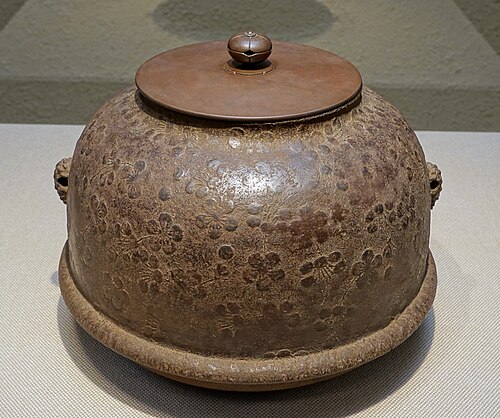
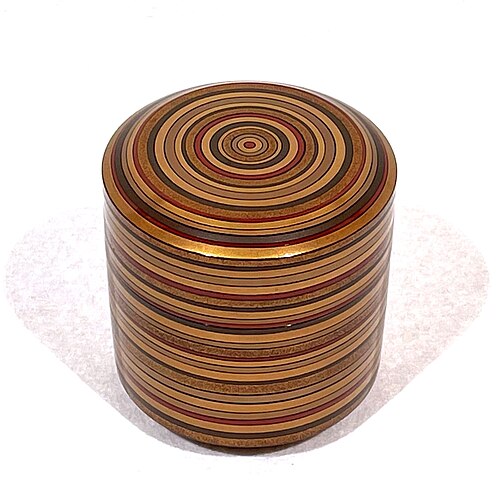
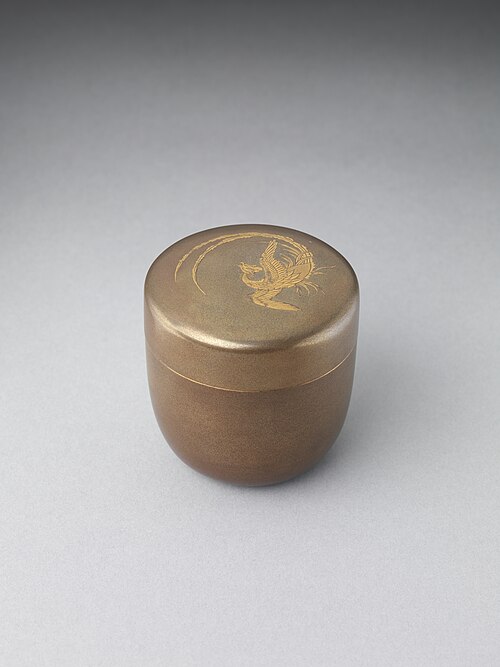
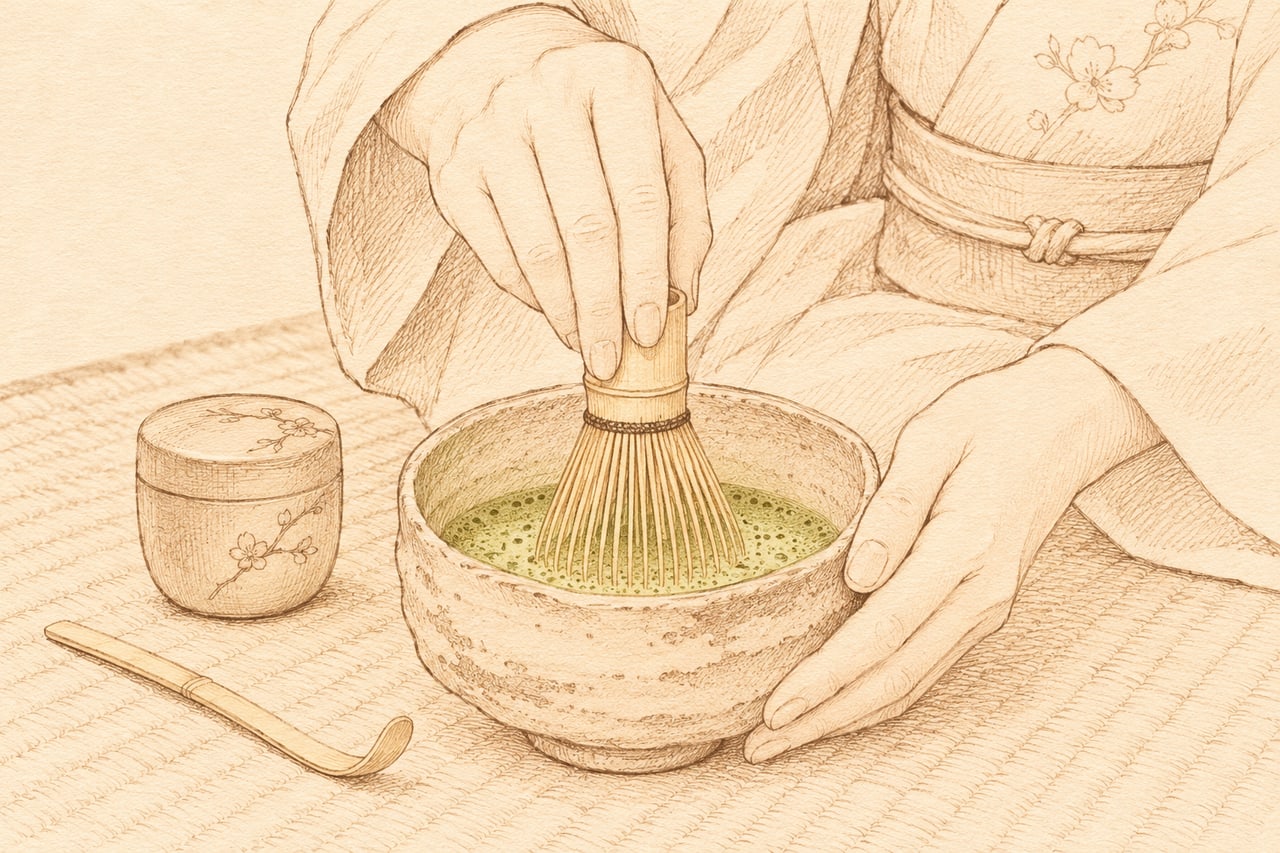
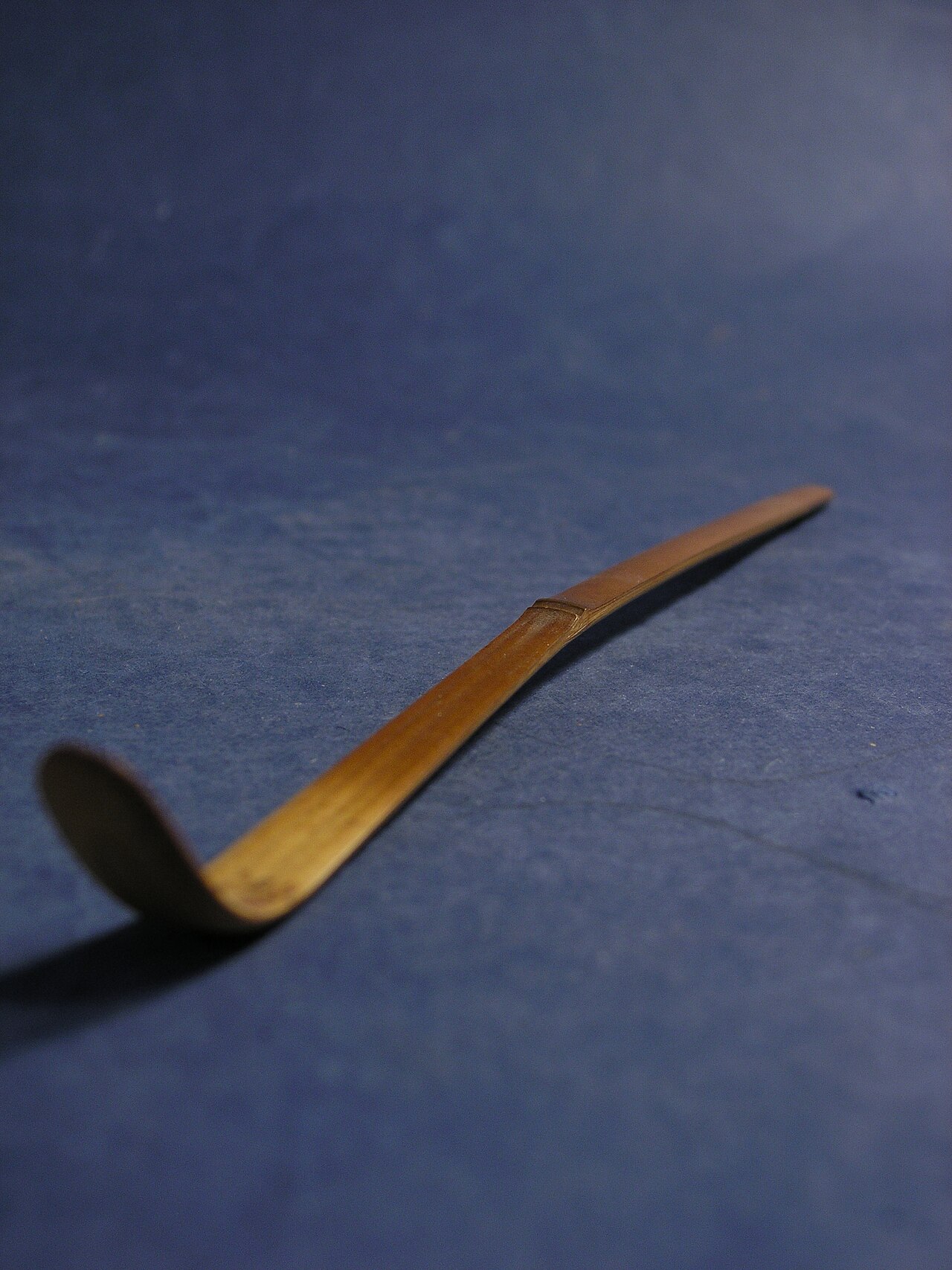
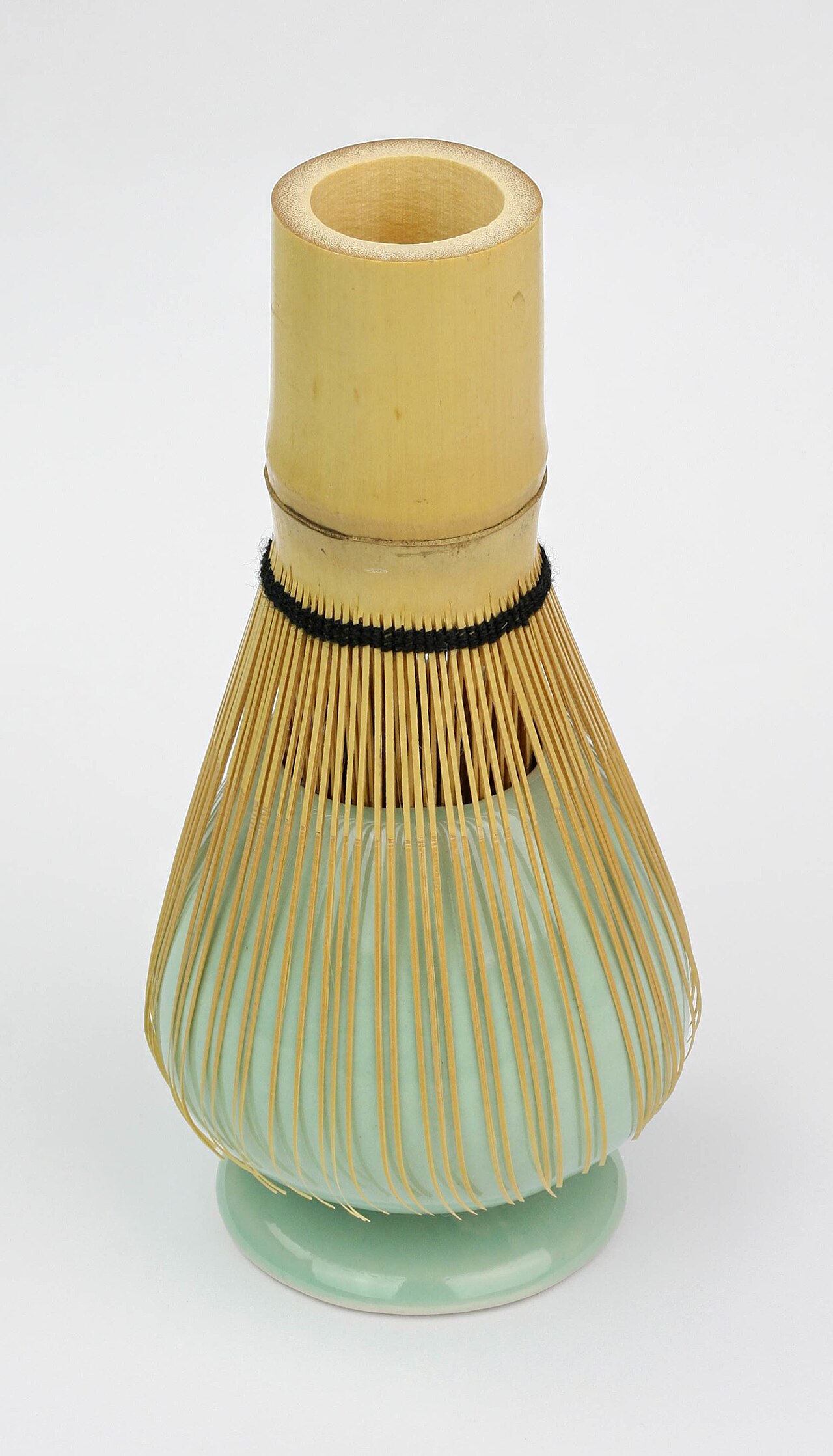
A workshop whisk, a museum example and a bowl set out for guests have different handling rules. Ask which objects you may touch. If the family wants to see the craft behind the whisk, the Sakai and Nara chapter describes a more focused outing.
Matcha, tencha and the tastes you might meet
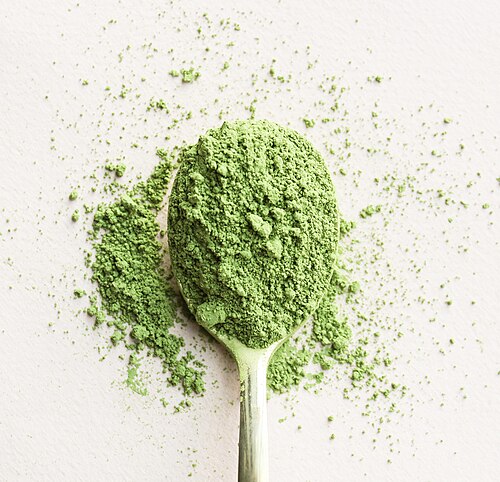
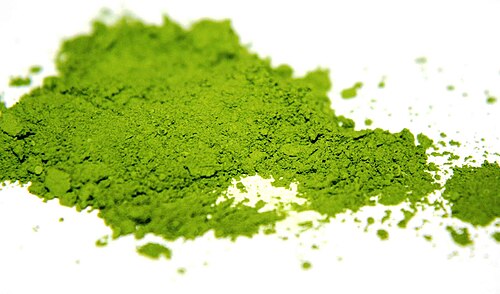
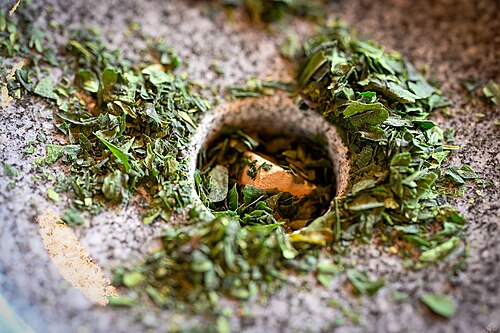
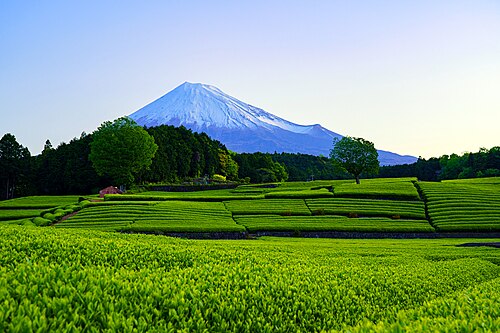
Matcha is a finely ground powdered tea made from tencha. The leaf is processed before it is milled. When the host prepares a bowl, the powder is suspended in the water and consumed with it. A steeped tea such as sencha leaves the leaf behind. A lesson about growing and grinding tea answers a different question from a lesson about serving it. Both can be worth doing when they each have a purpose. JETRO’s guide to Japanese green teas JETRO’s matcha questions and answers
Thin tea and thick tea
Usucha is thin tea. Koicha, or thick tea, uses a greater proportion of powder to water and has a denser texture. Preparing one brings out different movements and choices from the other. A beginner’s session may tell you which kind is served. Ask what will happen if someone in the family wants to see the preparation without drinking. Matcha contains caffeine, and serving sizes vary. Omotesenke’s explanations of usucha and koicha JETRO’s green tea FAQ
For a child interested in taste, ask what they notice first and what they notice last. The bowl’s warmth, the aroma and the texture give guests more to compare than whether the tea tastes bitter. A shop tasting can explore two teas side by side. A hosted gathering gives the guest one example chosen for that occasion. Decide which kind of attention your family wants.
If you want to buy tea after the visit
Ask how the tea is meant to be prepared and how it should be stored. A name on the front of the tin may tell you about a shop, production area or style. The seller can explain what that label means for the particular product. One small purchase makes more sense when you know which part of the experience you want to repeat, such as whisking thin tea or steeping a different tea for breakfast.
Sweets, meals and seasonal clues
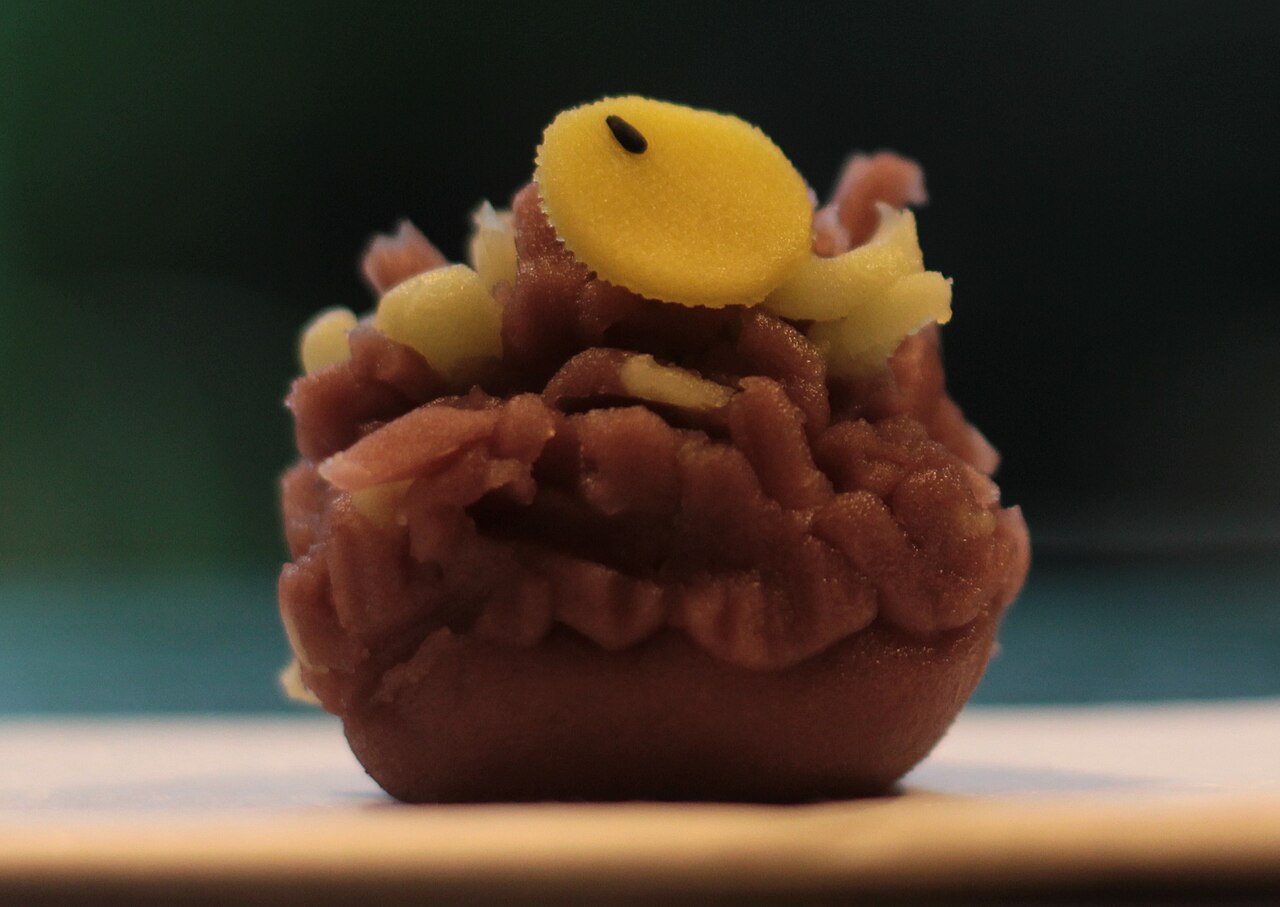
At many introductory services, a wagashi sweet arrives before thin tea. The sweetness changes what you notice in the first sip. The sweet may also carry a season or occasion through its shape, color or name. Look at it before eating. A child can guess what the shape represents and then ask the host how it was chosen. Dry sweets and softer molded sweets differ in texture, so a second visit may give the family a new comparison even if the tea is similar. Kyoto Travel’s guide to seasonal sweets Omotesenke’s glossary of sweets and meals
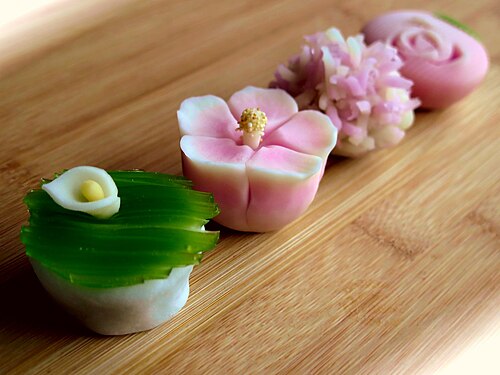
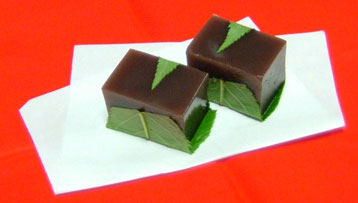
Listen for how the host describes the sweet. The name can suggest an image that the shape alone doesn’t make obvious. If the group has seen the design in a shop, look for what changes when it is served on a particular dish with a particular bowl of tea. A sweet chosen for one date helps explain why the same room can feel like a different setting at another time of year.
A formal gathering may include kaiseki, a meal served in the context of tea. It shapes the length and pace of the visit. If part of the family wants a meal and part is interested in the whisking, ask what is included in the booking. A short shared tea followed by lunch gives the group a different way to spend its time. The washoku guide explains how dishes work together at a Japanese table.
If a guest has an allergy or dietary restriction, tell the venue before booking. Ask who makes the sweet, whether the host can verify the ingredient list and what can be confirmed about shared equipment. Some people can observe a session without tasting. Check with the host whether that option works for the booking. Packaged foods and a sweet supplied by a separate maker require different information. Consumer Affairs Agency’s guide to food labeling
How to be a considerate first-time guest
Give yourself time to find the entrance. A tea room may sit inside a garden, museum or larger property. Check the exact meeting point and use the host’s instructions about shoes, bags and accessories. When the host is arranging the room, keep bags and sleeves away from the serving space. Avoid strong scents if the venue asks you to, and keep phones away until you know the photography rules.
Watch one exchange before trying it
At a visitor service, the person next to you may be served first. Watch how they receive the bowl and where they set it down. Even an experienced tea student may ask a host for guidance at an unfamiliar setting. With a child, keep the instructions short. Give them a signal for when to wait, and let the host show them when to handle something. If the child wants to examine the bowl, ask whether there will be a moment for that after drinking. Uji City’s English instructions for guests JNTO’s tea ceremony guide
Put seating and language in the booking
Ask whether guests sit on the floor, on stools or at a table. Ryūrei, a form of tea prepared at a table, can suit visitors who want chair seating when the venue offers it. Check the full approach to the seat, especially for a wheelchair or a guest who needs to avoid high steps. If interpretation matters, ask who gives the explanation and whether the host uses English throughout or has help for particular parts. A short translated explanation can be enough for a demonstration, while a hands-on lesson may need instructions as each person works. Urasenke’s account of table-style tea Step-free travel planning in Japan
An older child can follow the kettle or whisk and tell the family what changed during the preparation. A preschooler might be happier looking at the sweet and watching one exchange. Agree on a quiet exit with the host if someone may need to take a break. For photography, ask when there is time to take a picture and which utensils or rooms may be photographed. The visit works better when the family can pay attention to the people in the room first.
Kyoto: pair a short lesson with a purposeful second stop
In Kyoto, decide whether the main thing you want to see is the exchange between host and guest, a particular kind of bowl or a historic room. A lesson gives children a chance to follow the movements in order. A ceramics collection lets them compare objects that would appear one at a time in a tea room. For a first visit, book the lesson and keep the collection as a separate, shorter stop if both interests are strong.
Compare the bowl you saw with one in a museum
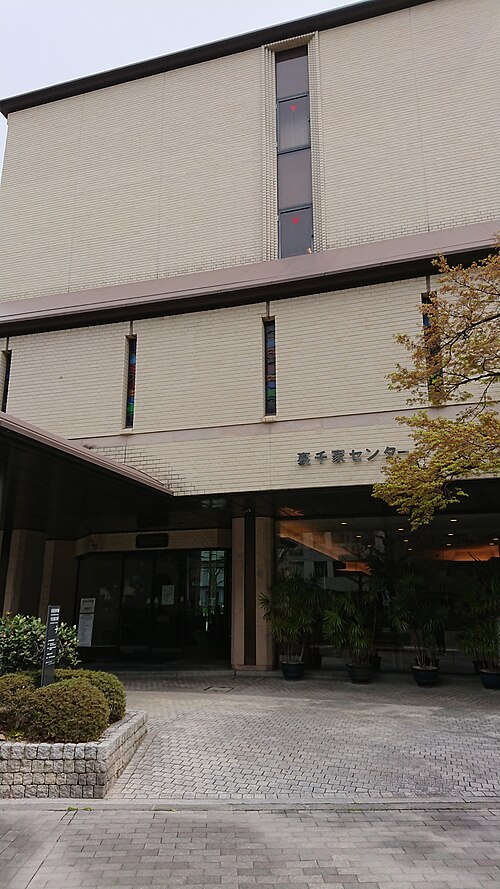
Kyoto National Museum’s archived Chanoyu exhibition is a way to see how the museum connects tea, people and objects. Check its current listings to find what is on display on your visit. The Raku Museum gives a more focused approach to ceramics associated with the Raku workshop. Read one label with children. Look for a bowl’s maker if known, what it’s made of and what part of the surface they would notice while holding it. Kyoto National Museum’s Chanoyu exhibition archive Kyoto’s listing for the Raku Museum
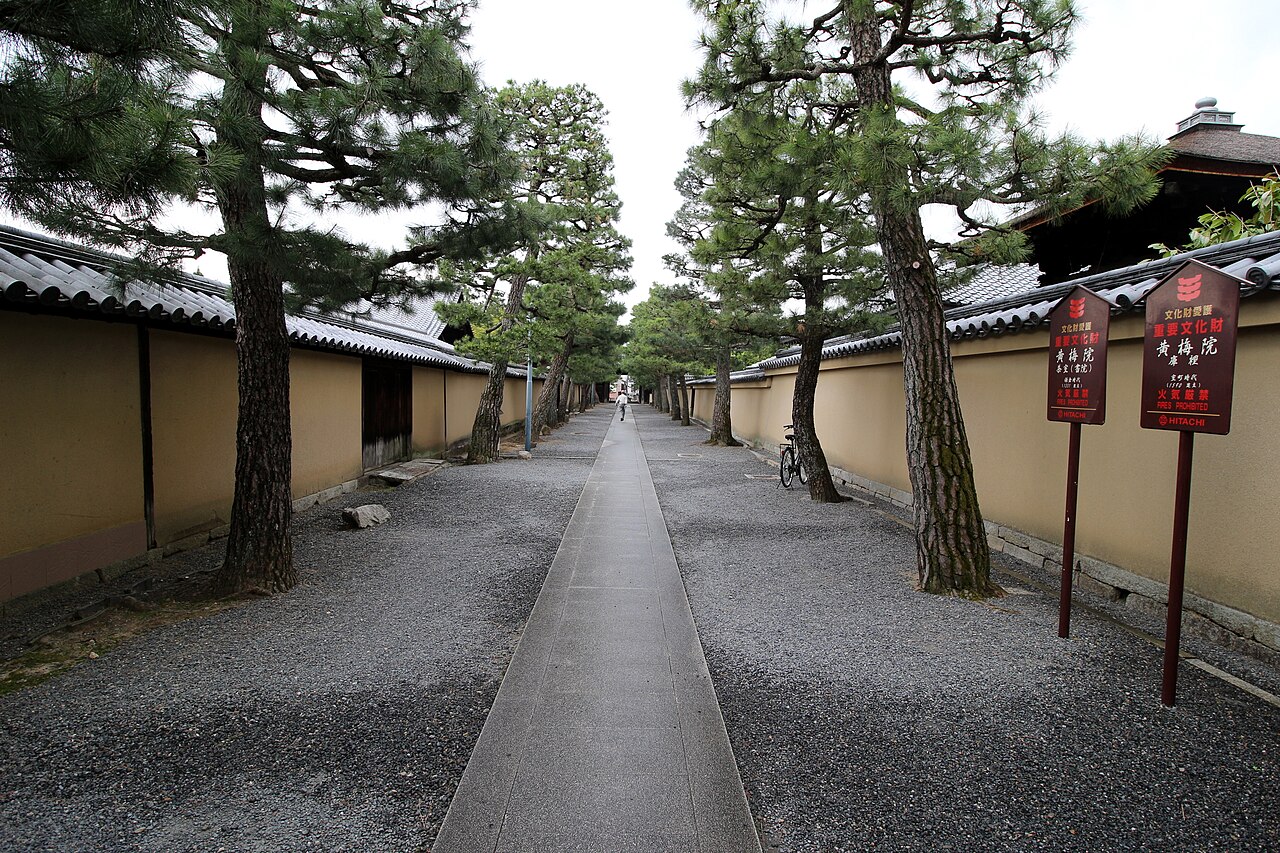
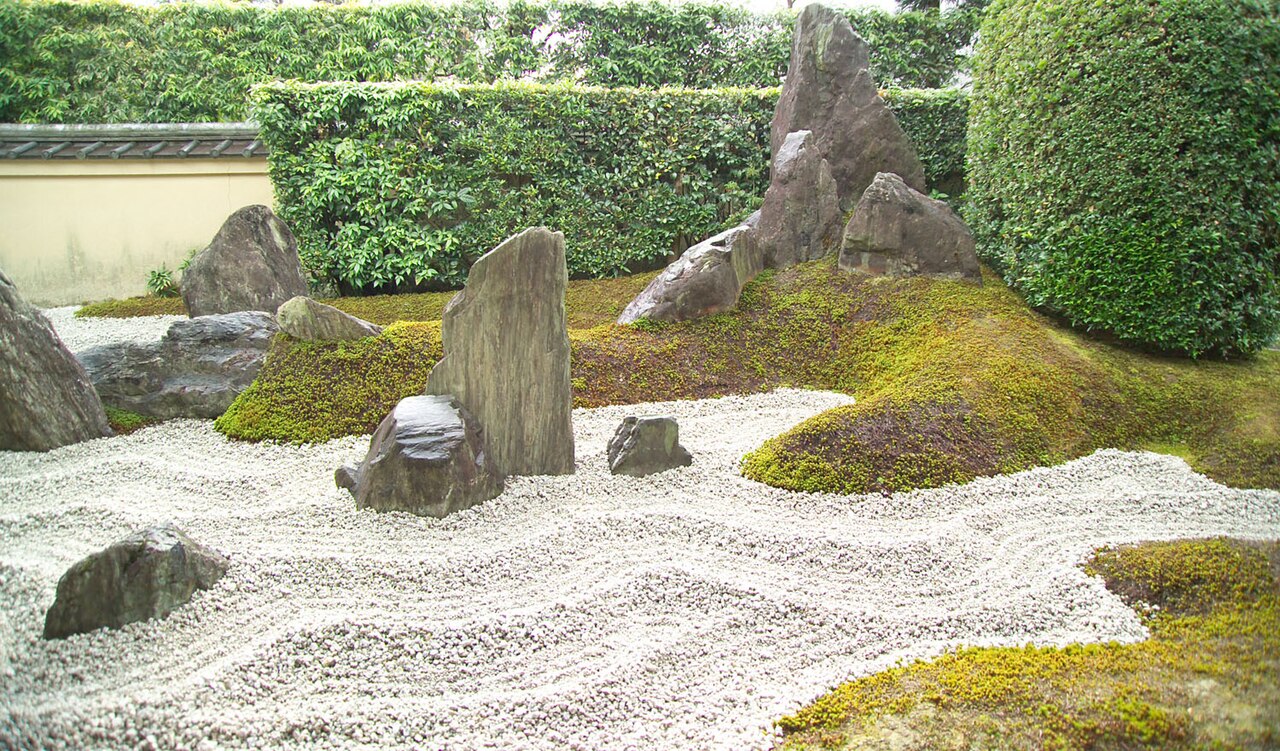
Daitoku-ji is another useful setting for understanding the relationship between architecture, gardens and tea. A photograph of a path or room can help the family see where a guest would pause before entering. A visit to the temple grounds has its own access rules. Check which subtemple or garden is open before promising to see a specific tea room. The one-day Kyoto guide can help you stay in one district instead of putting several bookings on different sides of town.
Uji: connect the tea to its place
Pick one question before going to Uji. If you want to learn how a guest receives tea, look at Taihoan, the municipal tea house. Check the service and booking arrangement for your date. If a child wants to see what happens before the tea reaches the bowl, look at programs such as Ujicha Kobo, which lists activities concerned with the tea and its preparation. Confirm which tasks a child can try and how long the session takes. Taihoan’s visitor information Another Kyoto’s Ujicha Kobo listing
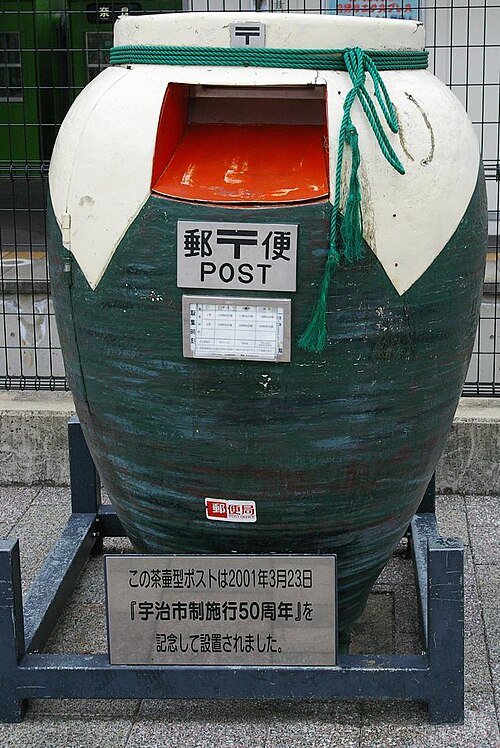
A shop is a good choice when a family wants to compare what two teas are used for. Ask the seller which one they would whisk and which they would steep. If a family member saw leaves milled in a workshop, invite them to explain how the powder reached the whisk. It connects the two visits without requiring a second full lesson.
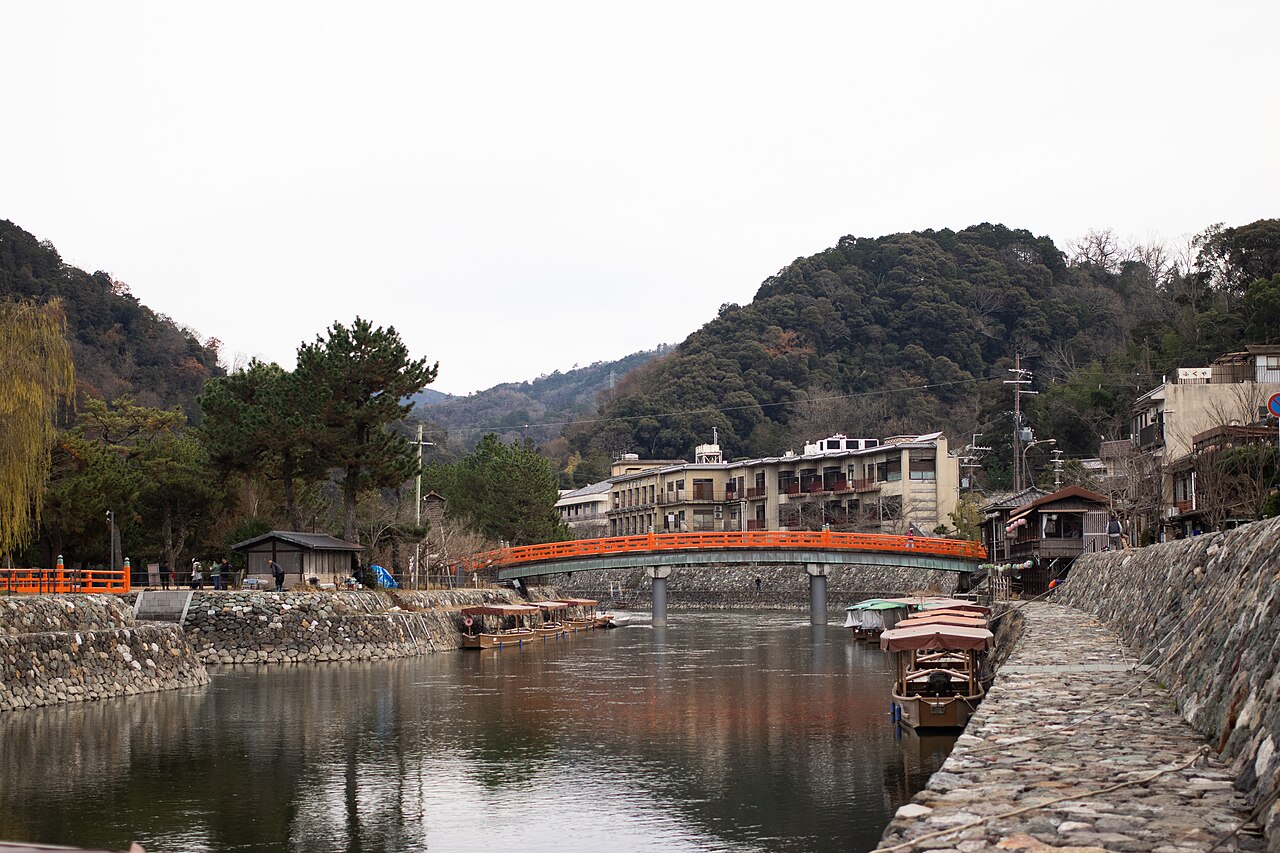
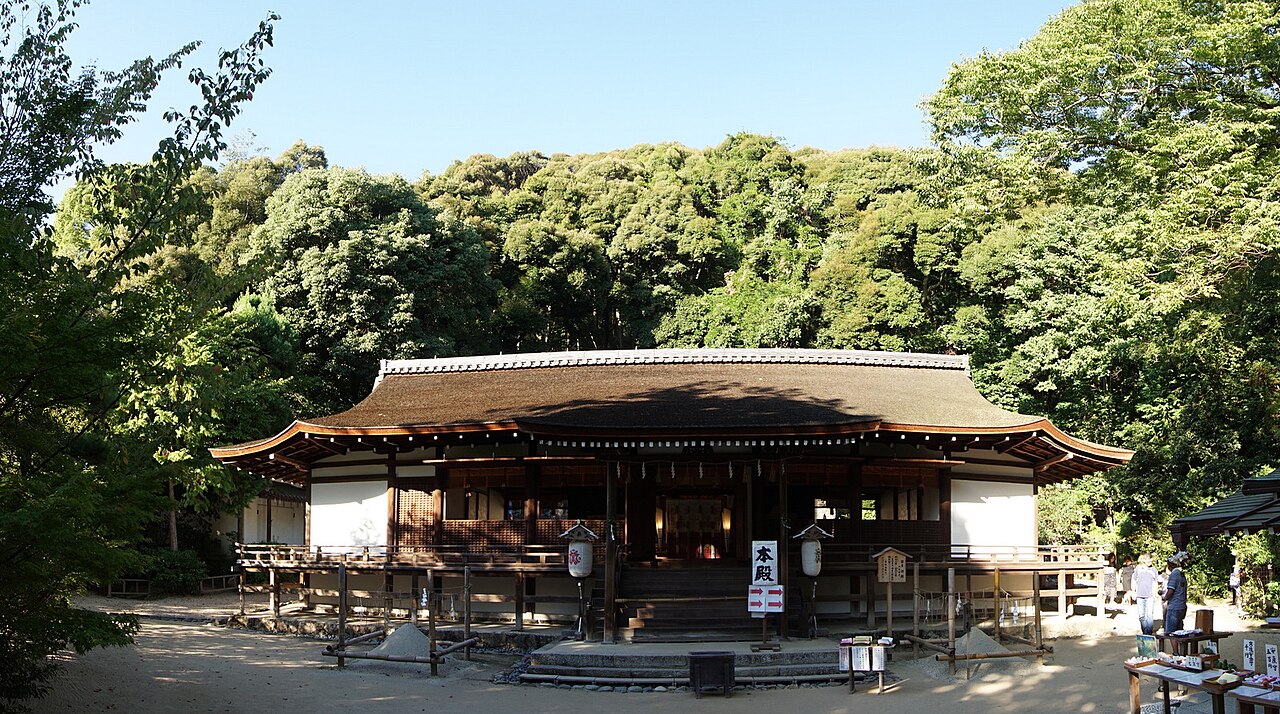
Allow time for the river or Byōdō-in
The Uji River offers room for a short walk after a seated session. If Byōdō-in is also on your list, look up the arrangements for the part you want to see. An interior visit can have different timing from entry to the grounds. Choose tea or the temple as the part of the day that has a fixed appointment, then check whether there is enough time for the other. Byōdō-in’s visitor FAQ
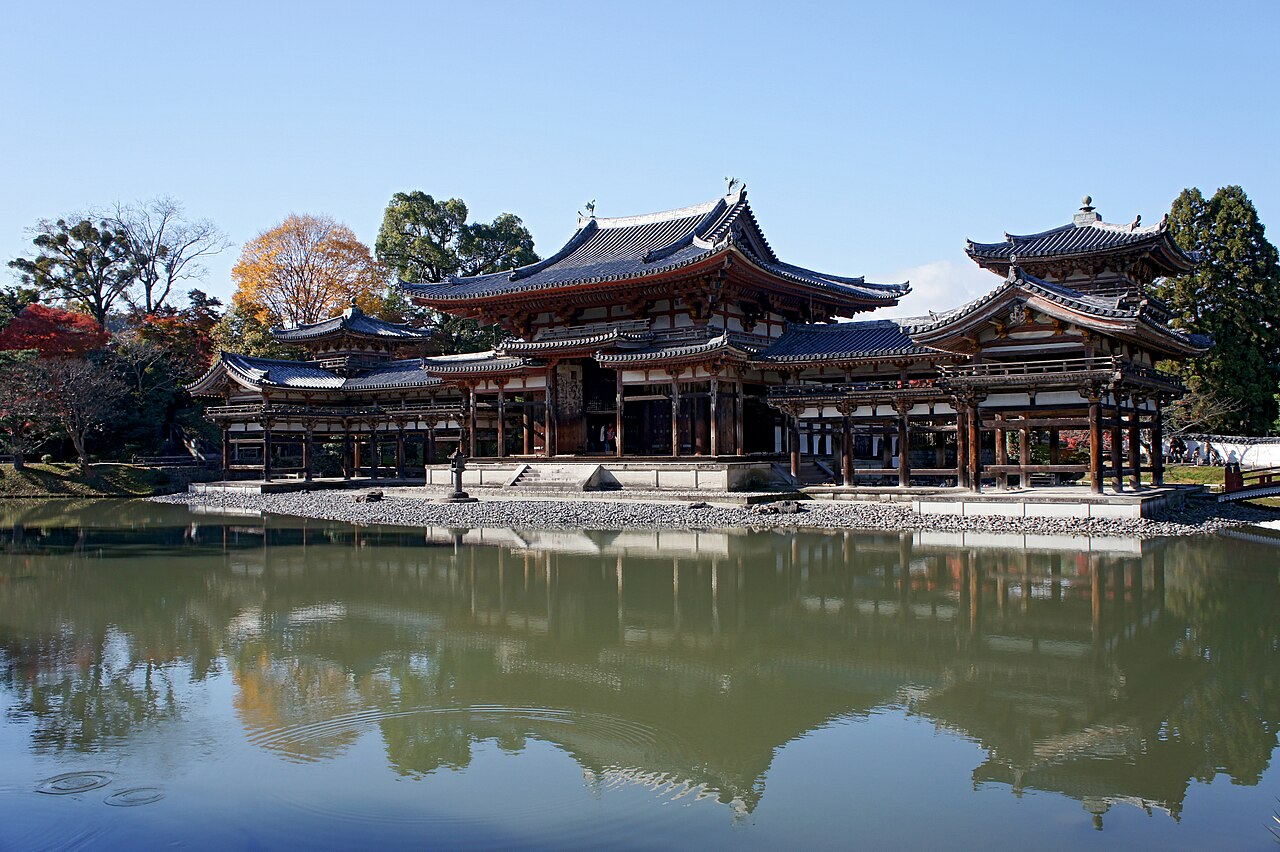
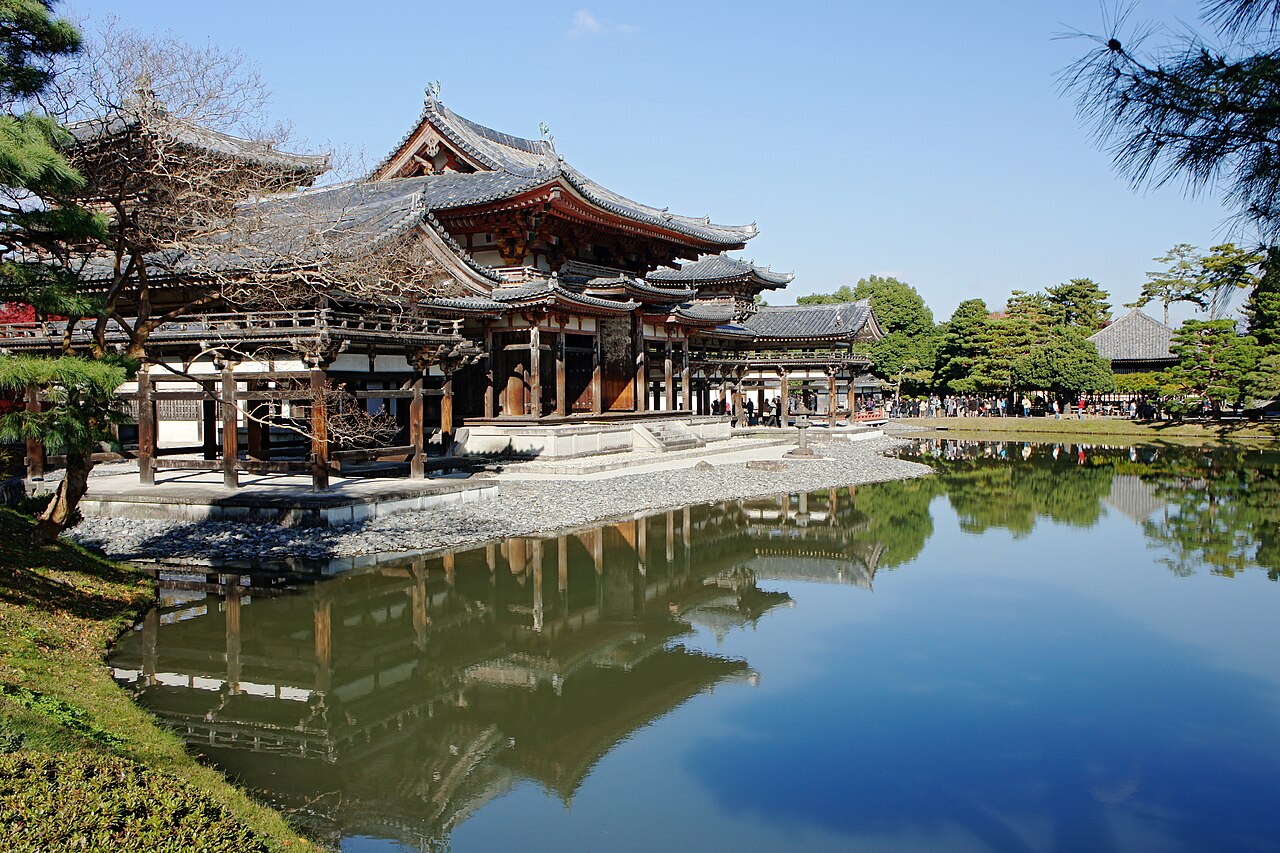
For a family with different interests, you can give one adult and child a workshop while another pair looks at the river or a nearby site. Agree on a meeting place and a time after the scheduled session. A child who can tell the others one thing about the leaf, mill or bowl has already found a way to share the outing.

Kanazawa: read a garden and then choose your tea stop
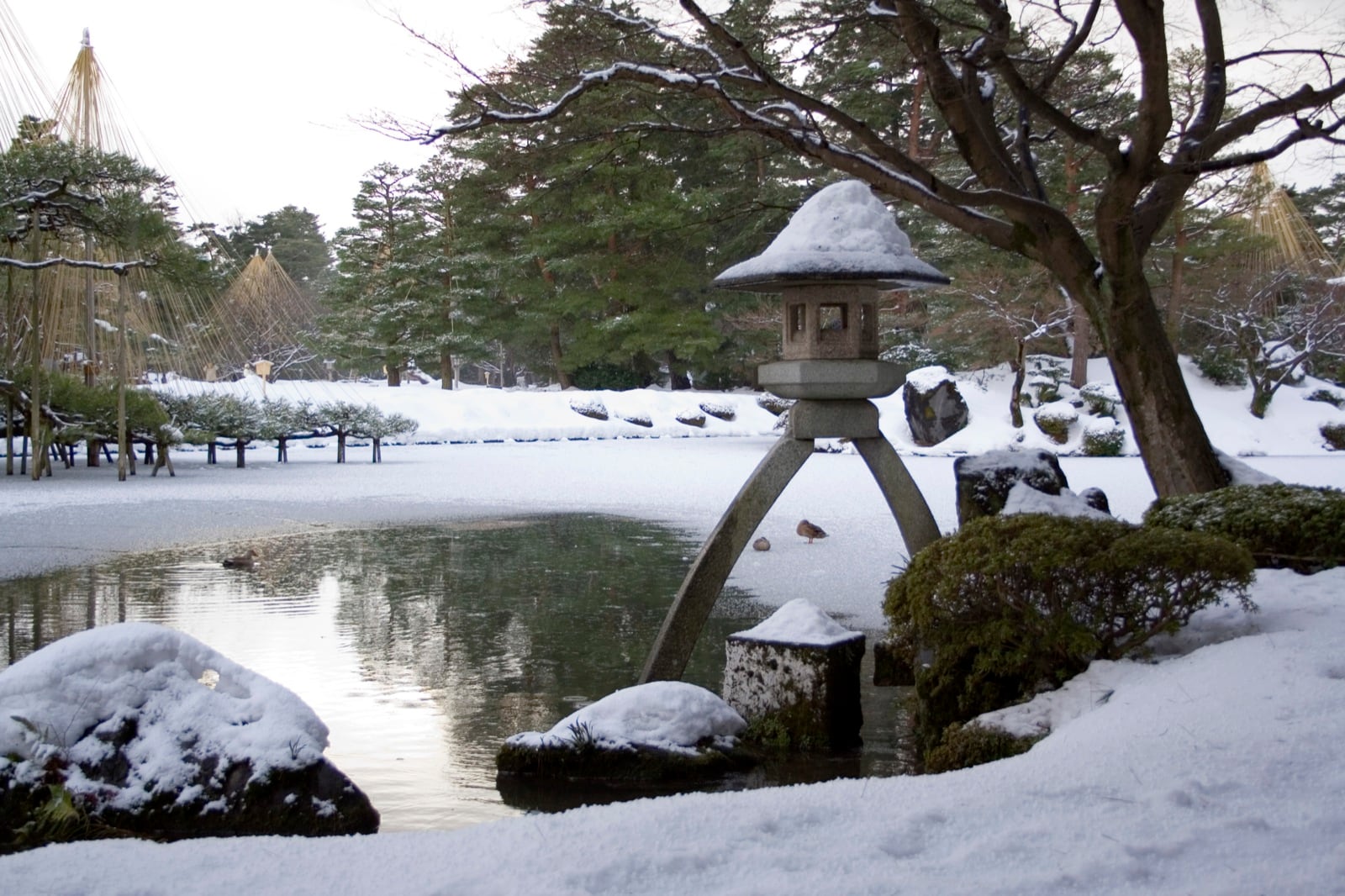
At Kenrokuen, start by choosing one part of the garden to walk around. Then check what Shiguretei is offering on your date. A bowl of tea in a garden can be the seated part of the visit. Ask whether the service includes an explanation or simply tea and a sweet, and what seating is available for your group. A view from the path and a view from a tea house each show the role the garden plays. Kenrokuen’s visitor information Visit Kanazawa’s Shiguretei guide
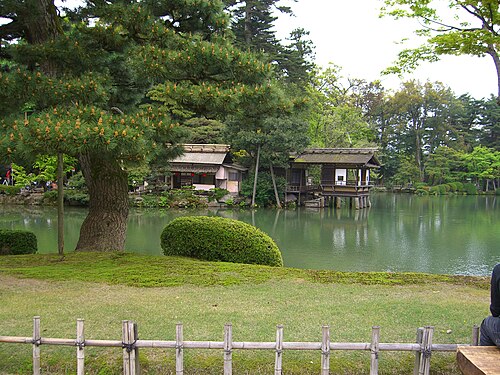
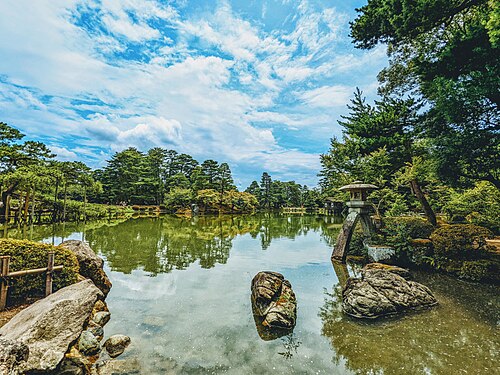
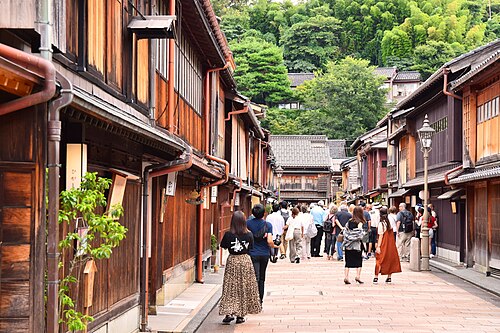
Choose a single view to remember, such as how a lantern sits against the edge of water or where a building appears along the path. The familiar garden looks different as the seasons change. Compare the tea stop with a walk through Higashi Chaya if you have time for both. These are separate activities with their own visitor arrangements. The Kanazawa day guide and the Japanese gardens guide help decide how much walking to put around the tea.
Tokyo: choose between a garden serving and a city collection
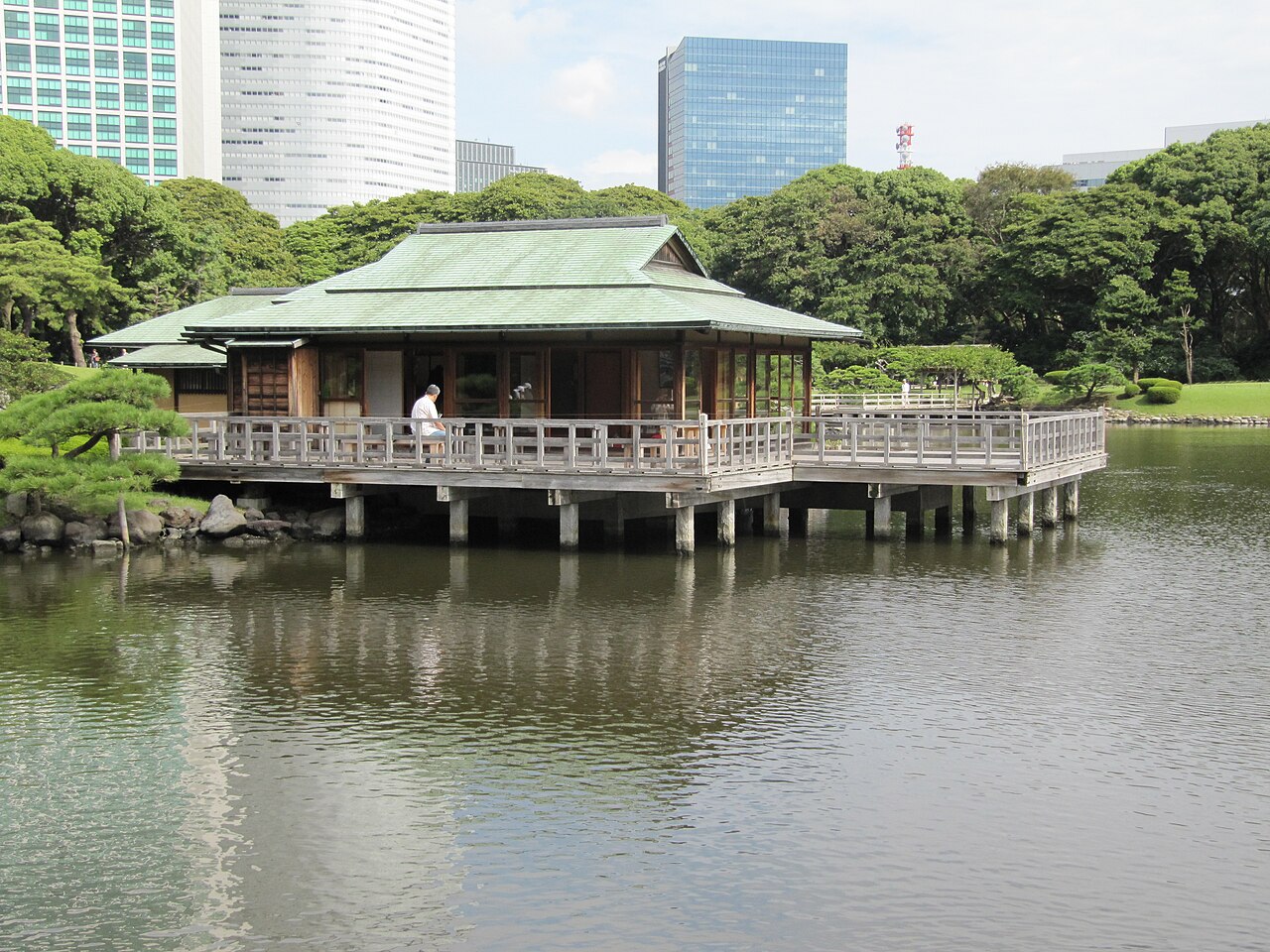
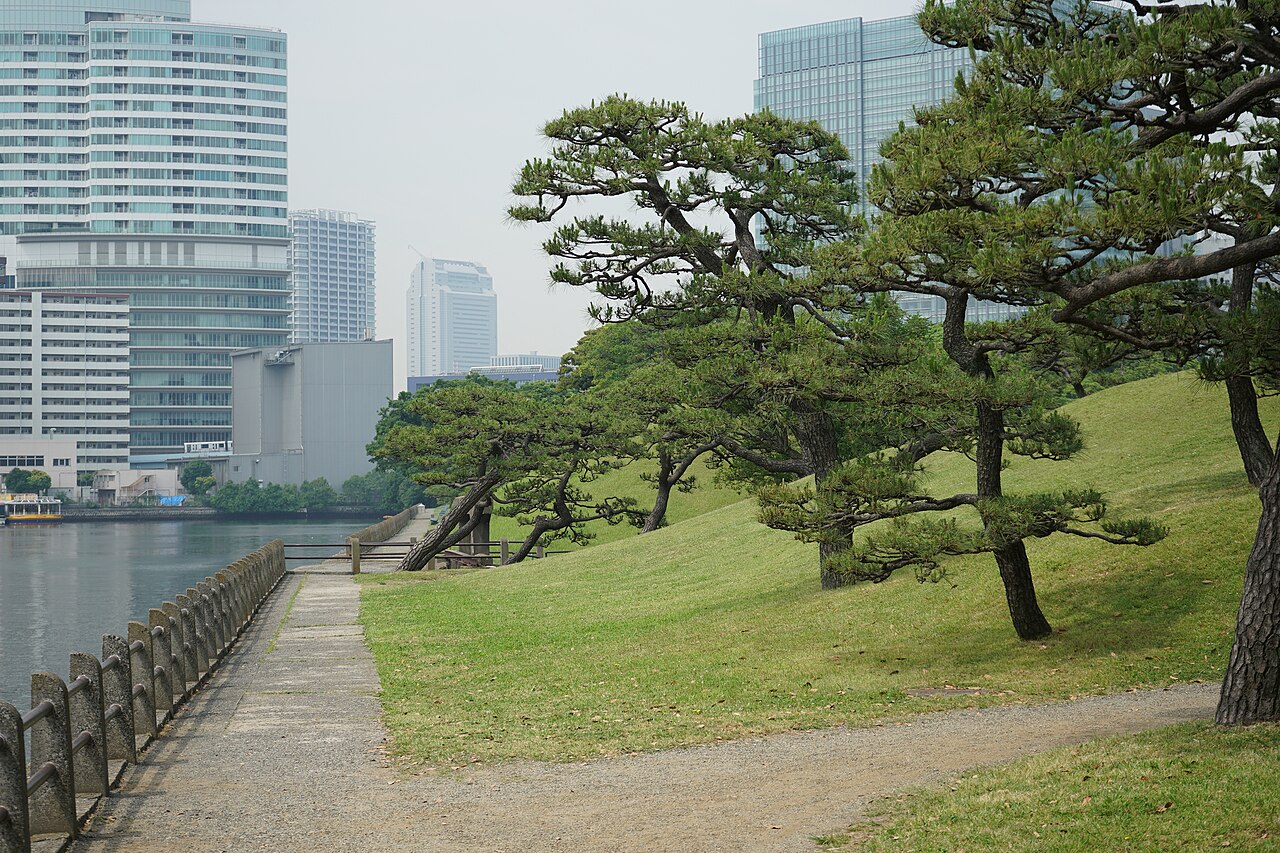
In Hama-rikyū Gardens, Nakajima-no-ochaya sits on an island in the garden’s pond. The bridge and the pond give you time to see the building before entering. Check what is available at the tea house on your date. If part of the family would rather keep walking, agree on a clear meeting point outside the serving area. A bowl, a sweet and the view can be a full visit for a young child. Tokyo Metropolitan Park Association’s Hama-rikyū guide
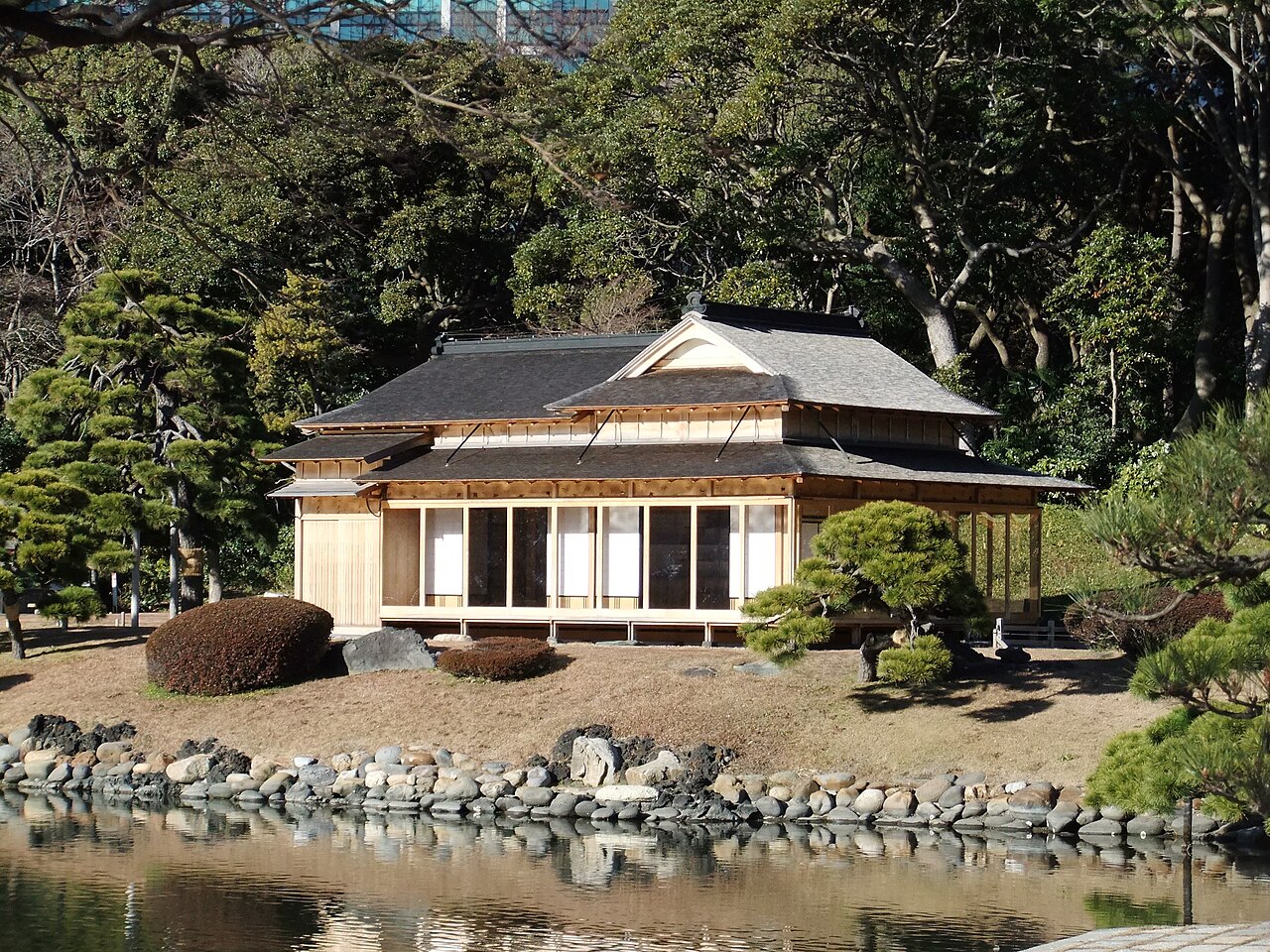

If you want to compare utensils, look at Tokyo National Museum’s Japanese Gallery program. A gallery lets you take time with a bowl or scoop and read how it was used. For a room to visit, check the Suntory Museum of Art’s Genchō-an tea room information and the schedule for its actual program. Museums and gardens use the same words for tea in their listings, so check whether a bowl is served, a demonstration takes place or a space is open for viewing. Tokyo National Museum’s Japanese Gallery program Suntory Museum of Art’s Genchō-an visitor page Tokyo day guide
Sakai and Nara: see the places behind teachers and tools
Sakai offers a way to understand Sen no Rikyū in the context of a trading city. At Rishō no Mori, read how the museum connects the town, the teacher and the utensils that families see today. An older child can look for a place name on an object’s label and ask how that piece reached a tea room. Check what type of tea experience is offered on the day alongside the displays. Japan Tourism Agency’s Rishō no Mori interpretation Osaka tourism’s visitor listing
In Takayama, Ikoma, in Nara Prefecture, the bamboo whisk is the reason to go. Ask a maker’s workshop whether visitors can see a demonstration or take part in one step. A child can look closely at where the bamboo is split and where its strands remain joined, then think back to how the whisk moved inside the bowl. This outing works well for a family member who enjoyed the tool more than the formal serving sequence. Visit Nara’s whisk workshop listing Nara family day plans
Questions to ask the person taking your booking
Start with the experience and the people attending. Ask whether you’ll be served tea, watch the preparation or have a turn with the whisk. Then state the number and ages of the children, whether adults can observe, and whether anyone needs chair seating or a level route. Ask what the host can confirm about the sweet and tea if ingredients matter. If someone might need to leave early, ask when it is easiest to step out.
An example request to a host
“We’re four adults and two children, aged six and ten. The children would like to see the preparation and try whisking if that’s part of the lesson. One adult needs a chair with a back and a level approach. Could you tell us how long the visit lasts, what is served and where to meet?”
Choose one reason to remember the experience. Follow the bowl from the host’s hands to the guest, look for a seasonal motif, or understand how a bamboo whisk is made. A private Japan trip can put a confirmed tea booking alongside a short museum or garden visit at a pace the family can manage.
Further reading
The Met explains how early collectors and potters shaped the objects used in chanoyu. Air Culinaire Worldwide offers a visitor’s view of receiving a bowl and watching a host work. Use the school or venue instructions for your own visit. The Metropolitan Museum of Art’s tea ceremony essay Air Culinaire Worldwide’s tea ceremony article