
In this guide
Tokyo for food, temples or onward rail
Choose Asakusa for easy mornings near Senso-ji, Ueno if several museum visits are on the list, or Shinagawa when you have an early onward Shinkansen. I’d check the room-to-platform route before assuming a station-area hotel is convenient. JNTO’s itinerary for Tokyo and Kansai.
Kyoto Station or downtown
I’d stay around Kyoto Station for multiple rail day trips, or choose Karasuma and Kawaramachi for easier dinners and evenings on foot. Use a taxi for an arrival with several bags if the last leg is awkward. JNTO’s transport guide.
Rooms and the walking budget
Confirm bed count, lift access and the actual distance to the nearest useful station exit. With children or older relatives, I’d plan a lunch break within reach of the hotel on the first full day. JNTO’s comfort and luggage guide.
Choose the hotel around two mornings and one evening
Write down the first two worthwhile outings and where you want to eat after them. If Tokyo’s are Senso-ji and a half-day in Ueno, compare Asakusa and Ueno. If Shibuya and Harajuku dominate, use a west-side base or give them one dedicated day. Ask how long the last station-to-hotel leg takes with a child and a bag rather than measuring distance to a central pin.
In Kyoto, decide how much time you’ll spend on trains to Nara or other cities. A Kyoto Station hotel can simplify those days. Downtown near Karasuma or Kawaramachi can shorten dinner and make it easier to return from the east side. Share the actual station and operator with the hotel when asking which exit to use. JNTO’s example of building days around Tokyo and Kansai.
Test the return from the outing that runs longest
In Tokyo, try the round trip from Ueno Park to an Asakusa room or from Shibuya’s main streets to a west-side hotel. Choose one station exit near a lift if travelling with a stroller. If your family needs midday breaks, try one simple first day close to the hotel before arranging a late meal across town.
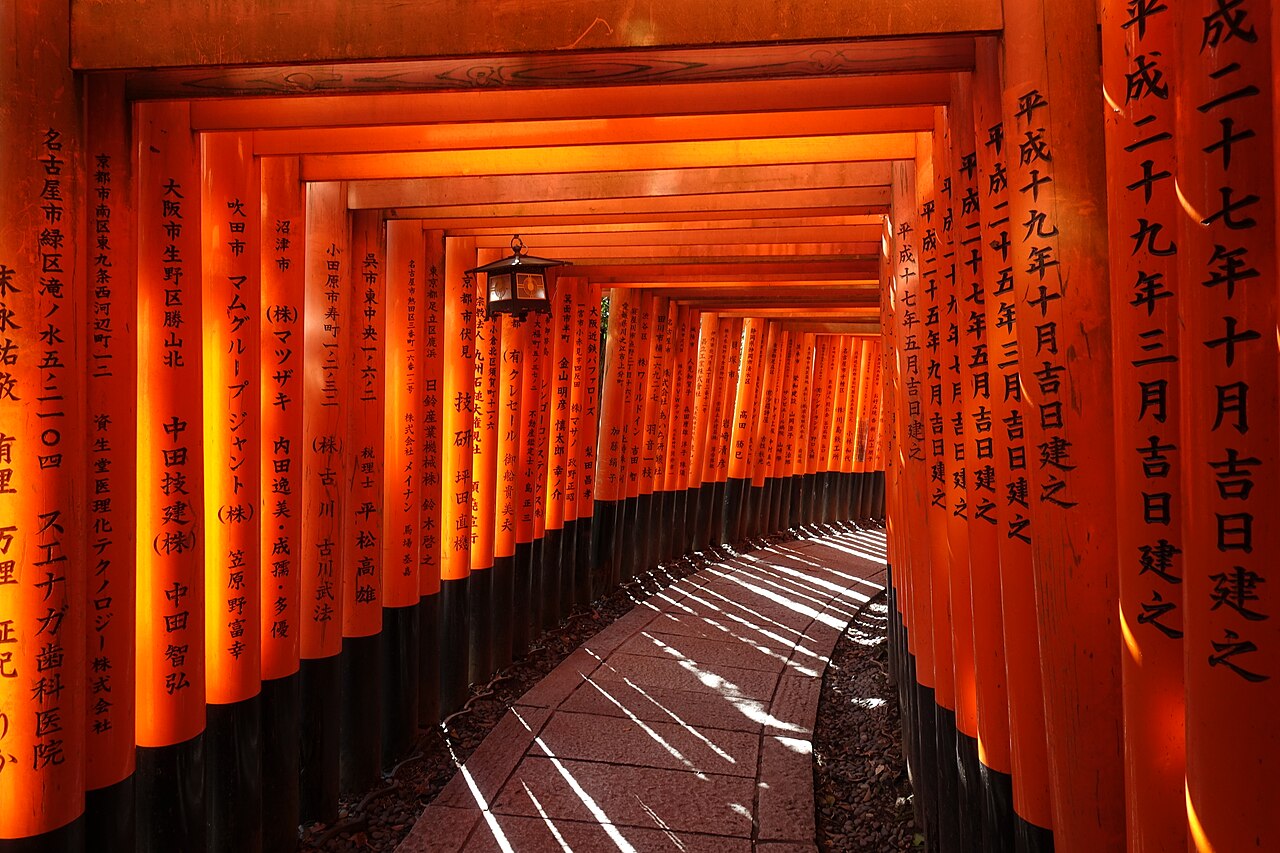
In Kyoto, map one return from the lower Fushimi Inari gates and one return from the end of your Higashiyama walk. Bus, Keihan and JR access vary by neighborhood, so compare the whole journey. A private transfer may help with arrivals and tired afternoons, but confirm where a vehicle can reach in the historic streets. Kyoto’s guidance on transport between districts.
Separate the night before the train from daytime sightseeing
If leaving Tokyo early by Shinkansen, check Tokyo Station and Shinagawa against the train’s actual stops. A station-area room can be useful for one night or for a family with heavy bags, but moving hotels for just one easier departure may consume some of the previous day. Price a taxi on departure morning and compare time spent packing and checking in.
In Kyoto, identify which side of the station you reach and whether you need the Shinkansen or a local train. If you keep the downtown room, write down one reliable route and a backup. Make sure the breakfast and checkout arrangements fit the departure without rushing the entire family. JNTO’s rail planning guidance.
Confirm the bed count and the route from the lobby
Send ages, the number of sleepers and the number of separate beds to each property. Ask whether a cot, rollaway or connecting room can be confirmed. A traditional property may use futons, internal steps or a different bathing arrangement, so ask for the bedroom-to-bathroom route and whether there is room to store a stroller.
With three generations, two rooms with an accessible corridor can be more useful than a larger suite reached by stairs. Keep a breakfast option and a suitable vehicle pick-up point nearby. Confirm these directly, especially if the booking summary only shows maximum occupancy.
Try the choice with two sample families
With a two-year-old and a nine-year-old, I’d choose an east Tokyo hotel near the younger child’s morning outing, then give the nine-year-old a museum trip with one adult. Visit Tokyo’s comparison of Asakusa, Ueno and key rail bases to see which neighborhood suits both outings.
With teens and grandparents in Kyoto, I’d choose a downtown hotel if the main evenings are near the river or market, but use a station hotel if there are repeated intercity starts. Read where to stay in Kyoto for family rail and evening plans and pick the return route before paying for the room.