
In this guide
Five days with one transfer
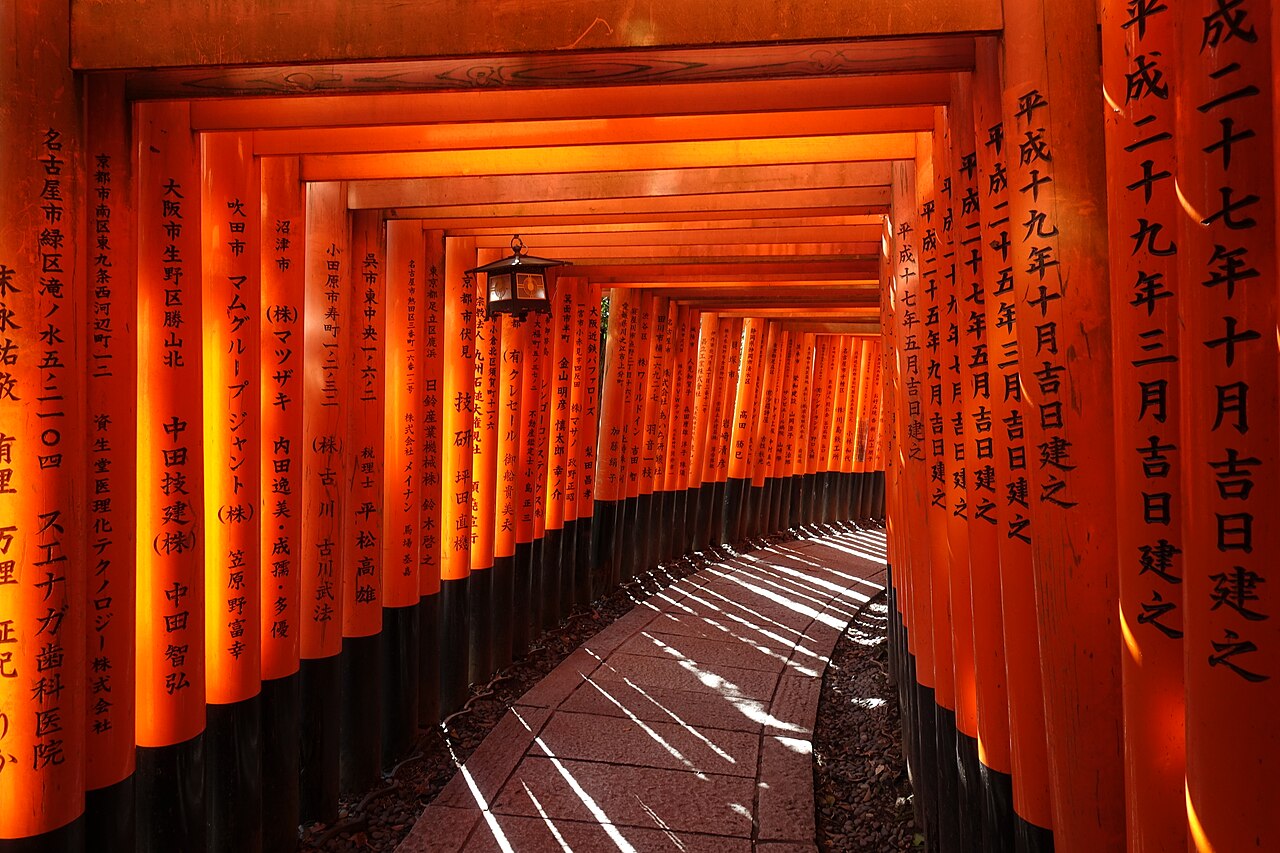
I’d put three nights in Tokyo and give Kyoto the remaining night or two if your flight can leave from Kansai. Keep one west-Tokyo day and one Asakusa morning. In Kyoto, choose Fushimi Inari or Higashiyama for a single half-day. JNTO’s Golden Route for the main rail corridor.
Seven days, with somewhere to slow down
Choose between a Hakone night and extra time in Kyoto. I’d pick Hakone when a ryokan dinner and bath are part of the reason for going. I’d stay put in Kyoto if unpacking twice in a week already feels like enough. JNTO’s Hakone and Kansai itinerary ideas.
Ten days with a western extension
Spend two nights in Hiroshima if you want a quiet museum visit and a separate day for Miyajima. Check your flight plan before going west, since a Tokyo departure adds a substantial final rail leg. JNTO’s guide to continuing west from Kansai.
Leave a spare half-day
I’d keep the afternoon after the Shinkansen open. A delayed check-in or heavy rain is easier to absorb if you’ve put no paid activities in that slot. JNTO’s practical planning advice.
Prepare for the first train before you fly
Save your hotel’s Japanese address, the station name and a screenshot of the useful exit before you fly. If your overseas data plan starts after you arrive or you plan to collect a rental router, those details still get you from the terminal to your first hotel. JNTO’s connectivity guide.
Start with the arrival and departure airports
Put the two airport names and flight times at the top of the plan. A late landing at Narita, a morning departure from Haneda and a Kansai flight after lunch lead to different last-night decisions. Follow the route all the way from the terminal to your hotel entrance, including the station exit and the last walk. I’d keep the arrival evening within walking distance of the room, especially when children have already spent part of the day in the air.
An open-jaw schedule that arrives in Tokyo and leaves from Kansai can free the day a Tokyo round trip would spend returning east. Check whether your flights, fare and actual airport transfers make that worthwhile. With a Tokyo round trip, plan the return from Kansai before the final airport day if a missed train or long connection would be hard for the family to absorb. JNTO’s Tokyo and Kansai itinerary.
Pick the two hotel bases before allocating attractions
For a first week, I’d give Tokyo and Kyoto enough nights to use their neighborhood outings at different paces. Use Asakusa and Ueno for an east Tokyo day and reserve a separate west-side half-day for the park, shrine or shopping district that interests the group. In Kyoto, decide between the lower Fushimi Inari gates and an eastern Kyoto morning; add Nara only if you still have a free day.
Compare station hotel and downtown hotel by the route you’ll repeat. If you plan Nara and an early departure, compare Kyoto Station with other Kyoto bases. If dinner and a return for a nap matter more, try the exact walk between the room, a meal and your first stop. One neighborhood plan that works in the rain is more useful than three attractions that depend on a perfect connection.
Design a moving day you would still enjoy after a delay
For Tokyo to Kyoto, count luggage collection, the station walk and time between the train and hotel. I’d aim for lunch at one end of the ride rather than on a tight change. Forward bags only after confirming the accommodation can receive them and the delivery time works. Keep the documents, a change of clothes and whatever the family needs for the first evening with you.
Write one short option for arrival: a meal near the room, a brief walk or the hotel itself. Put timed museum or park reservations on a full day. With a child who needs regular meals, decide where to buy food near the departure station before boarding, and protect time to get siblings seated together. JNTO’s guidance on rail travel.
Add one extension that earns its hotel change
A Hakone night earns its place if the inn, bath or meal will feel worthwhile even when Mount Fuji is hidden. Two nights in Hiroshima make room for a reflective visit to the Peace Memorial and time on Miyajima separately. An alpine town becomes more appealing when you can spare an entire morning after the transfer. Choose the experience that justifies packing up and moving again.
With ten days and a preschooler, I’d compare an extra Kyoto night with a third base. Count how many restful full mornings you gain in each version. A family with train-minded older children may enjoy the itinerary from Tokyo to Kanazawa and Takayama, while families who mainly want more time in each city can compare the two-base family itinerary.
Make a first draft using one must-do per person
Ask each traveller for one essential experience. Pair children’s preferences with a workable day rather than spreading them across several bases. For example, an older child’s wish for the railway museum and another child’s preference for a market lunch can lead to a full indoor day and a separate short downtown outing. An older relative may want a quieter garden morning and a room that is easy to reach after lunch.
On your draft, mark the things that require a reservation and put them on different days. Circle one optional plan you can drop in each base. If you request a private Japan itinerary, include the fixed dates, room setup, preferred walking pace and the experiences you want to build the trip around.