
In this guide
Two bases · Make it easy to unpack
I’d spend the first Tokyo day close to the hotel and protect a Kyoto morning for Higashiyama. Count the intercity move as its own day and use any extra arrival time for a neighborhood walk. See the Tokyo and Kyoto corridor.
Decide what you want from the extra night
Add Hakone if a ryokan night can work in poor visibility. Put the night in Kyoto if you’d rather see Nara and still have two flexible mornings. In both cases, compare the real airport leg before fixing the final hotel. Compare Hakone and Kansai itineraries.
Choose the six-night spine
Three Tokyo nights and three Kyoto nights leave room for two distinct city mornings on each side and a low-demand transfer in the middle. Put the most important Tokyo outing on the second day if you arrive late. A two-night Tokyo and four-night Kansai split can work when younger children want a simpler pace around Kyoto or the family has a dated outing in Osaka. Choose hotel locations from the days you plan to repeat.
For a family with a five-year-old and a teenager, try one split afternoon in each city. Use a rail exit or a café as the rendezvous so the teenager can take a longer loop with another adult. Check whether a room can accommodate that midday return in where to stay in Kyoto. JNTO’s Golden Route through Tokyo and Kansai.
A worked seven-day sequence
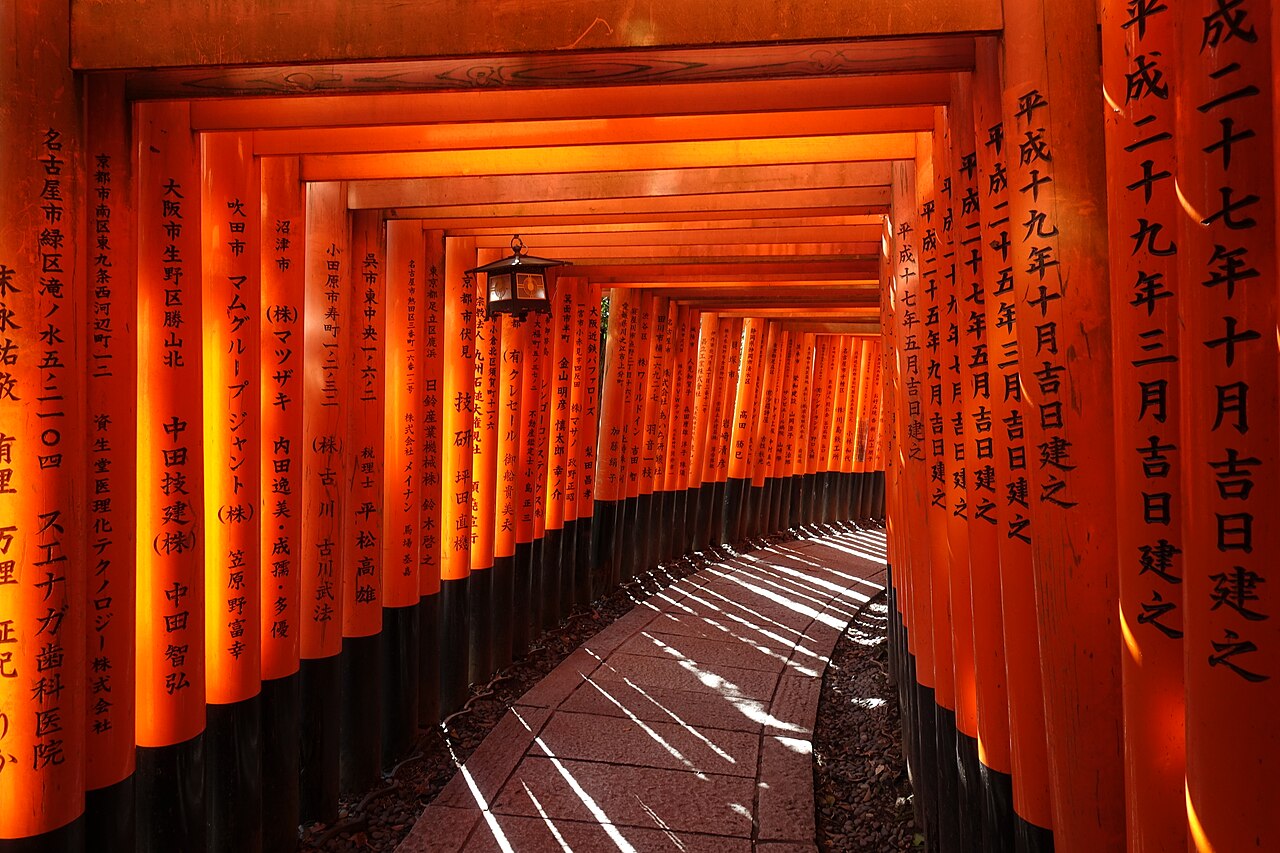
Days one and two are Tokyo arrival and an east-side morning. Day three can be Meiji Jingu and one nearby district, with the evening for bags. On day four, take the intercity train and walk near the Kyoto room after check-in. Use day five for the lower Fushimi area or Higashiyama. Day six goes to the strongest remaining interest, such as a short Nara day or another Kyoto neighborhood, before the final departure on day seven.
If a relative leaves before the others, arrange a short lunch near Kyoto Station or the outbound rail platform on the last full day. If the rest of the family wants to continue, give them a different indoor or short walking option close enough that the return is familiar. Kyoto City’s specific Fushimi Inari access notes.
Compare a ryokan night with a day left unbooked
An overnight in Hakone changes both the Tokyo checkout and the Kyoto arrival. For families who want dinner, bathing and an early quiet meal, the night can be the experience. Arrange the arrival window before you buy the tickets and decide whether to send a case ahead. The Hakone lodging guide helps compare the station side and the mountain areas.
The easier alternative is to keep both hotel bases and use the open day for Kyoto, Nara or a longer local outing chosen when you have seen everyone’s pace. If the family is carrying a stroller, several cases and a walking aid, count the time saved by avoiding a checkout and a second arrival. JNTO’s guide to an onsen and ryokan experience.
Give the middle train day its own checklist
Reserve adjacent seats when it matters to the family, then check whether any bag needs a specific seat or storage. Keep snacks, medication and the day clothes with you even if larger bags are being forwarded. Mark the exact station entrance on the itinerary and agree who is in charge of luggage during boarding. Keep the transfer afternoon for easy food rather than a timed activity.
If departing via Kansai, check airport transfer timing from the actual hotel. Two adults with a toddler can manage a different connection from a bigger group with separate arrival schedules. Add a seat or ride only if it is priced and confirmed for the route you expect to use. SmartEX guidance for luggage on relevant Shinkansen services.
Choose one morning everyone remembers for the same reason
Ask each traveller for their strongest preference before putting all seven days on a calendar. Build one shared low-effort morning around the interest that overlaps, such as a first tea experience in Kyoto or a short Tokyo neighborhood route. For a group with very different walking speeds, put the optional extension after the reunion point. Our tea ceremony guide outlines different lengths and settings so you can choose a session both younger and older travellers can comfortably attend. JNTO’s planning advice for a first Japan visit.