- Start with Ainu voices and the National Ainu Museum’s collection.
- Compare historic textiles, reconstructed houses and public programs.
- Plan a museum and park visit in Shiraoi at your family’s pace.
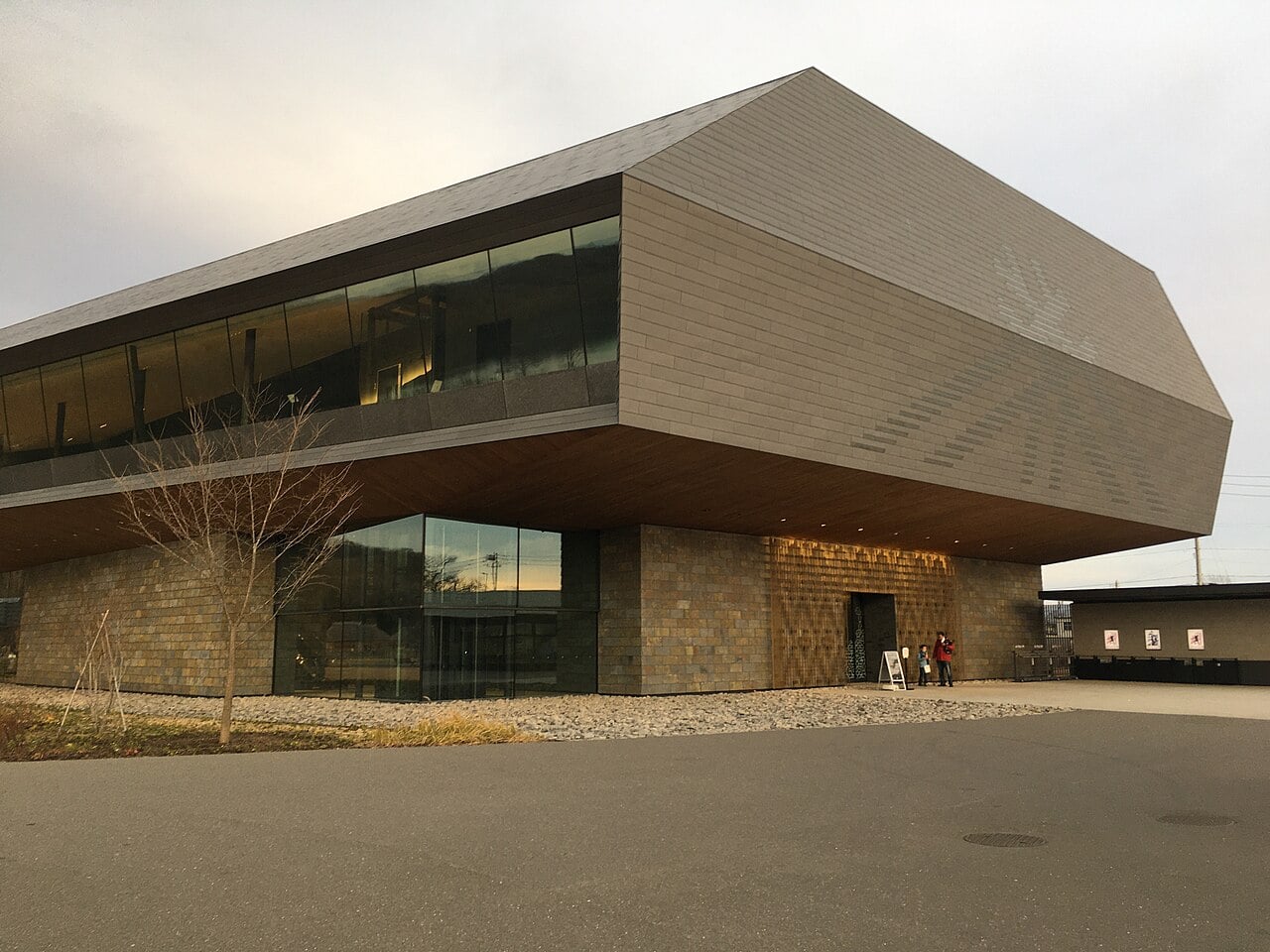
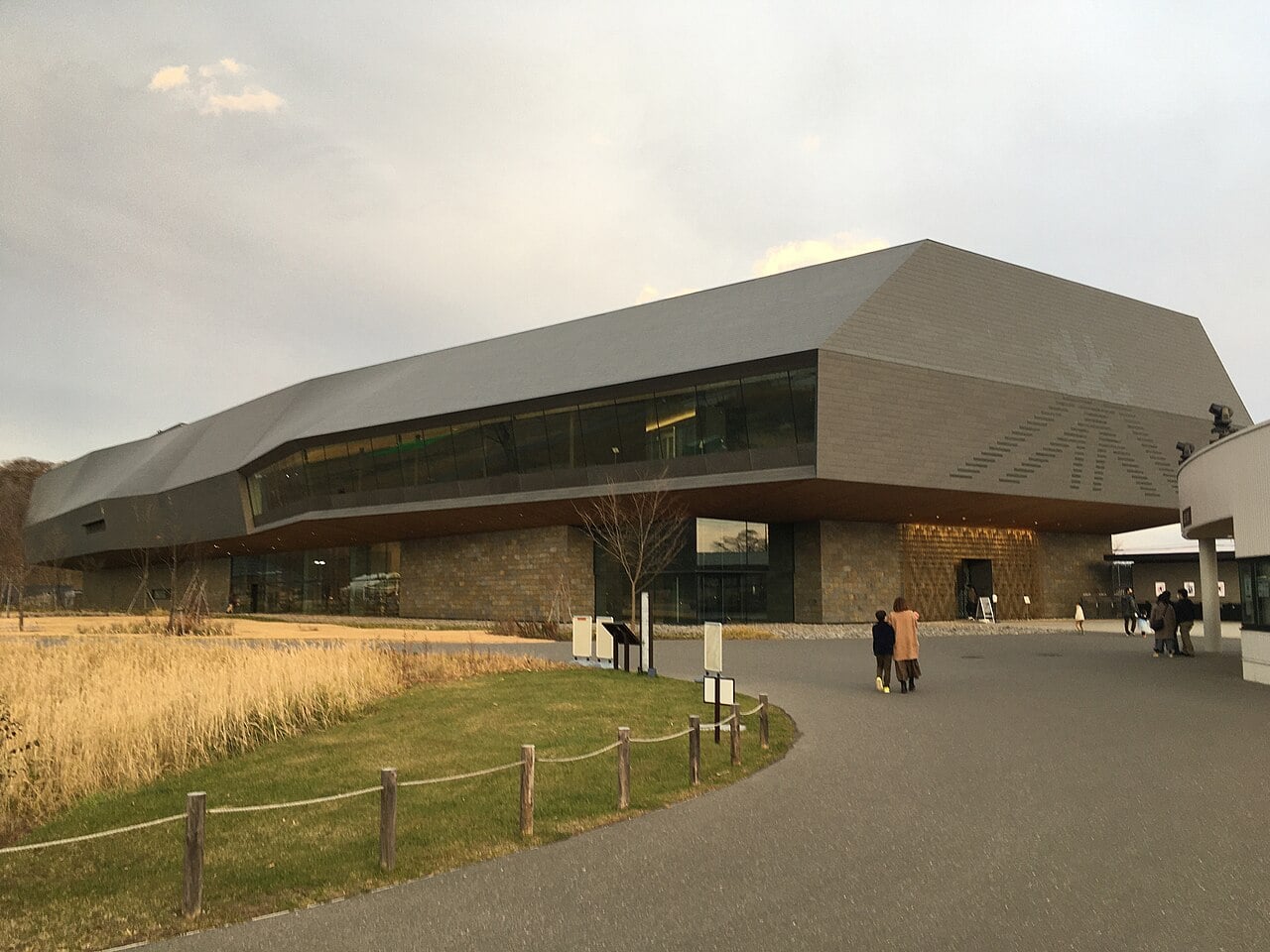
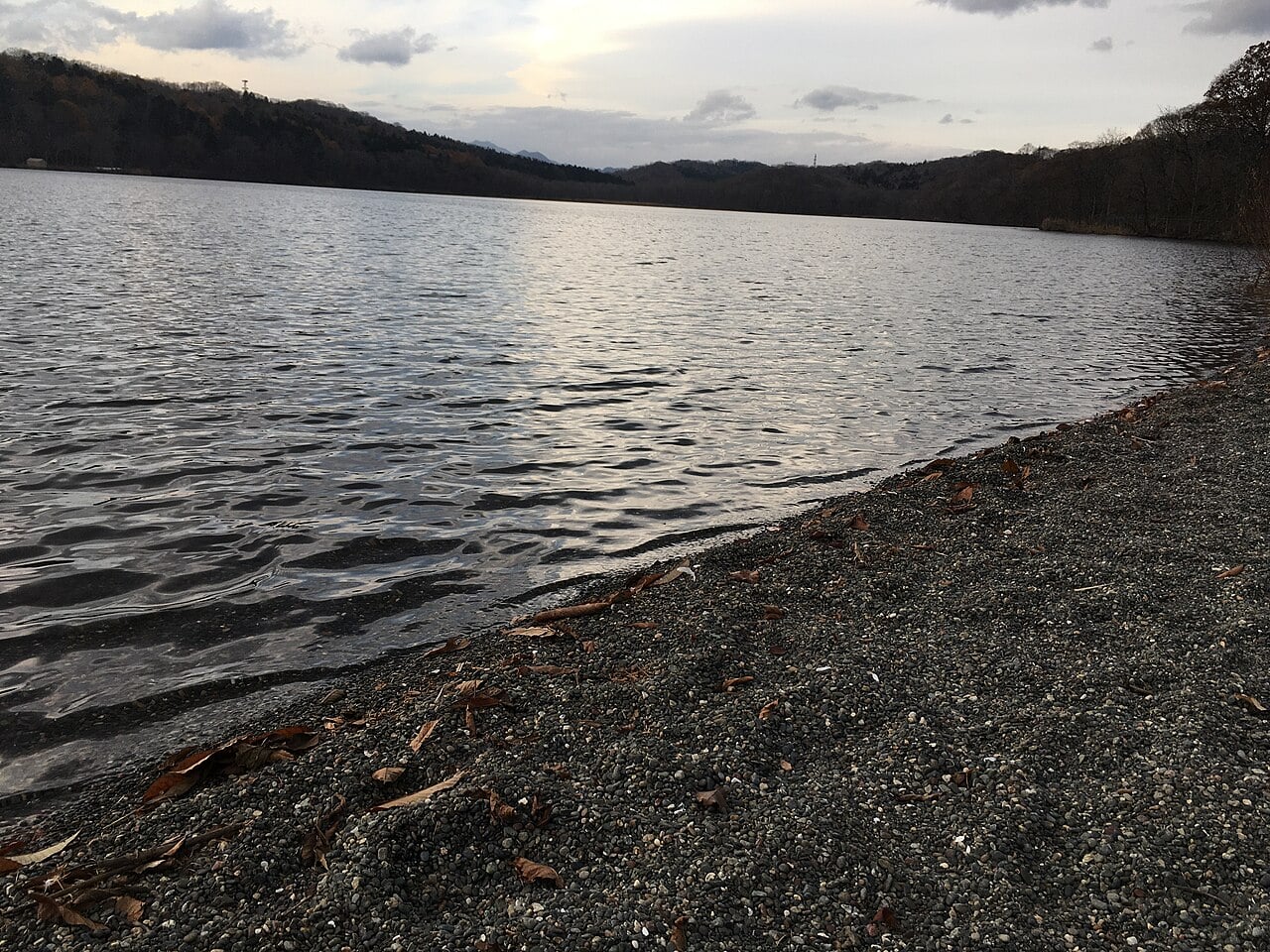
At Upopoy in Shiraoi, read an object’s label before deciding what it represents. Find out who made it, where the technique was used and whether you are looking at a historic piece or work made by a living artist. A family can start with one object in the museum, then see how it connects to a demonstration, a house or a walk beside Lake Poroto.
Ainu people and Ainu culture today
Ainu people are Indigenous to northern regions including Hokkaido, northern Tōhoku, Sakhalin and the Kuril Islands. The National Ainu Museum explains how ways of living varied across places and changed through trade, government policy and contact with other societies. It also presents the work of people who teach, create and pass on language and skills today. An exhibit about a particular place or century describes one part of that history. National Ainu Museum’s introduction
Use the museum’s distinction between living culture and historical objects. If children are drawn to a robe or tool, read the maker or community name out loud. Ask which materials came from the surrounding landscape, which could be obtained through exchange and which details were chosen by the maker. This gives them a story about people and decisions, with the object as the starting point.
Start with one room or question at Upopoy
The museum’s permanent exhibition is organized around six themes, including language, daily life, history and exchange. You can see a few of them well in a short visit. A child interested in machines or tools can begin with work and materials. A teen who wants to understand modern Hokkaido may prefer the history and language sections. Pause at an object that all ages can discuss before people branch into different parts of the room.
The Ainu language has distinct regional varieties. The museum includes language as a theme in its permanent exhibition. For a short visit, download Upopoy’s free audio guide app in advance and pick one stop to listen to together. The app includes both English and Ainu. Listen where an exhibit invites you to do so. With younger children, choose one object and hear how it is described before moving to the next label. Use the program listing if you would like to join a language activity. Upopoy’s language and visitor services
Compare plant fiber, cotton and embroidery
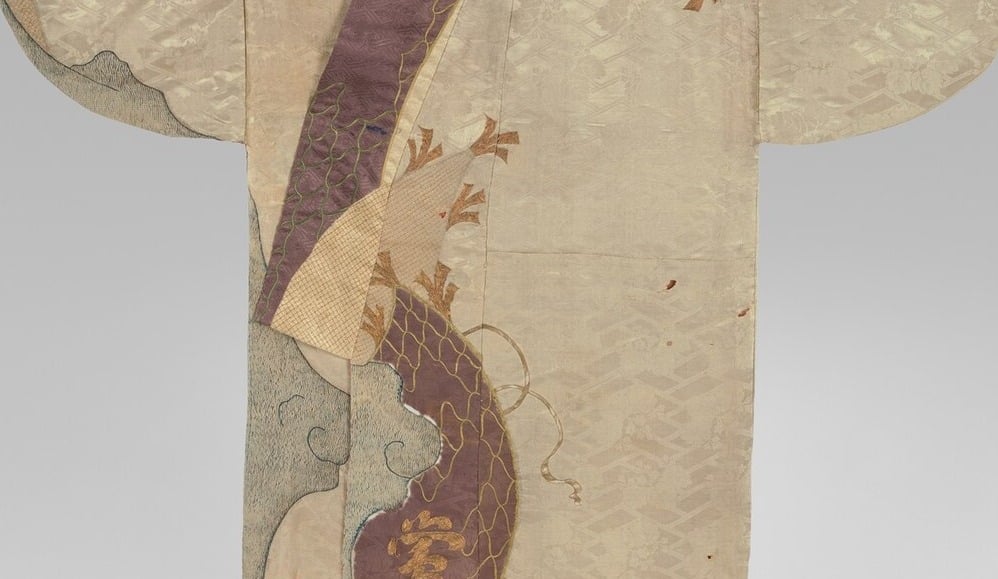
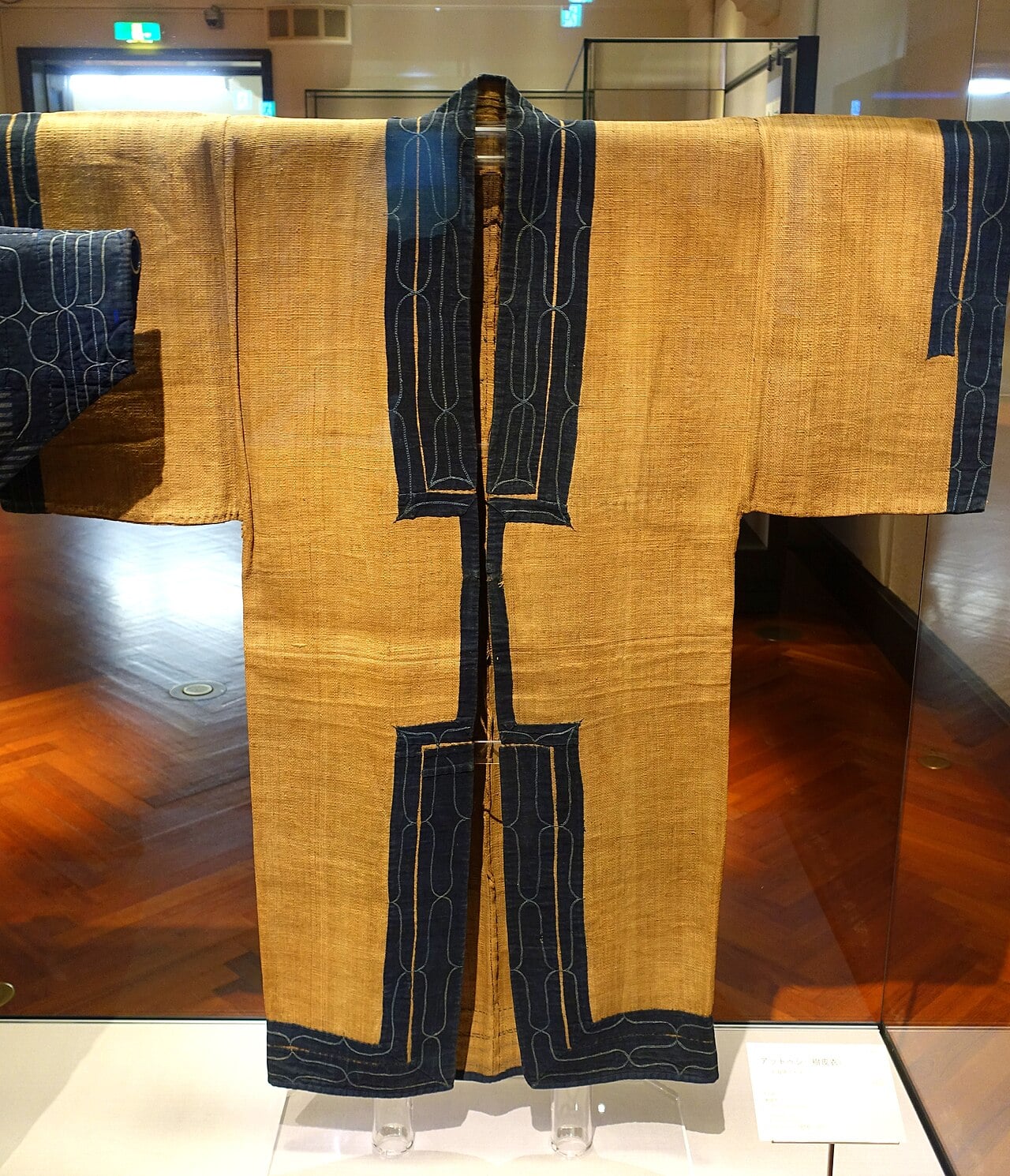
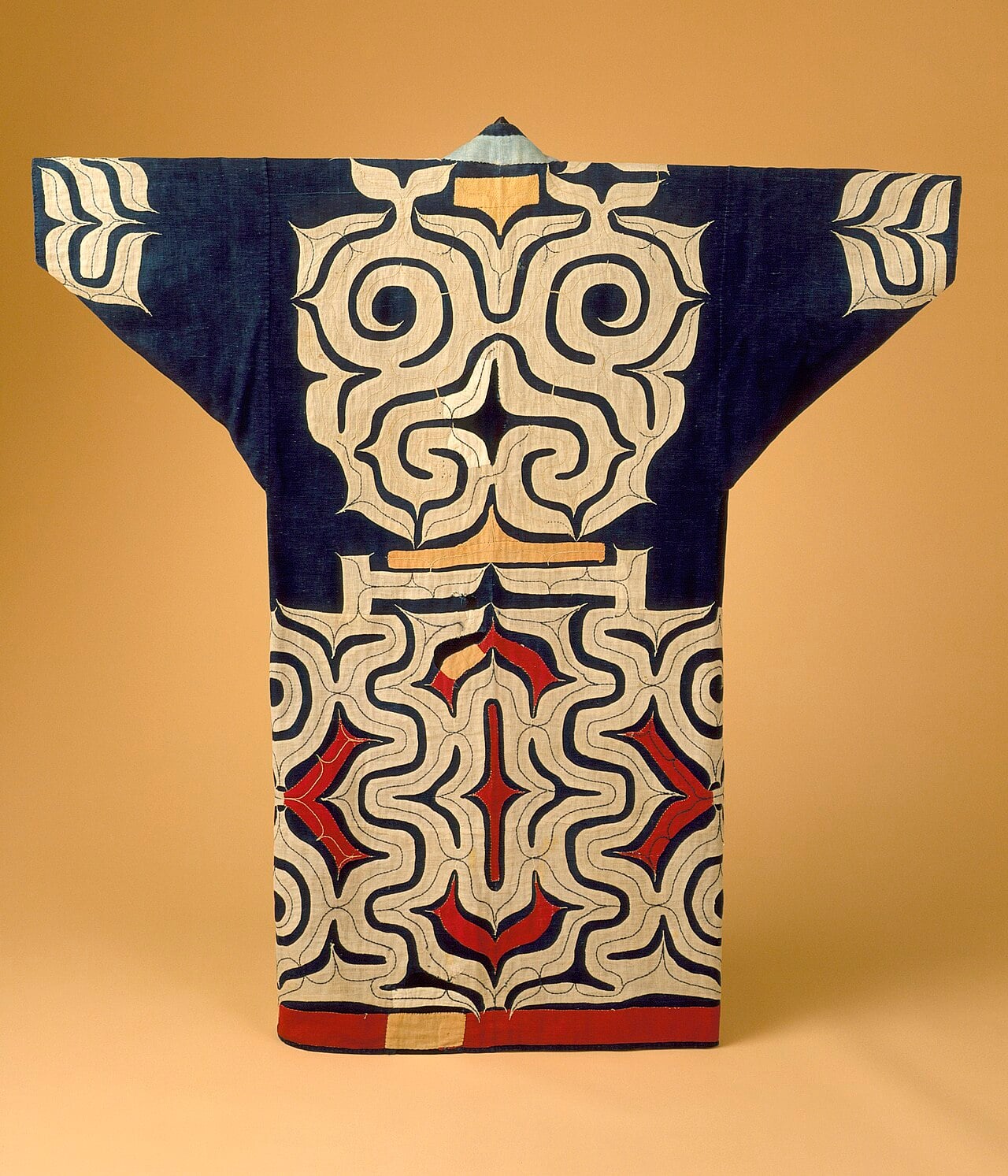
An attus or attush robe can be made using fiber from the inner bark of trees. A museum label may give the particular material, region and date. Displayed Ainu garments can also use cotton, appliqué and embroidery. The seams, edges and decoration give a family a way to compare how different fabrics were worked. Read the labels for both pieces before deciding what the differences mean. Tokyo National Museum’s Ainu and Ryukyuan item list
Look where the patterns follow an edge or turn around a corner. If you see a maker at work, ask what is being woven, stitched or cut at that moment. A short demonstration may show one small part of a longer process. Ask before touching tools or taking a close photograph. A maker’s explanation is the right starting point for the meaning of a design.
Hear a performance and see the reconstructed houses
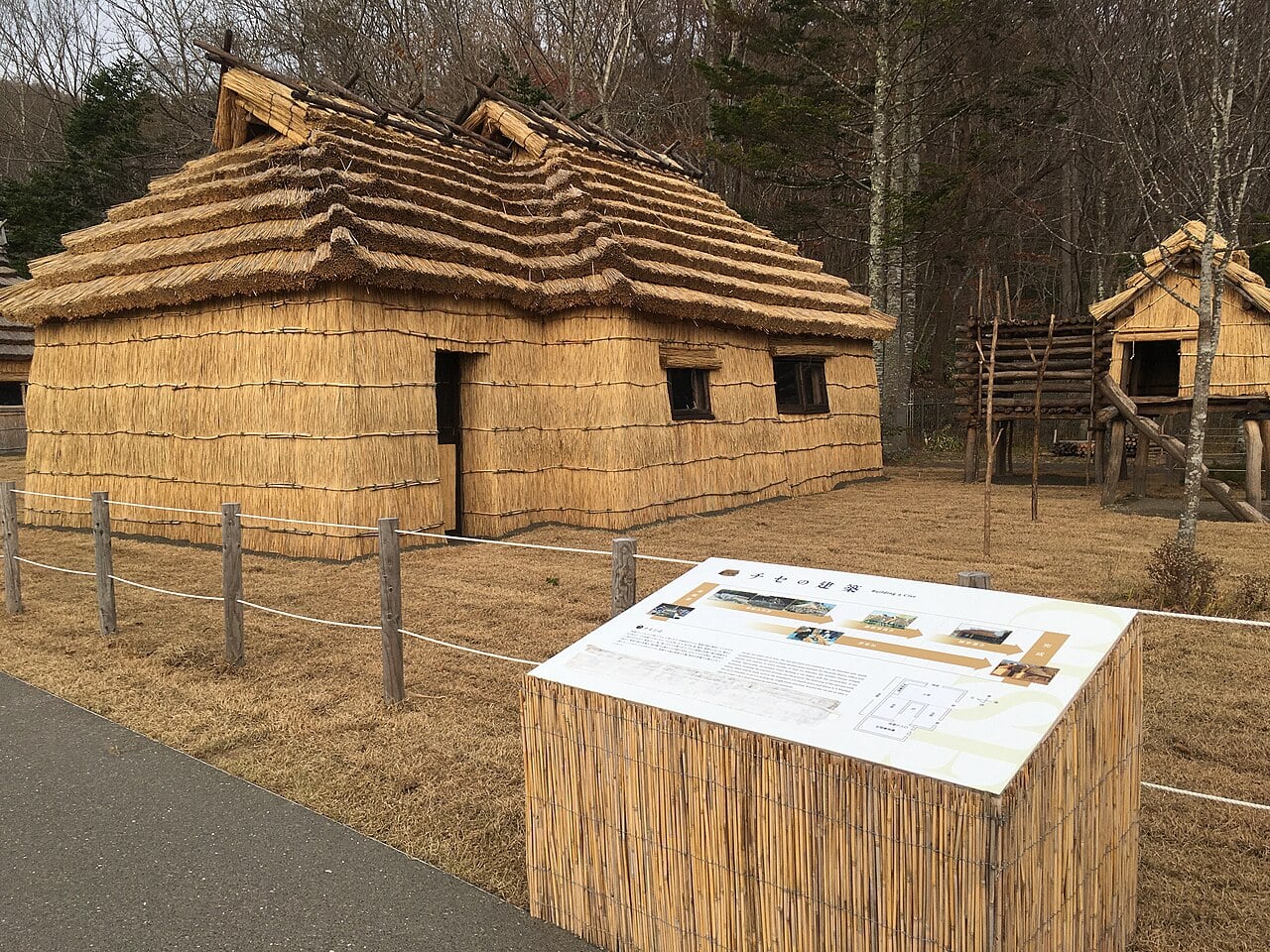
The park includes reconstructed cise, or houses, in its kotan area. A reconstruction gives a sense of the materials and space. It is a place to ask how a particular house was used, who built it and how the park presents the example. Conditions for entering buildings can differ from the outdoor route. Upopoy’s English park map
Ainu dance takes different forms. UNESCO’s entry describes connections with ceremonies, celebrations and daily life. Upopoy’s public performances and workshops give visitors a scheduled way to learn. Check which program is offered that day and whether there are separate reservations, age rules or limits on photography. If you take children, let them watch and listen before explaining that a performance they can attend is one way people choose to share the practice. UNESCO’s traditional Ainu dance entry
If the day’s program includes a music demonstration, you might hear the mukkuri, a mouth harp, or the tonkori, a stringed instrument. Let the performer explain what they are playing and where the piece comes from. A public demonstration and a workshop can have different rules about audience participation. Use the park’s schedule for the day, since archived brochures can list previous programs. Upopoy’s English program materials
Planning a family visit to Shiraoi
Upopoy is near JR Shiraoi Station on the Lake Poroto side. The museum publishes directions from the station’s north exit. Read the museum hours along with the park’s schedule, since a visit to the collection and a timed performance are separate activities. If the family wants both, identify the performance first and keep one museum section as the flexible part. Upopoy’s station directions Upopoy’s admission and program questions
Allow a separate day if you are traveling from Sapporo and want time for the park as well as the collection. The Sapporo family guide covers the city part of a Hokkaido trip. For a private itinerary, specify whether the priority is language, textiles, a performance or a slower museum visit, and ask the planner to build around the public program. A guide can help you read the displays and give the timing room, while the museum and presenters set the terms for participation.