At a glance
Jump to chaptersStart with the announced dates, then pick the part of the festival you most want to see. Families can watch portable shrines in Asakusa, look at snow sculptures in Sapporo or walk beneath Sendai’s paper streamers. The New Year chapter covers January customs and Lunar New Year celebrations.
- See announced festival dates and performance times.
- Find Japan’s New Year customs and Lunar New Year celebrations.
- Choose a procession, lantern walk or snow festival for your family.
Upcoming Japan festival dates
The dates below come from organizers, shrines or official city announcements checked on November 24, 2026. Times are local to Japan.
| Dates | Festival and program |
|---|---|
| Nov 1, 2026–Feb 20, 2027 | Yokohama Chinatown illuminations. Lights are scheduled from 4 to 11 p.m., including on the walk between Yamashita Park and Chinatown. Chinatown association’s lighting notice |
| Dec 2–3, 2026 | Chichibu Night Festival, Saitama. The city lists daytime float kabuki on both days and the main fireworks on December 3. Chichibu’s December program |
| Jan 13–15, 2027 | Nozawa Onsen Dōsojin Matsuri, Nagano. The January 15 fire ceremony requires a ticket. Visitors staying in the village should arrange it with their accommodation. Village admission notice |
| Feb 4–11, 2027 | Sapporo Snow Festival, Hokkaido. The calendar covers Odori, Susukino and Tsudome. Pick Odori for a walk past the large sculptures. Snow Festival committee announcement |
| Feb 5–21, 2027 | Nagasaki Lantern Festival. The Emperor’s Parade is on February 13 and 20. Nagasaki’s festival program |
| Feb 12–13, 2027 | Yokote Kamakura Festival, Akita. These are the dates for the snow-hut festival in Yokote. Yokote city announcement |
| Apr 14–15, 2027 | Spring Takayama Festival, Gifu. The city has posted the festival dates and will publish the 2027 performance times separately. Takayama city event listing |
| May 14–16, 2027 | Sanja Matsuri, Tokyo. The shrine’s program lists neighborhood mikoshi at noon Saturday and the departure of the three main mikoshi at 7 a.m. Sunday. Asakusa Shrine’s 2027 program |
Yasaka Shrine’s annual calendar lists Kyoto’s main float processions on July 17 and 24. Check where this year’s processions pass and which seats are available. Tokyo’s Kanda Matsuri follows a two-year cycle. Yasaka Shrine’s calendar
Japanese festival calendar by season
Use the usual seasons to narrow your choices. Confirm the dates and the program for the part you want to see.
- Winter, December–February. See the Chichibu Night Festival in December, New Year celebrations in January and February, or the Sapporo Snow Festival in February.
- Spring, March–May. Look for Takayama’s floats in April, Aoi Matsuri’s court procession in Kyoto and Sanja Matsuri’s portable shrines in Tokyo in May.
- Summer, June–August. In July, compare Kyoto’s floats, Osaka’s river procession and Fukuoka’s racing teams. In August, see paper streamers in Sendai, illuminated floats in Aomori or dancers in Tokushima.
- Autumn, September–November. October brings Takayama’s autumn floats, Kyoto’s period costumes and Nagasaki’s neighborhood performances.
Japanese New Year and Lunar New Year
Shōgatsu and the first shrine or temple visit
Shōgatsu is the Japanese New Year holiday at the beginning of January. A common custom is hatsumōde, the first shrine or temple visit of the year. Some visitors go around midnight on December 31, while others visit during the first days of January or later. At some Buddhist temples, New Year’s Eve includes joya no kane, the ringing of the temple bell. Check whether the temple opens to visitors for the bell and what access it offers. Japan National Tourism Organization’s introduction to New Year’s customs
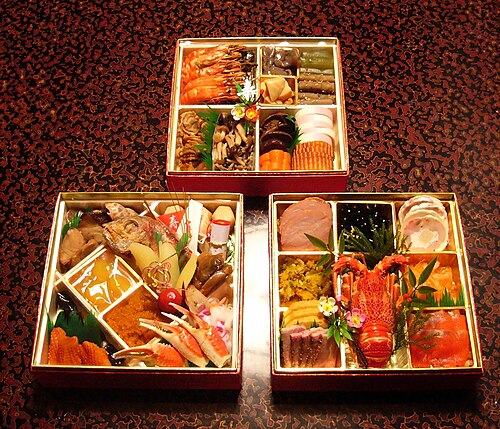
New Year foods include osechi ryōri, a selection of prepared dishes, and ozōni, a soup with mochi. Recipes vary by region and household. Washoku’s New Year chapter
Chinese New Year in Yokohama Chinatown
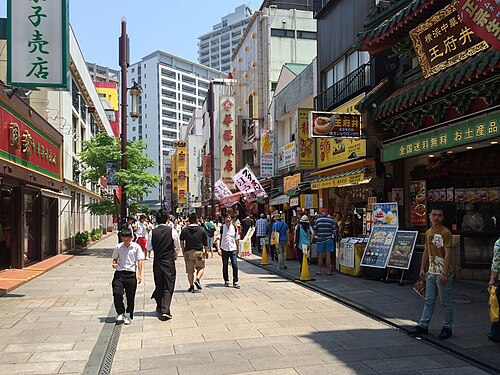
Yokohama Chinatown’s 2027 illumination runs through February 20, with lights on 4–11 p.m. Begin at Yamashita Park’s central entrance and follow the lights to Chōyōmon, the gate at Chinatown’s east side. A 4 p.m. visit suits families avoiding a late night. Chinatown’s illumination map and hours
A 4 p.m. visit works for families who want to see the lights without a late night. For lion dances or stage performances, look up the event’s own date and venue. The Yokohama day guide maps the walk between Chinatown and the waterfront.
Nagasaki Lantern Festival
The festival began in Shinchi Chinatown and now extends into central Nagasaki, including the Hamamachi arcade. In 2027 it runs February 5–21, with the Emperor’s Parade on February 13 and 20 and the Mazu Procession on February 7 and 14. Nagasaki’s festival program
For a short lantern walk, go from Shinchi Chinatown to Minato Park. For performances, check the 2027 venue schedule. Nagasaki’s Kunchi festival takes place in autumn.
What is a matsuri?
Matsuri can refer to a local shrine festival or a large public celebration. One neighborhood carries a portable shrine through its streets. A city festival might center on dance or snow sculpture. Check the organizer and the program to understand what is being celebrated. JNTO’s introduction to local festivals
UNESCO’s Yama, Hoko and Yatai listing covers float festivals sustained by different communities. The names, materials and streets used in the processions vary by community. Ask who looks after the float and how the neighborhood brings it out. UNESCO’s float festival entry
How shrines, portable shrines and floats fit together
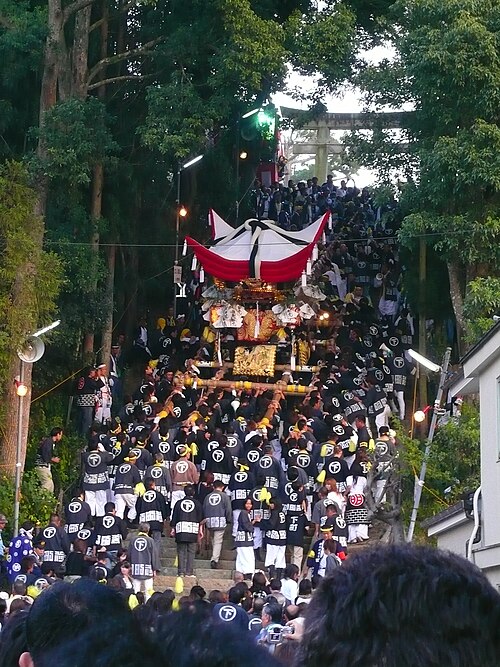
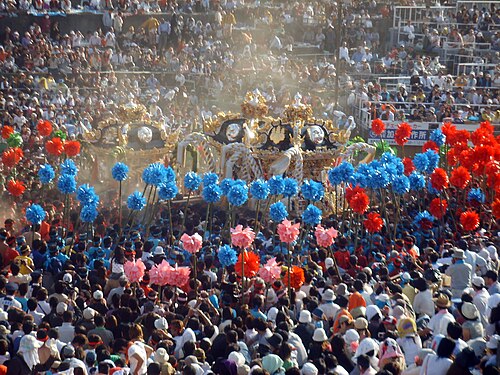
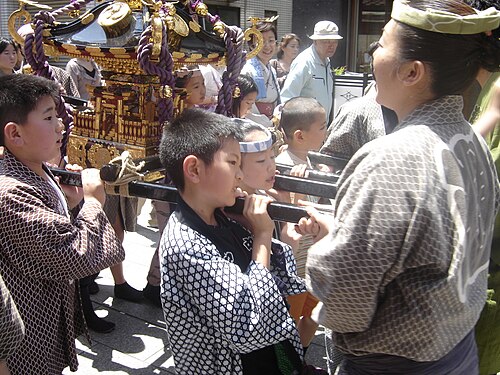
A mikoshi is a portable shrine carried during a ritual procession. Look for the poles on the bearers’ shoulders. At a turn, you may hear calls that help the group move together. The timing of the bearers’ steps is often easier to see from a straight stretch of the route.
A festival float can carry lanterns, musicians or mechanical figures. Takayama calls its floats yatai. In Kyoto, you’ll see terms such as yama and hoko. Look at whether the float is carried or rolls on wheels and how the crew guides it through a turn.
How a procession makes room for a float
Watch the intersection before a float arrives. Marshals may clear the turning space well ahead of the crew, even when there’s a gap in the crowd. Stay behind the viewing line and use the crossing the marshals direct you to. For children, the build-up is a chance to see how a neighborhood works together to move a heavy structure through a narrow street.
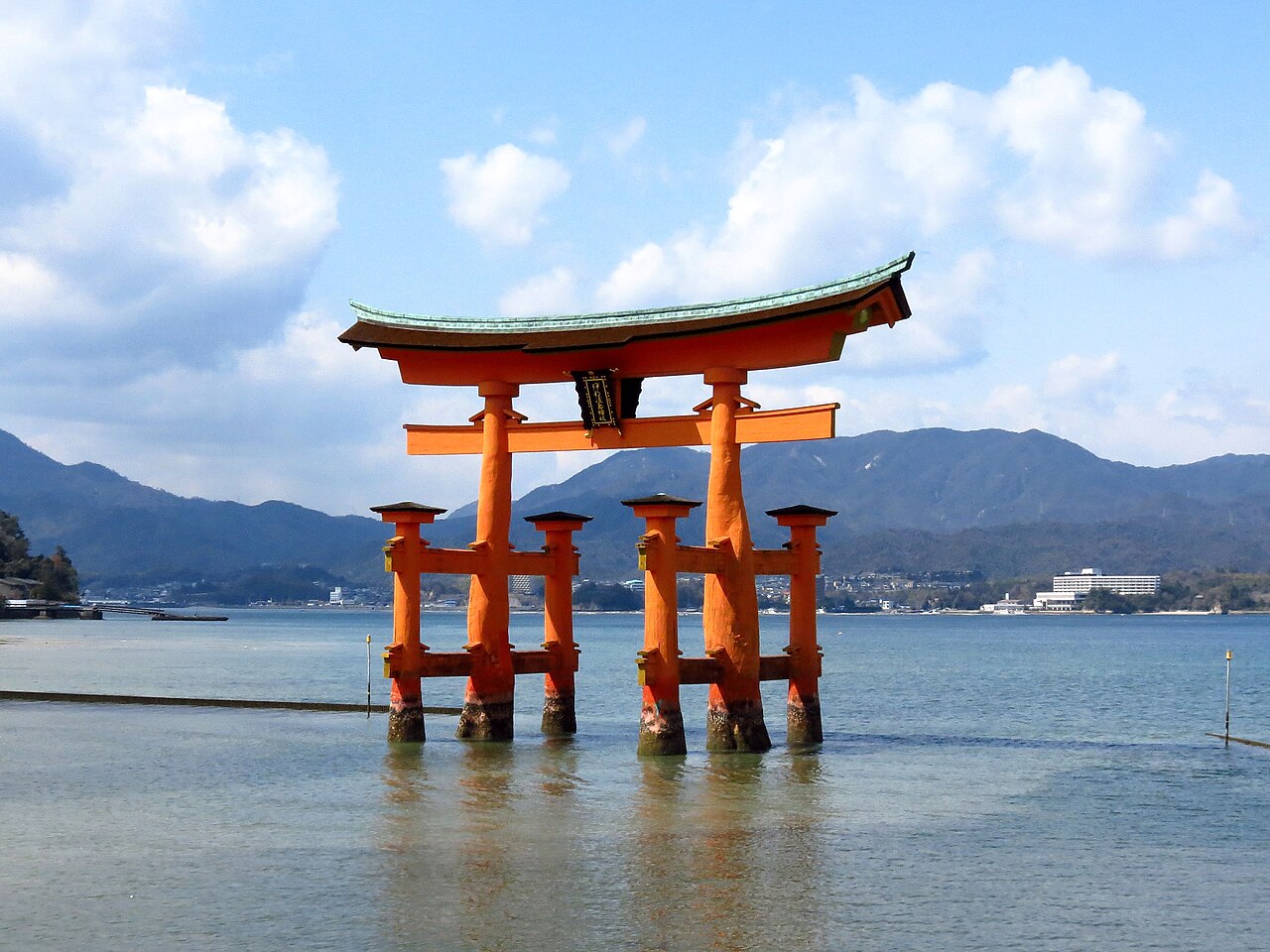
Shrine gates can have separate approaches for worshippers, spectators and festival equipment. Follow the signs for the public entrance. For the buildings and rites you’ll see along the way, see the shrine and temple guide.
Nozawa Onsen Dōsojin Matsuri
Nozawa Onsen’s 2027 Dōsojin Matsuri is January 13–15, with the main fire ceremony on Friday, January 15. Admission requires a ticket issued to a village resident or a guest staying in the village. Ask your accommodation about tickets before booking for the ceremony. Nozawa Onsen’s admission rules
Visitors watch from designated areas while residents carry out the ritual. If attending with children, ask where your ticket lets you stand and how to leave early if the fire, smoke or noise becomes too much.
Sapporo Snow Festival
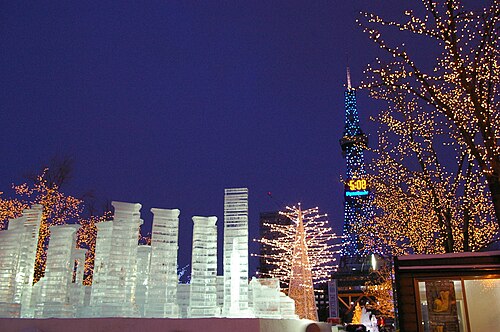
The 2027 Sapporo Snow Festival runs February 4–11. Choose Odori for large snow sculptures, Susukino for ice displays or Tsudome for snow activities. Snow Festival committee’s announcement
A walk through Odori Park
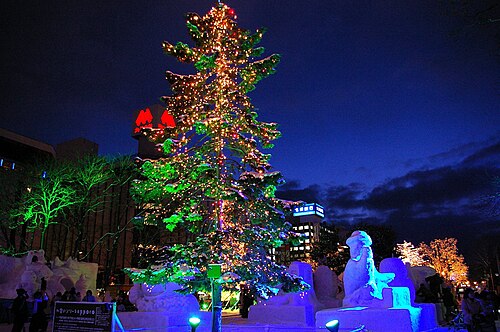
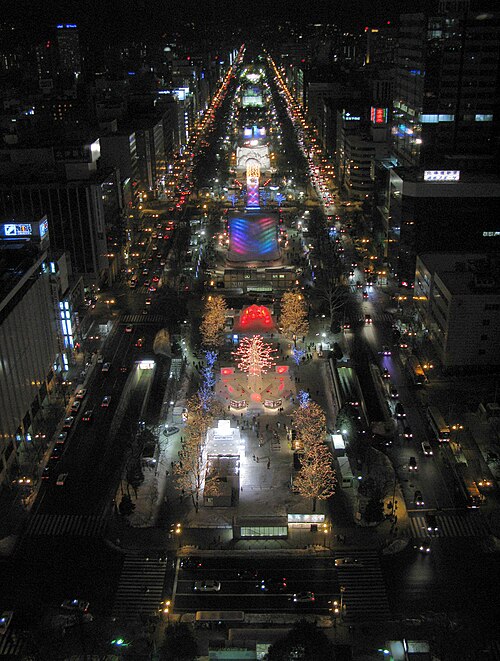
The committee’s plan puts large sculptures at Odori West 4 and West 5, with winter attractions planned separately at West 1. If the family wants to see the scale of the snow work, begin around West 4 and 5. Go in daylight to see the carving and the path underfoot. If snow play is what the children have been talking about, give Tsudome its own outing. Odori site guide
Ice in Susukino and snow play at Tsudome
Susukino’s ice displays run along the station-front avenue between South 4 and South 6. Tsudome is a separate outing. Check the attraction hours and access for your date. Susukino displays Tsudome activities
Daylight makes the carving easier to see. After dark, the lighting changes how the sculptures look. With younger children, two Odori blocks are enough for an evening visit.
Chichibu Night Festival in December
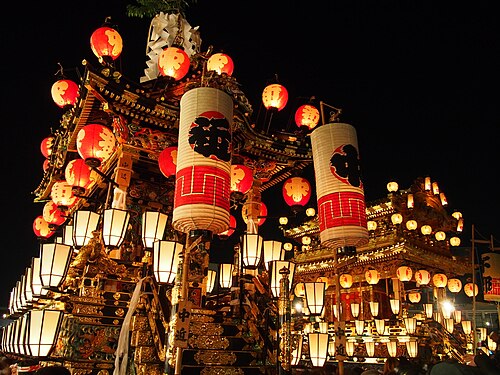
Chichibu Yomatsuri falls on December 2–3, 2026. For a family coming from Tokyo, the city’s program offers a daytime reason to go. On December 2, kabuki is scheduled from noon to 2 p.m. by the Miyaji float storehouse at Atago Shrine. On December 3, it moves to Chichibu Shrine from 12:30 to 2:30 p.m. The main fireworks that evening are scheduled for 7:30 to 9:55 p.m. Chichibu city’s dated program JNTO’s Chichibu Night Festival overview
Two stations and a late train home
For trains back to Ikebukuro, use Seibu-Chichibu Station. Chichibu Station is on a different railway. Check your walk to the station from the festival viewing area. JNTO’s rail access guide
On December 3, 2026, Seibu lists a 10:24 p.m. departure to Ikebukuro, arriving 11:44 p.m. That gives you 29 minutes after the scheduled fireworks finish to reach the platform. Check seat availability and walking time. The afternoon kabuki is an option for a daytime visit. Seibu Railway’s December 3 timetable
Lantern-lit floats and a quieter museum visit
Ask your child to notice how lantern light changes the detail on the float. In Takayama, a daytime viewing can make it easier to see carvings, fixtures and the way a float is built. In Chichibu the evening lighting changes what you notice first. The UNESCO listing includes the two communities among the regional traditions of float festivals in Japan. The stories, procession paths and viewing conditions differ by town. UNESCO’s entry for Yama, Hoko and Yatai float festivals
Outside December, a local exhibition introduces the festival floats and their construction. JNTO’s Chichibu visitor guide
Spring and winter customs beyond the largest city events
Two evenings in Nara
Setsubun marks the seasonal turn toward spring in early February. Some households and public observances scatter roasted beans to ward off bad fortune. In Nara, Kasuga Taisha has a Setsubun lantern observance. Check where visitors may go. JNTO’s Setsubun Mantoro guide
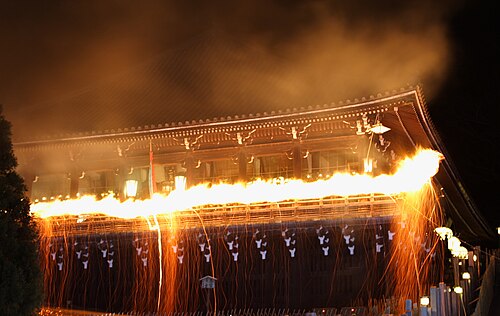
At Tōdai-ji, the Buddhist Shuni-e rites at Nigatsu-dō in March are widely known as Omizutori. The fire display that draws visitors is part of a larger religious observance. Tōdai-ji explains the ceremony and provides guidance for the public. An evening visit involves a separate trip to the hillside hall and a wait in conditions you may only be able to judge once you see the site. Visiting on a regular afternoon can be a satisfying alternative for someone who wants to see the setting without waiting after bedtime. Tōdai-ji’s explanation of Shuni-e A day of walking in Nara
Aoi Matsuri in Kyoto
At Kyoto’s Aoi Matsuri, the main procession usually takes place on May 15. The costumes look back to the Heian court, and the route traditionally takes the procession from the Kyoto Imperial Palace area toward Shimogamo and then Kamigamo Shrine. Those are three different places to plan around. Near the beginning, a child can watch for the order in which people and horses appear. Near one of the shrines, the outing can include time to understand the place receiving the procession. Check the official timing of the section you intend to see and any route changes for weather. Kyoto Travel’s Aoi Matsuri procession guide
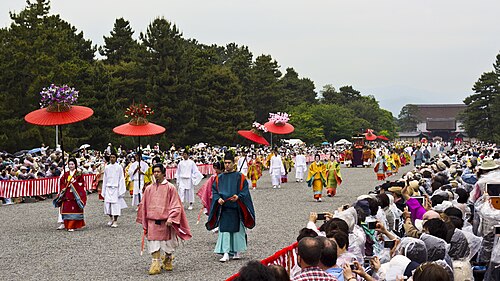
Kyoto’s usual May 15 procession overlaps with Asakusa’s announced 2027 festival weekend. Choose Kyoto for court dress and horses, or Tokyo for portable shrines. Check the Kyoto notice for weather and seating.
In Akita, see Yokote’s snow huts
Yokote’s kamakura are snow huts made for a winter observance honoring a water deity. The city has set the 2027 edition for February 12–13, a Friday and Saturday. The tourist association lists locations around the city, including the main city hall and Yokote Park. Start with one area. Full-size huts have room for very few people at a time, and children can still see the lit entrances and smaller huts during a short walk. Yokote’s official 2027 dates Yokote tourism association’s venue list
Takayama Festival in spring and autumn
The Sannō Matsuri of Hie Shrine takes place April 14–15, 2027, with detailed program times to be published separately. The autumn Hachiman Matsuri takes place annually on October 9–10 and centers on Sakurayama Hachimangū. The two festivals feature different floats and parts of town. Spring listing Takayama’s festival FAQ
Look closely at the floats
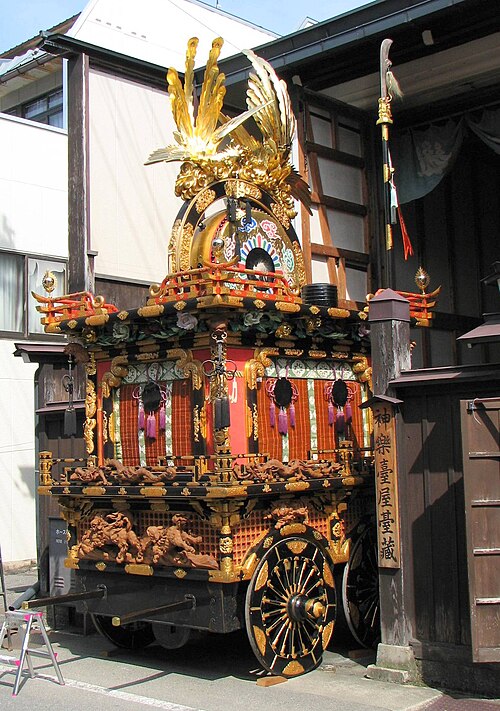
The spring floats to look for if your child wants to see mechanical figures are Sambasō, Shakkyōtai and Ryūjintai. The city’s festival guide places them in the display area by the Otabisho near Nakabashi Bridge. That’s a useful landmark for getting oriented. The 2027 performance times still need to be published, so leave a free stretch between breakfast and lunch until you know which show you can reach. Takayama’s illustrated guide to the spring floats and puppets
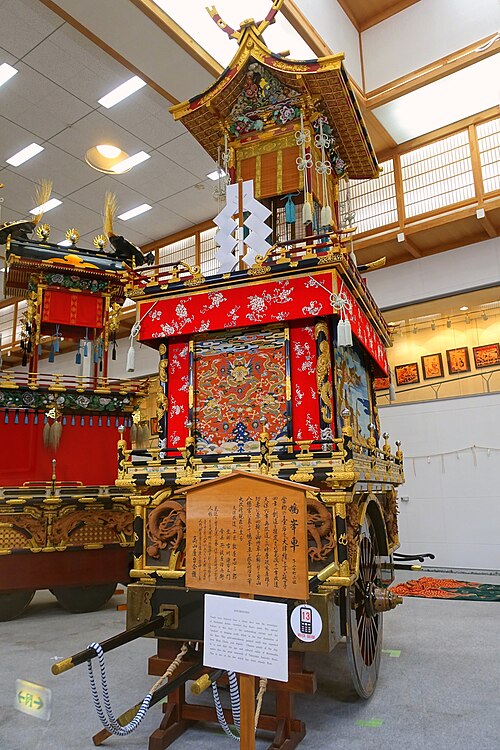
If rain changes the parade
A wet day can change which floats come out. Look for an announcement about the display or performance you came to see, then decide whether the museum or a walk through town is a better use of the morning. It helps to have one unbooked part of the day if the organizer moves a performance.
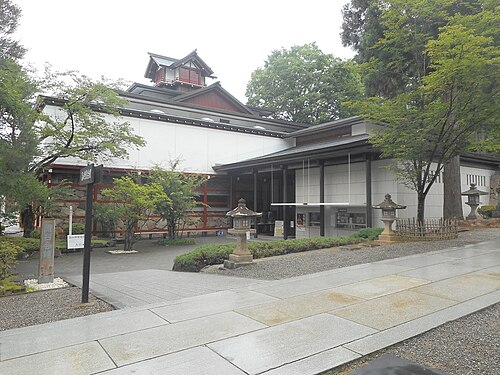
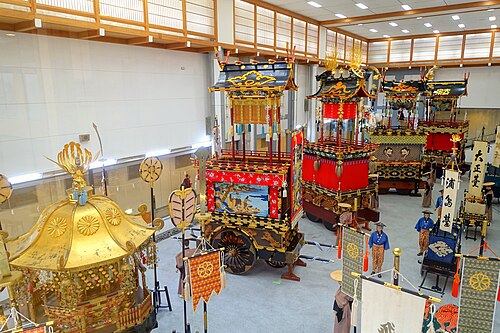
The April night procession
April 14 is the usual evening procession of the spring edition. Floats carry lanterns through town before returning to their storehouses. If your family wants to see the night procession as well as the puppets, put the night of April 14 on your shortlist and use the 2027 notice for the route and weather updates. Takayama’s official festival FAQ
Tokyo Sanja Matsuri in Asakusa
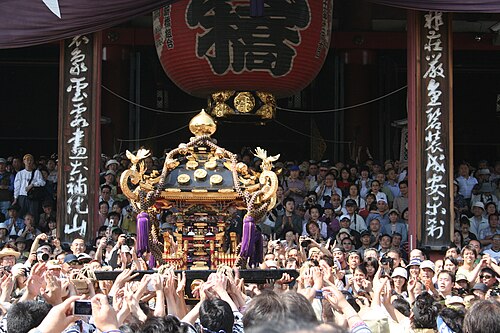
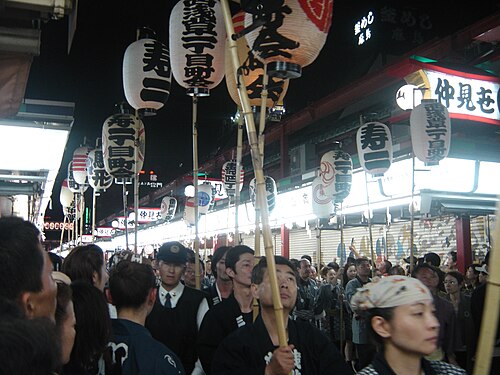
Asakusa Shrine’s May 14–16, 2027 program offers a different reason to visit each day. Friday’s 1 p.m. Grand Procession is the choice for festival musicians and dancers, weather permitting. On Saturday, neighborhood mikoshi set off from behind Sensō-ji’s main hall beginning at noon. The three main shrine mikoshi leave Asakusa Shrine at 7 a.m. Sunday. The shrine can still revise those times. Asakusa Shrine’s day-by-day program GO TOKYO’s Sanja Matsuri guide
Saturday at noon or Sunday at seven
If you’re staying across Tokyo and traveling with small children, start with Saturday’s noon procession. Pick one street along a neighborhood route. Watching a shrine go past you once can be more enjoyable than trying to follow it out of the crowd. If you want Sunday’s main shrine departure, check the 2027 route when it is posted. The route links on the shrine’s schedule still refer to the previous year.
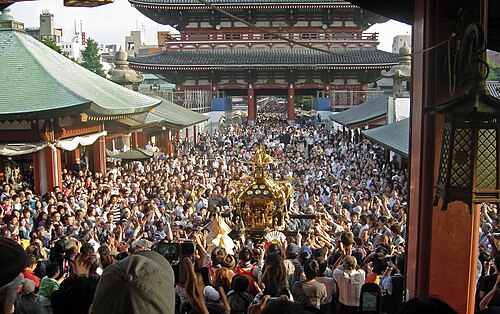
Friday’s procession is scheduled to pass Kaminarimon and Nakamise. Saturday’s children’s mikoshi procession is listed for 3:30 p.m. The main mikoshi are due back at the shrine around 7–8 p.m. Sunday.
Tokyo Kanda Matsuri
Kanda Matsuri’s full procession takes place in alternate years. For a trip in 2027, check the edition-specific dates on the festival site before booking. Asakusa has already posted dates for Sanja Matsuri if you need a May event you can plan around. Kanda Matsuri’s official schedule
The procession through Kanda
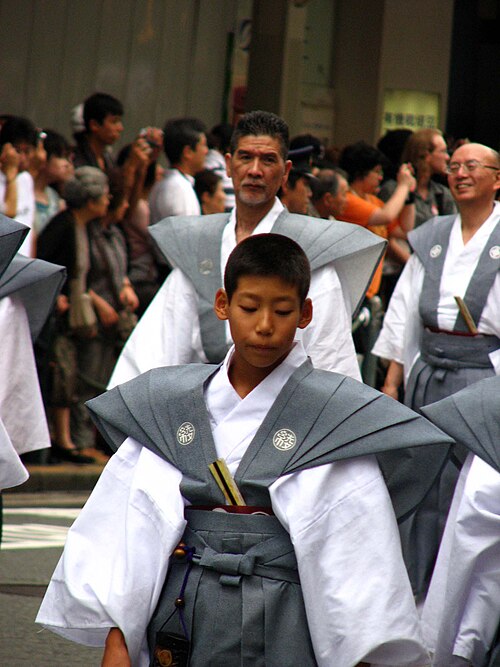
The procession serves several neighborhoods. Watch for patterns on the uniforms and the order in which different groups approach Kanda Myojin. These make it easier to see which participants belong together and how the groups share the route.
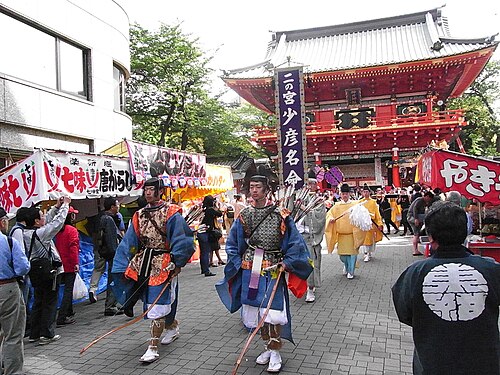
A large route also gives you options. Near the shrine, people may be gathering, lining up or waiting for a particular arrival. Farther along, you may see the event pass through surrounding streets. Choose a location according to which of those scenes your family wants. If an adult is standing with difficulty, check for a short viewing commitment and an easy route out. If children want to watch a moment in the precinct, give them an explanation before reaching the busiest corner, where stopping to talk can make the approach harder for everyone.
Kyoto Gion Matsuri
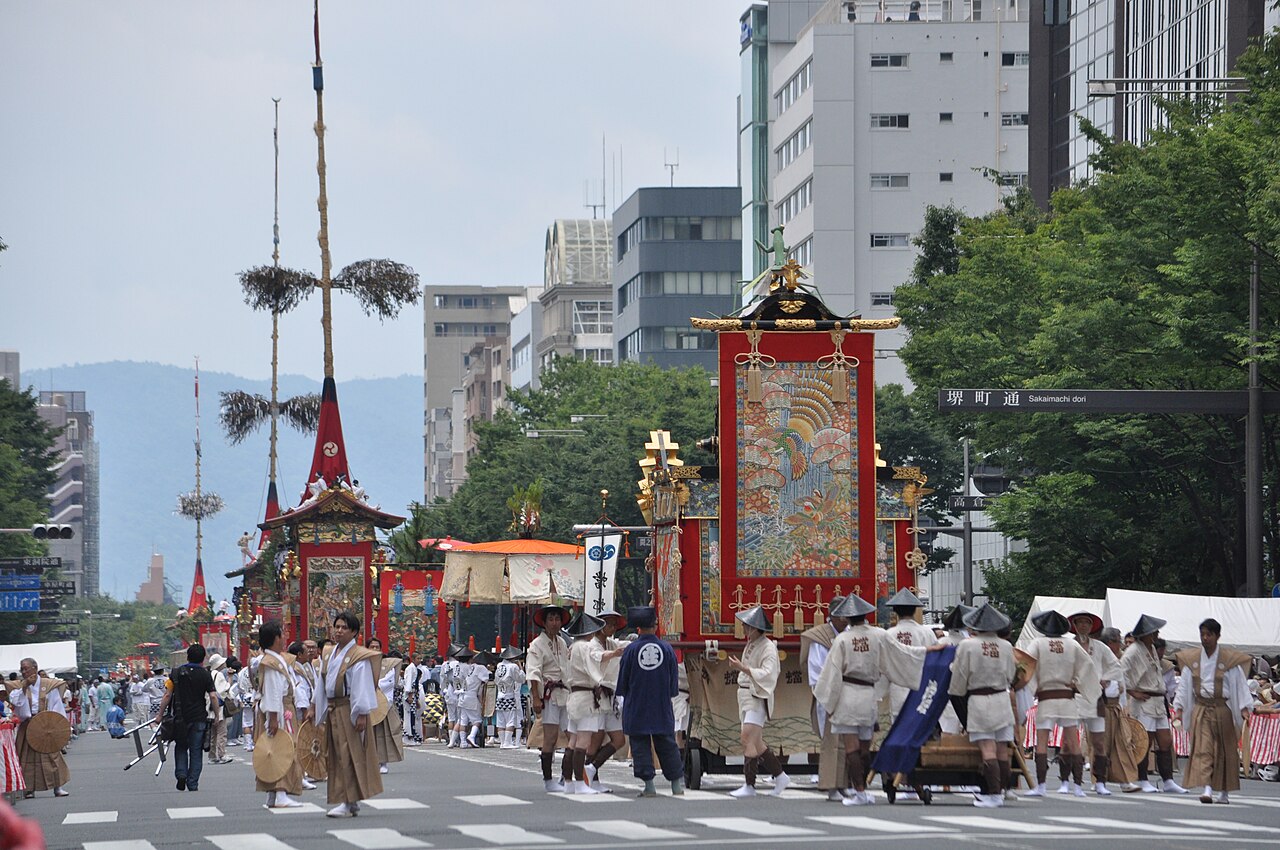
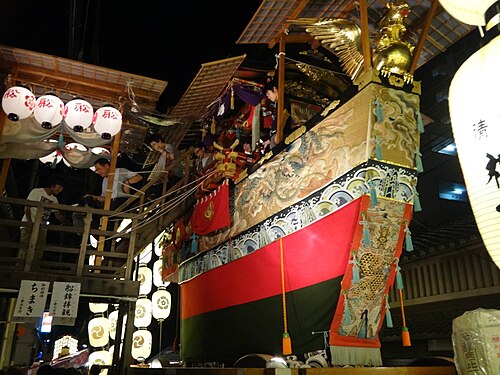
Gion Matsuri’s two float processions fall on July 17 for Saki Matsuri and July 24 for Ato Matsuri, according to Yasaka Shrine’s annual calendar. The evenings before each procession are when you can look for lantern-lit floats in their neighborhoods. Book the Kyoto nights around the specific procession or display you want, then pick a viewing spot once the edition’s route and seating are published. Yasaka Shrine’s Gion Matsuri calendar Kyoto Travel’s guide to the processions and Yoiyama
See a float before the parade
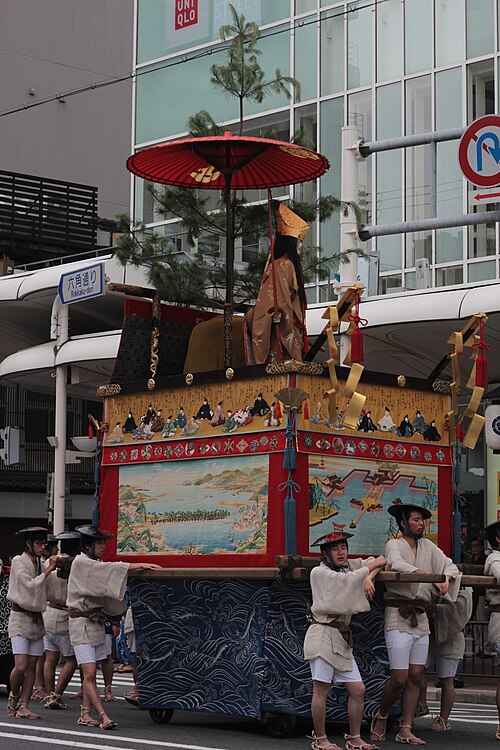
In daylight you can pick out the woodwork and fabrics from close to a float on display. The two floats in the photographs below give children something specific to compare. The Ayagasa Boko carries an umbrella-like canopy. Other floats tower over the street with a long pole rising above the roof. Pick one neighborhood display before arranging a full morning of sightseeing.
Lanterns at Yoiyama or a moving procession
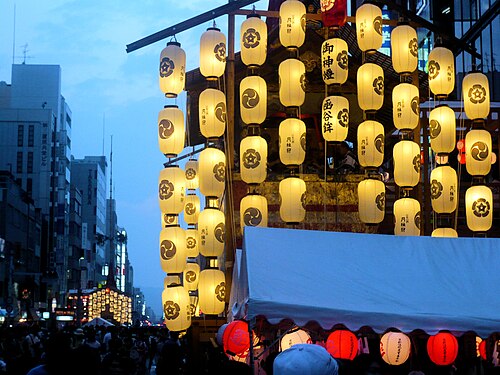
Yoiyama is the name for festival evenings before a procession. Lanterns light the floats in their neighborhoods. Arrive for an earlier stretch with young children and check which streets are open for walking.
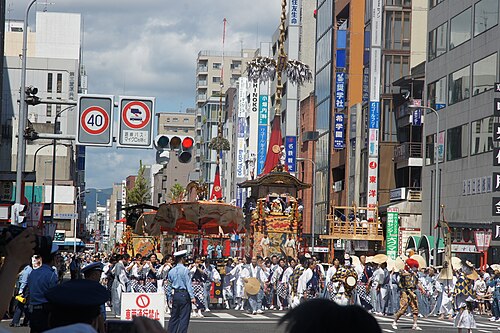
To see the floats in motion, find a public stretch of the route you can reach without crossing it. If a child wants to watch a turn, use a designated viewing position and allow for a longer wait. Reserved seating can suit a relative who has trouble standing, but check the walk to the seat and the route out. JNTO’s Gion Festival overview Kyoto Travel’s Gion Matsuri seating information
Finding the floats near central Kyoto
Use the event map for the actual float or procession. Yasaka Shrine’s mikoshi and the neighborhood floats take part in different events. Shrine map and explanation
Osaka Tenjin Matsuri
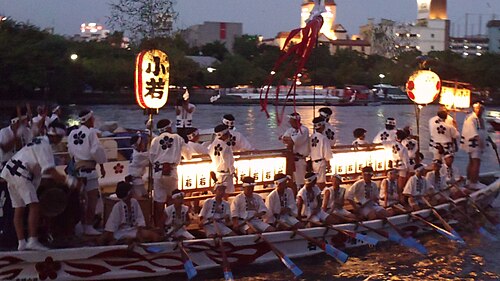
The main decision for Osaka’s July Tenjin Matsuri is where you want to see it. The land procession, rikutogyo, and river procession, funatogyo, belong to the same festival of Osaka Tenmangu Shrine and suit different outings. If you are looking for boats or fireworks, choose the bank and the station on the side you will use after the event. For a child who will be home by dusk, look first for an official daytime segment that you can reach on foot from an early meal. Discover Osaka’s guide to Tenjin Matsuri
Street procession or river procession?
From an approved spot on land, watch for the group carrying the shrine. For the evening program, use the map to choose a public view of the boats before deciding which station to use.
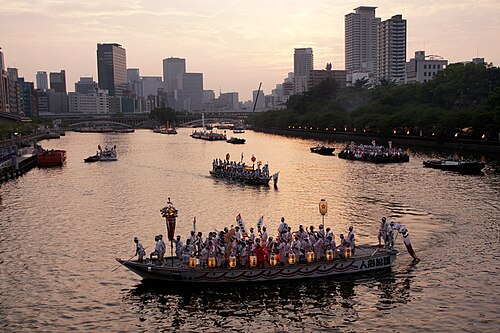
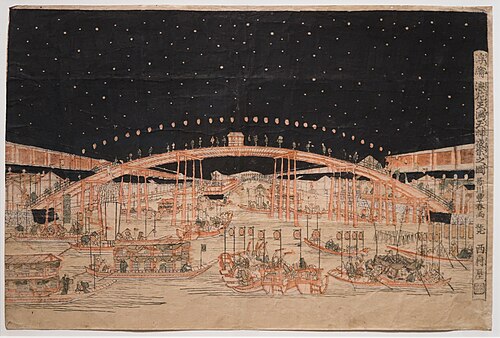
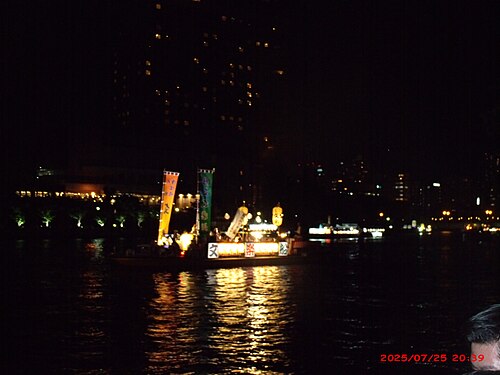
For the river procession, put the station, the place you want to watch and the hotel on the same side of the water if you can. A bridge you crossed easily that afternoon may be busy when the boats or fireworks finish. Look for the public viewing area and access on the official map, especially if one adult will leave early with a child.
Osaka Tenmangu’s visitor guide shows the precinct where the land events begin.
Hakata Gion Yamakasa
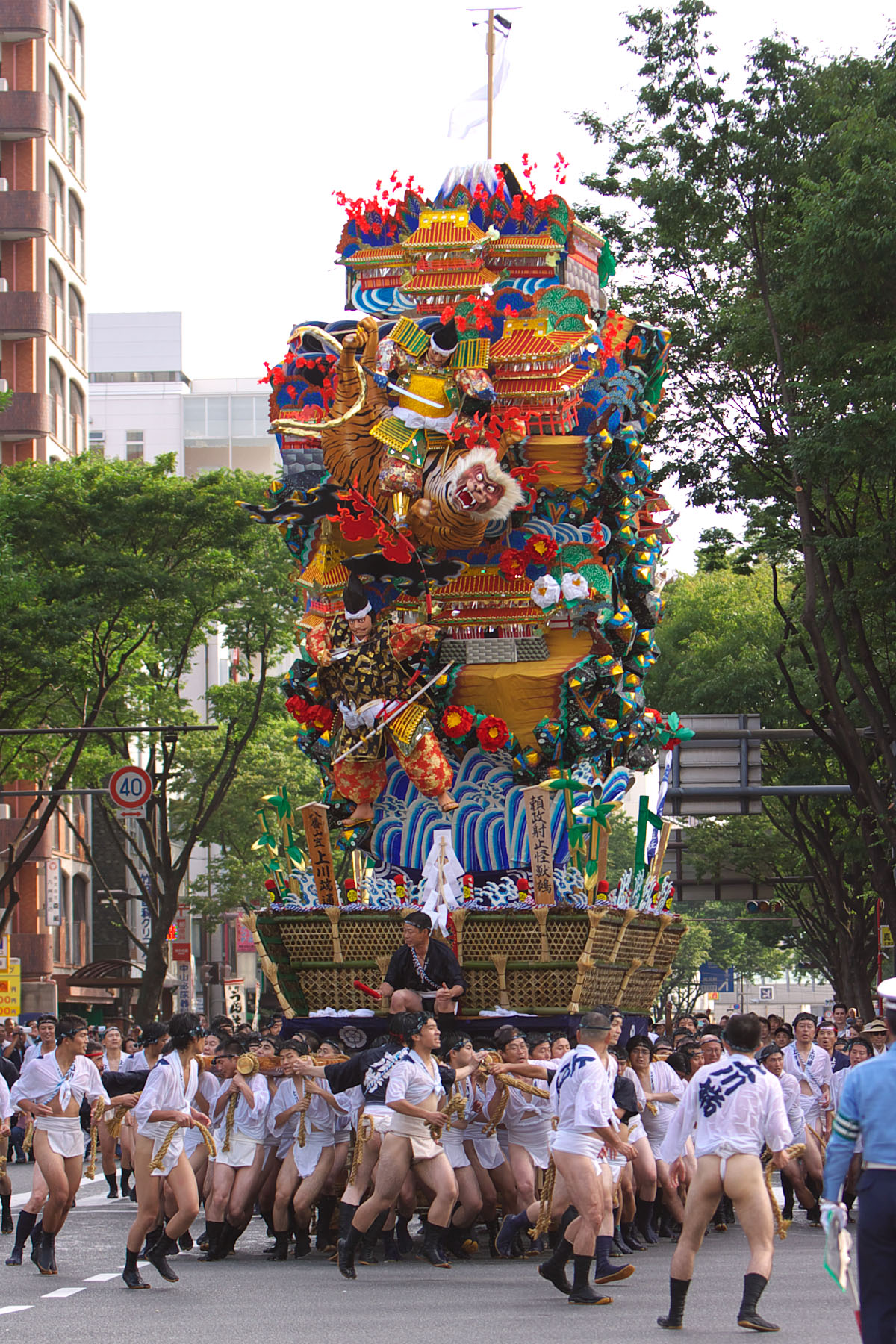
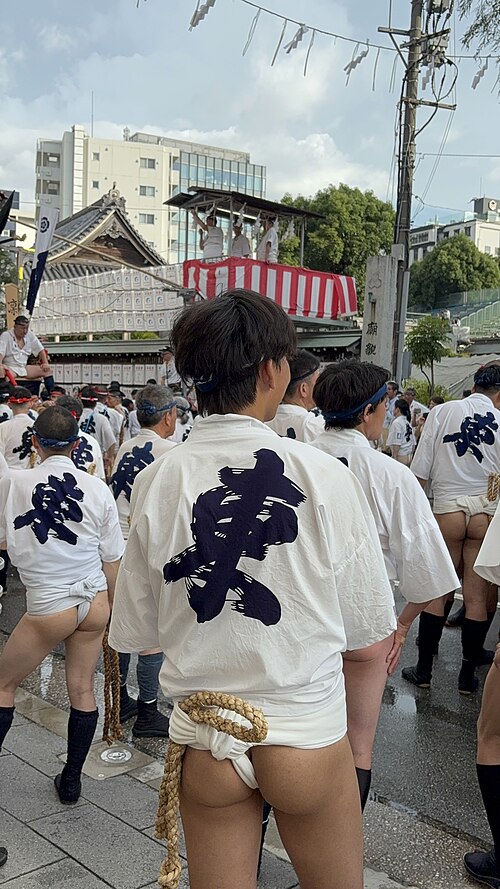
Start with one of the decorated kazari yamakasa if you want time to look at the work that goes into Fukuoka’s July festival. They stand on display. Other floats are carried by teams, with the fast-moving Oiyama as the early-morning climax. A teenager may happily get up for it, while younger children can see the decorations during ordinary sightseeing hours. Fukuoka’s official Hakata Gion Yamakasa information
The decorated floats on display
Display floats give children time to notice figures, decorations and the names of teams or districts. Check the organizer’s list of locations first. A display may sit inside or beside a building that’s used for everyday shopping.
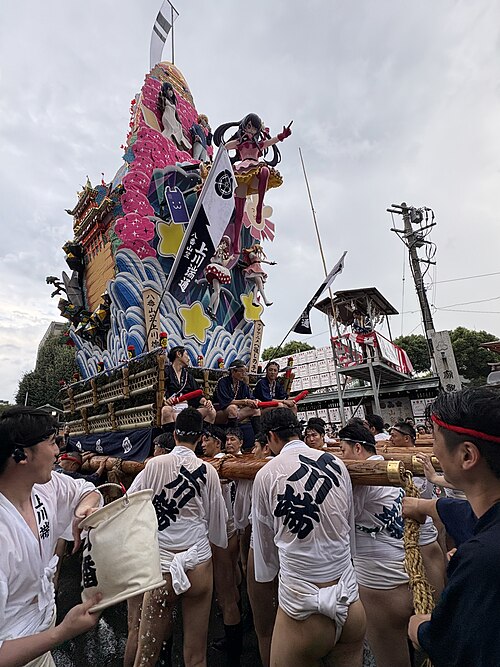
If two displays are close, compare the story or figures on each. Fukuoka day plan
The early-morning Oiyama
A fast procession involves a different kind of watching. You may wait for a long time and then see the part that interests you pass quickly. Find the organizer’s route and locate a permitted spot with a clear side street out. Drop the idea of matching the moving teams’ route by running along with them. Stay behind viewing lines and listen for directions if crowd managers ask people to clear a path. An older child might choose to learn which team they are watching from the program before setting out. That gives them something to follow during the wait.
Sendai Tanabata
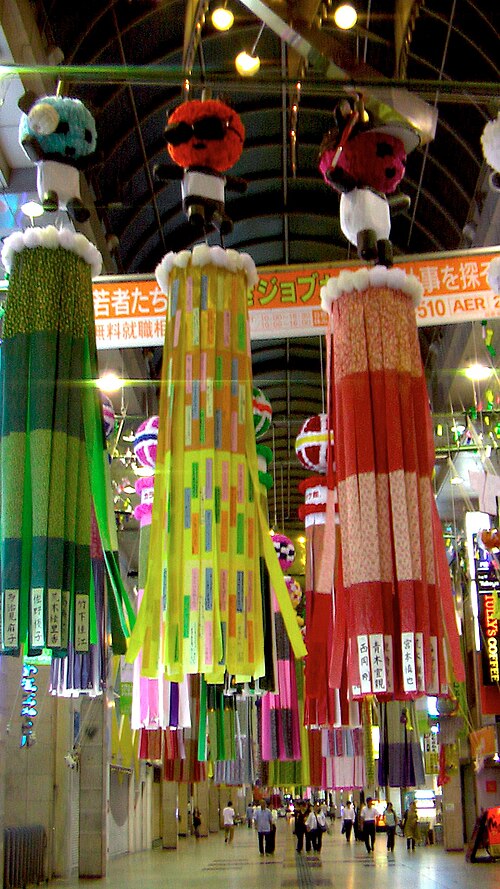
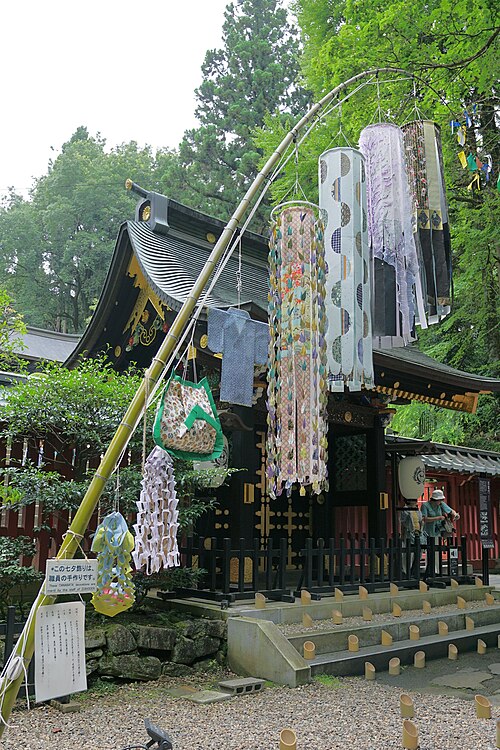
For a summer festival without a fixed parade start, look at Sendai Tanabata in August. The city’s paper decorations hang across shopping streets and arcades. A family can choose one arcade segment and look for a detail in each group of ornaments. The organizer explains individual decorations, including the long streamers and the papers used for wishes. Read the map first so that an interesting first stretch can be the whole outing if the children are tired. Sendai Tanabata’s official feature guide The organizer’s explanation of Tanabata decorations
Under the paper streamers
It is possible to spend an entire morning walking between decorated streets. A shorter family visit might choose two sections and compare their materials, colors or forms. Follow the route recommended by staff and pause in an open spot where people can pass. A child who likes to draw can remember one example for later. Older children may want to find the same decorative form used in different colors and then read where it comes from. Give them a question they can pursue at eye level and from a normal walking position.
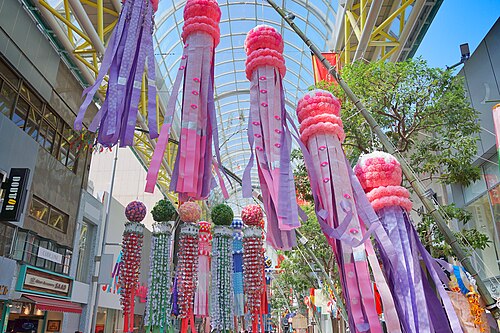
Some decorations hang low. Step aside to look or take photographs and keep hands off the paper.
Use the organizer’s map to choose a stretch you can reach easily. The covered arcade helps in rain or strong sun. At street crossings, check which part of the route is still under cover. Festival map and notices
Aomori Nebuta
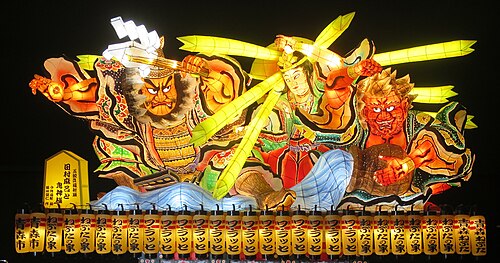
At Aomori Nebuta in August, lit floats, musicians and dancers move through the city. Pick one public stretch of the parade to see them pass, or go to the museum if you want time with a single float. Aomori Nebuta Festival’s English guide
The figures, music and dancers
Float viewing can be about the image, the engineering, the people beside it or the way the entire sequence changes as it enters the street. A younger child may be surprised by the scale, strong colors and sounds. Older children can think about how a flat-looking illustration turns into something with depth as a structure moves towards them. Give them a place from which they can watch safely and tell you what they see. An excellent place to start is a position where you can get a glimpse of a float and have an easy route out without waiting for the entire procession.
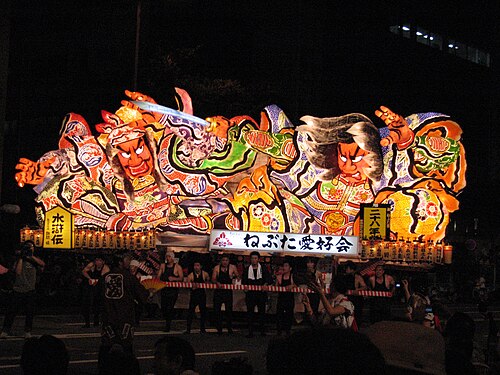
The dancers are called haneto. Watch how their steps and the music fit around the float. Families who want to join should use the current organizer instructions for the meeting place and participation requirements. Aomori’s official tourism guide
Inside Nebuta Museum Wa Rasse
Nebuta Museum Wa Rasse gives visitors an option for learning about the float tradition in a dedicated venue. Use it to look closely if a child is mainly interested in design or if someone needs more control over noise and standing time. Check the museum’s own information before building a visit around a demonstration or performance. The indoor approach is useful in the same trip because it asks a different kind of attention, and outside the festival it can be the main cultural outing. Nebuta Museum Wa Rasse’s English material
Tokushima Awa Odori
At Tokushima’s August Awa Odori, teams of dancers and musicians are called ren. A seat gives you time to compare groups. A public viewing area can work for a shorter visit when the program lists one. Tokushima City’s festival guide
Watch how a dance group moves
Listen for the rhythm that stays steady when dancers change formation. Ask children to follow one group and see how the musicians and dancers keep time together.
Check the venue, start time, steps, seating and re-entry rules before buying tickets. A public viewing area, if listed, offers more flexibility for a group that wants to see only a few performances. JNTO’s Awa Odori overview
When visitors can join a dance
If the program announces a chance for visitors to dance, check the venue and whether registration applies. Formal groups have their own formations. Follow the host’s direction about where beginners can step in and when to leave.
Outside the festival, Awa Odori Kaikan offers a way to see the local dance in a smaller setting. Check the day’s performance and whether it includes a chance to try a step. Tokushima Prefecture’s Kaikan information
Obon and neighborhood Bon Odori
Obon is a period of remembrance for ancestors. Dates and customs vary by locality. Bon Odori refers to dances connected with the season. Look for a local program and see what the host has opened to visitors. JNTO’s August guide
What you may see at a local Obon gathering
A public dance may take place alongside family gatherings or religious observances. Explain the purpose to children and use signs or the host’s directions to see where visitors may go. At an offering, give the people taking part room.
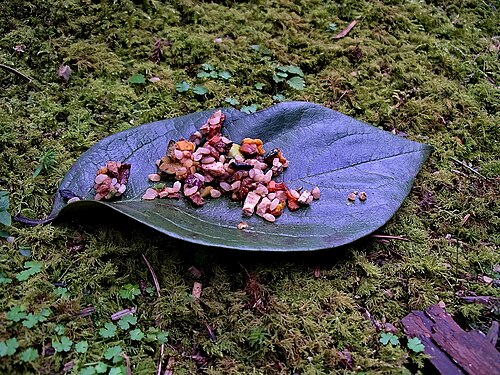
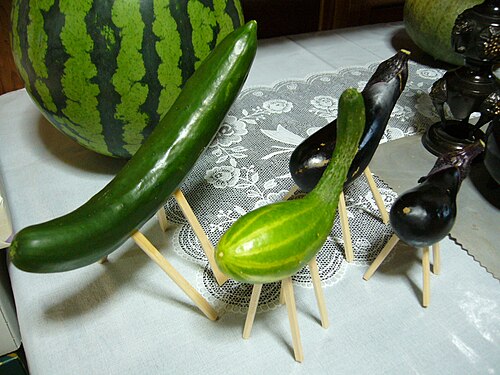
Some Bon Odori gatherings have a place for visitors to join a repeated step. An adult and child can first watch a few turns of the circle and then follow the host’s directions about where to join. If your child wants to stop, step out together and listen from the side. Keep the circle moving when someone pauses for a picture. The host’s instructions matter for each dance.
The dance nights in Gujo Hachiman
Gujo Odori takes place on different nights and at different locations in Gujo Hachiman. Check the address for the evening you choose. Arrive near the start if your family plans to stay for only a few dances. Gujo Odori schedule
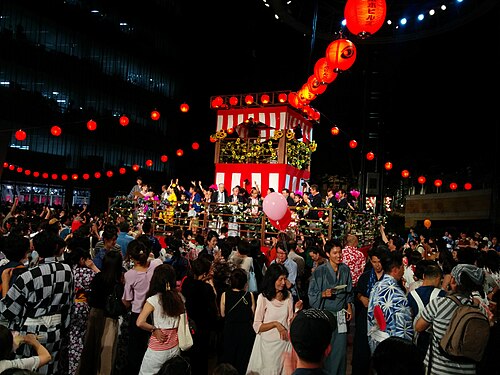
Regional dances vary in their music, steps and role in remembrance. UNESCO’s Furyu-odori entry
Kyoto’s Gozan no Okuribi during Obon
On August 16, fire designs on Kyoto’s surrounding hills are lit as a send-off for ancestral spirits during Obon. Gozan no Okuribi includes the character-shaped fire on Daimonji as one of five displays. The fires are on separate hills, so a place with a clear view of one may give the family what they came for. Look for the city’s guidance and permitted public locations before choosing where to watch. The hills used for the fires have access restrictions for the observance. Kyoto Travel’s Gozan Okuribi guide and visitor notices Kyoto’s overview of local customs
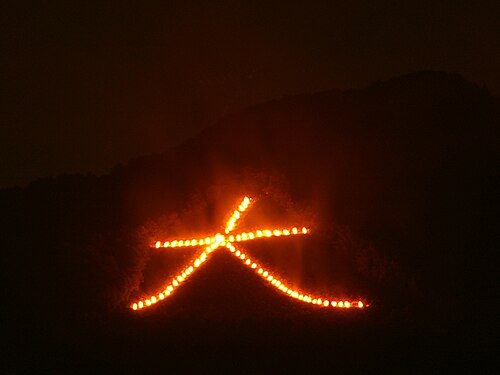
Pick one public viewpoint facing the display you want to see. Check the city’s notices for access and any broadcast options for that edition.
Autumn processions in Kyoto and Nagasaki
October offers two ways to see local history performed. Kyoto’s Jidai Matsuri presents different periods through clothing. Nagasaki Kunchi features neighborhood performances associated with Suwa Shrine.
Jidai Matsuri and a child’s view of history
Jidai Matsuri is often translated as the Festival of the Ages. Official Kyoto material explains how the procession represents periods and people from the city’s history and is linked with Heian Jingu. The edition’s map shows the route and current arrangements. Before leaving the hotel, choose a shorter viewing window around the part of the program the family is most interested in. An adult or child who cannot see the whole sequence can follow one visible detail, such as a sleeve, hat or the way equipment is carried, and then use the program to learn which era the detail represents. Kyoto Travel’s official Jidai Matsuri explanation
Watch Nagasaki Kunchi by performance and neighborhood
Nagasaki Kunchi’s performances can vary with the neighborhoods scheduled in that year. Official information discusses the influence of the city’s trading history and gives examples of the dances and objects used in performances. Some people travel because of a specific piece, such as a dragon dance when it is on the program. The name Nagasaki Kunchi alone says little about which team or piece you will see. Check the roster and performance location before promising a particular dance to a child. Discover Nagasaki’s official Kunchi visitor information
Confirm seating and entry for the performance you choose. JNTO’s Nagasaki Kunchi overview
Shichi-Go-San shrine visits in November
Around November 15, families may visit a shrine for Shichi-Go-San, which marks children’s growth at ages three, five and seven. Local practices vary. Leave doorways and steps clear for families attending ceremonies, and ask before photographing them. Meiji Jingu’s guide to the rite
Sources and further reading
The chapters link to official programs and venue maps. These guides provide more seasonal coverage.