- Compare garments by fabric, occasion, sleeves and sash.
- Explore weaving in Kyoto and dyeing in Kanazawa.
- Know what to ask before booking a fitting for children.
The long sleeves on a museum kimono tell you something about the occasion it was made for. A cotton yukata worn to a summer festival has another job. Start by looking at the fabric, sleeves and sash. Those details explain more about the clothing than any single rule about who is wearing it.
Kimono and yukata in everyday language
Kimono can mean the recognizable wrapped garment and, depending on context, the broader category of traditional clothing. Fabrics, tailoring, accessories and how a garment is worn vary with the occasion. A yukata is a lighter, casual garment, commonly cotton today. You may encounter a yukata at a summer festival or as clothing supplied by a ryokan. The inn can tell you where its guest yukata may be worn. Japan National Tourism Organization’s introduction to kimono and yukata
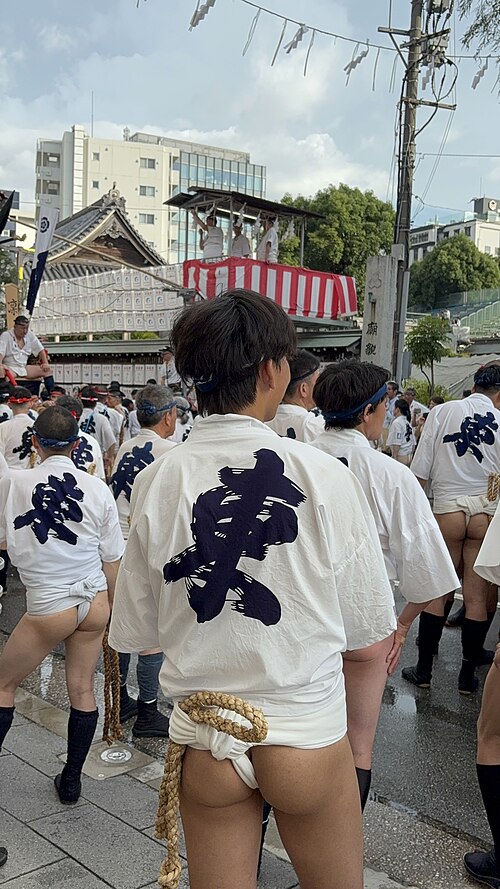
Look at what the cloth is being asked to do. A festival outfit needs to be manageable on a hot or crowded street. More formal clothing can involve several layers and a sash arranged for the occasion. For a child who mostly wants to try a sash and see how the sleeves move, a short fitting is often enough. The festival chapter explains what else to consider if you’re planning a summer matsuri outing.
What the obi and sleeves tell you
An obi is the sash around the waist. The width, fabric and knot affect both the look of an outfit and the way it feels. A knot that stands out behind the body can matter when you want to sit against a chair. A dresser can show kids what is holding the outfit in place and adjust the fit. Keep everyday footwear as an option for children who find traditional sandals tiring.
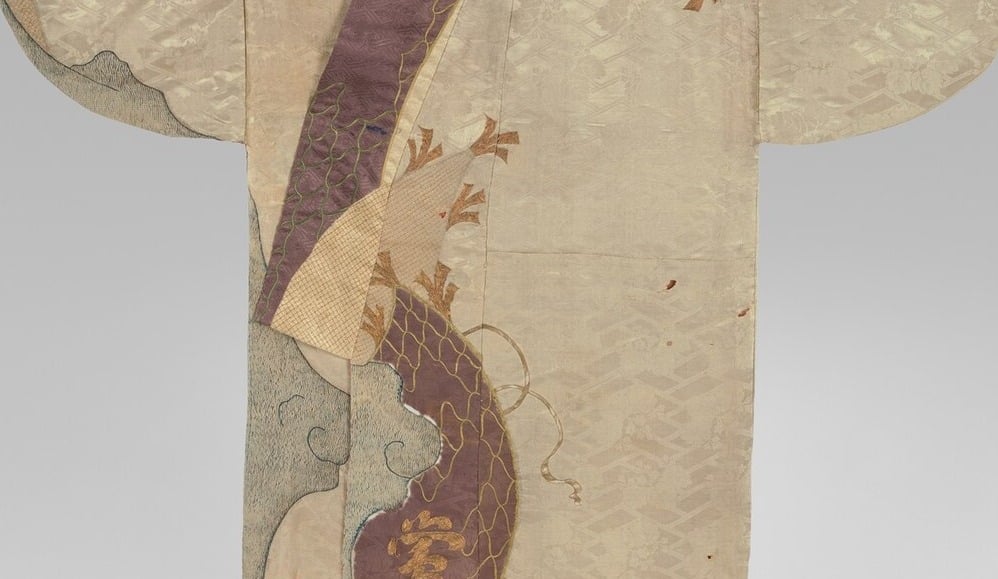
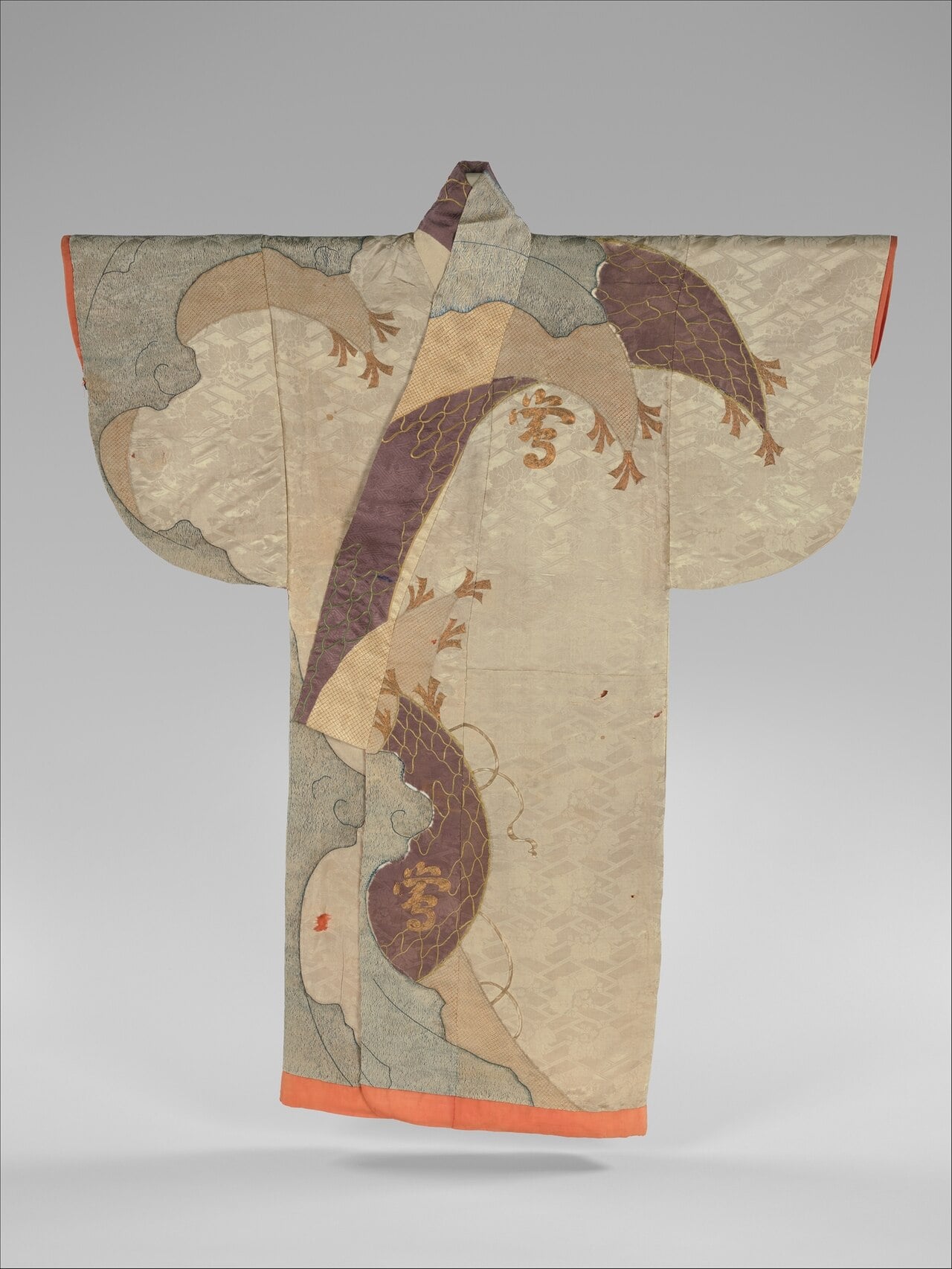
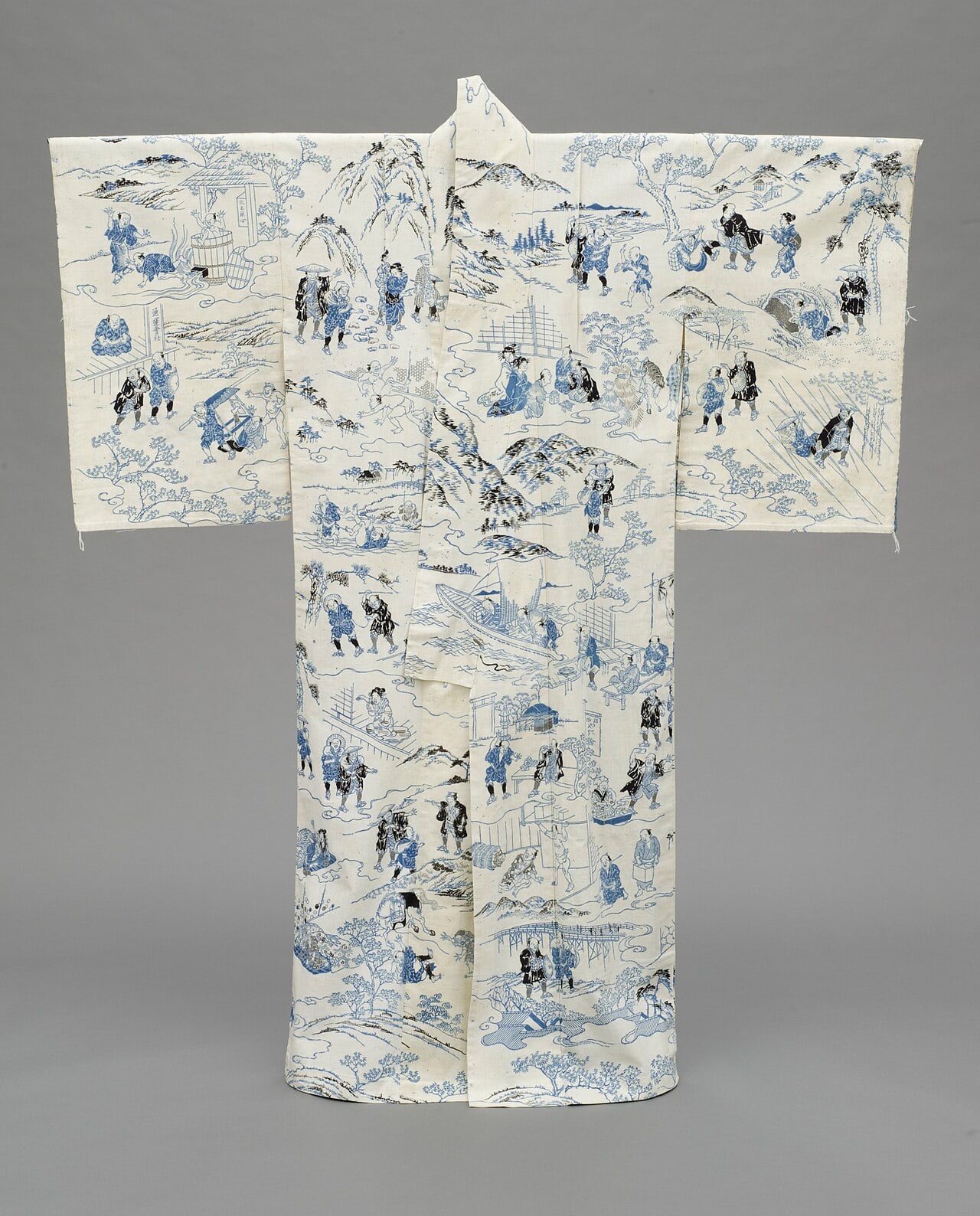
A kosode is an earlier robe form that helps explain the history of kimono. Look at the opening at the wrist, where the sleeve attaches and where the design sits when the garment is laid flat. Some designs extend across the whole back, making parts of the pattern appear or disappear when the garment moves. The Metropolitan Museum’s Edo-period robe with fishing nets and characters is a useful object to examine at that scale. The Met’s catalogue entry for the fishing-net kosode
A Kyoto textile visit before a fitting
Kyoto’s Nishijin district is associated with patterned weaving. The Nishijin Textile Industry Association describes weaving figured cloth with threads dyed before they go into the loom. That is a useful distinction for a child who assumes a pattern must always be drawn onto a finished fabric. Ask to see the threads or where a repeated design begins. Look for another example where the finished cloth is decorated in a different way. Nishijin Textile Industry Association’s guide to its textiles
The Nishijin Textile Center introduces the work of making and wearing kimono. Look at the center’s current calendar if your visit depends on a demonstration or hands-on program. Families can learn from the cloth even if they never dress up. If you do book a fitting, choose it as a separate activity so young children get to take a break between looking and wearing. Nishijin Textile Center’s visitor information Kyoto neighborhood walks and day plans
Kaga yūzen in Kanazawa
In Kanazawa, Kaga yūzen offers an example of decorating the fabric through dyeing. A visit to the Kaga Yuzen Kimono Center lets you compare finished designs with what you learned about woven pattern in Nishijin. Look for the shading on a petal or leaf and follow it to the edge of the design. The center and city list activities, and a family should ask which ones children can do and when they can take the item away. Kaga Yuzen Kimono Center visitor information Kanazawa day guide
What to ask a rental shop
Confirm the children’s heights, the smallest and largest sizes the shop offers and who will help each guest dress. Ask which garments are meant for the season and what shoes are included. If anyone uses a chair with a back or has difficulty standing during a fitting, describe that before reserving. Ask whether you can leave a stroller or bag while wearing the outfit, and when the clothing must be returned.
Choose the walk from the shop door. One flat street and a few photographs may be a good first outing for a child in unfamiliar shoes. A route with stone steps, garden gates or several train changes can feel different once everyone is dressed. Bring an easy way to change plans if it rains or someone gets uncomfortable. If you mostly want a family photograph, ask the shop about a short fitting or a photograph close to the dressing room.
Clothing and photographs in a worship district
Dressing up does not change the rules at a shrine or temple. Step away from worshippers, leave entrances clear and check signs about photography. A private doorway, home or lane can look like part of a public historic district. Use the posted signs on the street rather than assuming that a popular photograph was taken from a place open to everyone. The shrine and temple guide explains how to recognize where people pray.
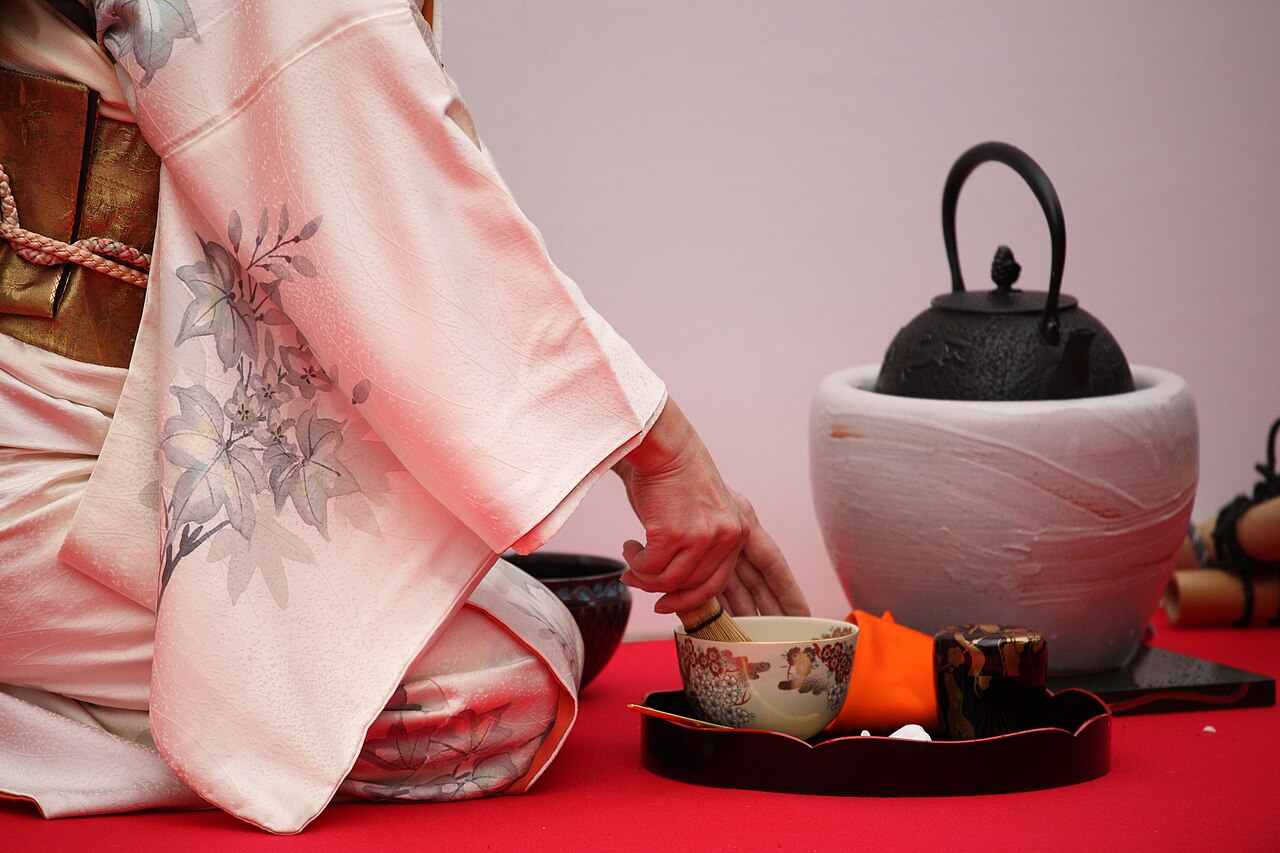
A visitor who wants to wear a kimono to tea should ask the host how the room is used, how long guests will sit and whether the sash will be comfortable with their chair or floor seat. The Japanese tea ceremony guide distinguishes a garden serving, a lesson and a longer gathering. For a private family outing, say whether cloth, dressing or photography is the main interest. That gives the day a purpose even if only one or two people try the clothing.