In this guide
Give the Tokyo day a boundary
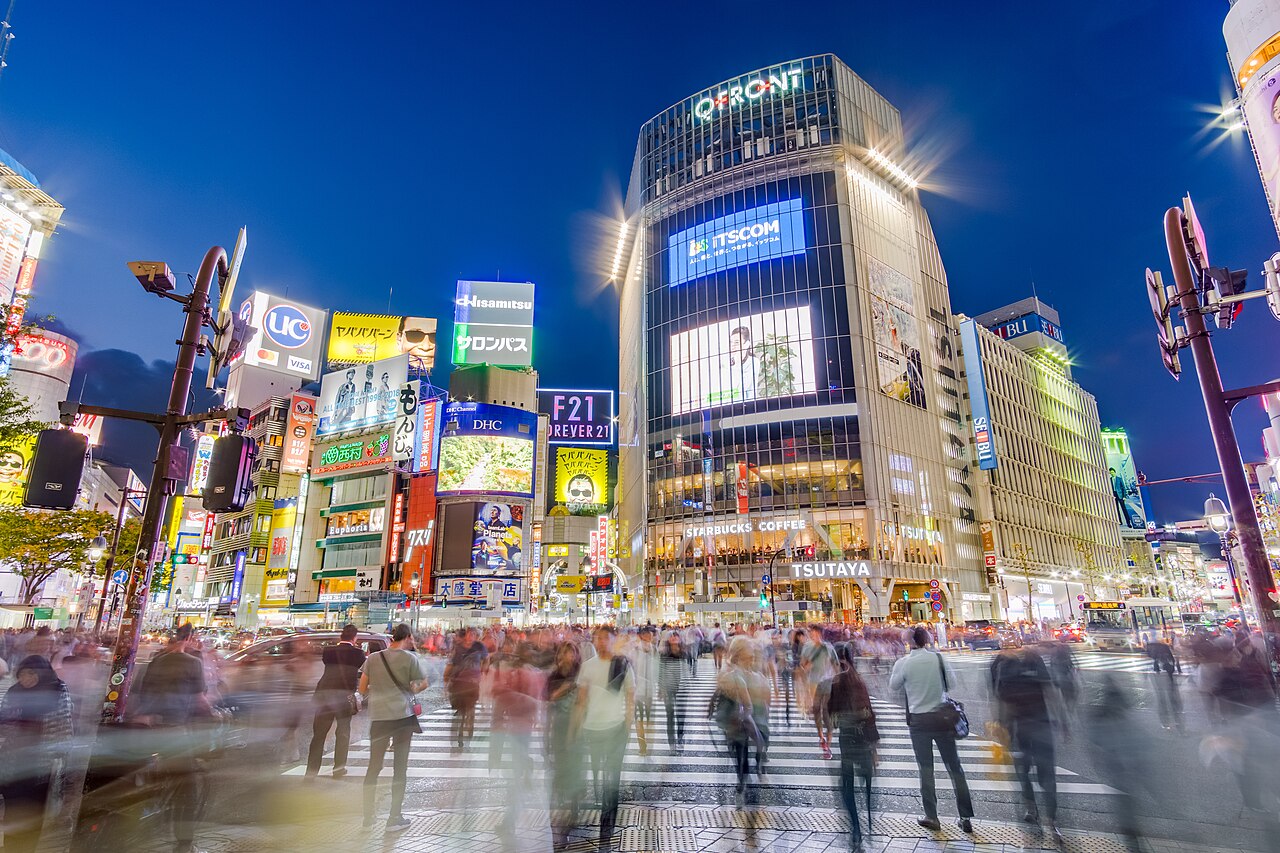
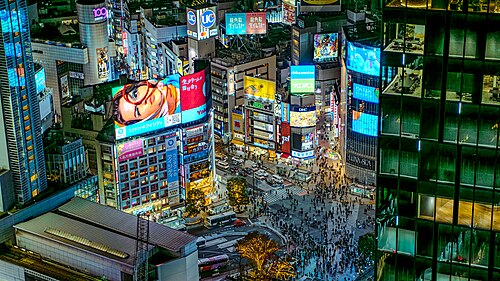
Pair Harajuku and Shibuya on one city day. Agree on an exact station exit and a meeting time before anyone takes an independent walk. Give the group an alternative near the lunch spot if a queue is too long or someone wants a quieter hour. See official ideas for your days in Tokyo.
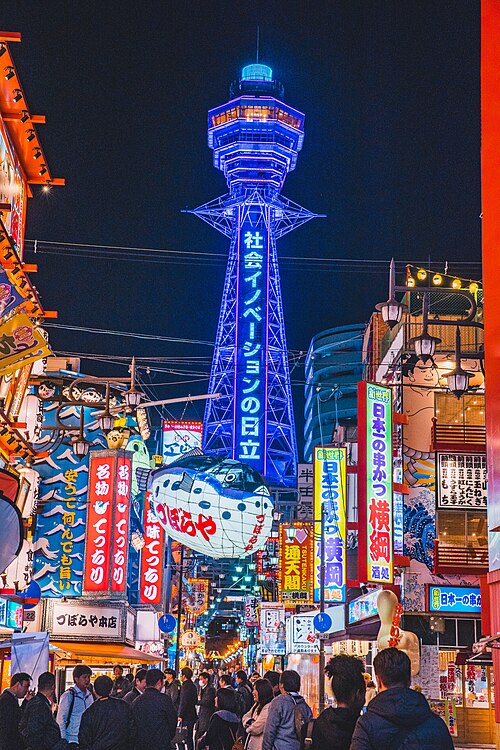
Let Osaka be a choice between food and a full park day
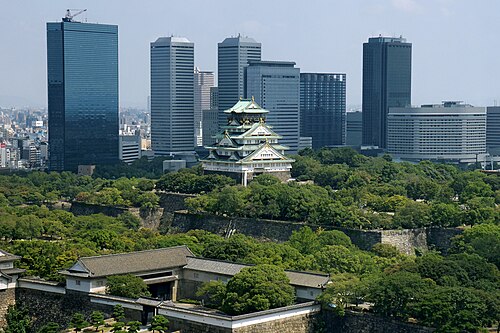
Choose a Namba food walk with a sit-down lunch or spend a separate day at Universal Studios Japan. Price and book the park around the actual priorities, including any separate area-entry requirement. Keep the next morning open after a late finish. Check park tickets and area-entry details.
In Kyoto, choose something they can shape
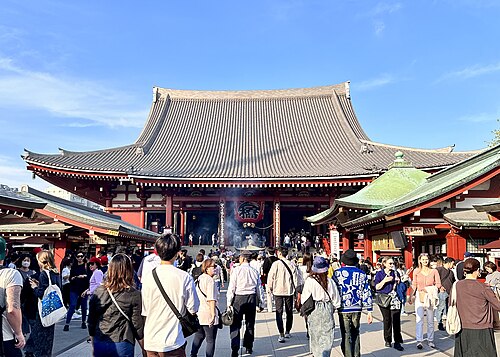
Offer a temple garden, bamboo walk or market lunch and give teens a clear trade-off between distance and what each place offers. With two generations travelling together, plan to meet at the same lunch spot after a shorter or longer loop. See JNTO’s Kyoto trip ideas.
Agree on the way back if phones fail
Write down the hotel name and address, one local landmark and the next meeting time. Decide how anyone who loses mobile data gets back from the neighborhood. Keep baggage and a late-night rail transfer out of the day with the longest independent time. Check connectivity and first-time visitor guidance.
Give teens one part of the trip to lead
Ask each teen to bring one neighborhood idea and a place that is open when the rest of the group can visit. Have them check the return station, an affordable lunch and what happens if the main stop is busy. Take turns choosing mornings. Somebody who wants time to draw in a garden can have their day alongside a child whose priorities are clothes, a game store or trying regional food. A clearly defined choice helps the rest of the family keep up.
Agree which activities somebody can skip and which require the whole group. For a family with a younger sibling, use two groups after lunch and meet at dinner. Put anything involving a ticket lottery, entry slot or lengthy queue on a day with a realistic backup. Read the family planning overview to choose what needs booking before younger and older children set their own activities.
Give Tokyo’s west and east sides their own choices
On a west-side day, use Harajuku and Shibuya as the boundaries. A teen can choose between a shrine walk, vintage shops or an early lunch, while adults decide how much crowd time is comfortable. Keep the meeting spot outside a specific station exit or building. Shops and queues change, so agree what the group will do if the first choice is closed or has a long wait. Go back to the same hotel from the end point you choose.
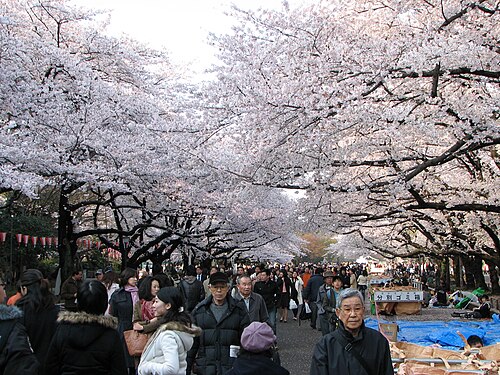
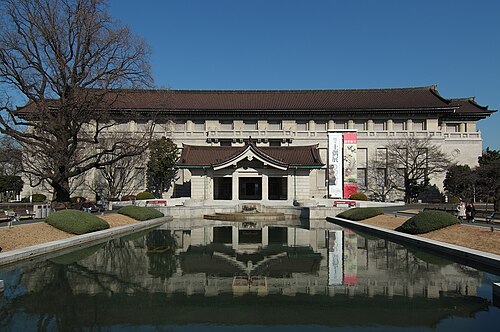
Use a different day for Akihabara, Ueno or other east-side priorities. A family member who prefers a museum can choose one in Ueno before meeting up for food. Protect lunch and check the way between districts before splitting. For a first visit with a range of ages, the east-side Tokyo one-day plan offers a manageable shared route. GO TOKYO district itineraries and things to do.
Choose a park day in Osaka or a short food afternoon
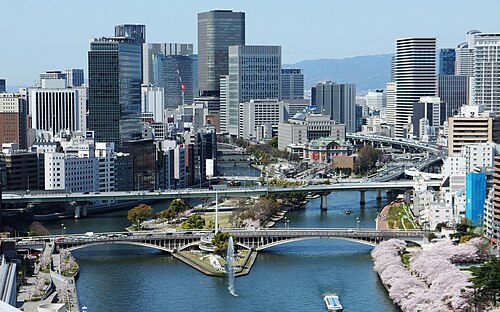
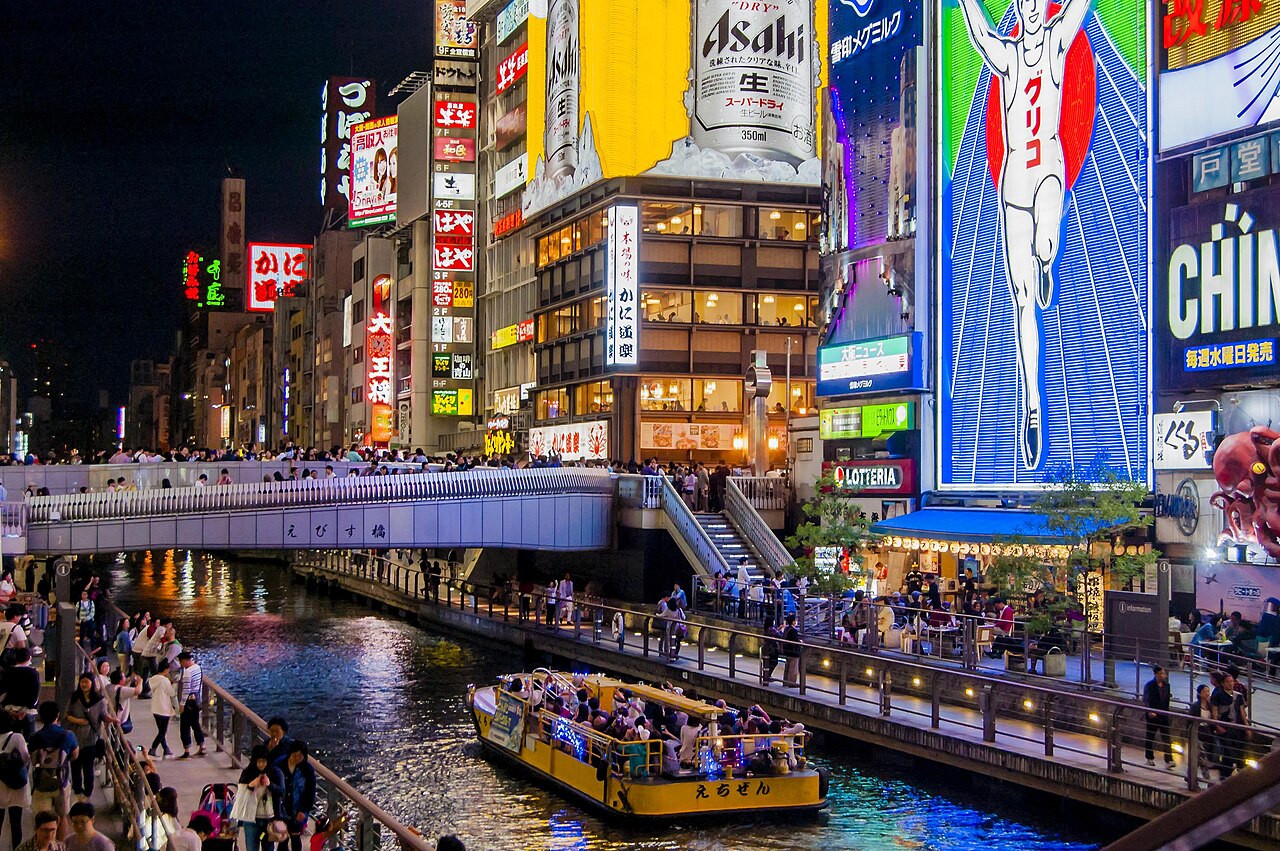
For an Osaka food day, use a small Namba area and decide before going whether the goal is a snack search, a sit-down meal or a river walk. Give the teens a short period to find something themselves and a time to meet. People who want a quieter break can stay at the chosen food stop. The Namba and Dotonbori day plan keeps the trip feasible even when the group wants different things.
A Universal Studios Japan day takes a different kind of effort. Ask each teen for a first and second priority, then check exactly which admissions or area arrangements are needed and when you can get them. Leave space for a later-than-planned lunch and an unhurried journey back to the hotel. Leave the next morning light so the family can start the Kyoto visit rested. Universal Studios Japan tickets and entry information.
In Kyoto, give the temple or craft a question to answer
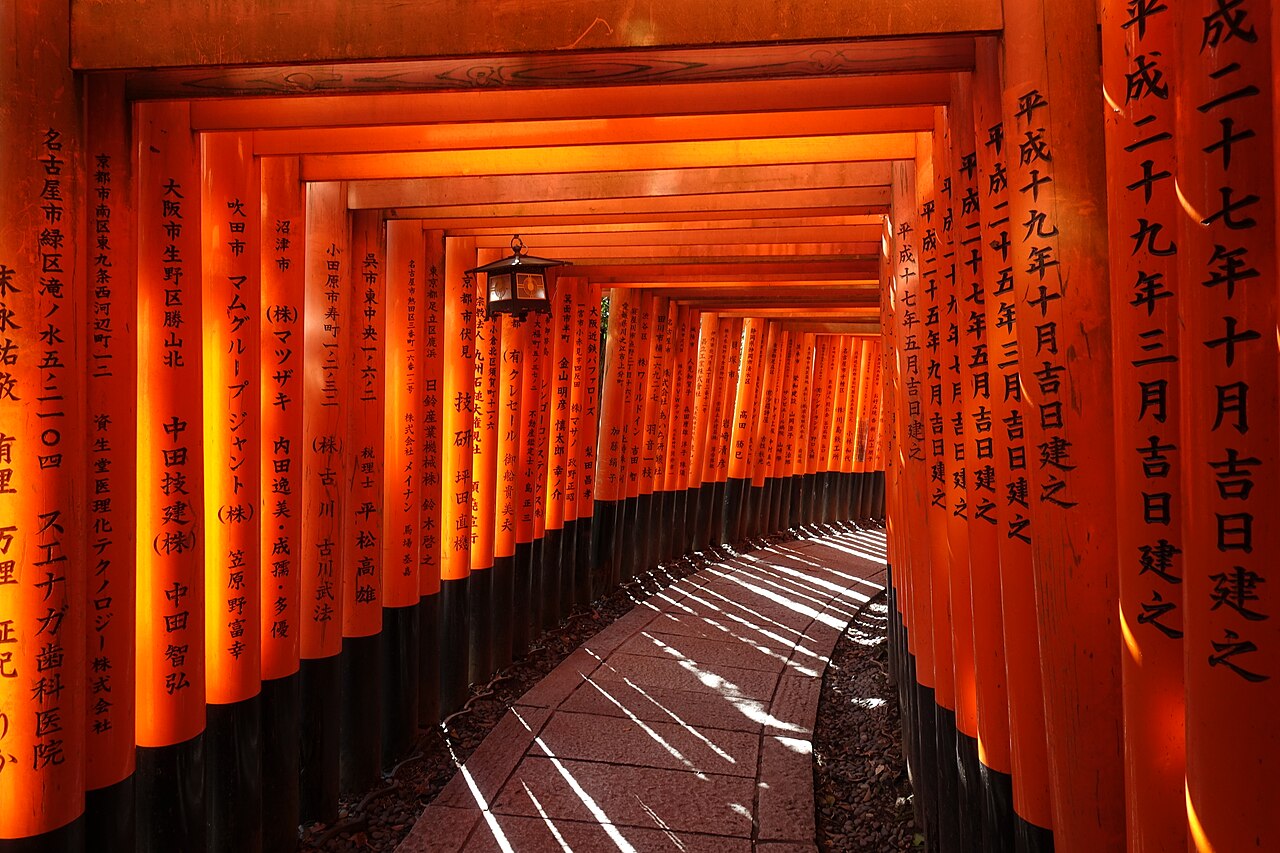
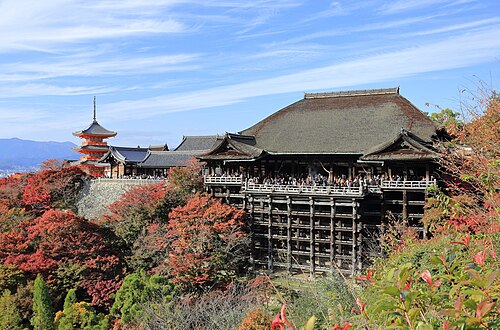
Ask a teen who prefers other outings what could make a temple visit worthwhile. Look for details in the gates at Fushimi Inari, compare one garden's design with another activity, or book a craft session the teen actually wants to try. Give one of these the best morning slot and ask what should happen after lunch. If there is money for a private guide, describe the teen’s interests in advance so they can build a meaningful visit around one district.
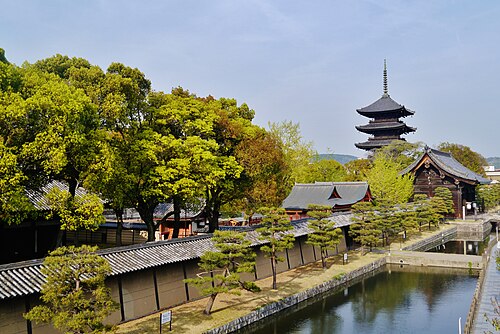
Use a shorter gate route for the whole group before an optional extension. For rain, set a covered market and a bowl of noodles as one choice or use one museum with a verified opening calendar. The Kyoto one-day guide helps choose which part of the city to keep if your family wants to return for an early evening.
A ryokan bath can also be an experience teenagers want to choose for themselves. Ask whether the group prefers a shared bath or a reservable private session. Check the facility’s rules on ages and tattoos before booking and let each person decide whether they want to join. Our family guide to Japanese onsen etiquette explains the difference between shared and private options. Kyoto’s official guidance on visiting its districts.
Set boundaries for time, money and getting home
Before a teen gets independent time, agree on whether they go alone or with somebody else, the neighborhood boundary, a spending limit and how to get back. Make the reunion point an address or a station entrance that works even when a phone goes flat. Put the hotel name and address on a card or in an offline note. Choose a second meeting time or exact instruction for what to do if somebody is delayed.
Use a familiar daytime route the first time, with adults nearby and a simple return. Pass an alternative meeting point along to all members of the group. Avoid starting this arrangement on a big travel day when one adult is moving luggage or a different station is involved. Put a charged battery, transit information and enough money for the shared plan into the bag. JNTO first-time visitor planning and connectivity resources.
Worked example for a teenager and a younger sibling
In Tokyo, do a shared breakfast and a short morning in Ueno. One adult takes the younger child back after lunch while the teen chooses a nearby indoor stop with the other adult. The next day, swap roles and give the toddler a morning with more open space. In Osaka, give the teenager the park's first priority but keep a simple backup for a ride that is unavailable. The family can still share lunch and compare the choices later.
Write this split-day pattern into a private trip enquiry. Say which mornings you want to spend together and where an adult with a younger child might want help returning. The Japan With the Family itinerary supplies a starting point with fewer room moves. Add independent time around a known base so it stays practical for everybody.
Destination photos