- Understand the difference between an onsen and a sento.
- Know what to do in the changing room, wash area and bath.
- Ask about private baths, child access and tattoo rules before visiting.
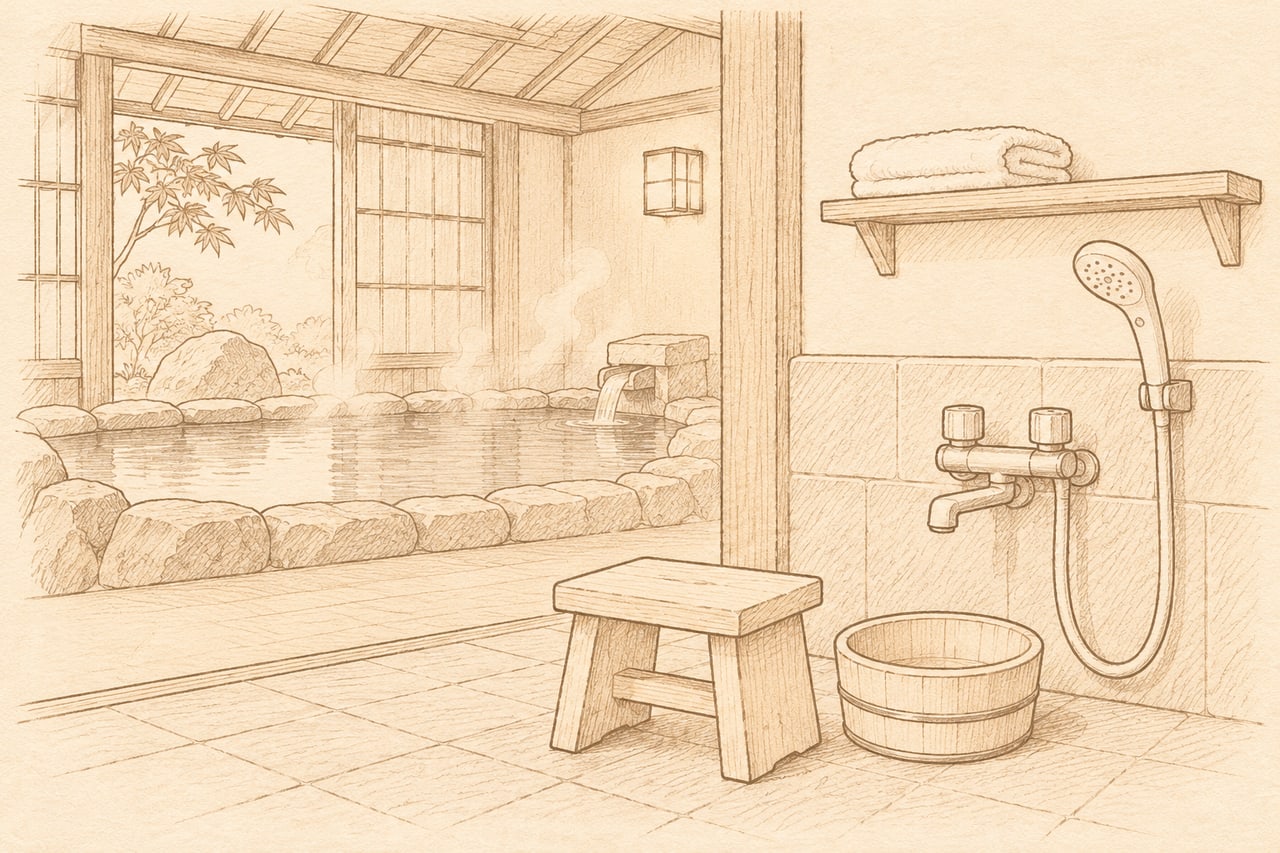
If you are trying a Japanese hot spring for the first time, decide who wants to bathe together before you choose a venue. A shared bath can be a quiet way to take part in local life. A reservable private bath gives a family time to settle in and lets children stay with the adult they choose. At either one, you wash at a shower station before stepping into the soaking pool.
Onsen, Sento and Ryokan
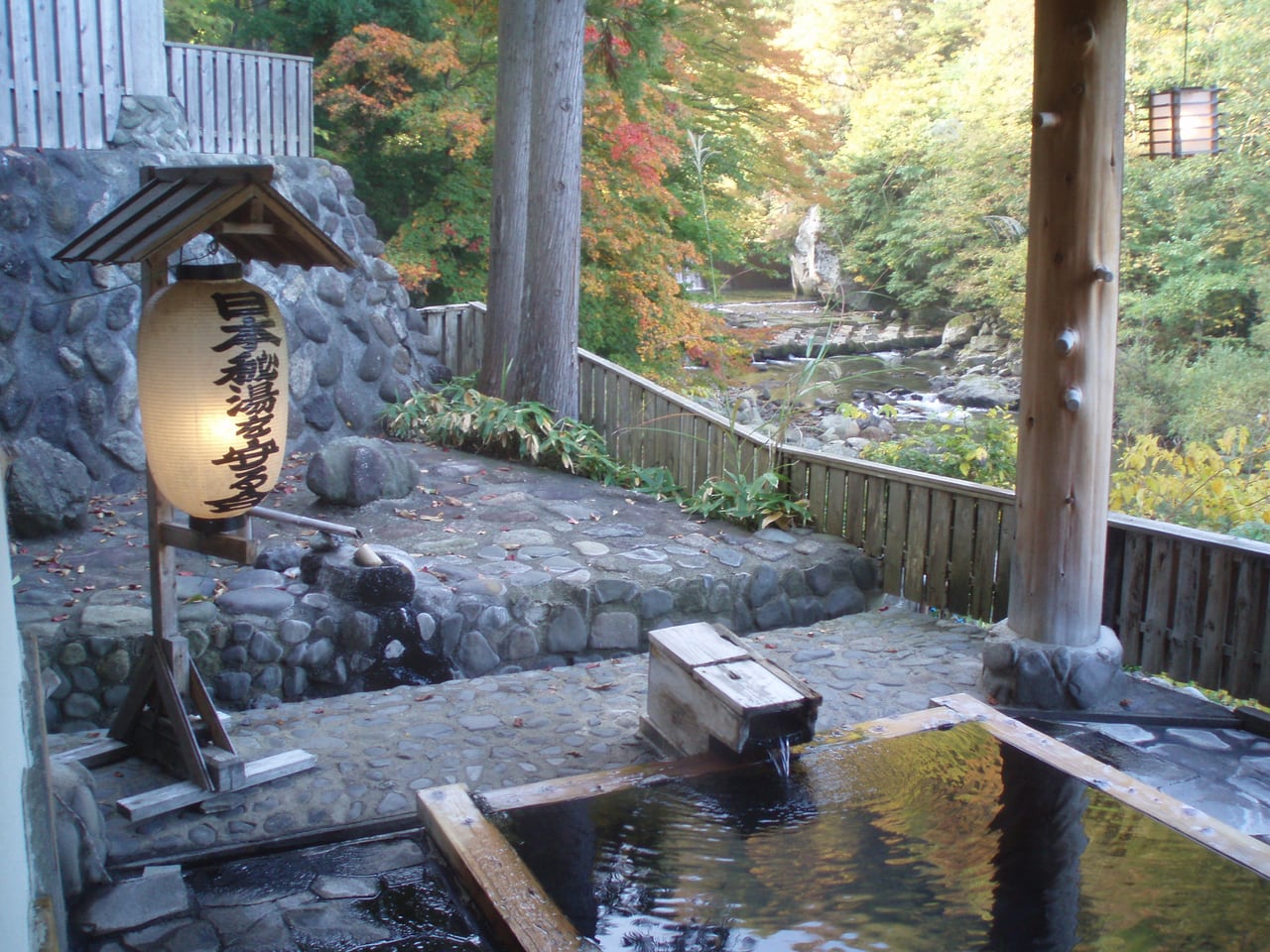
An onsen is a natural hot spring, and the word also describes a bath supplied by that spring. A sento is a public bathhouse, often serving a neighborhood. Many heat their own water, and some use water from a natural hot spring. A ryokan is a Japanese inn. If spring water is part of the experience you want, ask whether the specific bath you plan to use is fed by a hot spring. A property can have several kinds of baths. JNTO’s guide to bathing in Japan JNTO’s Tokyo bathhouse directory
What to Ask Before Bringing Children
Tell the venue the age of each child and which adults need to accompany them. Ask about the minimum age for the specific bath, whether a child can enter the same area as their caregiver, and what the venue allows for children who still wear diapers. Confirm the arrangements for a private booking as well. Hakone Yuryo, for example, directs preschool-age children to its reservable private baths and publishes separate rules for public-bath access and diaper use. Hakone Yuryo’s bathing FAQ
Before you leave, explain that everyone washes first and walks slowly on the wet floor. Keep younger children close and let them sit out if they dislike the heat or feel uncomfortable. If the adults still want a soak, make a plan to take turns. For a grandparent who needs a handrail or a step-free route, ask about the changing area and the steps into the bath itself. Access to the building only answers part of the question.
Check Tattoo Policies for the Exact Bath
A venue may welcome tattoos, permit covers on small tattoos, or restrict access to certain baths. Ask which rule applies to the area you are booking, and mention the size and location of the tattoo if you are asking about a cover. For a private booking, confirm that the reservation includes a route from reception to the bath that works under the venue’s policy. JNTO’s guide to tattoos and onsen etiquette
What to Do at the Bath
- Get changed. Leave clothes and valuables in the designated basket or locker. Keep phones and cameras packed away through the changing and bathing areas. If the venue provides two towels, leave the large one for drying off and take the small one to the washing area.
- Wash first. Use a shower station to wash and rinse, sitting on the stool if provided. Tie up long hair, keep the spray close and rinse any soap off before approaching the pool.
- Step in slowly. Leave the towel beside the pool and keep your hair clear of the water. Speak softly and save splashing for a swimming pool. Step out whenever you are ready.
- Dry off before going back. Use the small towel to remove excess water before returning to the changing area. Follow any posted instructions about where to leave used towels. JNTO’s guide to bathing manners JNTO’s visitor etiquette
Where to Try a Japanese Bath
Hakone. Combine an afternoon of sightseeing with a day-use bath, or choose an overnight inn where bathing can fit around dinner and bedtime. Hakone Yuryo near Hakone-Yumoto has shared baths and reservable private open-air baths. Check the reservation process, rules and last admission for your date. For help choosing a base, see our Hakone destination guide. Hakone Yuryo’s bathing FAQ
Tokyo. If the family is already staying in the city, a neighborhood sento can fit into an ordinary evening. Check whether you need to bring towels or soap and decide who will use each bathing area. Browse our Tokyo destination guide for a day plan that leaves time to go at your own pace. GO TOKYO’s guide to onsen and bathhouses
The Japanese culture guide covers other customs you can experience on the same trip, including a tea ceremony and visits to shrines and temples.