At a glance
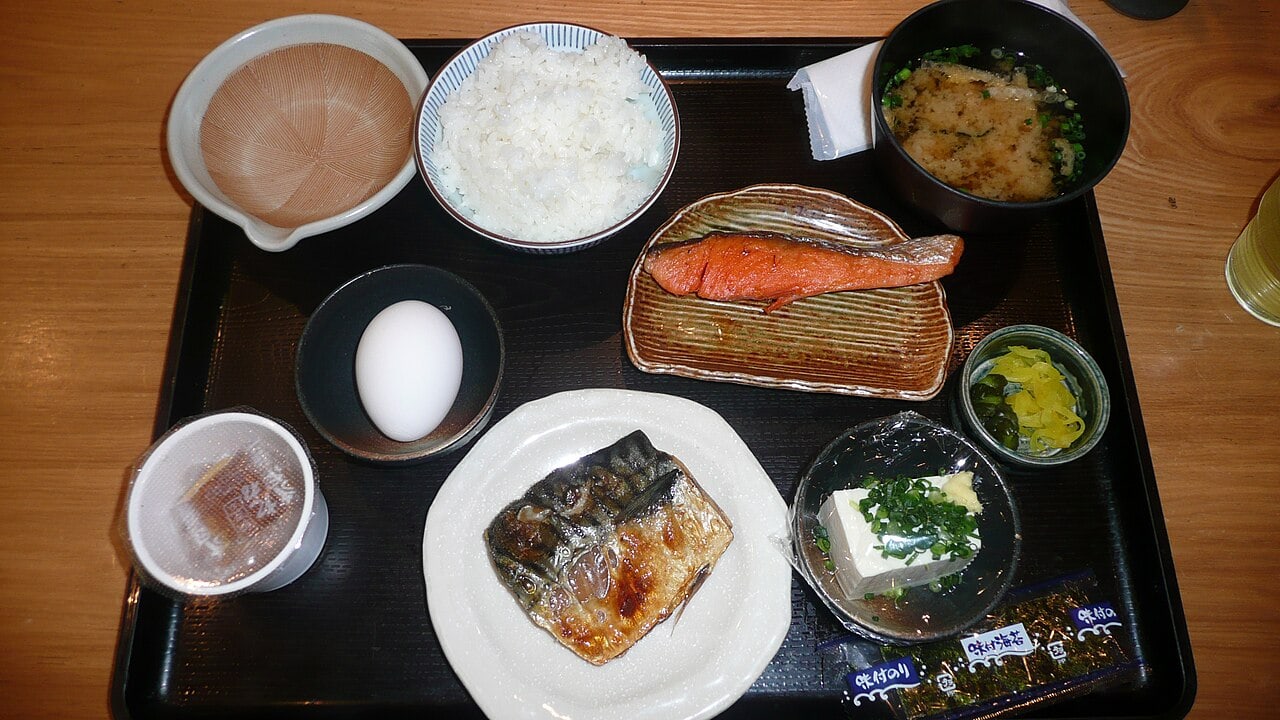
Jump to chaptersAt a Japanese home table, a bowl of rice might sit beside miso soup, grilled fish and two small vegetable dishes. Take a bite of the fish, then some rice, then a bite of something pickled. You can see how each dish has a job. That is a better introduction to washoku than trying to taste as many specialties as possible in one day.
- Read a Japanese meal through its rice, soup and side dishes.
- See how dashi, fermentation and the seasons shape flavor.
- Choose a set meal, market visit or family cooking lesson.
What Washoku Means at a Japanese Table
Washoku (和食) is a Japanese term for Japanese-style food and meals. UNESCO’s 2013 inscription recognizes the wider culture of preparing, sharing and passing on food traditions, with special attention to New Year. A household recipe, a technique for making stock and the work of preparing a holiday meal together are all part of that story. UNESCO’s Washoku inscription
Four ideas help you read the meal. Look at where the ingredients come from, how the dishes fit together, how the season appears on the table and what occasion brings people together. Rice, fish, vegetables and soy-based seasonings give cooks a flexible vocabulary. In one region you might meet a local vegetable or a particular miso. In another, a familiar ingredient can taste different because it has been dried, pickled or simmered. Kikkoman’s introduction to washoku Japan’s agriculture ministry on the diversity of washoku
A family can start with a set lunch. Let one child find the item that still tastes most like the original ingredient. Someone else can point out what has changed, such as the bite of a pickle or the smell of a broth. You can ask the same questions at a market, in a cooking workshop or over breakfast at a ryokan.
The word is useful on a menu even when it’s used more broadly than UNESCO’s inscription. A Japanese-style breakfast sign, a home recipe and a formal meal can all use it. At a restaurant, see what the description names. A set meal tells you how the dishes will arrive. A seasonal menu tells you what the kitchen chose for that day. Those clues are a more useful starting point than trying to decide whether one restaurant represents the whole tradition.
Rice, Soup and the Logic of a Daily Meal
Ichijū sansai means one soup and three dishes. In the familiar arrangement, rice and soup accompany one main dish and two sides. Grilled fish, simmered vegetables and greens make one possible combination. Pickles may come alongside. A household might have fewer dishes or use a different protein, and what is on the tray changes with the season and how much time there is to cook. Ministry of Agriculture’s guide to composing a washoku meal
Read the tray in three bites
Start with plain rice. Then taste the soup on its own and try a bite of the main dish with a little rice. Finish the comparison with a pickle or a vegetable side. If a child wants to know why the bowls stay separate, try tasting the pickle before and after a bite of rice. The contrast is easier to understand in the mouth than in a menu translation.
The smaller sides can be as instructive as the centerpiece. A piece of grilled fish can carry salt and a smoky edge. Greens can take on the taste of their dressing without losing their own texture. A pickle can make the next bite of rice taste mild again. Choose a tray with a side you can describe, and ask the server what it is if you cannot identify it.
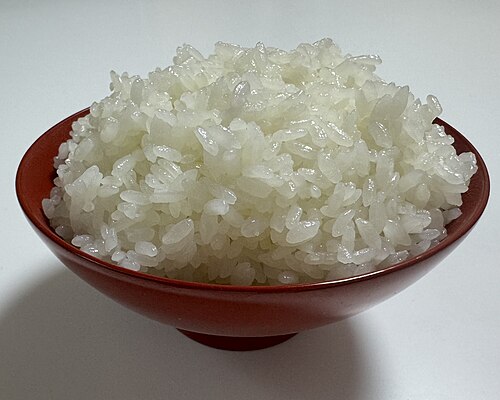
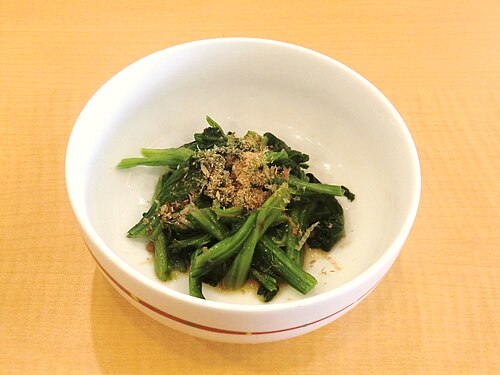
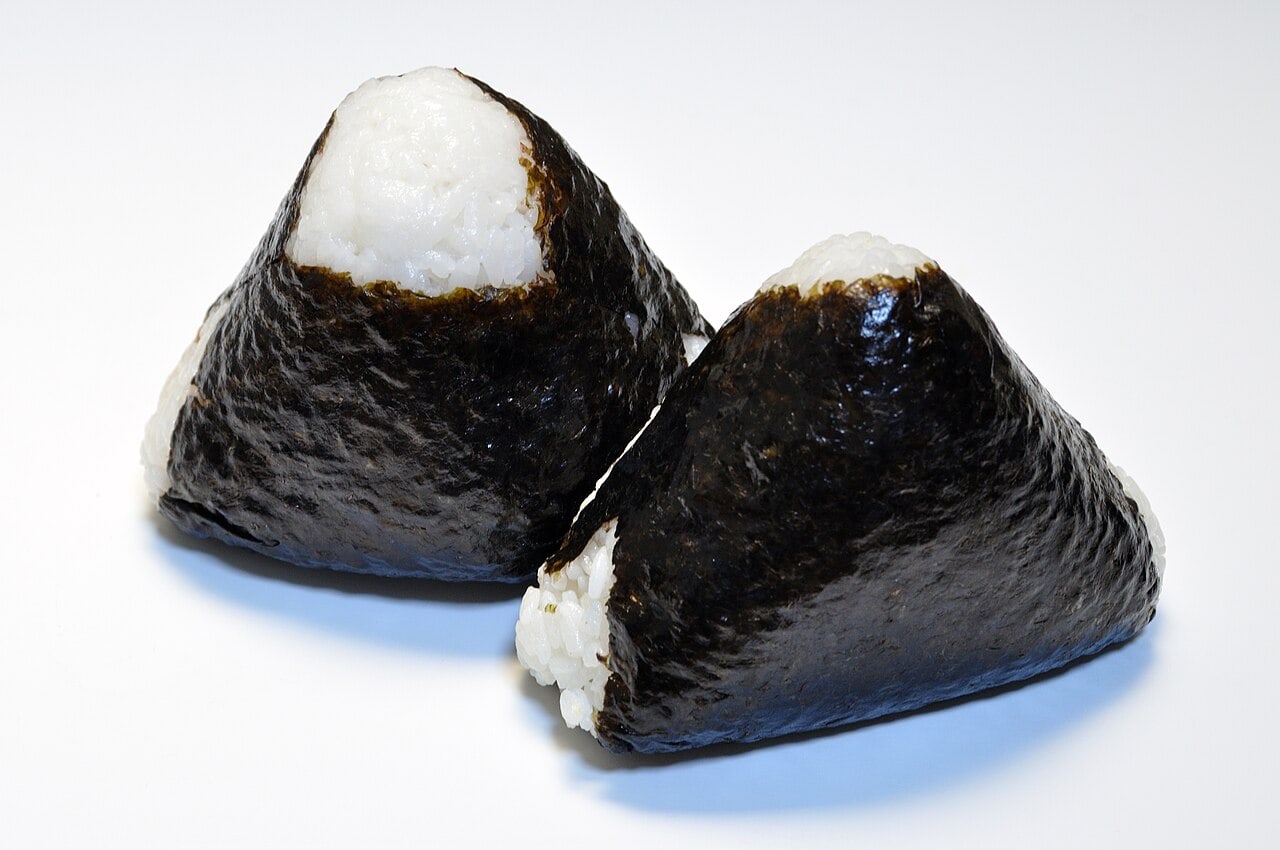
Look for teishoku if you want a set meal in a restaurant. Check what comes with the main dish, since the soup and sides may change. Onigiri are handheld rice balls with or without fillings. They are useful for a shorter food stop. Check the filling and seasoning if something matters to your group, and save the longer comparison for a meal where you can sit down.
A home tray, a restaurant set and a ryokan breakfast
At home the main dish and sides can change according to what needs using or who is eating. A teishoku gives that flexible structure a clear restaurant format. At a ryokan breakfast, you may see several little dishes at once, including preparations that are unfamiliar first thing in the morning. Start with the rice and soup, then ask what is intended to go with them. A household dish can be a side at breakfast and reappear in another meal.
For a family tasting from the same table, ask if the restaurant can provide a spare side plate or smaller portion. At a fixed ryokan meal, check what the inn can offer children before the meal. The ryokan family guide explains how to confirm meal arrangements.
Dashi, Umami and the Flavor Under the Surface
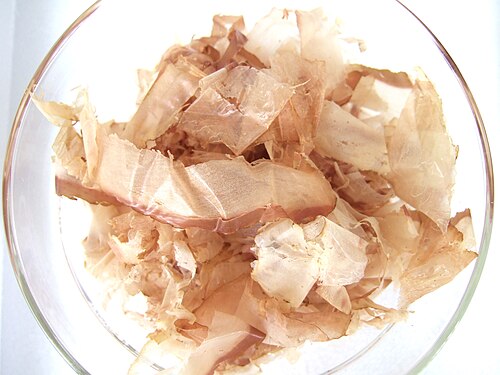
Dashi is stock. Cooks can draw flavor from kombu kelp, katsuobushi dried bonito flakes, small dried fish or dried shiitake, depending on the stock they want. Umami is the savory taste you can notice in some of these ingredients and in fermented seasonings. The stock contributes to the dish even when you cannot see the ingredient that flavored it. Japan’s agriculture ministry on dashi and umami
In a kitchen lesson, ask to compare the dry ingredients with the liquid they make. Bonito flakes smell and feel different from a piece of dried kombu. Taste a spoonful of plain stock, if offered, then try the soup once it is seasoned. A clear broth leaves room for a garnish to stand out. Miso adds its own aroma, color and body when it is stirred into stock. The two steps explain how an ingredient that is taken out can still shape the bowl.
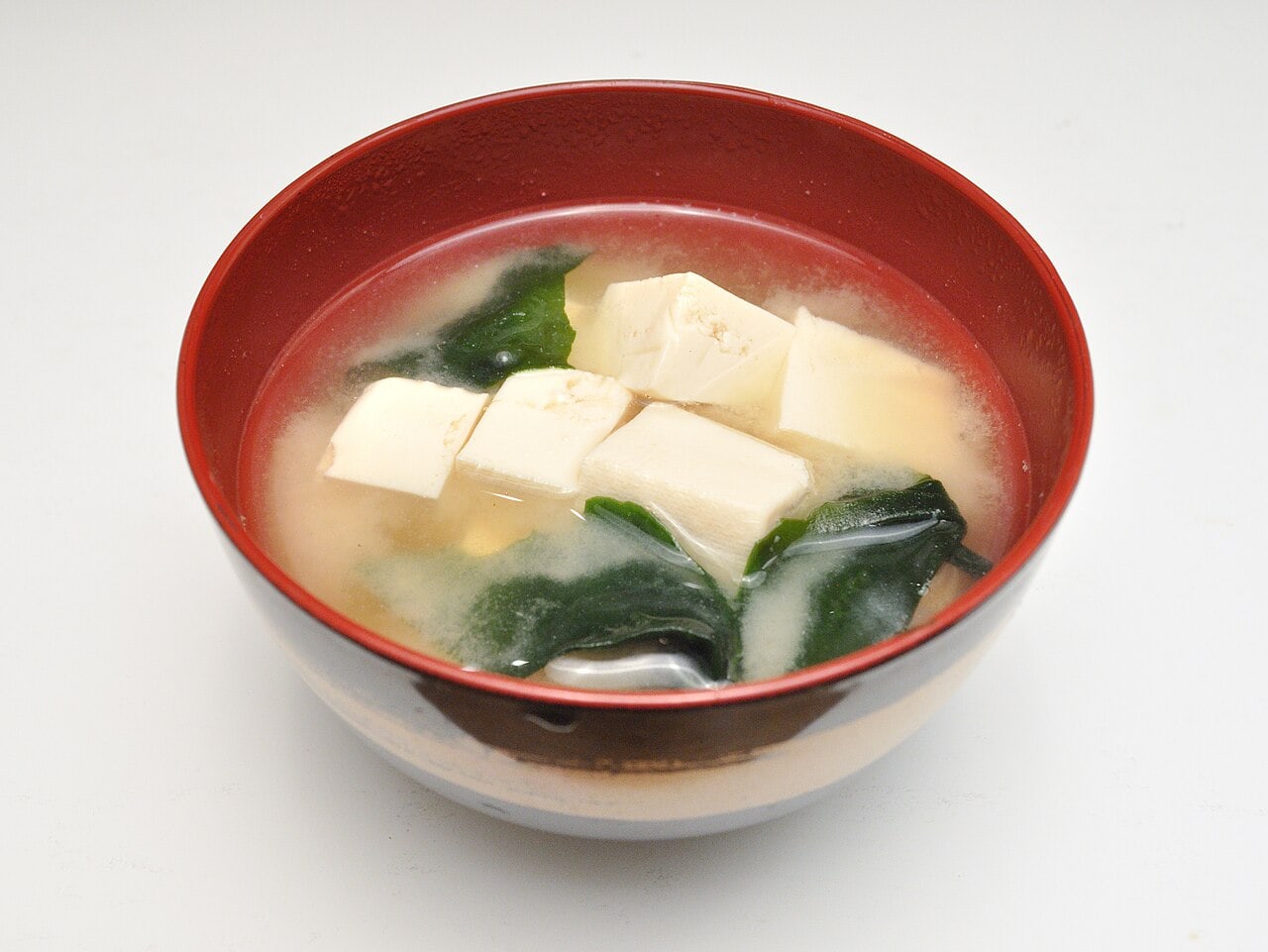
Where the stock shows up
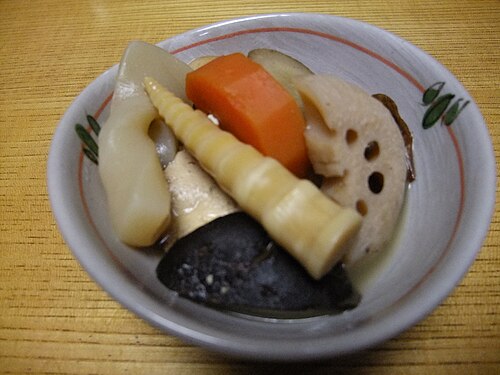
Look beyond the bowl of soup. Simmered vegetables, a noodle broth and a dipping sauce can all draw flavor from stock. At a market, notice the difference between a packet of plain kombu and a prepared stock powder with several ingredients. A cooking teacher can show both on the same day. For anyone who avoids fish, the important question at lunch is what went into the stock, even when the dish looks entirely vegetable-based. JNTO’s vegetarian and vegan dining guide
If a teacher offers two stocks, ask which ingredients are in each and why the cook would choose one for a particular dish. Keep the comparison small. First identify the aroma, then notice whether the taste stays after swallowing. Give children the option of smelling the ingredients without tasting every spoonful. Later, when you see a clear soup or a simmered vegetable, ask what the food would taste like if it had been cooked in water alone. That’s a good way to understand what a stock contributes.
Miso, Soy Sauce, Pickles and the Fermented Pantry
Miso is a fermented paste used in soups, marinades and other preparations. Soy sauce is a liquid seasoning with its own range of styles. Nattō offers a different lesson in fermentation. Stir it and you can see the characteristic threads. If two different misos are available at a workshop, try each in a little broth. The difference is easier to pick out once they are diluted.
Tsukemono is a broad term for pickled foods. Some are mild and crisp, others more strongly seasoned. Compare a small bite of pickle with the vegetable in another form. At a pickle shop, ask how the seller suggests serving it. A purchase should answer an actual question about the table, such as what the pickle goes with or how it gives plain rice a different taste. Japan’s agriculture ministry on washoku and its regional ingredients
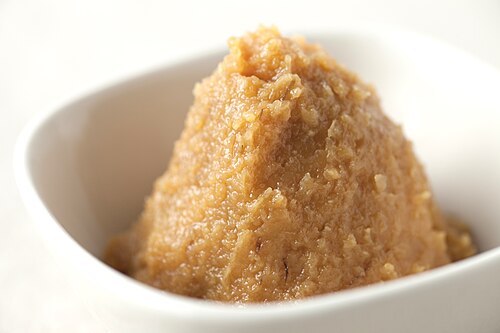
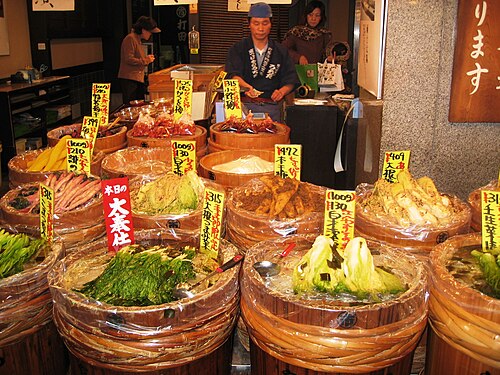
At a shop, labels may describe the grain or beans used, the region or the seasoning level. A darker or lighter paste gives you something to notice, and the seller can explain which soup or dish they use it for. When comparing two bowls of miso soup, notice both the paste and what else is in the bowl. The stock, tofu, greens or other ingredients can make a substantial difference even if the miso is the same.
Seasonality, Preservation and the New Year Table
Ask what changed in the meal because of the season. It could be an ingredient, the temperature of a dish, a garnish or even the plate. A bowl of cold noodles and a simmered dish served warm offer different ways to respond to the weather. Pickling and drying can also change when and how ingredients are available. A meal can draw on preserved ingredients for some flavors and fresh produce for others. Kikkoman’s overview of seasonal washoku
In Kyoto or Kanazawa, ask what the cook especially wants you to taste that day. The answer may be a vegetable, a preparation or a change in the way the dish is served. The serving vessel can be a clue too. In a formal setting, it might draw attention to the season the cook wants to suggest. In a home meal, a hot or chilled preparation may be the clearest sign of the time of year. Start with what is actually on the table.
Some seasonal ingredients are especially easy to compare across two meals. At a market, ask what a seller is seeing for the first time this season. In a restaurant, ask how that ingredient is prepared today. You might recognize the same shape and color on the plate or see how cooking changed both. This helps a child connect the market label with an ingredient they actually tasted. Kikkoman’s seasonal examples include the beginning and end of a crop’s season, when its texture or flavor can differ from the peak.
Osechi and ozōni at New Year
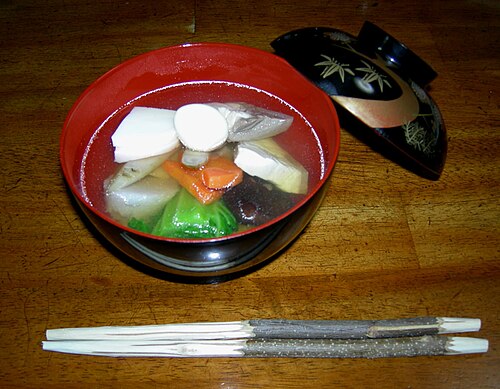
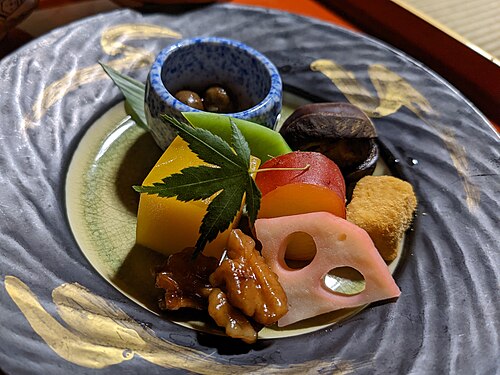
Osechi ryōri is a selection of New Year foods often arranged in stacked boxes. Open one and you may see several things prepared in quite different ways, assembled for a household celebration. Ozōni is a soup with mochi, and recipes differ by household and region. Two ozōni bowls can look and taste different while playing the same role in the holiday. Ask what the family or cook normally serves and why. UNESCO’s entry on New Year food traditions
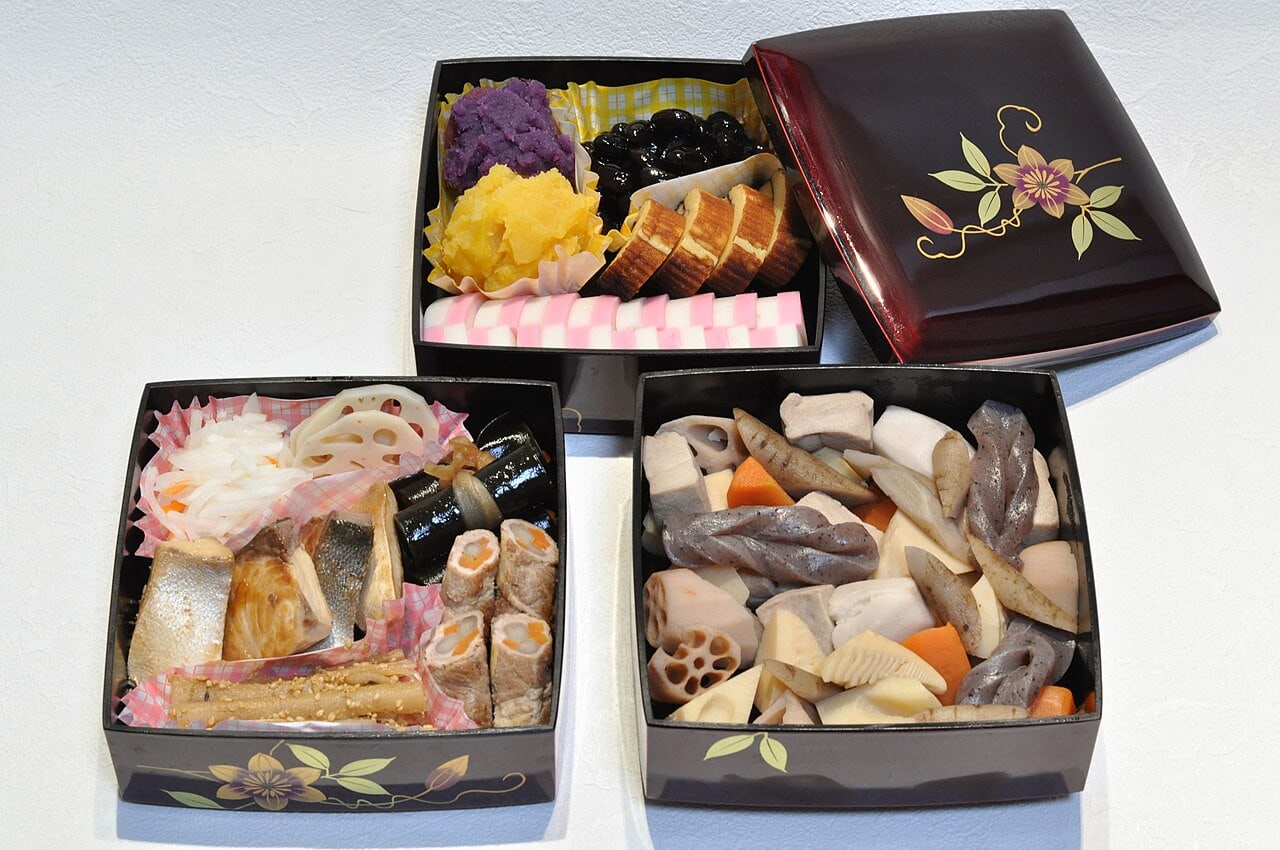
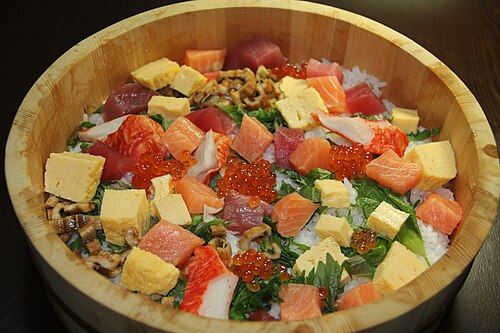
Food can mark a spring celebration too. Kikkoman gives chirashizushi, sushi rice with toppings scattered over it, as an example associated with Hinamatsuri, the Doll Festival. A child can compare a celebration dish in Japan with one from home. Which parts can be made ahead? Which are best shared, and when does the family bring them out? The Japanese festivals guide describes public customs around New Year.
From a Home Kitchen to a Cooking Workshop
A home-cooking workshop is most interesting when it shows why a cook makes a choice. Ask how the stock is chosen for a soup, what is served with rice and what changes when a vegetable comes into season. JNTO profiles a private Osaka workshop in which chef Machiko connects the dishes she teaches with the family traditions behind them. It is one example of what to look for in a class. JNTO’s Washoku Home Cooking profile
Give each guest something to do
For a first workshop, choose a familiar meal with one main preparation and a few sides. Someone can compare the stock ingredients, another person can watch what happens when the seasonings are added and a child can arrange a dish if the teacher offers that role. Ask what is done in advance and what guests do themselves. A lesson built around three tasks you can see clearly may teach more than a long list of dishes brought out ready to serve.
Before booking, ask which ages may join, who works near the stove and whether an accompanying adult can observe. Check how much of the session is spent standing, what language is used, whether the meal is included and whether guests can share it if some people choose to watch. Confirm which ingredients the cook can change before reserving.
One question for the person teaching
If everyone wants to cook, ask whether guests will work on their own dishes or share the tasks at one table. If the family includes a child who mostly wants to watch, ask which steps will be visible from a seat. For example, you might ask for a lesson on a soup and a vegetable side, with time to see how the teacher gets from dry kombu or bonito flakes to a finished broth. A cook who can explain the sequence can often tell you which part is appropriate for the youngest guest.
Use the operator’s own information for a specific Osaka workshop, including what it offers now and what is included in a booking. Washoku Home Cooking’s website
Bring one idea to the next meal
Choose something you can recognize when the lesson is over. It might be the difference between stock and seasoning or the way a cook makes the same vegetable taste different by serving it in two forms. At your next meal, see whether you can find that choice again. The Osaka day guide and private trip planner can help fit a lesson and a meal into a family outing.
Which Dish to Order First
You can learn about the rice, stock and sides in one teishoku. If a certain technique interests the family, choose a meal where you can see or taste it clearly.
Sushi and cooked seafood
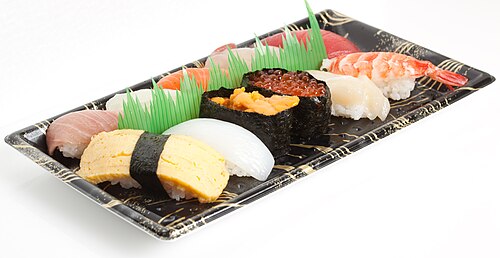
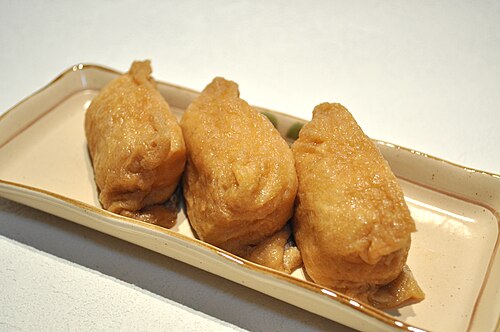
A plate of sushi is useful for noticing the rice. Try one piece slowly and pay attention to how the rice is seasoned and how its texture works with the topping. A counter meal, a restaurant with tables and a takeaway assortment can give you different choices. If your children want cooked items, look at the actual menu. Some shops have egg, cooked seafood or inarizushi, rice inside a seasoned tofu pouch.
A grilled fish set puts the emphasis on the cooked fish and its side dishes. Ask whether fish is served whole or with bones if a child will need help. Where ingredients matter, ask about the seasoning, dipping sauce and stock as well as the topping. A simple-looking order can still contain more ingredients than the name suggests.
Soba, udon and tempura
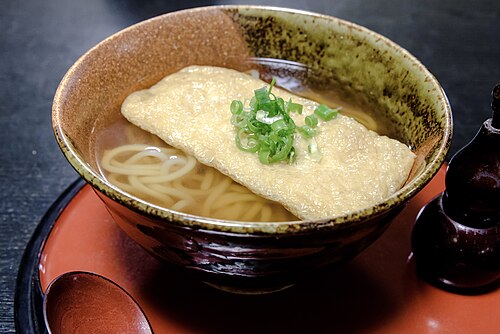
Soba is associated with buckwheat, though flour blends vary. Udon has a thicker shape and a different texture. Both may be served hot or cold. Choose a chilled noodle dish if you want to understand how the dipping sauce is used, or a hot bowl if you want to compare its stock with the soup you tried at a set lunch. JNTO’s guide to Japanese noodles
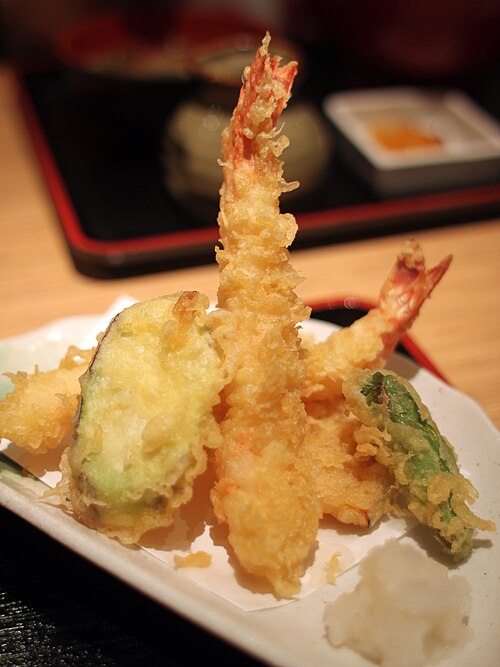
Tempura gives you a way to compare several ingredients cooked in the same style. One plate may include fish, seafood or vegetables. Look at the cut of a vegetable and how much of its texture stays under the batter. If someone avoids fish or shellfish, ask about the dipping sauce and the fryer before ordering. A group with very young children may find a seated set lunch easier than splitting up at a small counter.
Where ramen and curry fit
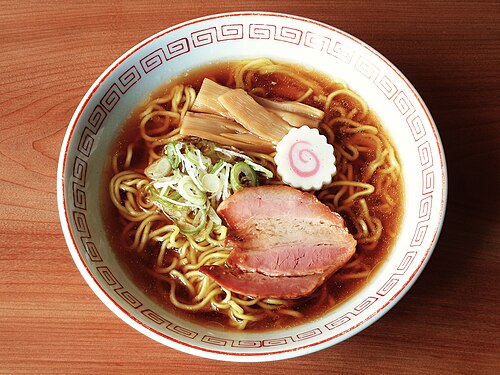
Ramen and Japanese curry are familiar everyday meals, and a family may find them easier to order on a busy day. They sit within the broader world of Japanese eating. For a first look at washoku as a meal structure, choose a tray with separate rice, soup and sides. For a noodle comparison, look at the broth and seasoning together. Two bowls both called ramen may have different stocks and toppings, so use the menu and the kitchen’s answer if a particular ingredient matters.
Where to Try Washoku in Japan
Rather than using every meal to collect a famous dish, choose one comparison that belongs to the place. Read a Tokyo market against a set lunch, see how Kyoto cooks use tofu, or compare two preparations that go with rice. The following stops work as a short visit on their own or as part of a family trip.
Tokyo for markets and food halls
Tsukiji Outer Market is useful for seeing ingredients and retail stalls. Follow one idea through it, perhaps dried goods for dashi or the different ways a seller offers seaweed. If the market is crowded, see one or two stores and choose a place to eat separately. Toyosu is a working wholesale market with designated visitor areas. Use the market’s visitor information for what you can observe. A department-store food hall gives you a separate opportunity to compare packaging and prepared dishes. GO TOKYO’s Tsukiji visitor guide Tokyo day plan
Kyoto for tofu and preserved vegetables
At Nishiki Market, look for pickles, dried ingredients or a vegetable you saw on a menu. Use the market’s instructions for where to eat and keep the aisle clear. For lunch, compare a tofu dish with something made using yuba, the skin formed on heated soy milk. Ask what comes with each preparation. A tofu dish and its stock or sauce may have different ingredients. Nishiki Market’s visitor guidance Kyoto day plan
Osaka for a lesson or a griddle meal
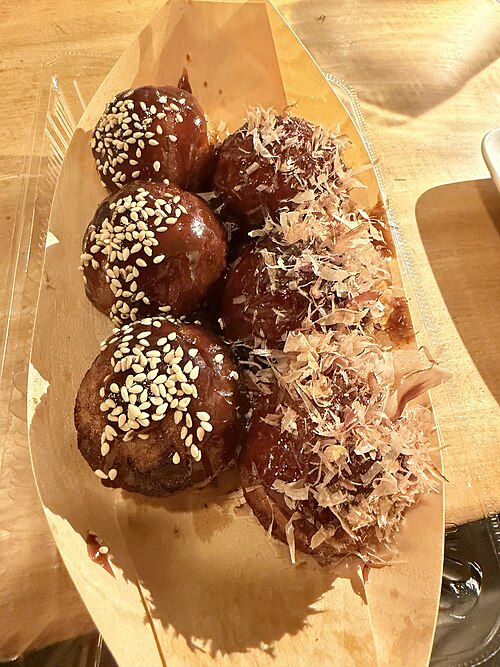
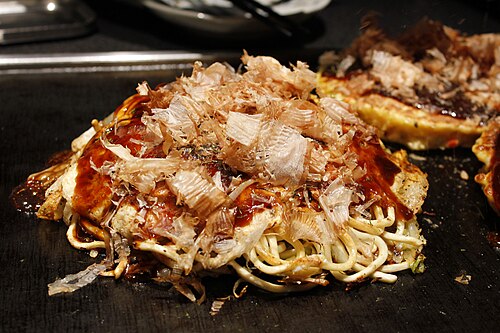
In Osaka, a home-cooking lesson and a meal at a griddle show different kinds of kitchen work. A lesson is useful for tasting plain dashi and seeing how it is seasoned. At a griddle restaurant, watch when the batter, toppings or sauce go on. Ask whether the staff or guests handle the cooking and where children will sit. If family members want to compare Osaka and Hiroshima styles, remember which parts were mixed and which were layered. Osaka day guide Hiroshima’s guide to local okonomiyaki
Three useful comparisons beyond the largest cities
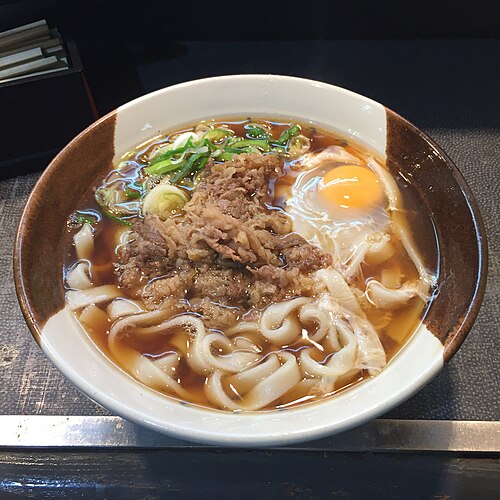
In Kanazawa, follow a Kaga vegetable from the market to a side dish if the season allows. Look for it on a written menu or ask a seller what it is cooked with. In Nagoya, a bowl of flat kishimen and a dish with dark miso can bring out two different aspects of local cooking. Choose one at lunch and notice whether the flavor comes chiefly from the broth, the noodles or the sauce. Kanazawa’s food guide Nagoya’s official local food guide
In Fukuoka, a daytime bowl of Hakata ramen or udon is a simple starting point. An evening yatai is a different experience, with a small number of seats and a menu that varies by stall. Check the food and seating arrangements before queuing. A child who wants more time with a bowl may enjoy the daytime meal more. Fukuoka’s yatai visitor guide Fukuoka day plan
Hida and Miyajima for meals built around rice
In Hida, look for hōba miso, a preparation that cooks miso and accompaniments on a magnolia leaf. Taste a little with rice and see how the concentrated seasoning carries through a mild bite. Ask the restaurant how it serves the dish, especially when a hot vessel is brought to the table. If you are visiting the markets in Takayama, you can start by looking for local ingredients and then sit down for the dish. Hida Takayama’s local food guide Takayama day plan
In Miyajima, anagomeshi is rice with conger eel. The eel is part of the bowl, so the sauce and preparation influence the whole meal. Hiroshima’s oysters offer a separate local specialty. For a family making one lunch choice, ask about bones or shellfish preparation where it matters, then choose what fits the group. Compare anagomeshi with a set meal where the rice and fish are served separately. Miyajima’s guide to anagomeshi Miyajima day plan
Vegetarian, Vegan and Allergy Questions
Ask about the ingredients that are hard to see. A vegetable dish may have fish dashi. A noodle sauce or simmering liquor may contain it too. For a vegetarian or vegan diner, ask what went into the stock and seasoning, whether there are fish flakes on top and whether other animal ingredients matter for the preparation. A Buddhist vegetarian meal can be worth exploring if the venue confirms how it prepares the dishes. JNTO’s vegetarian and vegan guide
For a food allergy, communicate the ingredient and explain if cross-contact matters. Send the details before a fixed-course meal or class, where the cook might prepare ingredients in advance. Ask what staff can verify about shared cutting boards, fryers, grills and prepared sauces. Carry an ingredient explanation in Japanese and allow time to read the answer. Choose another option if the venue cannot confirm what you need. Follow your clinician’s advice for personal medical needs.
Japan’s Consumer Affairs Agency explains labeling for covered packaged foods. Restaurant dishes require a conversation with the venue. Use the actual current label if you are considering a packaged product, and ask staff about the recipe if you are ordering a prepared dish. Consumer Affairs Agency’s food-labeling information
A question a workshop can answer
Give the cook the exact constraint and ask which part it affects. For example, a participant may want to observe making bonito stock but eat only a meal the teacher confirms uses vegetable stock. If there is an allergy, explain whether observing in a shared kitchen fits your own plan. Decide before booking which guests will cook, taste or watch. It lets the cook answer one question at a time and gives the family a clear choice.
Wagashi, Tea and the End of a Meal
Wagashi are Japanese sweets that may show the season through color, shape or a motif. A small sweet next to a bowl of tea gives children another way to see how appearance shapes expectation. Ask which part of the design has to do with the season. A shop can tell you whether it sells sweets to take away or serves them with tea.
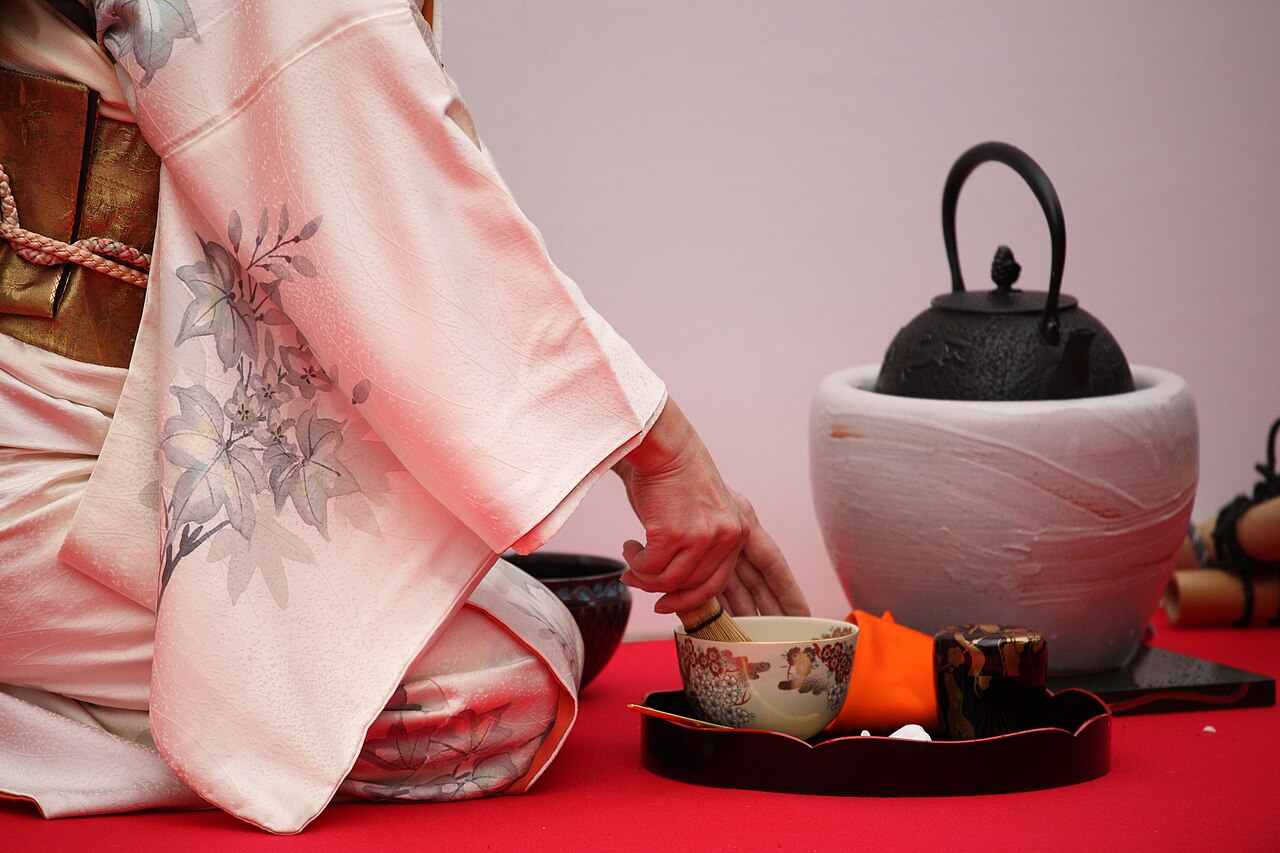
At a meal, you may hear itadakimasu before eating and gochisōsama afterwards. The phrases express appreciation in different parts of the meal. Listen to the people you are eating with and follow the host’s lead. For an arranged tea session, ask about the sweet, the serving format and how long guests will sit. Kikkoman’s account of meal customs Japanese tea ceremony guide
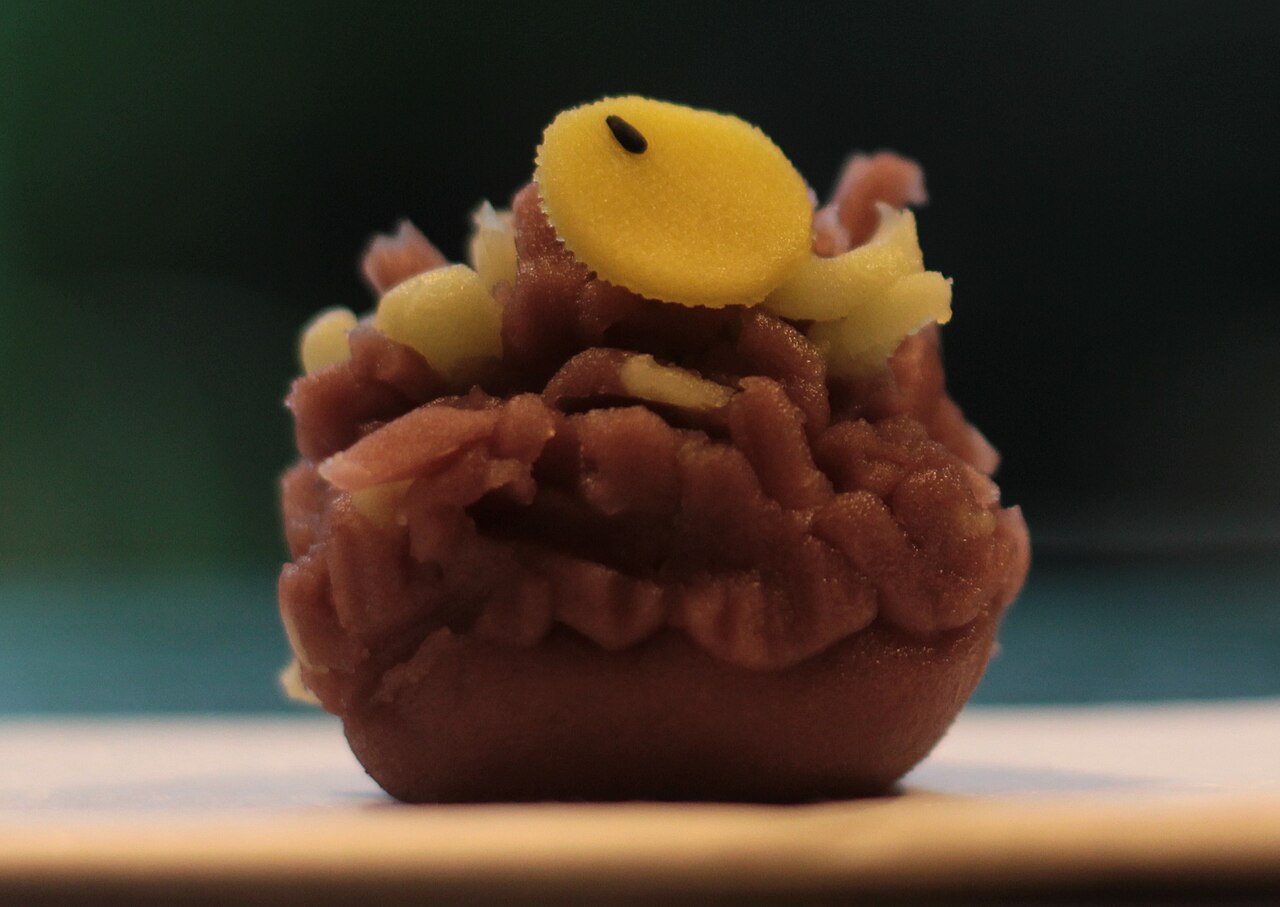
For a child who chooses by sight, let them describe the shape of the sweet first. A tea teacher or confectioner may give a name that explains why it looks the way it does. Later, if the child spots another design in a shop, they can ask what occasion it belongs to. The tea ceremony chapter on sweets and seasonal clues explains what a sweet contributes when it’s served before tea.
One Food Outing for the Whole Family
Keep one question for a short outing. At a market, find out what the dried goods become once a cook adds water. At lunch, see whether you can taste the difference between the stock and the seasoning. In a workshop, ask why one preparation appears as a small side. If you are traveling across ages, a short observation followed by a seated meal gives everyone time to take part.
A private cooking or food visit is most useful when it solves a particular problem, such as translating a dietary request, finding a place all generations can sit or connecting a market ingredient with a dish. Tell the planner the question you want to answer and which part of the visit children would like to join. The private Japan trip planner can help put the workshop or meal in the right part of the trip.
In Tokyo, a short Tsukiji walk followed by a set lunch gives you a simple way to compare ingredients and cooked dishes. Decide which person will look for a dried ingredient and who will ask about the soup. In Osaka, give the workshop its own block of time and choose a separate griddle meal if people still want to see another cooking style. For a family who only has time for one of them, choose the workshop to see the stock and preparation, or the griddle meal to watch the dish assembled at service.
Further reading
Kikkoman explains the meal format, seasonality and holiday foods. The tourism board’s Osaka profile shows how a workshop can teach the decisions behind a home meal. Kikkoman’s guide to washoku JNTO’s Washoku Home Cooking profile