- Recognize torii, temple gates, worship halls and sacred objects.
- Learn what to do at a shrine and a temple.
- Compare family visits in Tokyo, Nara, Kyoto and Miyajima.
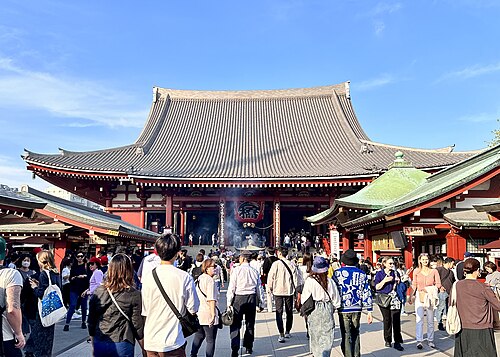
At Sensō-ji in Tokyo, people pause before a Buddhist altar. A few steps away, Asakusa Shrine has its own gate, precinct and rites. Seeing the two together is a useful first lesson in reading sacred places in Japan. Look for the name on the sign, then notice where the people who came to worship are going.
Telling a shrine from a temple
A Shinto shrine is a place of worship connected with kami, the presences or deities honored there. A torii often marks the transition into its grounds. A Buddhist temple may have a large timber gate, guardian figures, a main image and spaces for religious practice. The gate, worship hall and labels usually tell you more than the color of the buildings. Both traditions have long histories in Japan and can occupy adjacent sites. Japan National Tourism Organization’s guide to shrine and temple traditions
Take a minute before walking to the main hall. Find the name, the approach and the place where visitors wait. Younger children can look for a shape they recognize in the gate. Older children may notice a rope, a bell, a pair of figures or a stone lantern. Ask what the object does. A torii marks a boundary, while guardians at a temple gate belong to the entrance itself. A carved shape or a roof alone cannot tell you whom the site honors.
What visitors do at a Shinto shrine
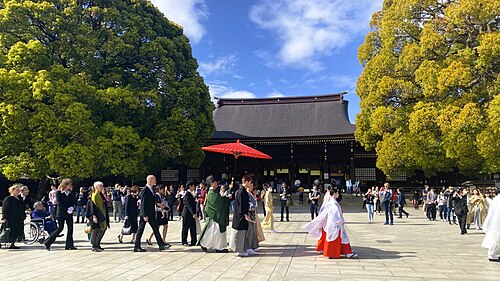
Some shrines provide a basin for temizu, a short purification rite. Others may have different arrangements or close the basin. At a worship hall, you may see a visitor make an offering, bow and clap. Two bows, two claps and a final bow are familiar at many shrines. Read the directions at that location and give people time to finish. A family can watch before deciding whether to participate.
At Meiji Jingū, the forest paths help you understand the difference between entering the grounds and arriving at the sanctuary. The shrine asks visitors to keep to the paths and prohibits photographs at the main sanctuary, where people pray. If children want a photograph, choose a permitted area and take it before the group joins the approach to the hall. Meiji Jingū’s visitor etiquette and worship instructions
What visitors do at a Buddhist temple
At a temple, follow the signs for entry to the hall. There may be incense, a donation box or a marked space for quiet prayer. You will often see people put their hands together. Follow the temple’s example and look for shoe and photography instructions before crossing a doorway. A barrier or sign around a statue may protect worship space even when people can see the image clearly from the public side.
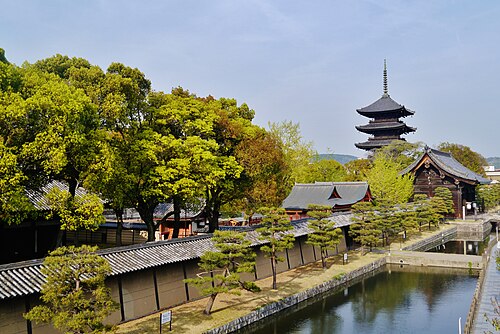
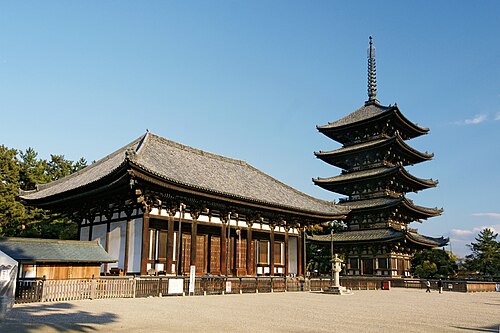
You can give a child one thing to look for indoors. Ask where the main image sits and how the building directs attention towards it. At a large complex, a pagoda and a worship hall have different purposes and may have different entry rules. At Tō-ji, looking at the pagoda gives you one way into the site. The temple’s descriptions explain how the other buildings and images fit into the layout. Tō-ji’s English visitor information
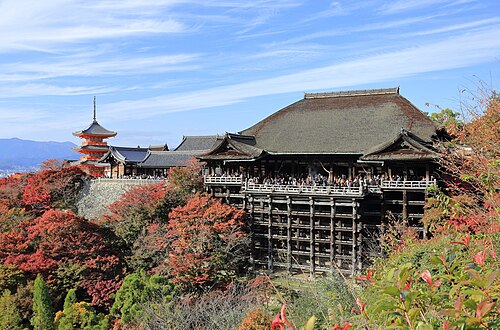
Tokyo and Nara. Two ways to compare
In Asakusa, begin at Sensō-ji and take time to read the temple’s signs. Then walk to Asakusa Shrine and identify how its approach and worship area differ. If you are visiting for Sanja Matsuri, the streets may be organized for festival participants and spectators. The Sanja Matsuri chapter explains where the portable shrines come into the picture. On an ordinary day, use the one-day Tokyo guide to leave time to look at both places. Sensō-ji’s website Asakusa Shrine’s introduction
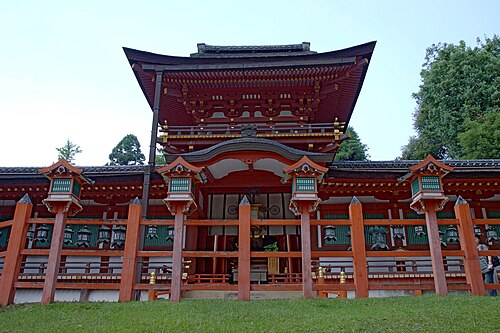
In Nara, choose either Tōdai-ji’s Great Buddha Hall or Kasuga Taisha’s lantern-lined grounds as the main visit. The first puts the scale of a Buddhist image and hall in front of you. The second gives children time to follow the stone lanterns along the approach and see how the shrine sits in the forest. If the family wants both, use a public path and plan according to its actual walking distance. The Nara family day guide helps place these sites within the park. Tōdai-ji’s Great Buddha Hall Kasuga Taisha’s visitor guide
Miyajima and Hakone. Reading a torii in its landscape
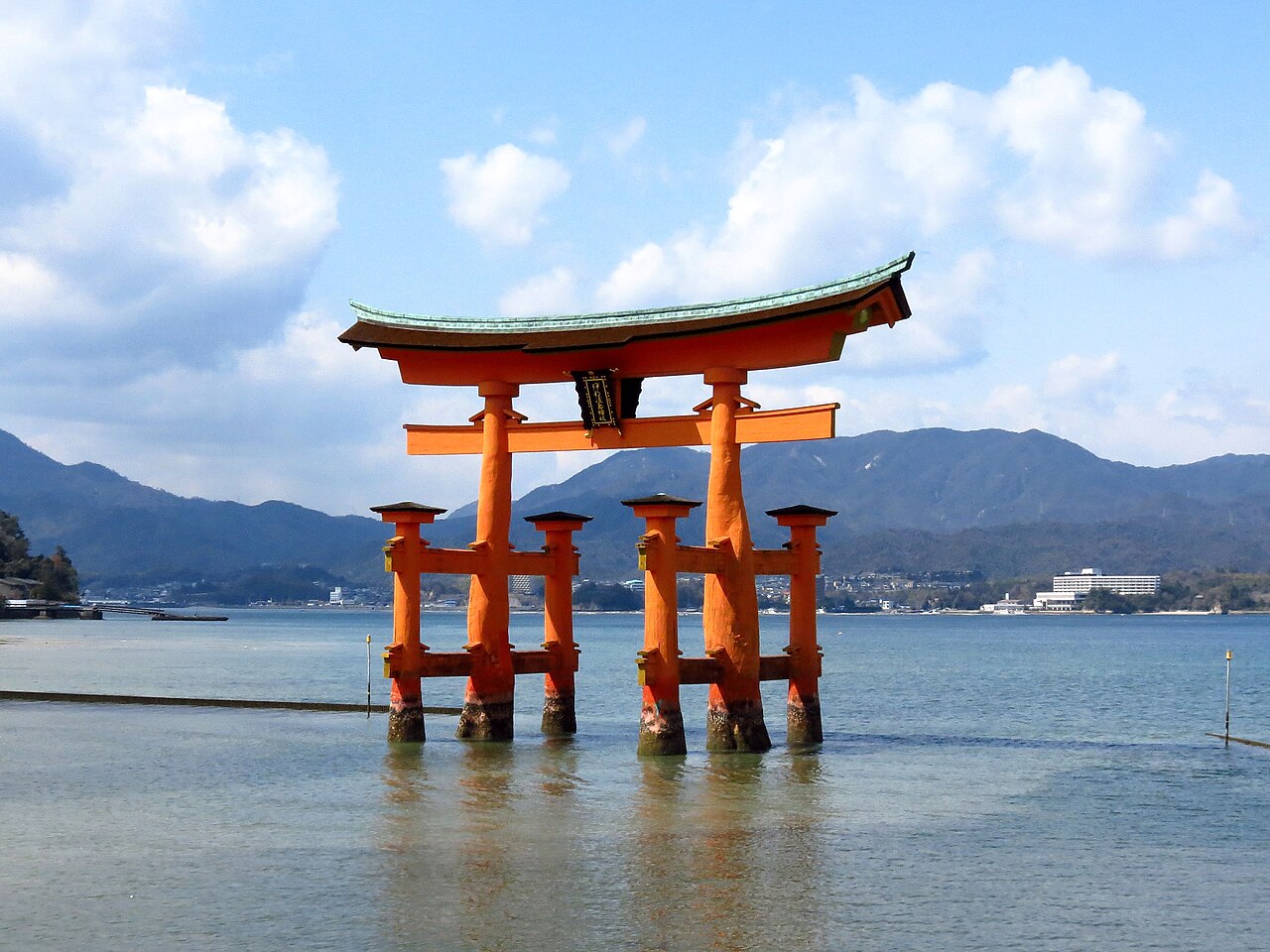
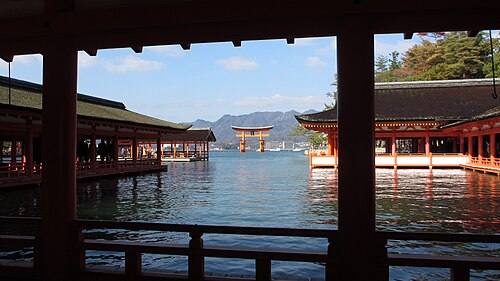
At Itsukushima Shrine, the torii and shrine buildings are closely connected with the shoreline. High and low water change which parts seem to float and where visitors can stand. Use the tide for the view you want and follow signs about public access. The Miyajima day guide puts the shrine and ferry in the same plan. Itsukushima Shrine’s official website
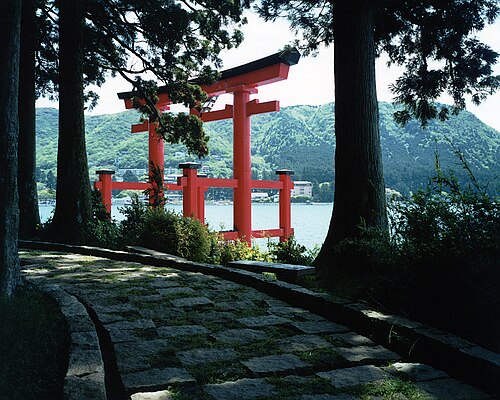
Hakone Shrine offers another lakeside example. A photograph of the waterside gate can make the visit look like a single stop, but the gate is one part of the precinct. Ask whether your group wants the shore view, the approach through the trees or time at the worship area. If the photograph has a long queue, the rest of the site can still make a worthwhile visit. Hakone family day plan
Shrine and temple finds children can remember
A goshuin is a seal and inscription offered at many shrines and temples. Find out where the office is and what that site requires. Show a child the name and date afterwards so they can tell which visit it belongs to. Some sites also offer omikuji, written fortunes, or have places to hang ema, small votive plaques. Follow the local instructions about what may be taken away or left on site.
For a three-generation visit, choose a place to wait while anyone who wants to pray takes their time. A crowded gate or a stepped entry can determine which part everyone can see together. If you are arranging a private family visit, ask for one shrine and one temple with an explanation of their ritual objects, and give the guide the walking or seating needs that matter. The guide to shrine, temple and market etiquette covers the practical rules to check before going.