- Read a garden through its paths, plants, stones and views.
- Compare Kenrokuen, Ryōan-ji, Hama-rikyū and smaller gardens.
- Choose a walk or viewpoint that suits your group.
A Japanese garden often tells you how it wants to be seen. At Kenrokuen, the view changes as you walk around the pond. At a dry garden, the stones may be composed for the seat or veranda where you stop. Give children a choice early on: walk until the scene changes, or sit and find out what changes while you stay still.
Read the garden from one place first
Find a public place to pause. Look for the nearest detail, perhaps a stone, root or edge of water. Then see what sits in the middle distance and what is beyond the boundary. A path may bring a tree into line with a bridge or cause part of a pond to disappear. When someone says the view has changed, ask where they were standing. It is a simple way to see design without memorizing a list of symbols.
Three useful types to look for are a stroll garden, a dry landscape garden and a tea garden. In a stroll garden, the route gives you a series of scenes. A dry landscape uses materials such as stone and gravel to make a composition you often view from a fixed edge. A roji, the approach to a tea room, can slow the walk through changes in footing, views and thresholds. The terms are useful starting points, and one site can contain more than one type.
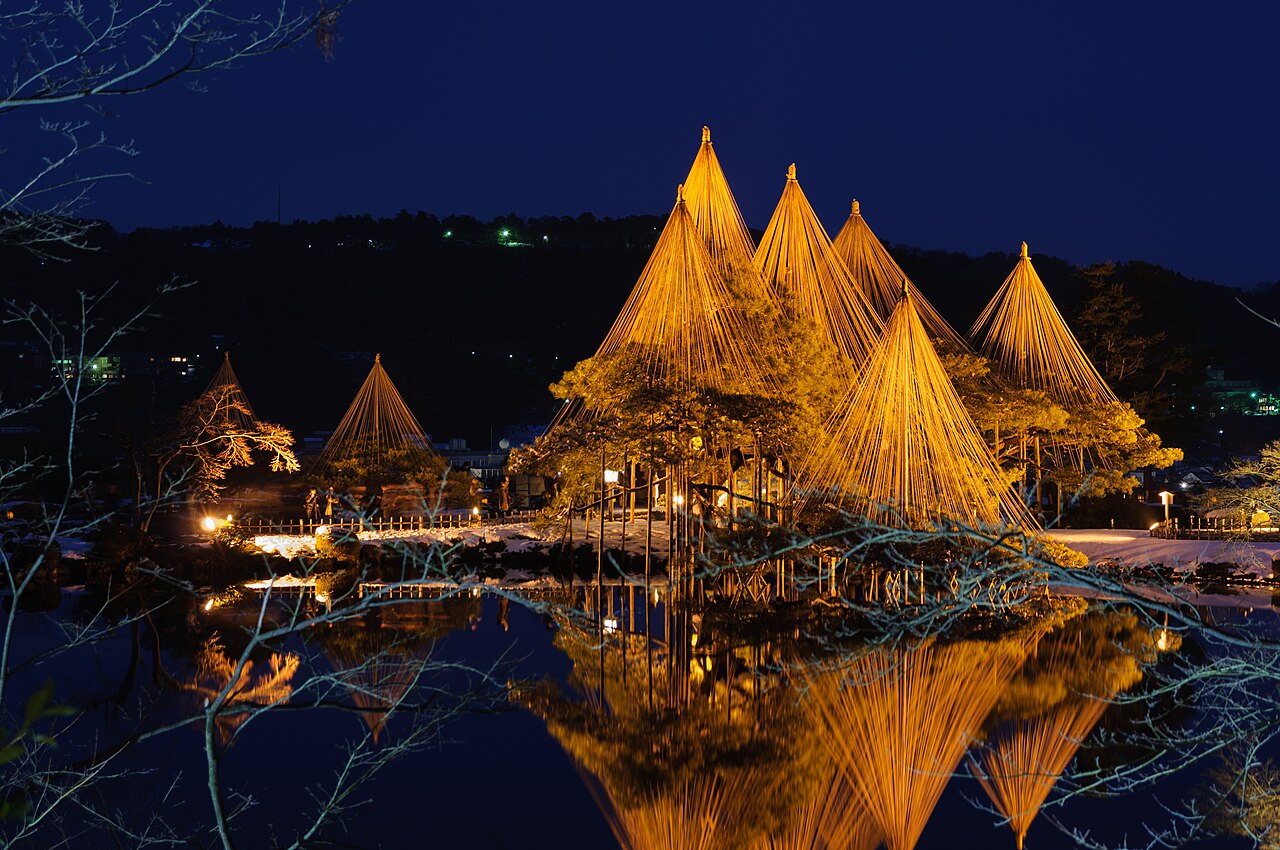
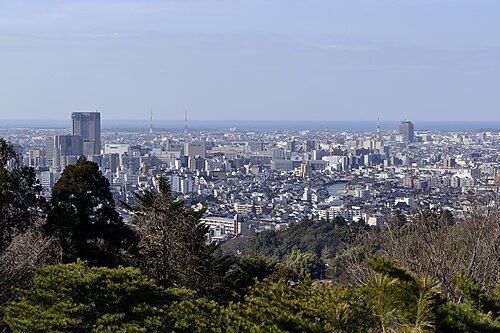
Kenrokuen in Kanazawa. A garden for walking
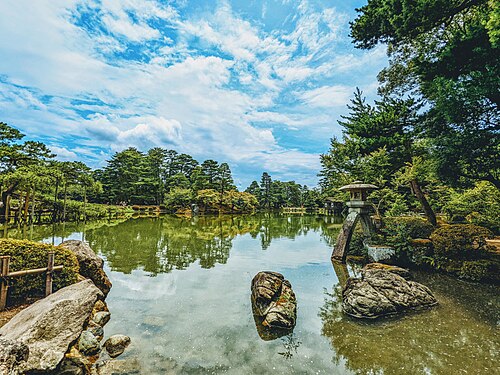
Start at Kasumigaike Pond. Compare the scene with water in front of you and the view from a little farther around the bank. A lantern looks different when it stands against open water instead of trees. Children can pick one landmark and see how often it drops out of view. This works well for a group with different walking ranges because the rest of the loop can be optional.
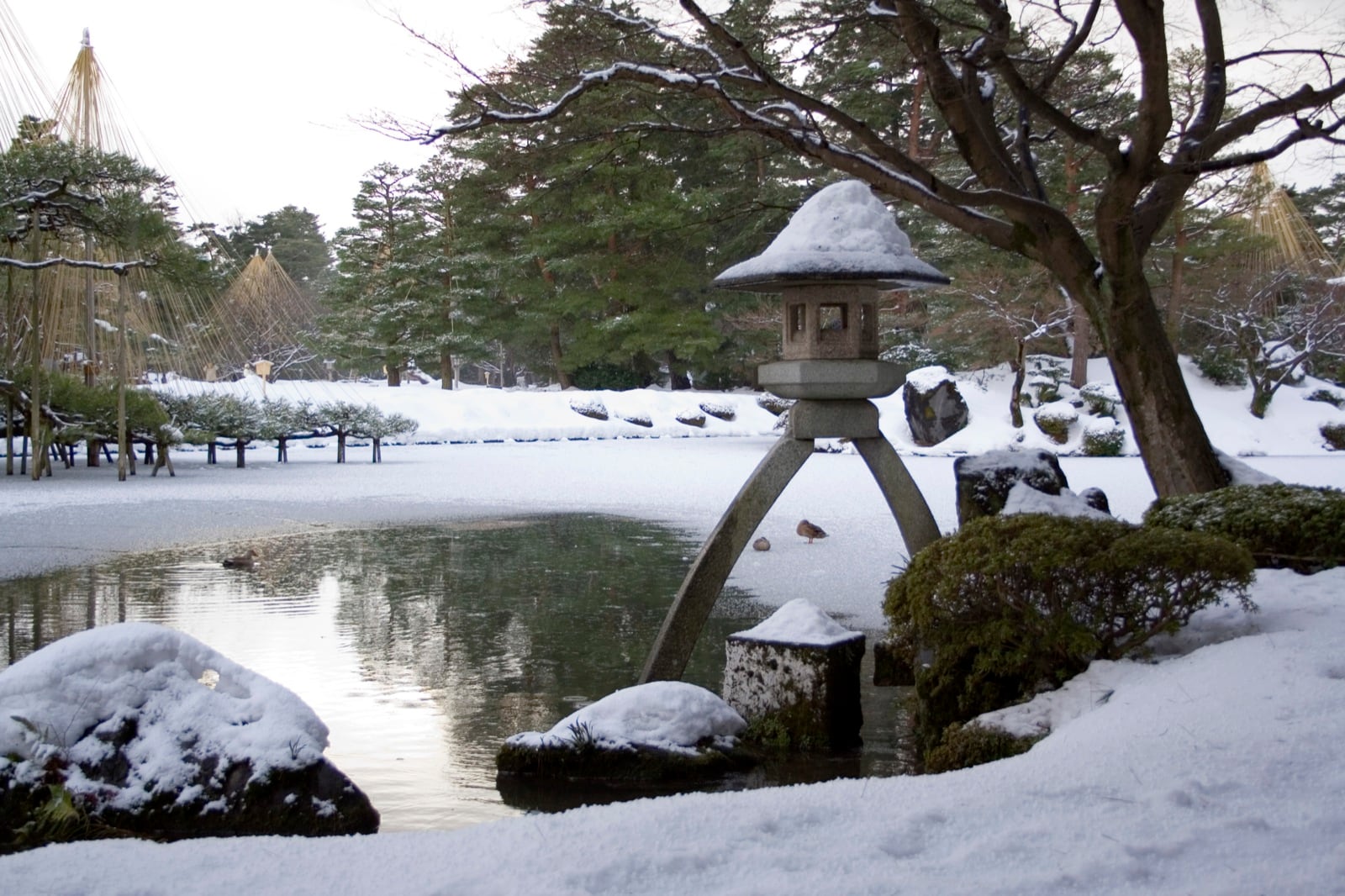
In winter, look for yukitsuri, ropes arranged to support branches under the weight of snow. At other times you may recognize the same trees by the shape of their trunks. The practical work of maintaining the garden is part of the view. Read the garden’s own seasonal information if the ropes, plum blossoms or an evening opening are the reason for your date. Visit Kanazawa’s Kenrokuen garden guide
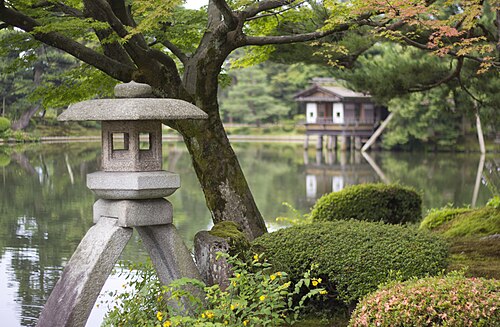
Shiguretei, the garden’s tea house, can add a seated part to the outing if its serving arrangements fit your day. To understand the difference between a garden serving and a full tea gathering, see the Kanazawa chapter of the Japanese tea ceremony guide. The one-day Kanazawa plan places the garden alongside other places you can reach without trying to see the whole city.
Dry gardens in Kyoto. Take time to sit
Ryōan-ji’s rock garden brings fifteen stones, gravel, a wall and a viewing edge into one composition. A child who wants to count the stones may find the view different from another place along the public edge. There are several readings of the arrangement. Begin with what your own eyes can confirm, such as how the stones gather in groups and where the empty space is. JNTO’s Ryōan-ji rock garden guide
This kind of garden can be a short, concentrated visit. Plan to stop and look before moving on to the next hall or outdoor area. If a grandparent needs a chair or someone cannot use a step, ask the site whether the view is reachable from the public approach and what seating it offers. A standing crowd at the edge of a viewing area changes what a small child can see. Consider letting that child pick a detail once the group has found a place to pause. Kyoto day plans by district
A garden approach and the view from inside
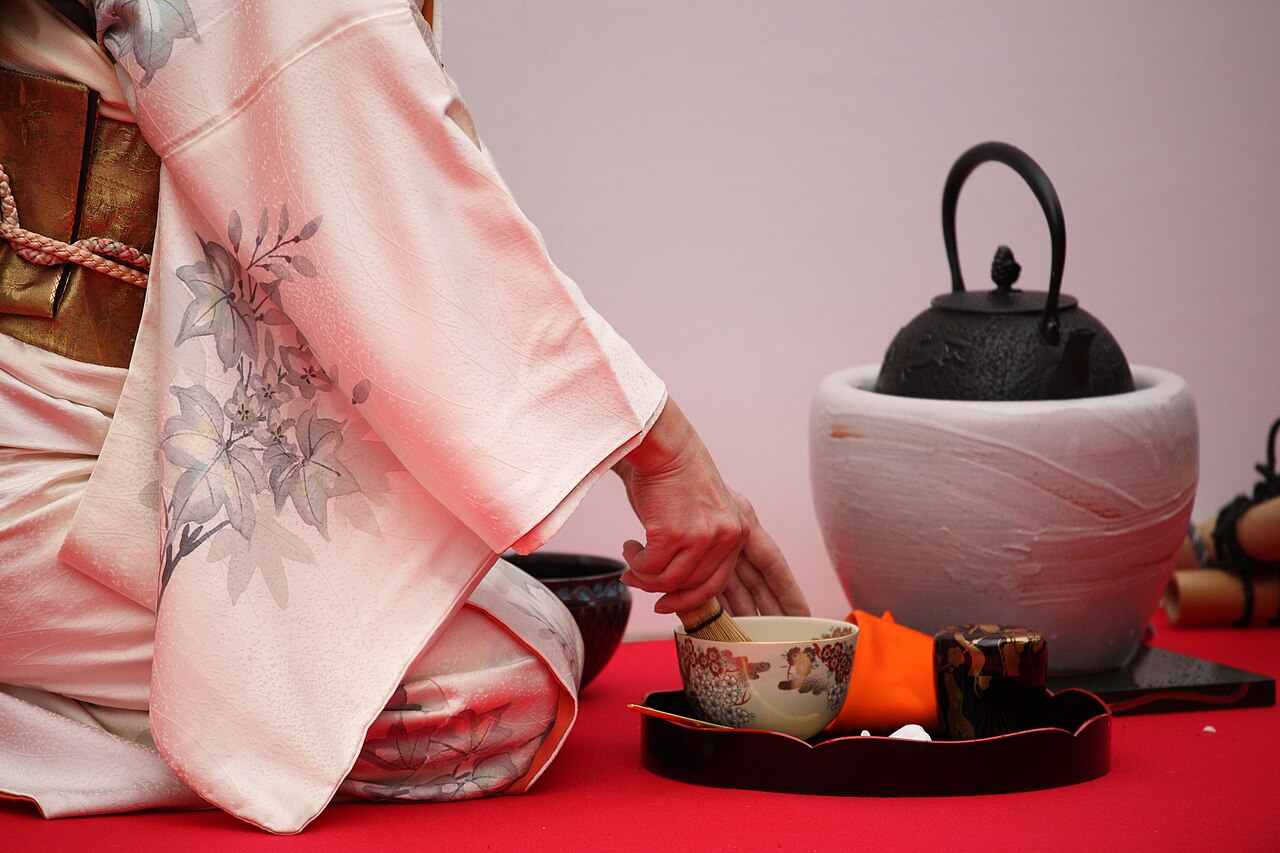
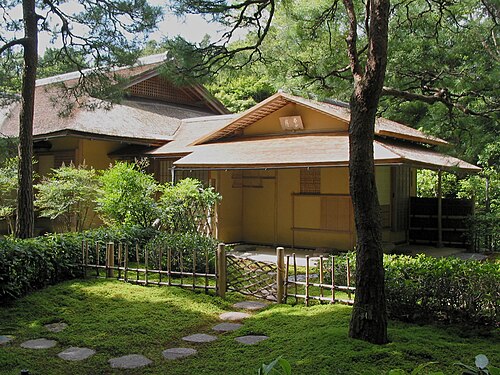
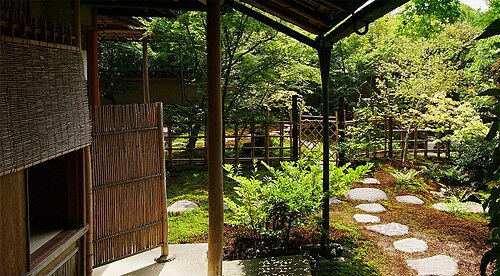
In a tea garden, notice the distance between the first path and the door. Stepping stones can influence where one looks and how one walks. A water basin may have a role in preparing to enter. You can appreciate many of these features from a public route, even on a visit that does not include a tea gathering.
At the Adachi Museum of Art in Shimane, the gardens are viewed from the building. The museum asks visitors to stay inside the viewing spaces. In this context, a window can frame a composition, much as the edge of a picture does. Choose two windows and see what changes between them. The real garden lies outside both. Adachi Museum of Art’s garden guide Visitor rules for viewing from indoors
Hama-rikyū in Tokyo. Watch the water
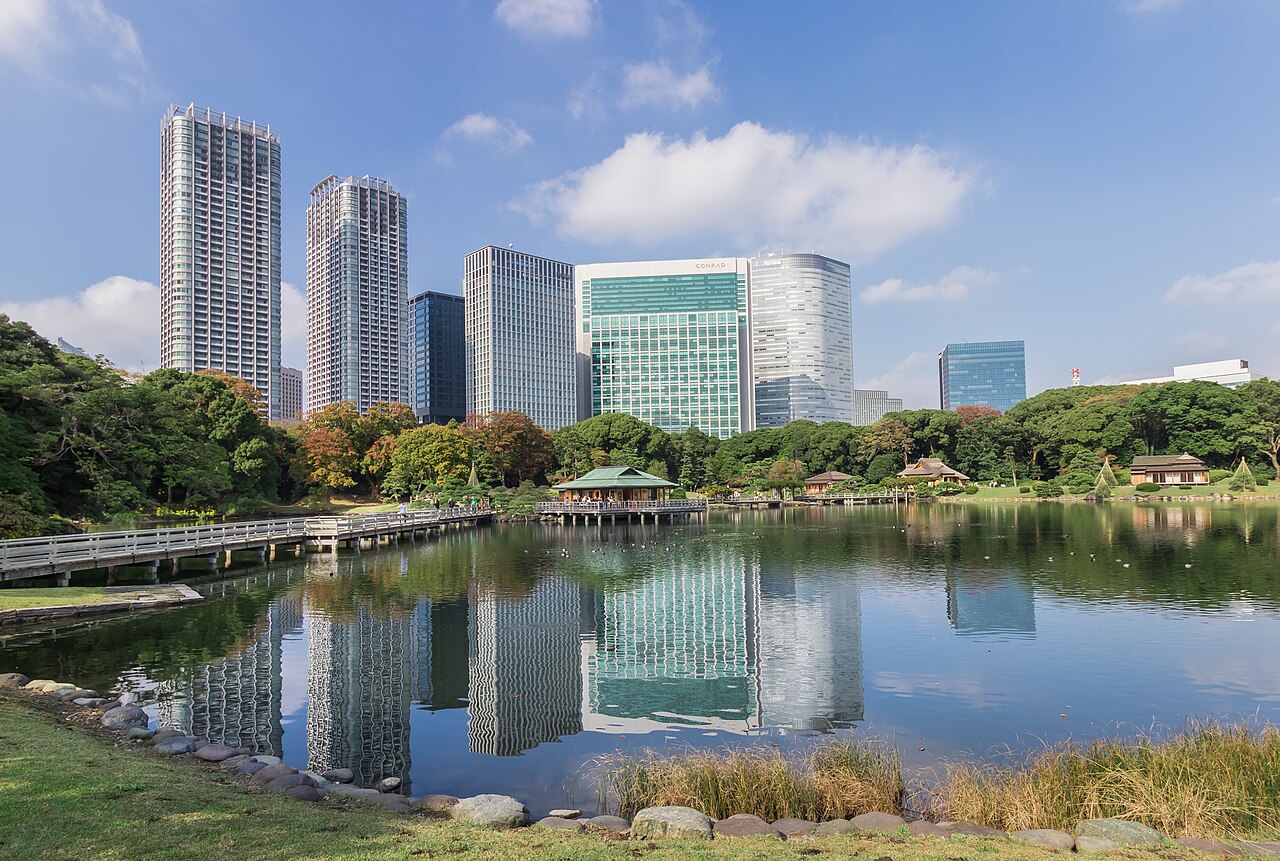
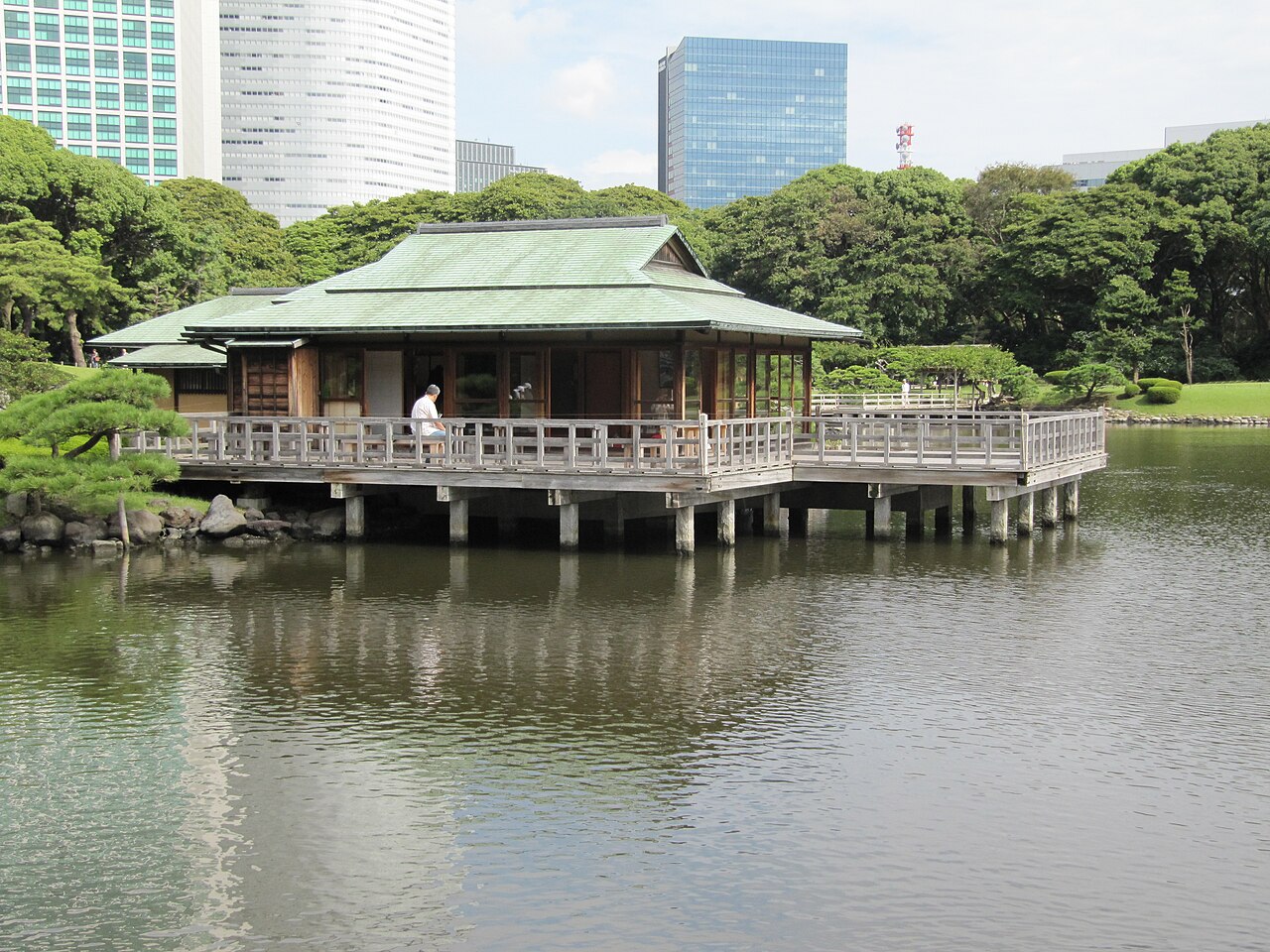
Hama-rikyū’s pond takes water from Tokyo Bay, and its level is managed through a sluice gate. A bridge leads to the tea house on an island. Look back from a path or from the other end of a bridge to see how the island changes position in the composition. The surrounding skyline is a visible part of a modern visit. Tokyo Metropolitan Park Association’s Hama-rikyū viewpoints
If younger children want to keep moving while someone else would like tea, agree on a place outside the serving area to meet. Check whether the tea house and the section of path you want are open on your date. The Tokyo day guide helps decide whether this garden fits the area you already plan to visit.
Two smaller outings in Hiroshima and Nara
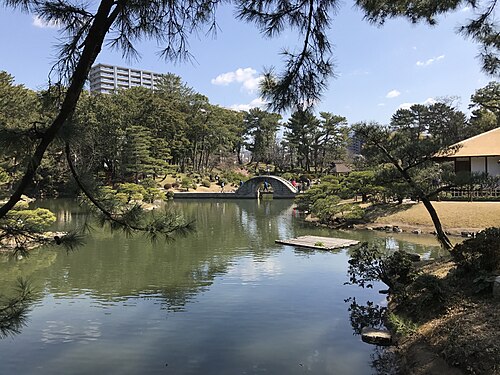
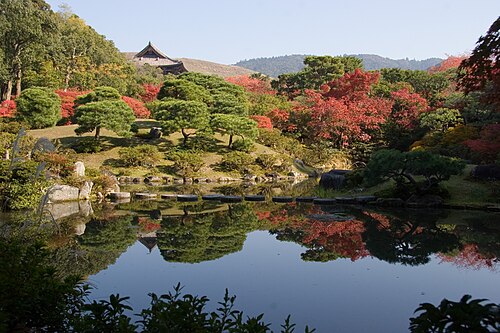
At Shukkeien in Hiroshima, the pond, small bridges and changing shoreline supply a compact example. Pick one side of the pond if the entire circuit would be tiring. In Nara, Isuien gives you a chance to notice a landscape beyond the garden walls. Look towards the gate at Tōdai-ji and the hills behind it. Designers sometimes use an outside feature as part of a garden view. The term is shakkei, borrowed scenery. Shukkeien’s official visitor site Isuien’s visitor information
For a family with one garden visit, pick the kind of attention you want to share. Choose a pond path for changes in viewpoint, a dry garden for details you see from one place or a tea garden for the experience of approaching a room. If you’re booking a private day, give the guide one objective and the walking range that works for everyone. It helps to know which path, seat or view makes the visit worthwhile before adding a second garden.