- See what actors, masks and puppeteers contribute.
- Find official information on single acts and subtitles.
- Choose the right duration, format and seats for your family.
At a kabuki performance, a child may notice an actor’s sudden stillness. At noh, the distance across a wooden bridge can feel like part of the story. At bunraku, look at the hands of the puppeteers as well as the face of the puppet. One performance is enough for a first visit if you know what you are there to see.
Choose the kind of performance you want
Kabuki is theater performed by actors, often with striking makeup, costumes and music. Noh uses chant, instrumental music, precise movement and, for some roles, masks. Kyōgen uses spoken dialogue and comic situations and is often presented alongside noh. Bunraku brings puppets, a narrator and shamisen music together. Each style asks for a different kind of attention. A child interested in how a puppet moves may prefer bunraku even if kabuki is the name they recognize.
Pick one play, act or introductory program and find out how long it lasts. A full program may have breaks, but a break may not come when a particular child needs it. Look for translated captions or a synopsis for the selected performance. Sound, translation and sightlines matter as much as the title of the show.
Kabuki in Tokyo. A single act can be enough
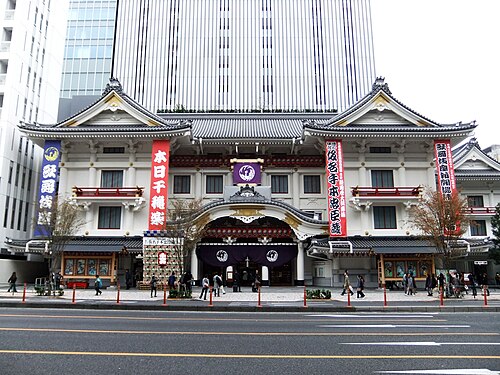
At Kabukiza in Ginza, the theater lists single-act tickets for available acts. These let you book part of a program. Check the running time and which entrance the ticket uses. Shochiku explains the single-act arrangements and its captioning services, which can vary with the theater and performance. If captions matter, check that they apply to your actual act and type of seat. Shochiku’s single-act ticket guide Kabuki Web’s theater services
Give children one person or action to follow. Watch how a costume changes the outline of the actor. Listen for the moment music calls attention to an entrance. If a role moves down the hanamichi, a raised passage through the audience, a seat’s position will change the view. A plot summary with the names of the main characters can be more useful than trying to translate every line in the moment.
A theater museum or print collection can give children a closer look at how an actor’s expression became part of a role. Sharaku’s 1794 print of Ōtani Oniji III as Edobei puts a tense face and spread fingers at the center of the scene. Look at the hands and ask what kind of action the picture suggests. The Metropolitan Museum’s catalogue entry for Sharaku’s kabuki portrait
Noh and kyōgen. A stage with room for silence
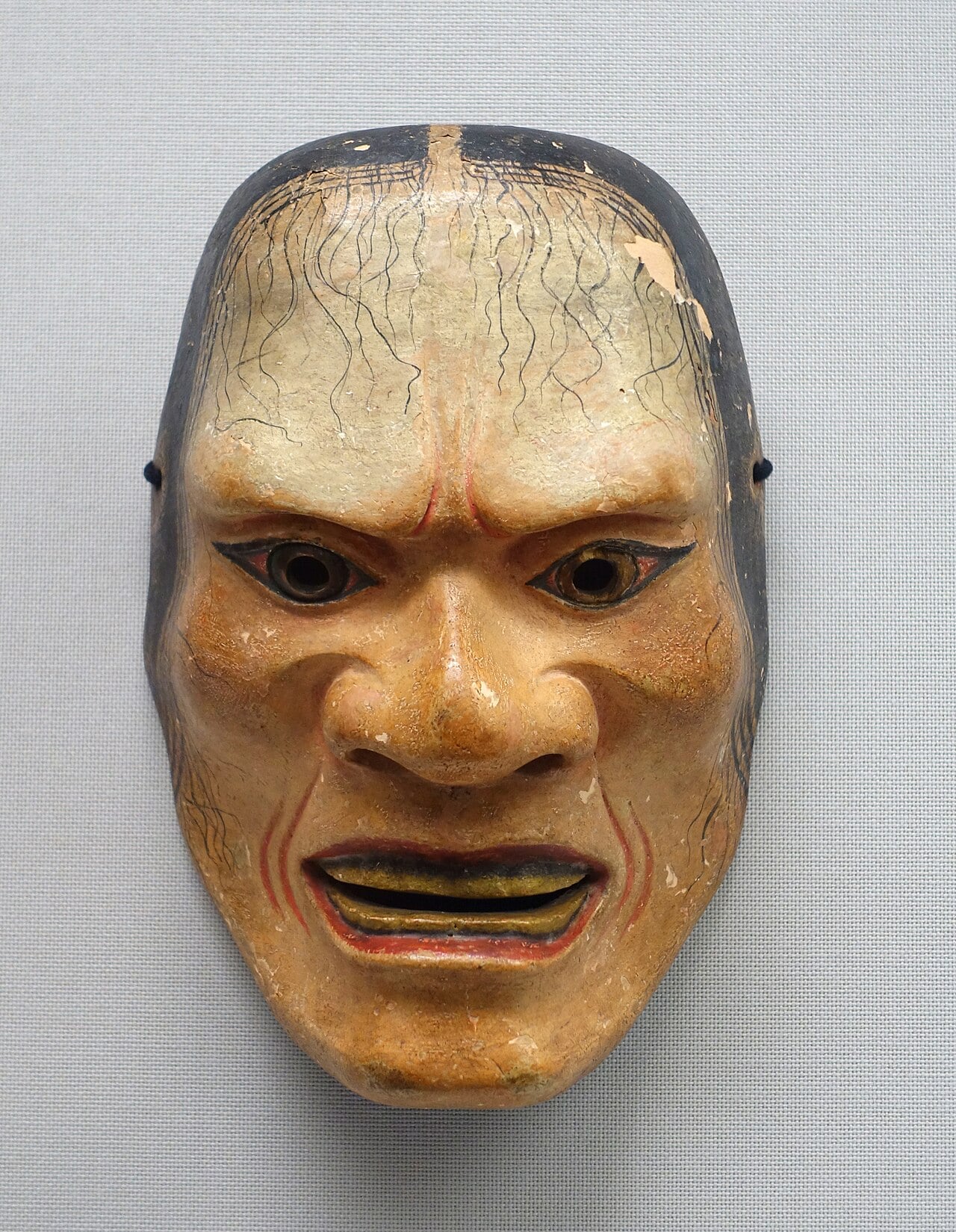
Look for the painted pine, the pillars and the hashigakari, the bridge used by performers to enter the stage. Follow the first entrance and see how far the performer travels before turning or speaking. A mask can look different as the actor changes the angle of the head. Kyōgen gives an audience a different pace and uses spoken exchanges. A combined program can help older children hear and see what changes between the two forms. Japan Arts Council’s introduction to noh and kyōgen
The National Noh Theatre in Tokyo explains its seating and subtitle options in its own performance information. Japan Arts Council says English captions are provided for productions by that theater. Check the listing for the event you plan to attend, especially if another company is presenting. An angled seat can put the bridge in view while changing the way you see the center of the stage. Ask whether a pillar sits in the sightline you care about. National Noh Theatre visitor information
Bunraku in Osaka. Watch how one puppet moves
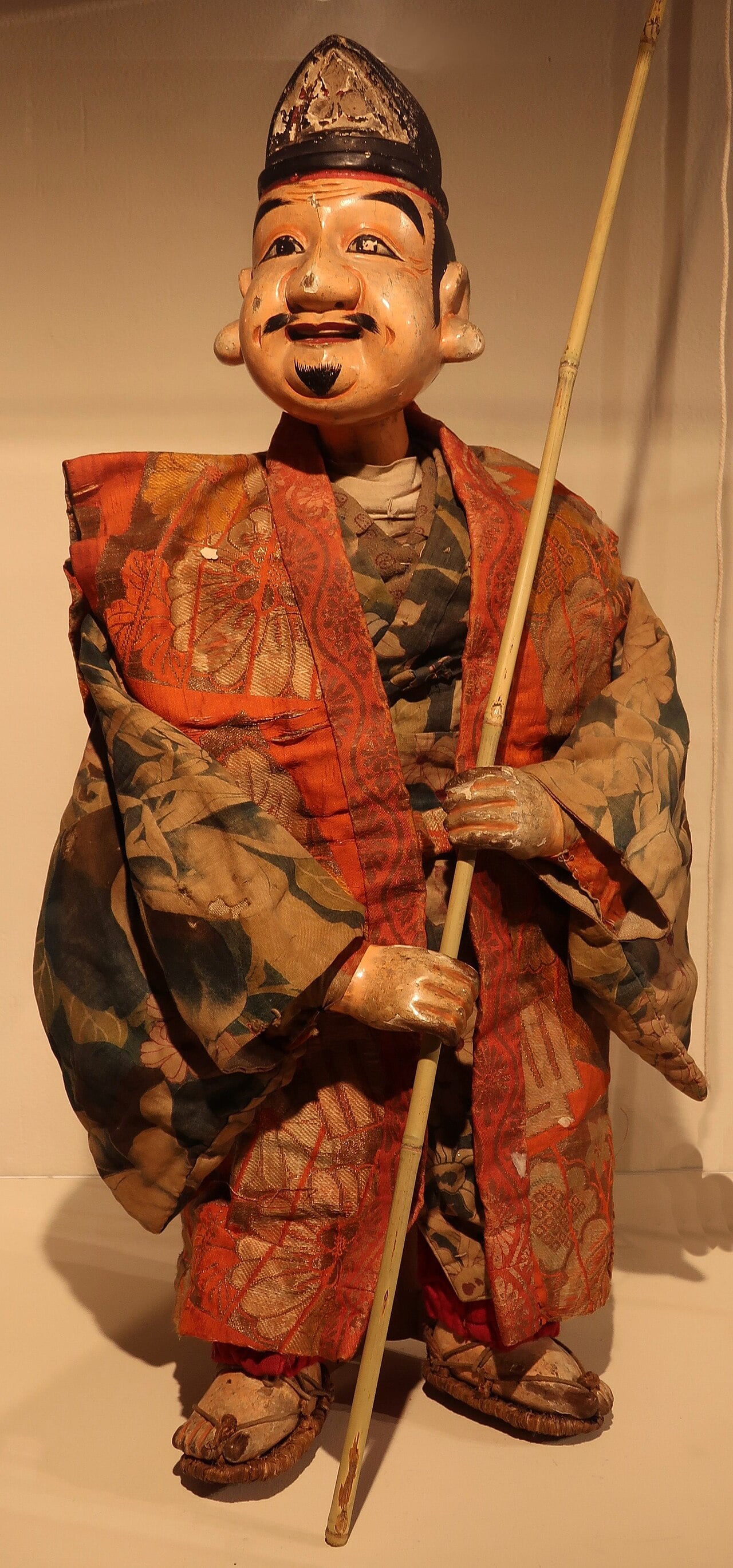
In bunraku, a principal puppet may be operated by three people. The lead puppeteer controls the head and right hand, while the other puppeteers handle the left hand and legs. Notice how a figure prepares to sit or turns to listen. Even a small action requires the performers to keep time with one another. The narrator, called the tayū, gives voice to characters and tells the story, accompanied by the shamisen. UNESCO’s Bunraku heritage entry Japan Arts Council’s National Bunraku Theatre information
The theater in Osaka publishes the program and booking information. Use the synopsis to choose a section in which the characters’ actions are easy for a child to follow. Visitors interested in how the puppet is made can look for an introductory event or a display when a performance is too long for them. The one-day Osaka guide can help place the theater near other stops without turning the performance into a rush.
Before choosing seats for a family
Ask about the actual act length, age policy, caption rental and whether people can be readmitted after leaving. Check whether the seat faces a walkway, bridge or part of the stage the child particularly wants to see. A cheap seat with an obstructed view can work for someone who only wants to hear the music. It might frustrate the child who came to see the puppet’s hands.
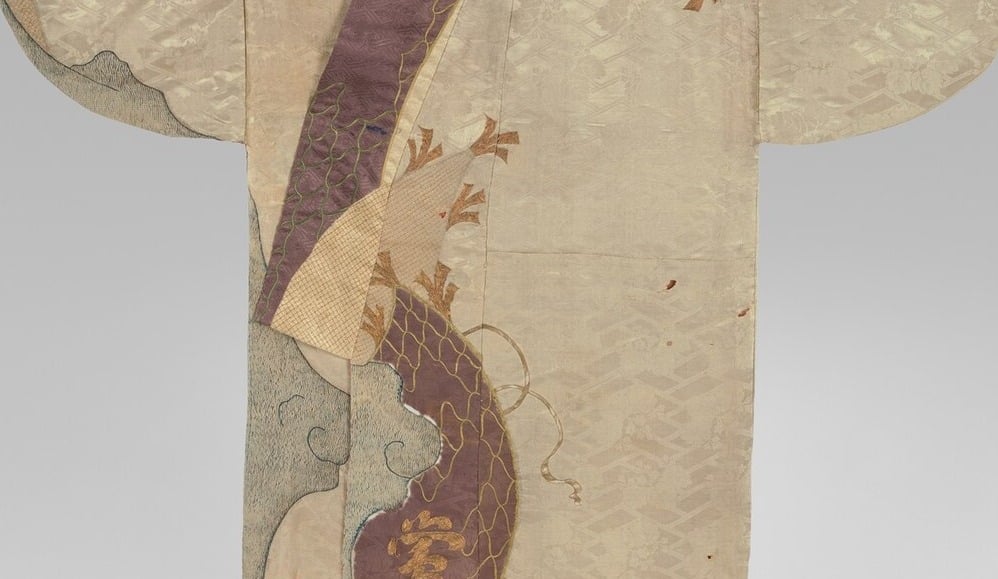
For a first family performance, decide who wants to stay for the whole act and how you will handle a short exit. Theaters may restrict late seating, photography and recording. Check their instructions and make any photographs outside the performance space. If everyone wants a shorter encounter, a costume exhibit or the theater exterior is still a useful way to talk about the form.
The Tokyo day guide helps fit a Ginza show into a city day. If a family is interested in how theater, music and ceremony developed elsewhere in Japan, compare Ryukyuan performance in Okinawa or choose one show as the main event in a private family itinerary.