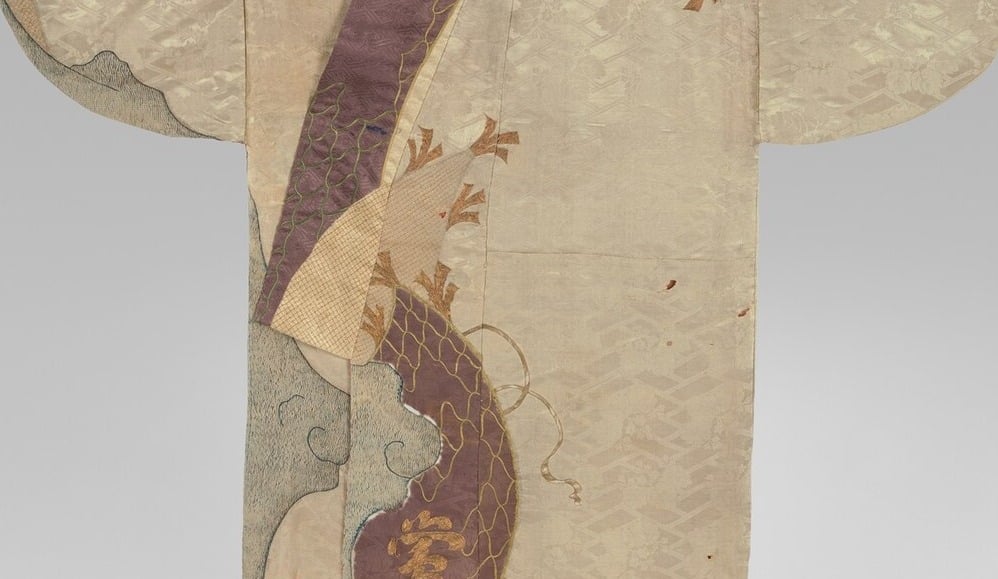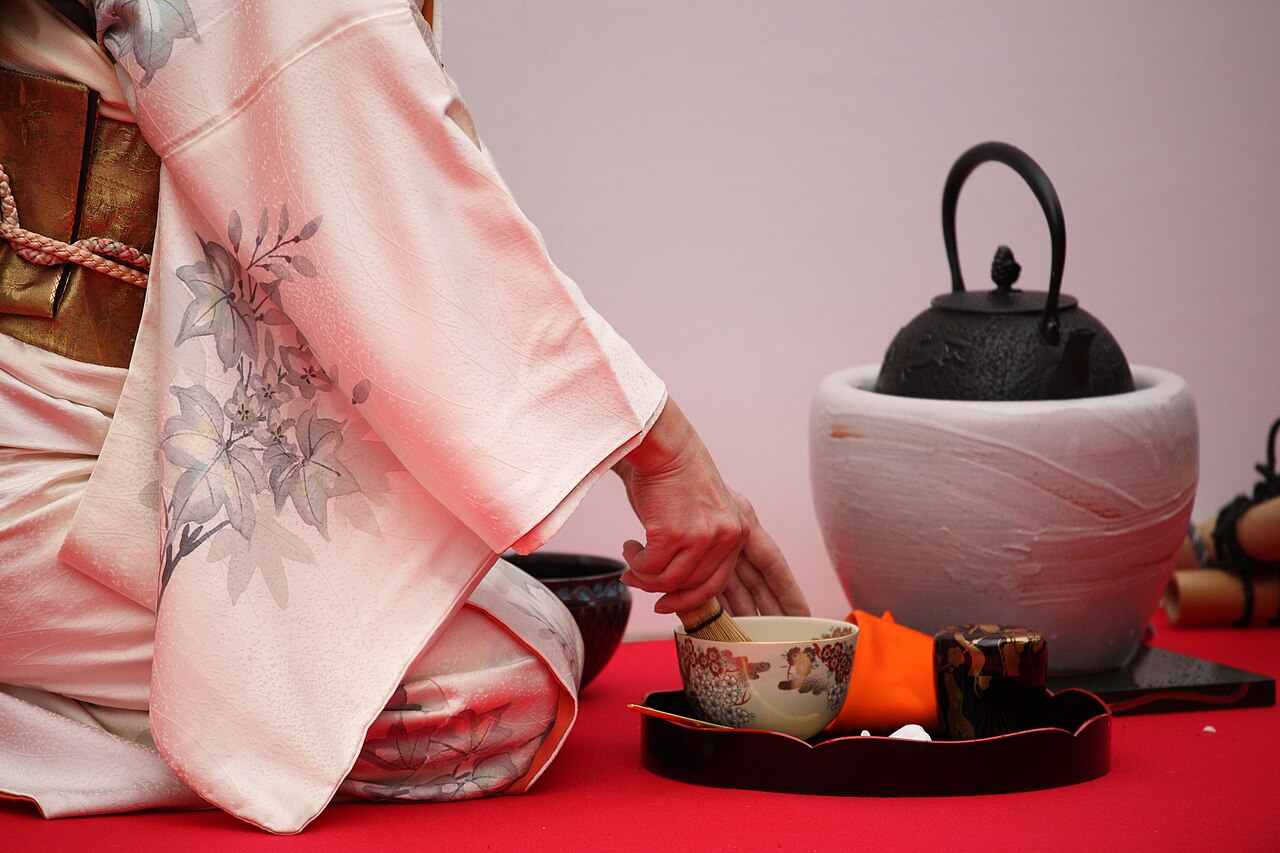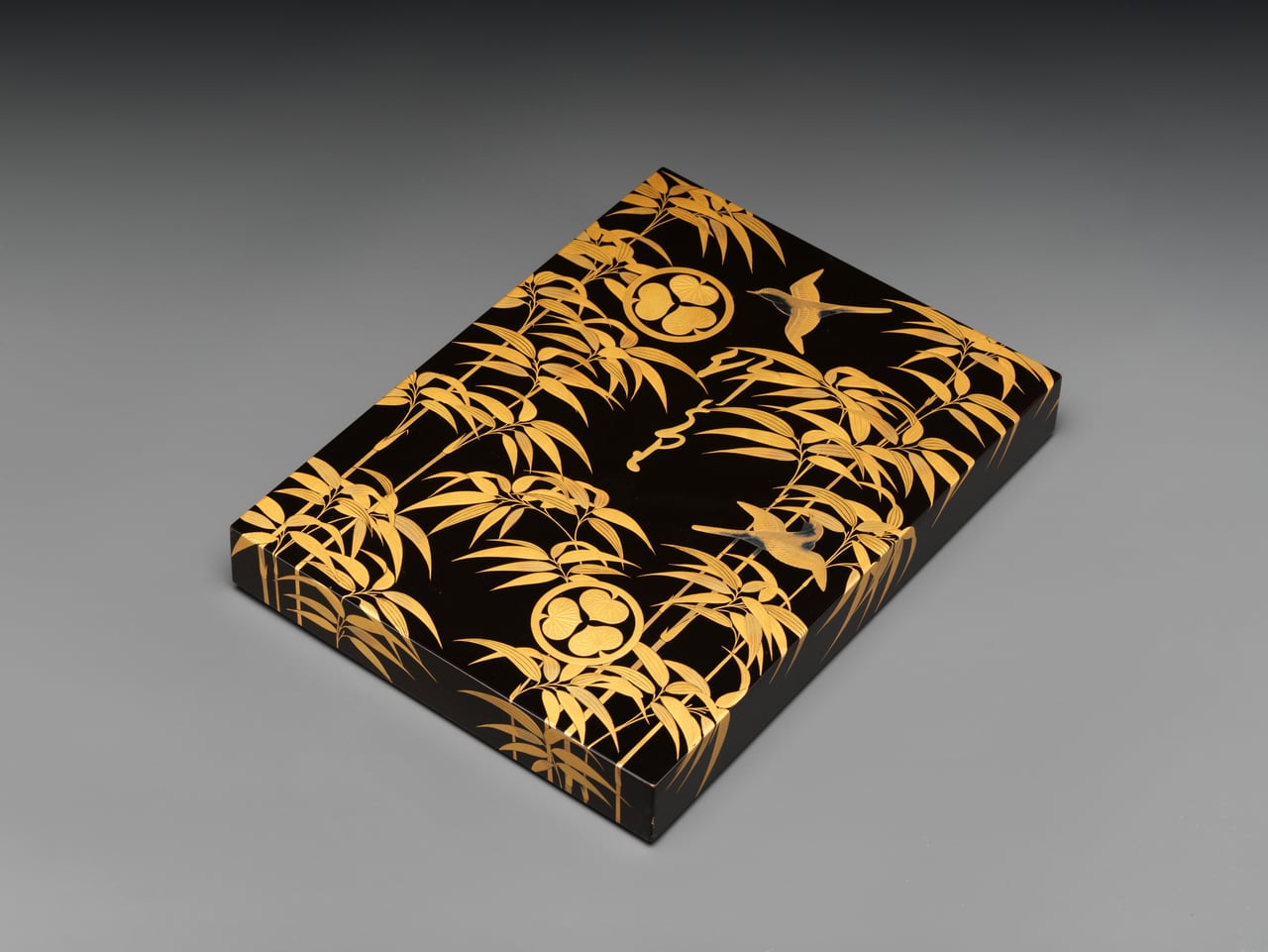
- See how local materials shape Kyoto textiles and Hakone woodwork.
- Choose a craft workshop based on what each traveler wants to make.
- Check age limits, instruction language and when you can take your piece home.
A woven sash, a lacquered bowl and a gold-leaf screen invite different kinds of looking. In Kyoto you can watch a pattern build at a loom. In Kanazawa you can try applying a sheet of gold leaf and see how an artisan uses it on a finished object. In Hakone you can work with the natural colors of wood. Pick one material your family is curious about and give it a morning or afternoon of its own.
What to look for in Japanese crafts
Start with a detail you can see. On a piece of cloth, follow a line in the pattern across the threads. On a tea bowl, look at the rim, the glaze and the foot where it meets the table. A lacquered box may have smooth layers and fine decoration, and a gold-leaf screen changes as light catches it from another angle. Ask what the object was made to do, who would use it and which tools gave it the detail you noticed.
It helps to know what you are booking. A museum visit gives you objects to compare at your own pace. At a demonstration, an artisan can show a difficult step, such as setting up a loom or transferring gold leaf. In a hands-on workshop, you will usually practice a single stage with prepared materials. Ask which stage you will do and what the maker has already finished. The Japan National Tourism Organization’s craft workshop guide collects regional ideas for ceramics, dyeing and other hands-on experiences.
Kyoto weaving, dyeing and ceramics
At the Nishijin Textile Center, watch how the warp threads lift and lower while the weft passes across them. A small motif becomes easier to understand once you have seen how it appears a few threads at a time. The center lists a weaving demonstration and a mini-loom experience. Check the current program and reservation rules for your dates and confirm the minimum age before promising a loom seat to a child. A younger visitor can start with the silkworm displays and see if they can spot a pattern they like. Nishijin Textile Center visitor and demonstration information JNTO guide to the Nishijin Textile Center
For a broader look, visit the Kyoto Museum of Crafts and Design in Okazaki. Compare Nishijin weaving with yūzen, in which a design is dyed onto fabric. The museum also introduces Kyo-yaki and Kiyomizu-yaki ceramics alongside crafts in wood, paper and lacquer. Check its demonstration calendar before choosing a day. A family with limited time can pick two exhibits and pair the museum with a walk near Heian Shrine. For a separate hands-on pottery experience, Akaneya lists Kiyomizu ware painting on cups. Ask how the piece is fired and whether it can be collected or needs shipping after the session. Kyoto Museum of Crafts and Design Akaneya's pottery painting details in Japanese
If your family plans to wear a kimono, a textile visit gives you a chance to notice how the pattern falls when it wraps around the body. If you're more curious about clay, look at what the host does with the bowl during a Japanese tea ceremony. Our kimono and yukata guide and one-day Kyoto guide help you decide how much to fit around the visit.
Kanazawa gold leaf and Kutani ware
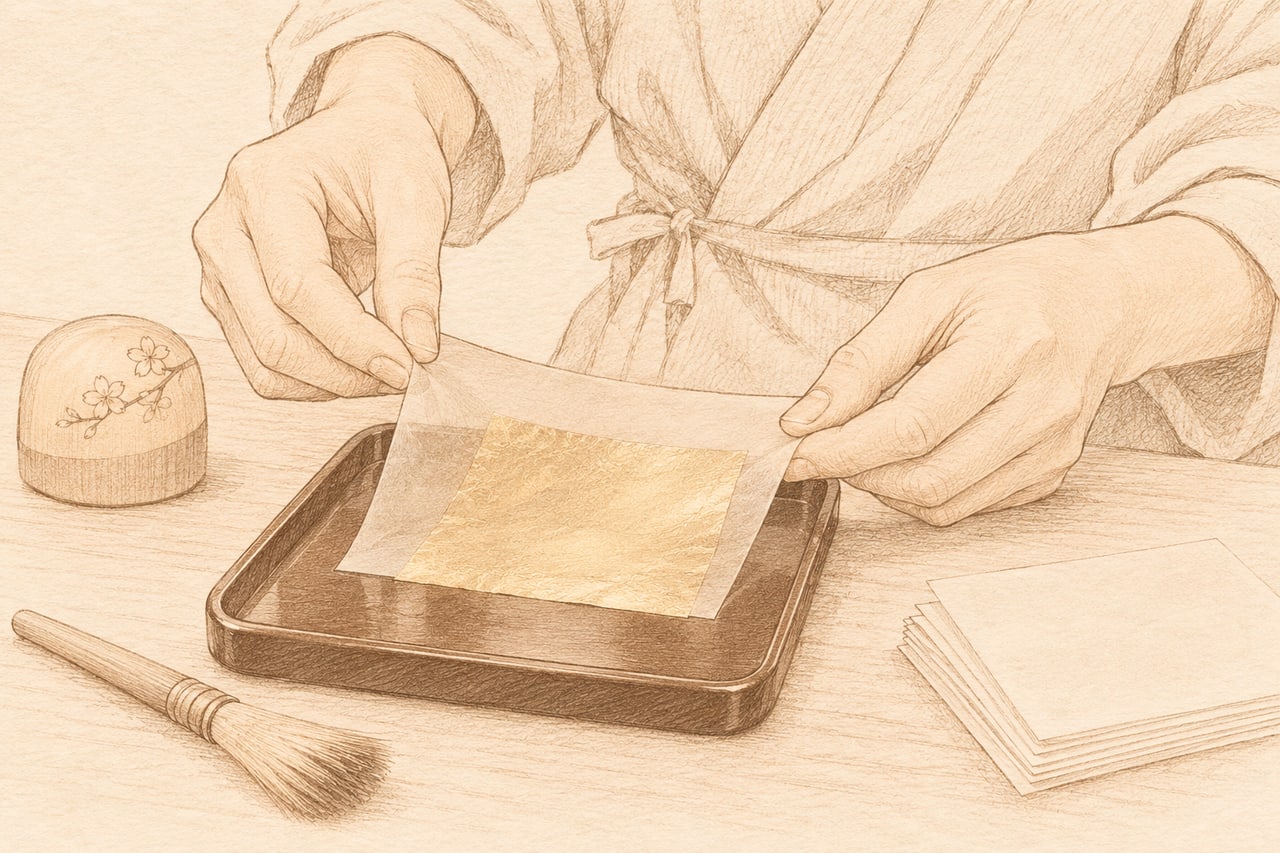
Start near Higashi Chaya at the Kanazawa Yasue Gold-Leaf Museum. Look at the tools used to make the leaf, then find a folding screen, a costume or a piece of lacquerware that uses it. A short application workshop lets you try handling leaf and placing it on an object using a stencil or prepared design. The city lists the Gold Leaf Sakuda Main Store in Higashiyama and HAKUICHI Hakukokan at its own location farther from the old quarter. Choose the location first so the workshop fits the rest of your day. Yasue Gold-Leaf Museum visitor information Kanazawa gold-leaf workshops
For a different material, compare the painted colors of Kutani porcelain or book a painting experience. Look closely at the outlines and the way the colors sit beside one another. Ask a child to sketch one motif on paper before choosing a design to paint. If a person in your group would rather be outdoors, the one-day Kanazawa guide can help you plan a meeting place and fit a Japanese garden visit around the workshop. Visit Kanazawa's regional craft guide
Hakone woodwork and a Tokyo alternative
Yosegi woodwork uses differently colored woods to build geometric patterns. Hakone's town tourism department lists coaster-making sessions at Hatajuku Yosegi Kaikan Hall, the Honma Yosegi Museum and Kanazashi Woodcraft. A child can arrange pieces first and try turning one to see how the pattern changes. Ask if advance booking is required and check how the venue fits your Hakone day plan. Town of Hakone's yosegi workshop listings
If your trip stays in Tokyo, Traditional Crafts Aoyama Square displays work from around Japan. Pick one object you use at home, such as a cup or a tray, and compare how makers in two places have approached it. Check the venue's calendar if you hope to see a particular artisan or exhibition. GO TOKYO's guide to local crafts and textiles
What to confirm before a family workshop
- Participation. Give the venue each child's age. Ask what they will handle, whether an adult can help and if a family member can watch from nearby.
- Language and seating. Ask if booking confirmation and instructions at the table are available in English. Check whether the work is done sitting or standing and whether the room suits your mobility or stroller needs.
- The finished piece. Confirm whether it goes home that day, needs time to dry or must be fired. If it will be mailed, ask where the studio ships, the cost and the expected delivery time.
- The rest of the day. Leave a gap before a train or meal booking. Put the workshop near another activity so the group can split for a while if energy levels change.
Explore more Japanese culture guides or use the Japanese culture websites directory to find collections, venue calendars and regional craft listings before your trip.