
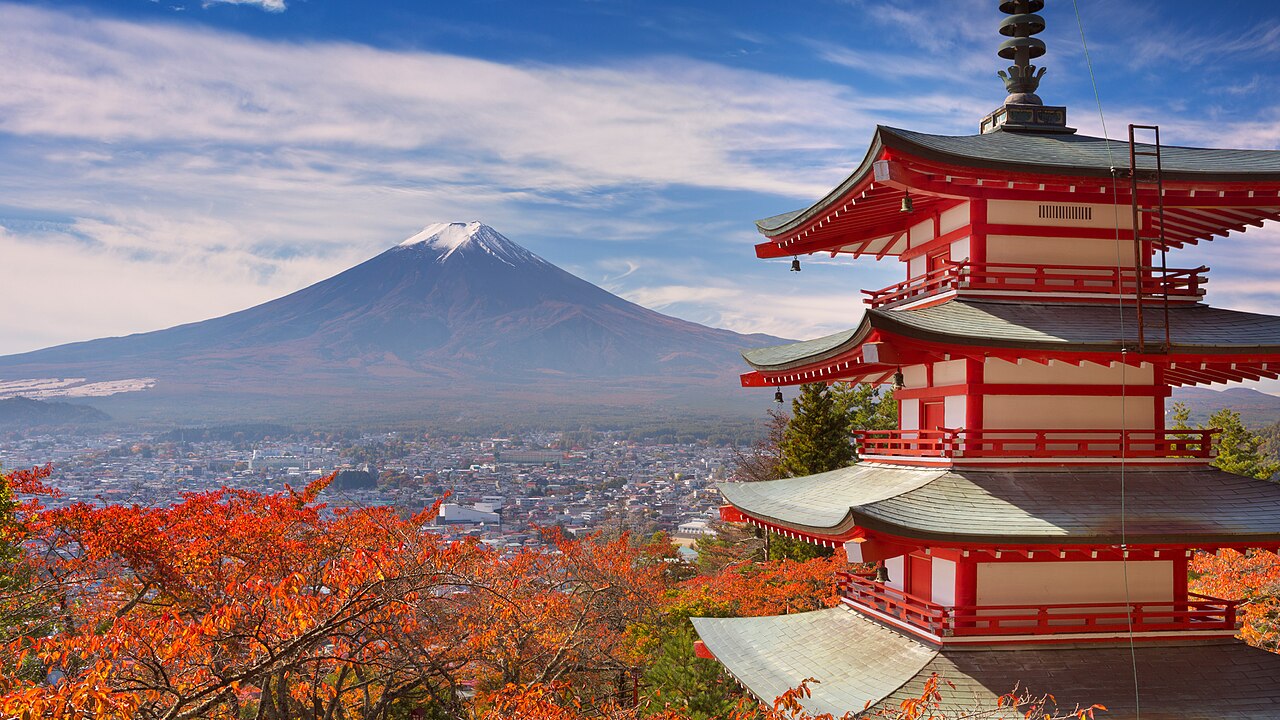
In this guide
The best time for a first trip
For a first trip to Tokyo and Kyoto, I’d choose mid-May after Golden Week or late October. May is good for green gardens and longer days. Late October is comfortable for walking, though Kyoto’s maples usually turn later. If flowers, fall color or snow are the reason for the trip, choose the region and month together.
Already have school holiday dates? Look up your month, then open the guide for that season to compare bases, see a family itinerary and plan for changes in weather.
Spring (March to May): Follow the cherry blossoms
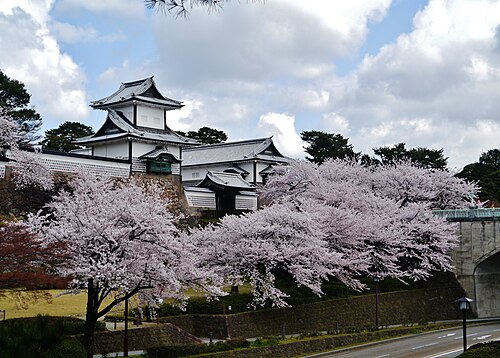
For hanami, or cherry blossom viewing, look at late March to early April in Tokyo and Kyoto. Ueno Park suits a first visit. If your school break is later, look north to Hirosaki Castle in Aomori or to Hokkaido. The JNTO blossom tracker lists first bloom, with full bloom usually following several days later.
With children, I’d price both the peak blossom weeks and mid-May after Golden Week. In May there’s less pressure to land on one particular weekend. The spring guide compares Tokyo blossom walks, lays out two Kyoto mornings and shows how to make them part of a seven-day family trip.
Summer (June to August): Festivals, heat and rain
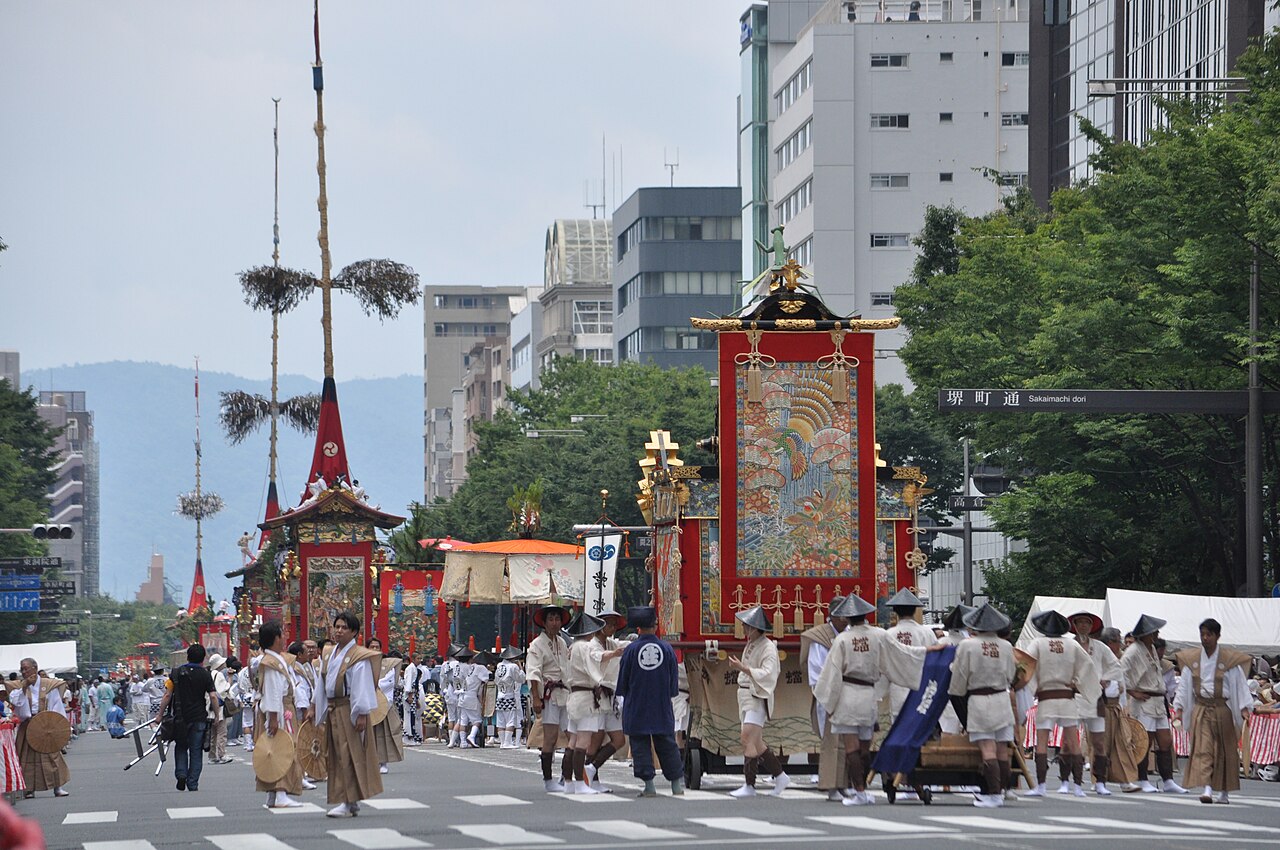
July brings Gion Matsuri in Kyoto and Sumida River fireworks in Tokyo. If you’re visiting with children, choose one event and make it the day’s main outing. Around Tokyo and Kyoto, the rainy season normally starts in June. It reaches Okinawa earlier, while Hokkaido sits outside the usual pattern. Check JMA’s rainy-season dates by region.
If a July or August school break is fixed, compare a short city stay with a longer Hokkaido base. The summer guide shows how to build a Tokyo day around heat, choose a Hakone outing that works in wet weather and get home after a festival.
Autumn (September to November): Nikko or Kyoto?
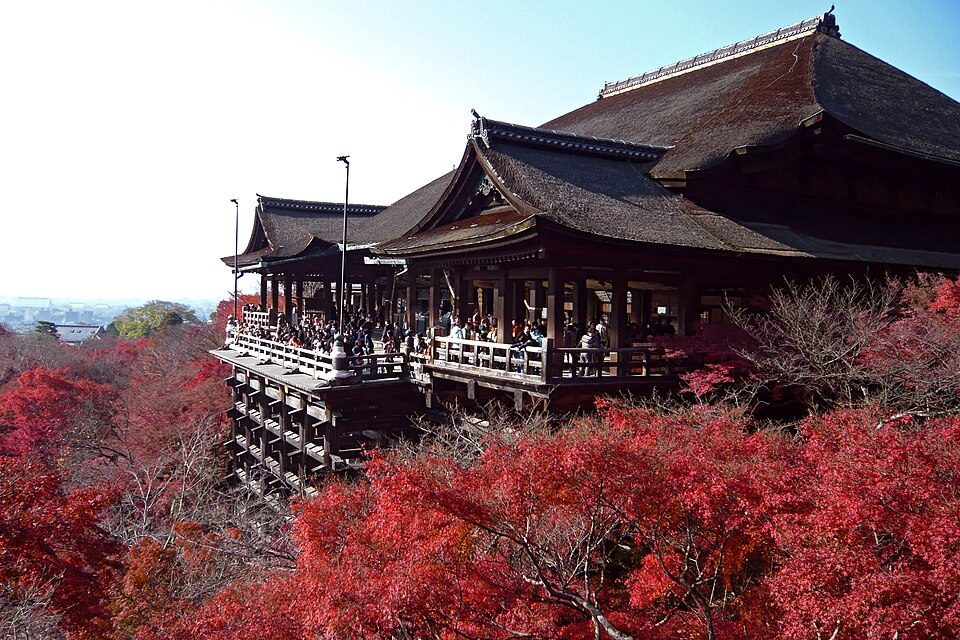
For fall color in October, look at higher ground such as Lake Chuzenji in Nikko. For Kyoto’s temple gardens, look toward late November. September still brings warm days and a chance of typhoon disruption, so leave room to move a ferry, flight or mountain outing.
Use the JNTO foliage outlook for the places you plan to visit. The autumn guide compares Arashiyama with eastern Kyoto and shows how to fit Kenrokuen and a flexible indoor stop into a Kanazawa day.
Winter (December to February): City stay or snow trip?
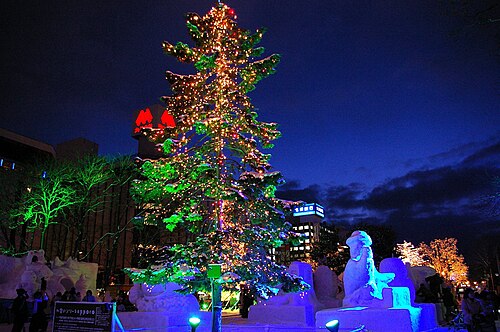
For a family snow trip, start with January or February. Sapporo gives you a city base and the February Snow Festival. For ski lessons, compare a resort stay in Niseko or Hakuba. For museums and a hot-spring stay, pair Tokyo with a night in Hakone.
The winter guide compares Sapporo, the Alps and city stays, with five-, eight- and ten-day itineraries and a section on a first snow day with children.
Japan month by month
Use these windows to shortlist dates. Flowering, leaf color and snow conditions vary by year and elevation.
A January day in Sapporo and a January day in Tokyo call for different packing. Tokyo’s January mean is 5.4°C (42°F), while Sapporo’s is −3.2°C (26°F). In August, Tokyo averages 26.9°C (80°F) and Sapporo 22.3°C (72°F). Use Japan Meteorological Agency 1991–2020 averages to compare regions, then check the forecast for your dates.
| Month | Where to go and what to plan for |
|---|---|
| January | Fresh snow is the draw in Hokkaido and Nagano. Check New Year hours for a city break. |
| February | See Sapporo’s Snow Festival or compare lesson and rental availability at a ski base. |
| March | Look for early blossoms late in the month around Tokyo, Kyoto and Fukuoka. |
| April | Try the main cities early for sakura or head north later. Golden Week starts in late April. |
| May | Walk Kyoto and Nara after Golden Week. Hokkaido can still have blossoms in early May. |
| June | Build in rain options around Tokyo and Kyoto, or look to Hokkaido for a mainly outdoor trip. |
| July | Choose Kyoto for Gion Matsuri or Hokkaido for flower fields and a break from city heat. |
| August | Consider Sendai Tanabata or a Hokkaido stay. Check mid-August Obon travel demand. |
| September | Allow flexibility for heavy rain and possible typhoon disruption, especially if you’re taking a ferry or flying to an island. |
| October | Try Tokyo and Kyoto for walking weather, or upland Nikko for earlier fall color. |
| November | Compare Kyoto and Kanazawa for gardens. In Kyoto, look toward late November for maples. |
| December | Plan city illuminations and indoor stops. Check resort opening dates if snow is a priority. |
Holidays, crowds and bookings
Golden Week in late April to early May, Obon around mid-August and New Year in late December to early January can fill popular trains and hotels. Peak blossoms, Kyoto’s main foliage weekends and the Sapporo Snow Festival can put pressure on rooms in a single city. If you’re flexible, compare mid-May city dates or January dates after New Year. Price the whole trip, including a room with enough beds for everyone.
Once you have dates and a starting city, use our one-week Japan itinerary to check how many stops fit, or plan a private Japan trip around school holidays and one seasonal experience you care about most.
Further reading includes Japan Travel’s season-by-season guide, JNTO’s holiday travel guidance and the Japan Meteorological Agency’s climate overview.