
At a glance
Jump to chaptersFor early fall color, look north or uphill to places such as Nikko. Kyoto’s temple maples tend to turn later. Kanazawa and Kyoto both work well for families who want one garden walk and an indoor stop nearby.
Compare the foliage windows and sample itineraries before deciding whether a mountain transfer is worth a night away from your main base.
When to visit Japan for autumn colors
A late October school break is a good reason to look at Nikko’s lakes and higher ground. A late November trip gives you a better chance of seeing maples in Kyoto. I would build either trip around a place the family wants to spend time in for its own sake, then leave a morning free to follow the color. The month-by-month Japan guide gives you the wider choice of travel dates if you’re still weighing autumn against spring or winter.
September. Hokkaido’s high mountains can show color while Tokyo and Kyoto still feel like summer. The higher slopes of Daisetsuzan can change as early as mid-September. Wind and cloud matter as much as the calendar if you’re going up by ropeway, and a lowland city base will often be at a different point in the season. For a city trip, choose September for the events or the school break and plan for warm days and possible heavy rain. Daisetsuzan National Park
October. This is when I’d put an upland lake or woodland walk on the itinerary. Lake Chuzenji in Nikko is usually a candidate from mid- to late October, while the lower shrine area follows its own timing. The Hida mountains and northern Honshu offer other options if they fit easily into your itinerary. In Tokyo and Kyoto, October generally suits families who want hours outside and are happy to see gardens before the leaves turn. Japan National Tourism Organization’s Lake Chuzenji guide
November. Kanazawa’s gardens make sense if you’re traveling along the Hokuriku route. Toward the end of November, look at Kyoto’s maples and Tokyo’s ginkgo-lined avenues or Rikugien, where the ponds and maples make a different kind of outing. In some years, city color stretches into early December. The most useful forecast is the one for the site you’re actually visiting. A hillside temple, an exposed avenue and a sheltered garden can look quite different in the same city. If a forecast gives you separate dates for maples and ginkgo, choose the type of scene you want first. JNTO autumn foliage outlook
Choose between northern foliage, Nikko and a city garden
Koyo is the color of the changing leaves. Momijigari means going out to look for them. The outing can be as small as a neighborhood garden visit, so give yourself permission to change the scale once you know the forecast. A long view of a forest looks best when the clouds lift. In steady drizzle, a handful of scarlet leaves outside a teahouse or the color along a stone path may be the most rewarding part of the day.
For early color in Hokkaido, choose the mountain or valley before you choose the hotel. Asahidake is in central Hokkaido, and Asahikawa is a practical place to look at connections. The exact ropeway and bus schedule matters if you will be relying on one service home. Bring a sheltered option that is worth the trip, such as a hot-spring stay chosen for the bath and dinner. If your holiday is centered on Sapporo with family in town, a city outing can be a better fit than an ambitious mountain transfer. National Parks of Japan’s Daisetsuzan transport guide
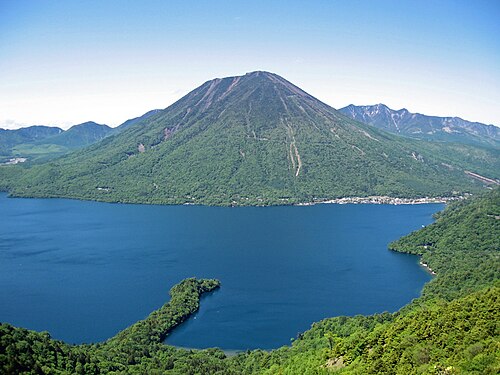
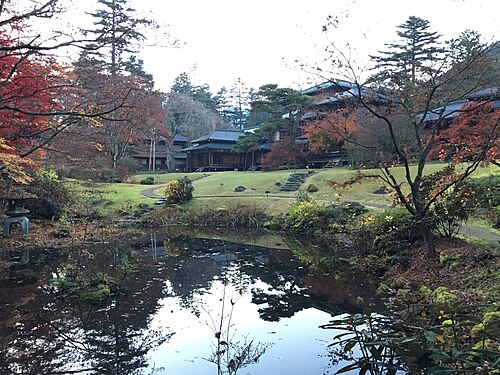
In Nikko, choose one anchor for the day. With encouraging conditions in the hills, head for Lake Chuzenji and keep lunch on that side of the climb. The road through the Irohazaka switchbacks can become slow at popular times. Stop around the lake or Kegon Falls based on how much travel the group is enjoying. If traffic or rain makes that plan unattractive, stay lower and spend the time around Toshogu or Tamozawa Imperial Villa. The Nikko day guide explains how to keep the upper and lower areas manageable.
Tohoku is worth considering on a trip with enough time for a northern base. Oirase Gorge in Aomori pairs falling leaves with a streamside walk. Choose an entry point and a short stretch that the whole family can retrace or leave by a planned connection. The closest foliage on a map may still involve a slow final leg. Spend two nights there if the transfer would otherwise consume the whole day, or pick a city park close to a railway station when you have just one free morning.
In Tokyo, consider Rikugien if you want to see the foliage without committing to a mountain transfer. The garden has held separate evening illuminations in late November and early December. For an evening visit, check the special-event ticket, last admission and entrance in the park’s notice. Some paths are closed after dark. Choose the daytime session if anyone in your group needs a clear view of the garden paths. Tokyo Metropolitan Park Association’s Rikugien evening notice
Getting to gardens, mountains and ryokan with children
For Tokyo to Kyoto or a Kanazawa stay, start by mapping a train journey between hotel doors. The important distances are the walk across the station, the trip to the hotel after arrival and the exit from the garden when someone has had enough. If three people can carry their own bags and the fourth needs a hand free, send the heavy suitcase ahead or keep one smaller bag for an overnight between cities. Ask the receiving hotel whether it can accept bags and when you should expect them. The site’s train and luggage guide walks through those decisions.
A taxi earns its place when it removes a long approach, uphill walk or second local change. In Kyoto, the pedestrian lane leading to a temple may still have steps and crowds after the drop-off. In Nikko, a driver cannot make the Irohazaka road clear. Talk through both ends of the outing with a local operator. For a private vehicle, confirm where it can legally stop, the internal space for luggage and the type of child seat you need. For changing plans, ask how waiting charges or a shortened day are handled.
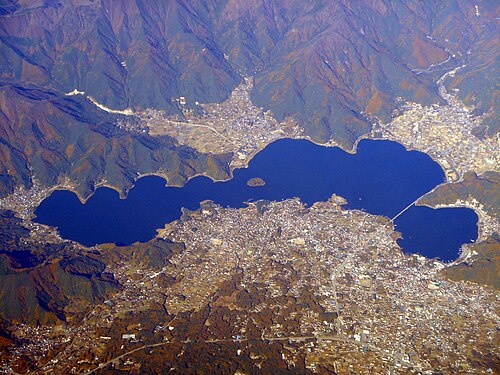
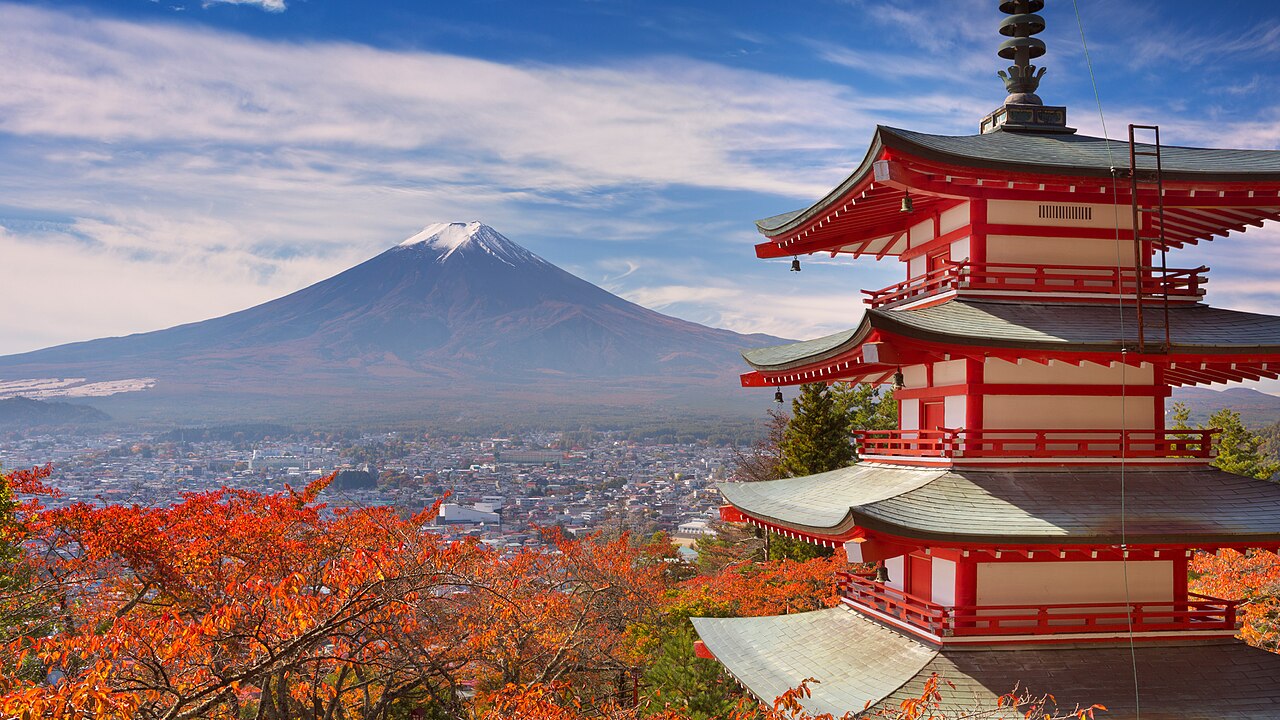
Around Mount Fuji, make the choice between Kawaguchiko and Hakone before you add another hotel night. Kawaguchiko makes sense if the family wants to spend time at the lake and can try again the following morning when clouds hide Fuji. Hakone can be easier for families heading west from Tokyo who want a ryokan stay. Pin the rail or bus stop before booking a room. A short straight-line distance to a lake can still mean a long walk around it. See our Hakone and Kawaguchiko comparison.
For a ryokan, the time dinner begins affects the whole afternoon. Ask when you need to arrive, whether the room has beds or futons and how many guests the bath setup suits. A family with a napping child may use the room more than the garden outside it. A separate sitting area, dinner available on site and nearby covered space are sensible things to compare when prices rise around foliage dates. Keep the night before your international flight in a city with an airport connection you would trust in heavy rain.
A Kanazawa day with one good garden walk
Start Kenrokuen near the entrance that works best for your next stop. With young children, choose a short circuit around the part of the garden you most want to see, such as the Kasumigaike pond and its stone lantern, then decide whether to add another path. For grandparents or anyone who tires on inclines, check which approach is most comfortable and leave time to sit. Early in the day, you’re more likely to have space to take in the details along the paths.
Kanazawa Castle is close enough to add while everyone is enjoying the morning. If it rains or the family wants a different kind of stop, the 21st Century Museum of Contemporary Art is near the garden district. Check its opening schedule and the admission arrangements for the galleries you actually want to see. An early lunch can be an equally good option. On a day when your party wants to spend more time eating and less time trying to catch the best light, begin at Omicho Market and use the next clear window for the garden.
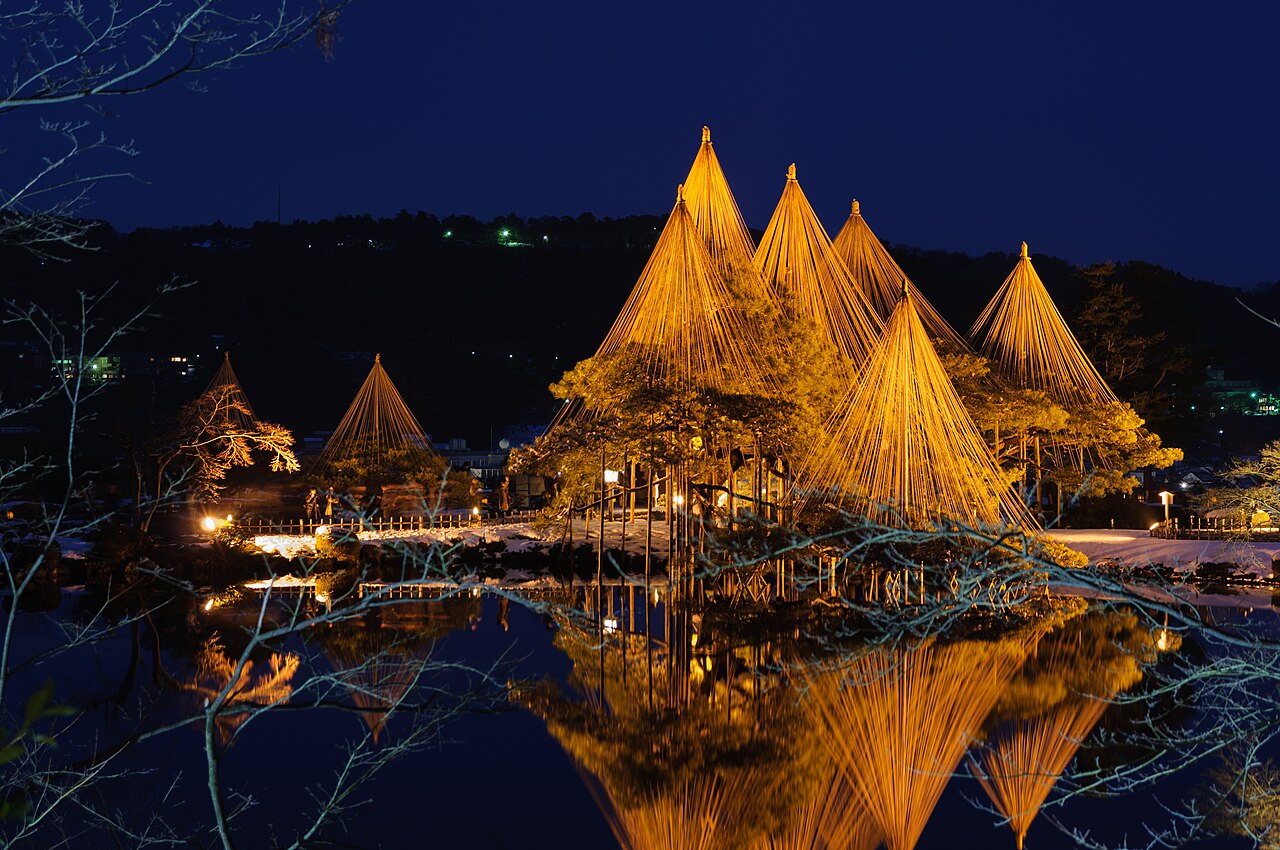
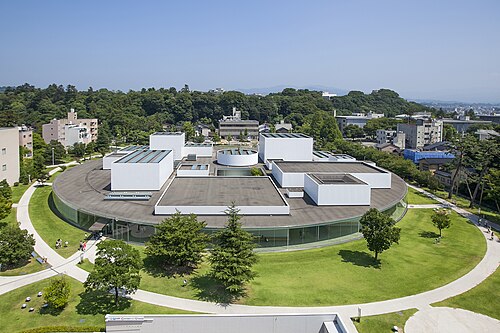
Use a different morning for the Higashi Chaya streets or the old samurai district. Wooden facades change quite noticeably in the light, and a good short walk can stay interesting even when the trees are bare. Put a stop for tea or lunch at the end of the visit, so younger travelers can have something concrete to look forward to. If the children are old enough, ask them to find a difference between a castle wall and a merchant street, or to pick one thing they would like to sketch.
Two nights are enough for the garden and a second neighborhood if you’re arriving before the first dinner. A third night makes better use of the base if you want a workshop, a museum or a day off between long train legs. Choose station-side lodging if you expect to make several trips by rail and need an easy last morning. Choose a room closer to the center if you'll want to return after lunch. See the Kanazawa day plan and where to stay in Kanazawa.
Kyoto in November from Higashiyama to Arashiyama
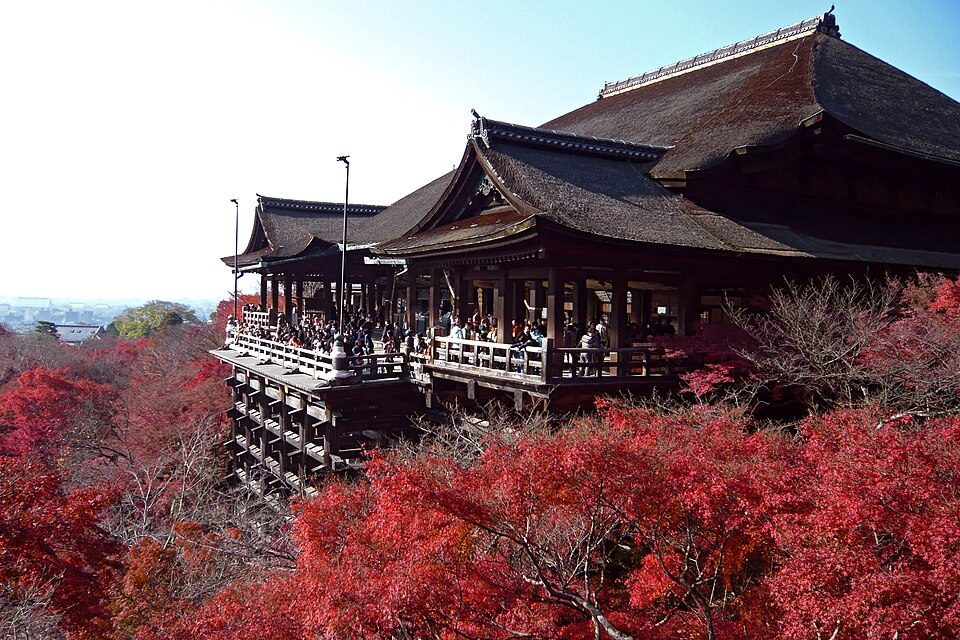
Pick eastern Kyoto for temple roofs and hillside color. Kiyomizu-dera is the obvious first choice if someone has been looking forward to the view from the main hall. Put it before lunch and allow time for the slope on the approach, especially with a stroller. Keep the rest of the walk around the same part of town. For a calmer morning, start farther north near the temple grounds and lanes around Ginkaku-ji and pare down the number of stops as you go.
For Arashiyama, decide whether the day is mostly about a garden or time outdoors by the river. Tenryu-ji gives you a place to concentrate on one garden. The banks near Togetsukyo Bridge give children a short walk with mountains and water in view. Both can work together if you arrive in the area early and pick a nearby lunch stop. The bridge and main lanes are also popular in foliage season. Stay on one side of the river if the family is already ready for a break.
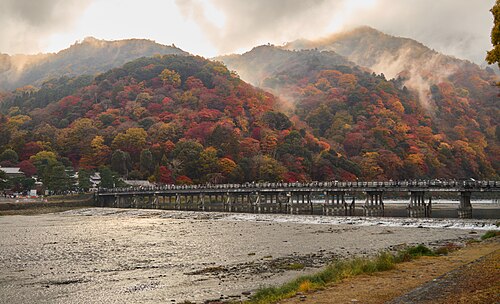
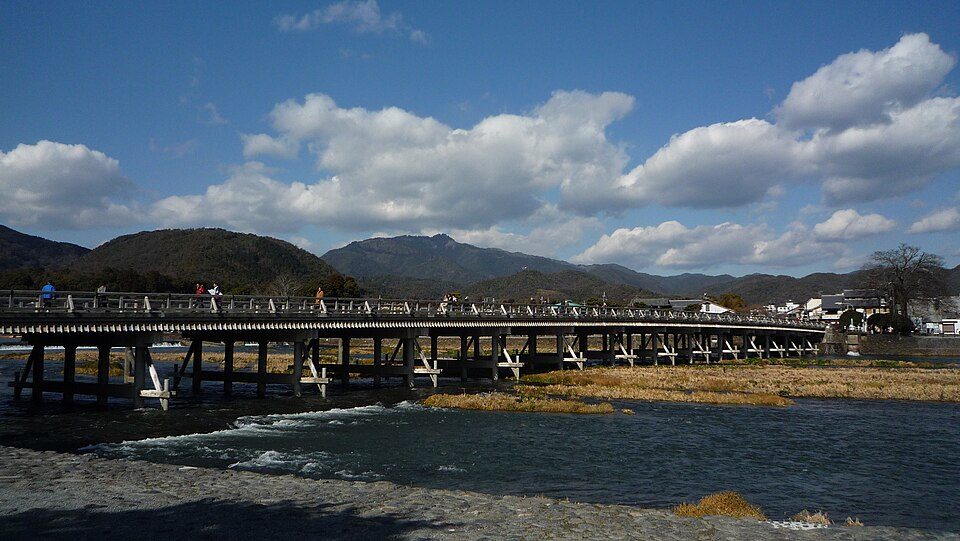
Kyoto’s autumn evening openings can be beautiful. Look at the temple or garden’s current dates, its ticket method and the return after dark. Some paths have stairs or uneven surfaces and slower movement is normal in the dark. An older child may enjoy the evening outing after a rest. With toddlers, an ordinary daytime garden plus dinner near your hotel often makes the better day. Stay flexible if the event depends on the weather or changes with the year. Kyoto Travel’s event calendar
In a three-night Kyoto stay, I’d give one morning to the east, one to the west, and let the conditions decide how much to do after lunch. Save an indoor stop that suits the group's actual interests. The Kyoto Railway Museum can give children who love trains an afternoon of their own. If you’re deciding whether to add Nara, use a separate day and choose one area around the park. Take a look at the Kyoto day guide and Nara in one day to see the practical limits.
Takayama and the Hida mountains without a rushed transfer
Takayama works as a two-night stop if the dates fit your itinerary. Spend the first afternoon near the old streets of Sanmachi, then choose between the Takayama Jinya buildings and the houses at Hida Folk Village for the next morning. The folk village is a better fit when the family wants an outdoor visit that can be shortened before lunch. Take the time to look at the construction and the everyday objects inside the buildings where access allows. With children, one house they remember can be worth more than circling the whole property.
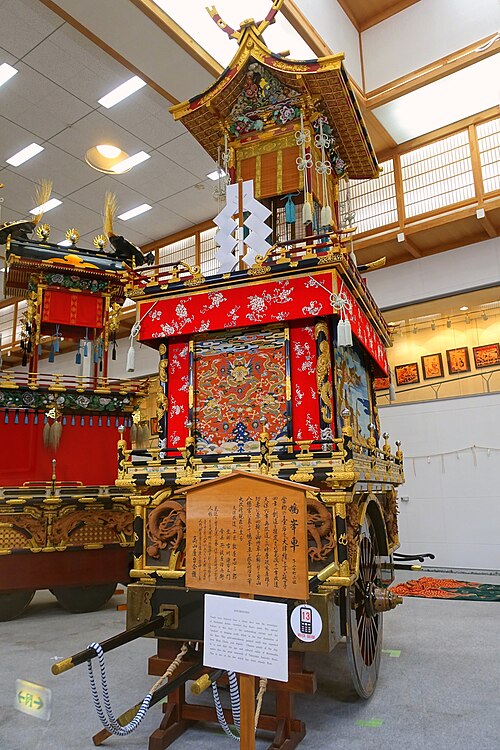
The Autumn Takayama Festival, held on October 9 and 10, is centered on Sakurayama Hachimangu Shrine. The decorated yatai floats are the main event. Check the official program for the route, performance times and wet-weather changes. A family deciding between the daytime program and the evening lantern procession should compare the predicted weather, how close the lodging is and how long the youngest child will be comfortable waiting. The float exhibition hall can still be an engaging visit when you’re in town outside the festival dates.
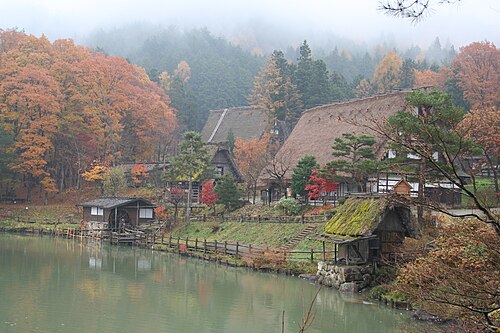
If you are including both Kanazawa and Takayama, buy any needed reserved seats once you know the hotel sequence and what you can carry. A route through Shirakawa-go can make a lovely transfer when the family actually wants a village visit, but check the separate bus legs and where the bags will go. The high viewpoint is optional. A walk among the farmhouses at village level gives you a clearer sense of the place if time is short. When the forecast or tickets get in the way, travel directly by the available connection and give the destination a better afternoon.
Farther east in the mountains, the Kiso Valley suits a trip where a historic town and a woodland walk are the priorities. Pick the town you would enjoy on a rainy day. On the Magome to Tsumago trail, check current conditions and how you’ll get back from the far end before you start. Sharp changes in weather and earlier nightfall can shift how that day feels. For families with very young children, a shorter walk in one village can leave time for a proper lunch and an early check-in. Takayama day guide
Autumn festivals, market lunches and harvest food
If the dates line up with a festival you care about, let it take the place of a sightseeing day. Kyoto’s Jidai Matsuri, traditionally held on October 22, gives you a way to see the city’s history represented in dress and procession. Look up the event route and the plan for heavy rain. Find one viewing point you can reach on foot from a station or a lunch stop. It can help to show children an example of the costumes beforehand and ask what they most want to see. A shorter stretch of the parade may be enough to enjoy the event together. Kyoto Travel’s Jidai Matsuri listings
Nagasaki Kunchi, traditionally October 7 to 9, gives a different picture of regional culture through prayers and performances associated with Suwa Shrine. The city’s history as a port helps explain why a dragon dance can be part of its autumn festivities. I would plan Nagasaki as a base on a Kyushu itinerary if Kunchi is the priority. Check which performances need tickets and where they take place. The two dates in Takayama are a much better fit for a Hida trip. Our Japanese festivals guide explains what to look for at both events. JNTO’s festival calendar
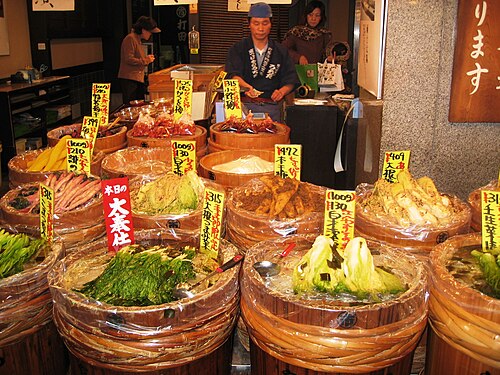
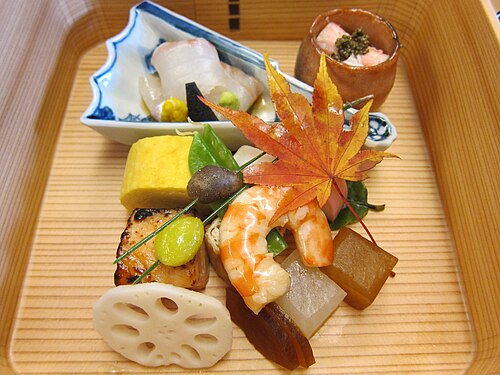
A good seasonal meal can be the part of the day everyone agrees on. Try freshly harvested rice, roasted sweet potato or a chestnut sweet at a market, teahouse or department-store food hall. Matsutake has a distinct fragrance and can appear on seasonal menus. Ask how it’s served and what the meal costs if it’s the ingredient you came for. A small plate at lunch is a low-pressure way for children to try one seasonal food before choosing something familiar. At Nishiki Market, take food only where a shop allows eating and step clear of the walking lane.
On a ryokan night, ask what dishes are served to children and how long dinner usually lasts. Discuss food allergies or other dietary needs before you arrive so the kitchen can say what arrangements it can reliably meet. Consider leaving a full visit to a market for the day after the ryokan. That gives the family space to enjoy a course meal and makes the market its own outing. For the cultural background, see our guide to washoku.
Five-, seven- and ten-day autumn itineraries
Five days in October with a Tokyo arrival. Take four nights in Tokyo for a single base. Spend the first full day in one city neighborhood. Set aside one full day for Nikko and one afternoon for a city park or a museum. Use the weather and traffic forecasts to decide which morning gets Nikko. If the upland route looks difficult, trade it for a shorter shrine-area outing or another day in Tokyo. Save the park closest to the hotel for the last morning so getting to the airport stays simple.
Seven days in late November between Tokyo and Kyoto. Start with three nights in Tokyo and three in Kyoto if you can fly from one city and leave from the other. Give Tokyo a morning for a city garden. Take an unhurried train west and treat arrival as time to settle in and walk near the hotel. In Kyoto, pick an eastern temple morning and a separate Arashiyama morning. Make Nara optional if the group wants one more outing. For a round-trip flight from Tokyo, shorten one city stay or plan the final night near your departure railway. See Japan in one week.
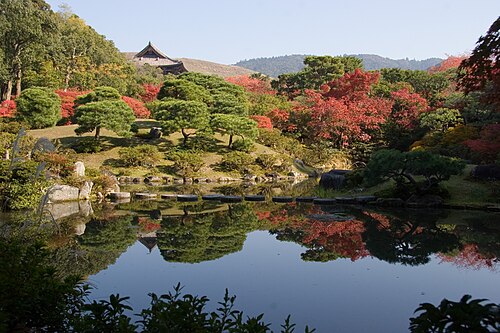
Ten days for gardens and mountain towns. For late October or early November, try two nights in Tokyo, two in Kanazawa, two in Takayama and three in Kyoto if the connections and international flights work. Make the mountain area the strongest candidate for early color and choose Kyoto for the temples even if its maples are still green. Between Kanazawa and Takayama, reserve enough time for the transfer or choose a direct route. Keep the first evening in each city simple. For a late November version, compare spending the mountain nights in Kyoto or Kanazawa and going out to a garden on the best-weather day.
For any of the three itineraries, write down the outing each family member most wants. Then look at the days that require early departures, steep walks or station changes. Put a quiet morning between two demanding days if you can. On a private itinerary, you can place a guide on the early Kyoto walk or use a driver for a rural transfer that otherwise takes several connections. The number of guided days can stay small if the family likes exploring close to the hotel. Start a private Japan itinerary
What to check before an autumn trip
What if the leaves are early or late? Check both the seasonal outlook and the most recent local update. Move the outdoor visit up a morning if the weather offers a good window. A family with a fixed weekend can aim for an area with a choice of elevations or several places to visit close together. The garden can still be the right outing once the leaves fall if the setting appeals. If school holidays move the trip to another season, see our spring cherry blossom itineraries and winter city and snow itineraries.
How much flexibility should I build in? Put one adjustable outing into every base and keep your important train legs clear of it. September travel can still coincide with tropical storms. Follow forecasts and operator notices during your trip, and move an outing around the conditions on the route you will take. A day in one city with a market lunch or a museum can still be a full day for children. If your trip moves into August or starts during the heat of early September, our summer guide has more on busy festival days and planning cooler hours outdoors. Japan Meteorological Agency’s climate overview
When should I reserve? Compare rooms early for a foliage weekend, especially when children need separate beds or a multigenerational group wants rooms near each other. Book the room you want based on the location and cancellation terms, then secure limited-capacity transport and any timed lights or festival events as organizers open bookings. Fall color is easier to adjust around than an unsuitable room at the end of a long walk. Pack a light rain layer, shoes with good grip and a warm layer for windier viewpoints. Ask what can be rented or borrowed before carrying specialized equipment for a single outing.
For more regional ideas, see the Japan National Tourism Organization’s autumn guide and Untold Japan’s guide to autumn scenery, harvest food and countryside stays. The Japan by Season collection brings together the other three season guides and the overview for choosing your dates.