
At a glance
Jump to chaptersJune rain, July festivals and August school holidays call for different trips. Decide how much city heat your family wants to take on, then compare Hokkaido and the mountains for more outdoor time.
Use the city walks, rainy-day alternatives and five-, seven- or ten-day itineraries to shape your trip. If a festival matters most, give it its own evening and plan the way home.
What June, July and August feel like
Japan in summer is a good choice for a family that wants an evening festival, unusually green landscapes or more time outdoors in Hokkaido. It asks more of a city itinerary. The school-holiday weeks that work at home can overlap with humid afternoons, event crowds and the domestic Obon rush. Start with the month-by-month Japan calendar if you still have flexibility. If dates are fixed, use them to decide how much of the trip belongs in a city, how much belongs farther north, and which outings you can swap within each base.
In June, the rainy season is the main consideration for central Honshu. The Japan Meteorological Agency’s long-term figures put its typical onset around early June in the regions that include Tokyo and Kyoto and its end around the latter part of July. These are transition periods. A June forecast can contain fine mornings, light rain and downpours in the same week. Kamakura’s hydrangeas give the rain a purpose, and galleries, food halls and neighborhood restaurants make a city itinerary easy to rearrange. Okinawa follows an earlier rainy-season pattern, while Hokkaido sits outside the usual mainland pattern. Compare JMA’s regional rainy-season dates.
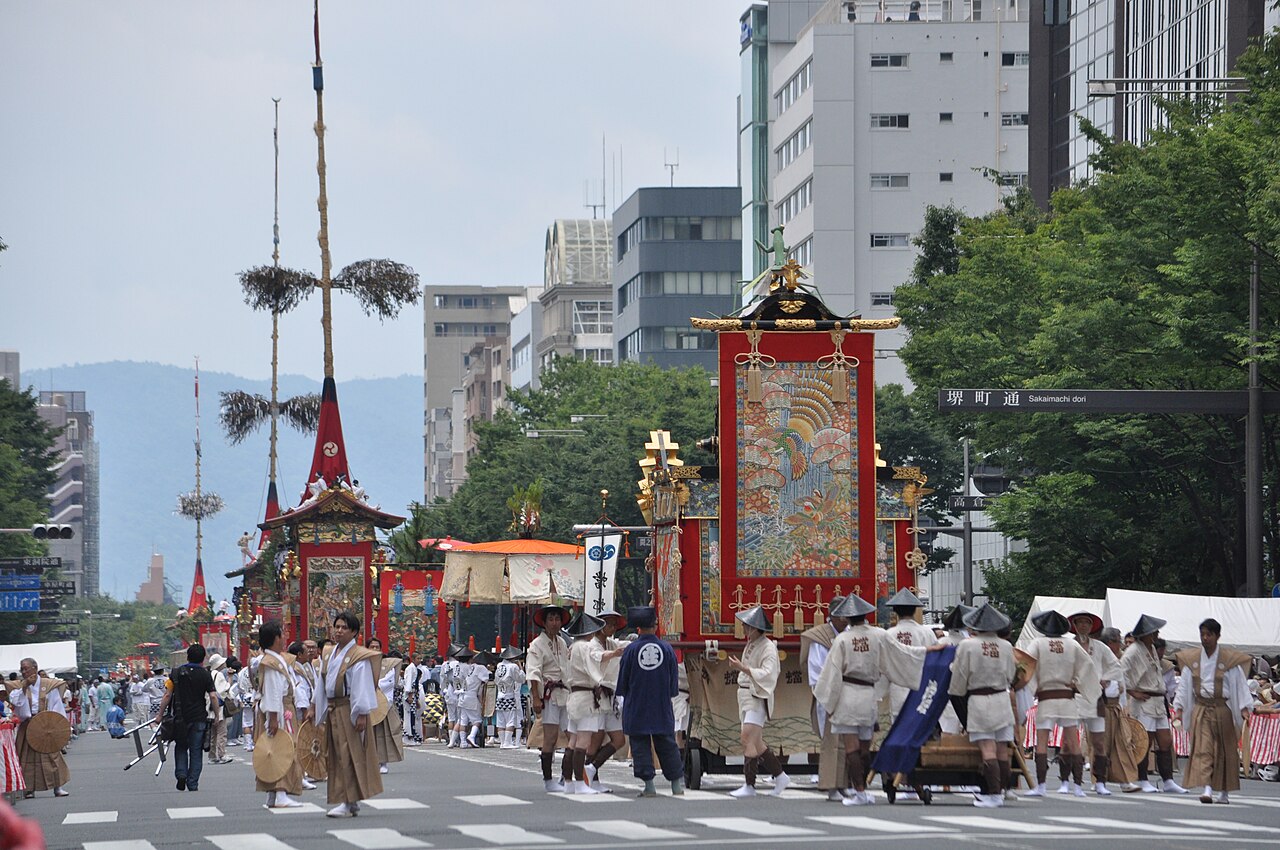
July works for a trip with a single event at its center. Choose Kyoto for a Gion Matsuri procession or one of the lantern-lit evenings around it. Consider Tokyo for an announced fireworks date, or head to Furano in Hokkaido for flower fields. Earlier trips should leave room for rain. Later trips need a deliberate midday break in the big cities. If you are comparing two weeks with similar flights, check the price of the right-sized family room near the place you want to be in the evening. It can change the calculation more than the airfare.
August brings opportunities such as Sendai Tanabata, together with long periods of heat in many cities. Domestic travel picks up around mid-August Obon. Check the operator’s peak-day schedule for your specific route. For a first visit built around Tokyo and Kyoto, shorten outdoor blocks and move a longer rail leg away from the festival day if possible. If walking in cooler weather matters more than a summer event and school dates allow it, see Japan in autumn before settling on a late-summer departure.
Choose Hokkaido or the mountains for outdoor time
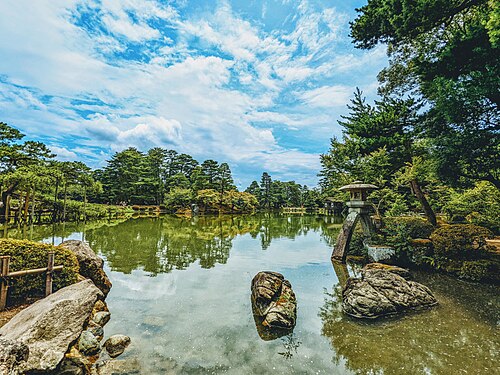
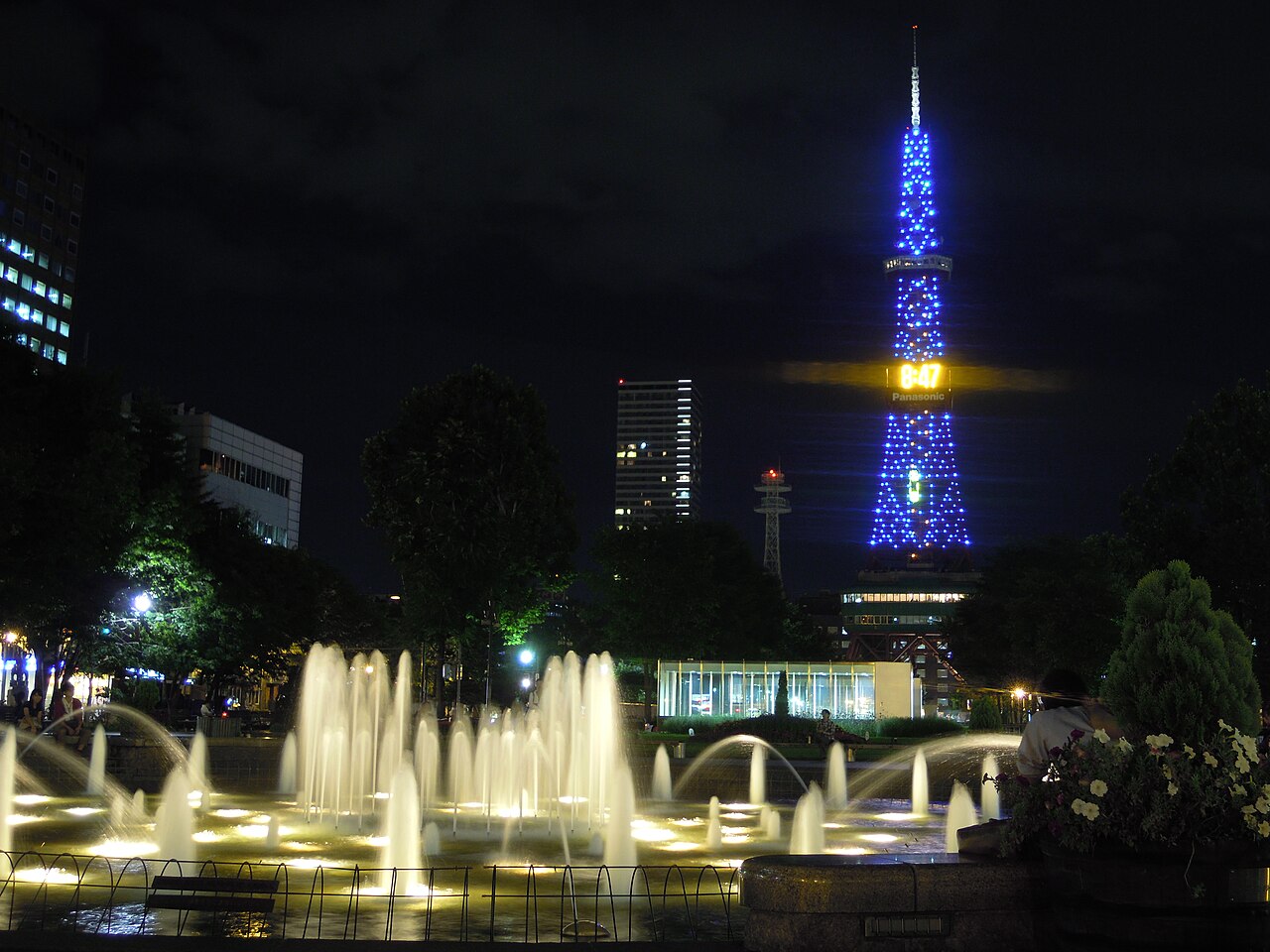
Sapporo and central Hokkaido make sense if you can devote four or five nights to the island. Start with two in Sapporo, where a short walk in Odori Park, a station-area lunch and an indoor afternoon give everyone time to recover from the flight or train. Then put two nights near Furano or Biei if fields and rural scenery are the priority. The town stay turns competing half-day excursions into one outing at a time. Keep Sapporo as your only base if repacking would cost more energy than the longer flower-field day. The Sapporo day guide gives you an easy arrival-day sequence.
Farm Tomita near Nakafurano is worth considering in July, the usual window for its lavender display. There are multiple kinds of lavender and other flowers, so use the farm’s updates instead of scheduling the whole trip around a single picture. Visit one farm before lunch, then choose a second short stop based on the weather and how the children are doing. Rural buses and trains can leave long gaps. Map the return trip as carefully as the outward leg, and ask whether the station is a convenient walk with a stroller. A private driver can make sense for this one day if there are several people or different walking limits. Check Farm Tomita’s bloom and access information.
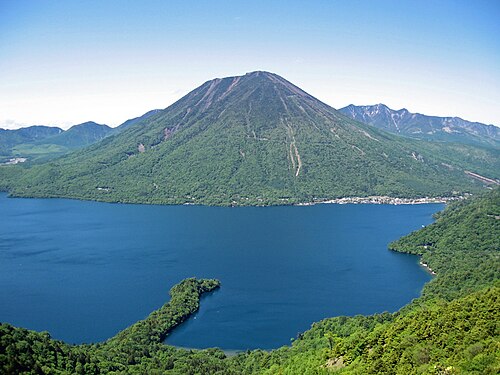
Hakone and Nikko are good ways to add highland scenery without moving a whole itinerary north. In Hakone, base the day on a museum or ryokan you would enjoy under clouds. Treat the ropeway, lake and Mount Fuji view as separate decisions. In Nikko, central shrines and Lake Chuzenji are distinct outings. If you want the lake and a short walk near Mount Nantai, give that side of town a full morning or use it as the day’s main excursion. The mountain road and local bus matter as much as the train from Tokyo. Read the Nikko day guide when deciding whether a day trip gives you enough time.
Kamikochi is an option if your trip already takes you through Matsumoto or the Japanese Alps. Use one valley walk with a turnaround point in mind and leave the longer hikes for a separate plan. Private cars cannot enter the valley, so a hire car or driver gets you to the appropriate transfer point and you continue by bus or authorized taxi. Check the official Kamikochi access instructions for your direction of travel. The decision is often simpler near Mount Fuji. If you want a view, an easy shore walk at Kawaguchiko can be the better fit. A summit climb needs a separate plan, the trail’s official opening period and its own access and booking checks. Check the official Mount Fuji climbing information.
Build around one festival or fireworks evening
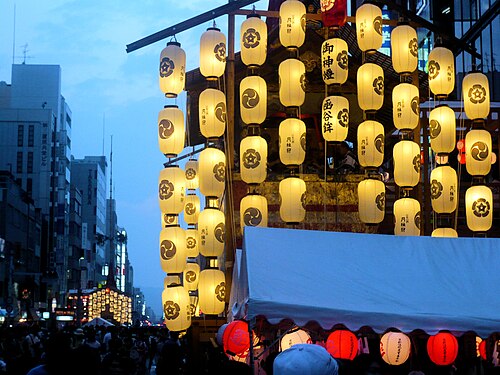
Kyoto’s Gion Matsuri fills July with events, so decide which part of it interests you. The two main float processions traditionally take place on July 17 and 24. In the days before each one, the evening celebrations known as Yoiyama give you a chance to look at floats and lanterns in the surrounding streets. With primary-school children, one stretch of a procession or a short early evening around a float often gives you a better view than trying to cross the whole festival area. Check the Japan National Tourism Organization’s Gion Matsuri guide and local notices for the exact program and street restrictions in your year.
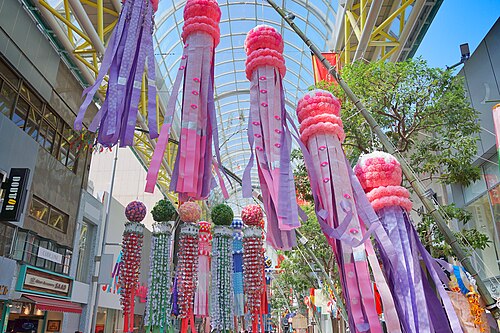
Sendai Tanabata suits families who would rather visit before dinner. The festival traditionally runs August 6 to 8. Paper streamers hang above shopping streets, so you can see a section at a time and stop for a café or return to the hotel nearby. Aomori’s Nebuta festival and Akita’s Kanto festival offer very different evenings. If one of them is the point of the trip, choose that city as a base and price rooms for the festival period before adding Sendai or a second event. Check Sendai Tanabata’s official visitor information, and use the Japanese festivals guide to compare the different traditions.
Tokyo fireworks are an evening outing on their own. The Sumida River Fireworks Festival is usually a late-July event. Before promising to watch from a particular bridge or park, look at the official map and read the year’s viewing rules. Some spots that look ideal on a street map have restricted access or require visitors to keep moving. Staying near a suitable exit route can be more useful than an unobstructed view on paper. Ask the family if a shorter viewing stop and earlier trip home would suit, especially with small children or anyone who needs less noise. Follow the Sumida River Fireworks Festival organizer for the announced schedule.
Obon changes the rhythm of August. The dates of local Bon Odori dances and other observances vary. A neighborhood event can be a manageable evening when authentic local festivities matter to you more than a major procession. Some are welcoming to visitors joining a dance, while others are better observed from the edge, so follow the hosts’ direction. For hotel and rail plans, think about the regional movement around mid-August. If you are already happily based in Kyoto, Tokyo or Sendai, compare the cost and effort of staying through the busiest days with moving to a new place just then.
Set the day’s pace around the people traveling
A summer day works best with one reason to leave early. Give a child who likes trains a priority such as a museum or a ride, and an adult who wants a garden the coolest practical part of a different morning. Put lunch on a route you can shorten. Decide beforehand whether the afternoon is a café, an air-conditioned attraction or a proper return to the hotel. That decision affects which neighborhood to stay in. If a toddler sleeps well at the hotel, a shorter trip back can give the rest of the family time for a separate outing.
For a group with older relatives or somebody sensitive to heat, look closely at the first and last few minutes of the walk. A shaded park can still start with a long, uncovered approach. A station exit with a lift or a drop-off near the accessible gate saves more energy than squeezing in another temple. On days with alerts, keep the outing indoors or move it to a cooler time. The Ministry of the Environment publishes heat advisories and the heat stress index. Check opening hours for the indoor option before you leave so the family can head there straight away.
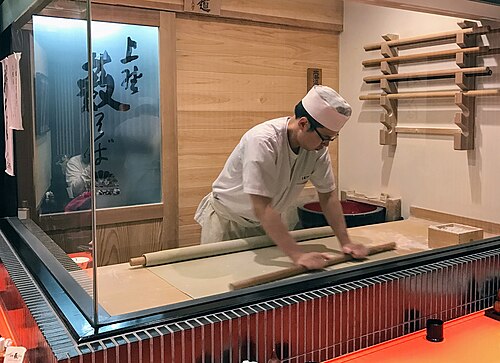
Plan something refreshing into the day. A bowl of chilled soba, a snack in a department-store food hall or a serving of kakigori shaved ice can be a destination that appeals to everybody. In a festival district, eat a proper meal before arriving and treat stall food as a taste if the queues work for you. An early dinner also makes it easier to leave before a crowded event ends. Our guide to Japanese food culture gives some context for how seasons show up on an ordinary table as well as a restaurant menu.
A private guide earns the most time back when parts of the group need different things on the same day. Agree on one main stop, one nearby cool-down place and a point when you can finish if someone gets tired. If using a car, confirm where your driver can legally meet you and whether the vehicle and child seats work for your group. During a street event, a car can still have to stay on the far side of road restrictions. For an ordinary city day, a familiar rail route and one short taxi ride may do the job.
Plan short city outings in Tokyo, Kyoto and Osaka
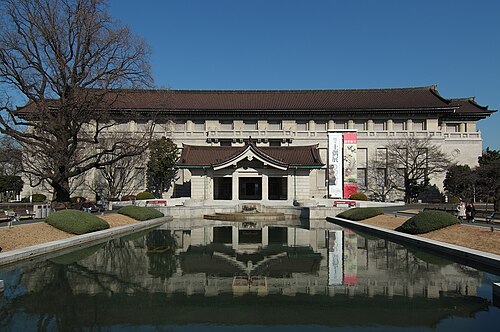
Tokyo, Ueno or Asakusa. If you wake up to a usable morning, choose Ueno Park for the family that likes a tree-lined walk and a museum in the same area. Start in the park, then make the Tokyo National Museum your main indoor stop. Check in advance which galleries are open and whether the children want to see armor, sculpture or another small selection. In Asakusa, use one early stretch around Senso-ji and move toward a sit-down lunch. On a cooler evening you can add a short Sumida River walk. If someone is already tired, finish with a neighborhood meal and save the waterfront for a different day. The Tokyo day guide helps you keep stops in the same part of the city.
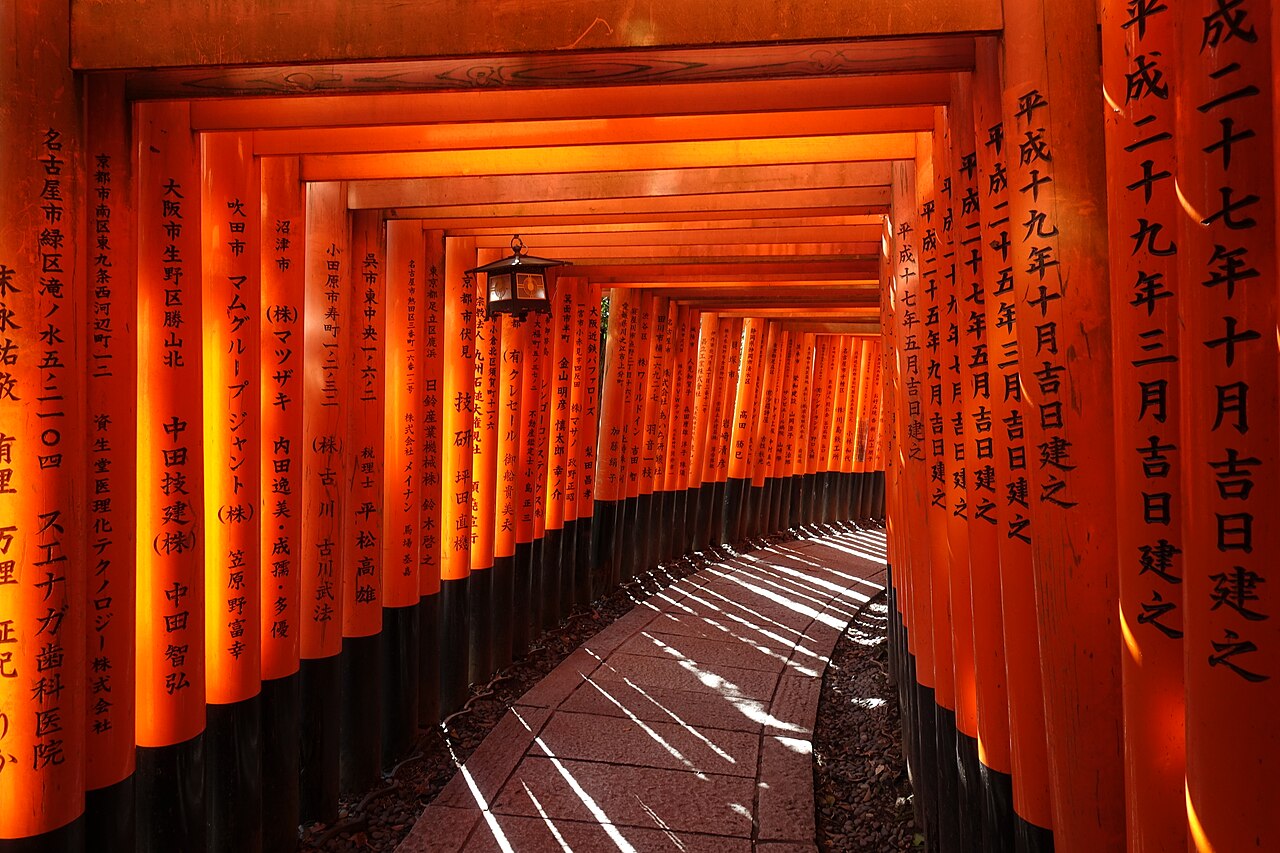
Kyoto, one district in the morning. At Fushimi Inari, a short visit under the lower gates can feel complete. Agree on a turnaround point so the climb stays optional. On a different morning, choose early Arashiyama or an eastern Kyoto temple. If the day is getting uncomfortable, leave the more exposed approach or the extra sightseeing district for another time. Build the middle of the day around a booked, seated experience if the family wants one. A short tea ceremony or a craft visit gives everybody a reason to sit down and makes sense alongside a shrine morning.
Osaka, a full afternoon inside. Kaiyukan works as the main outing if the kids are interested in an aquarium. Check admission times and read the station-to-entrance walk before you book. Keep dinner simple that day. If you are returning to Kyoto, an evening meal near a railway station can leave you several choices for the trip back. For a stay in Osaka, pick a single destination for your night walk, with a seating option nearby. The Osaka day guide can help you decide where to put the aquarium and when to visit Namba.
Where you stay matters differently in summer. A room in a well-connected area works if you expect to move between museums, restaurants and a mid-afternoon rest. A slightly longer ride can be worthwhile if the last walk is short, shaded and straightforward. Look at the exact station exit and street approach, especially if you will use a stroller. With two adults and more than one child, request the bed layout you need and check whether a booking shown for four people actually includes enough beds. A room that is comfortable during the day is part of the itinerary in July and August.
Make a good rainy-day plan in the same region
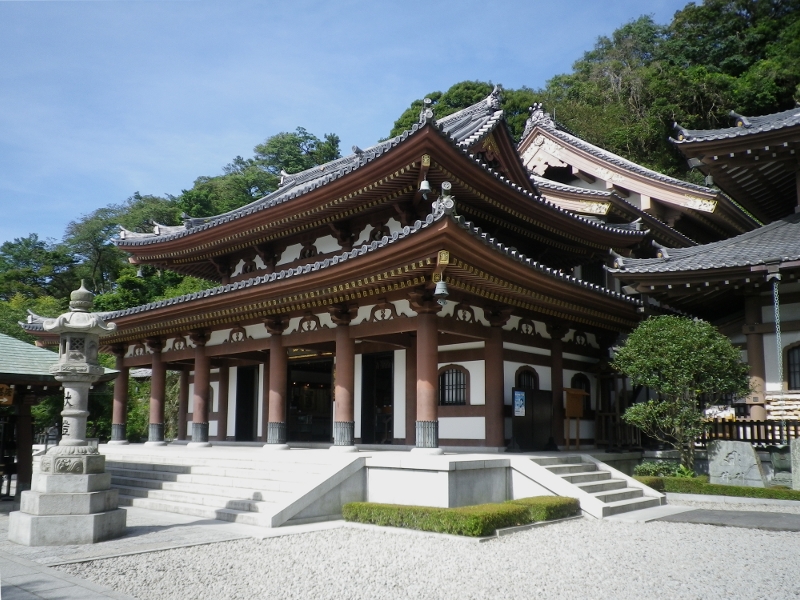
Kamakura in June. Hasedera’s gardens are a good starting point if hydrangeas appeal and the forecast suggests a usable window. The temple sits on a hillside, and the most popular sections add steps and sometimes a wait. On a busy day, set a time limit and choose which part of the temple you most want to see. Keep lunch in Hase and use your Kamakura day plan to decide whether the Great Buddha is worth a separate stop that day. Check Hasedera’s official garden and admission information before committing to a morning train.
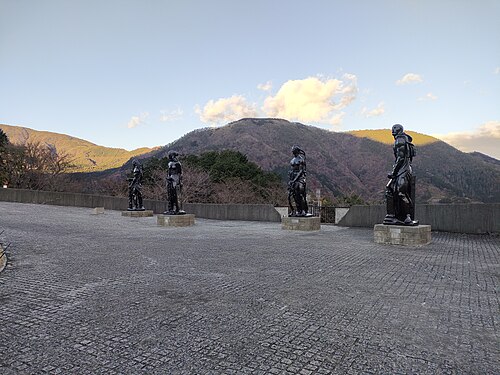
Hakone with clouds or showers. List the things you can do even if Mount Fuji never comes into view. The Open-Air Museum mixes outdoor sculpture with indoor galleries. It can work in lighter rain if people are comfortable walking between buildings and have shoes with grip. In steadier weather, choose an experience with more time under a roof or give the afternoon back to your ryokan. If the ropeway or lake boat is important, check operator notices independently. One service may be running while another is paused. Use the Hakone and Lake Kawaguchi comparison if you are still choosing where to spend the night.
Okinawa or a mainland coast. For a summer beach trip, compare staying on Okinawa’s main island with adding a separate ferry or flight. A main-island base can be easier if people want a beach, a cultural stop and indoor time within the same part of a trip. Stay a few nights so a single rough-water day does not determine the whole holiday. If you are already near Tokyo or Kansai and only want a day by the sea, a beach on the Izu or Kii peninsula can be worth considering. Start with a beach that suits your group and follow local guidance on supervised swimming and changing conditions. Keep beach time separate from a long same-day transfer.
With passing rain, you can swap an outdoor morning with an indoor afternoon. If the authorities issue a severe weather warning, base your plans on their instructions. Follow local alerts and the instructions of staff or authorities, and check the actual operator for rail, flight and ferry updates. If an island or rural bus is essential, book the final night of the trip somewhere that gives you better access to the departure airport. When taking a separate domestic flight, avoid relying on the last connection of the day. The Okinawa visitor guide explains typhoon precautions, and JNTO explains official weather alerts.
Choose a festival plan everyone can leave easily
Set up the way home before choosing a place to watch. Save the address of your hotel and pick one station exit or shopfront outside the busiest part of the route. A nearby station can still be the wrong station when access is metered or the exit you need is closed. Check the organizer’s map and follow the event signs. If your group is splitting up, agree on a landmark easy to describe and a time at which the rest of you will head there. For younger children, one adult can be responsible for the walk home while another stays for the part of the evening that older children want to see.
Pick a minimum outing that would still feel worth leaving the room for. In Kyoto the target might be one decorated float, a short look at the lanterns and a snack. In Sendai it can be two streets of decorations in daylight. At fireworks, decide how far you are willing to walk for one view and how long you are happy to wait. Confirm whether there are reserved viewing areas, how they are reached and where you can exit early. It can be easier to spend on a well-placed room or accessible seat than to buy extra activities you may skip when the crowds and heat catch up with you.
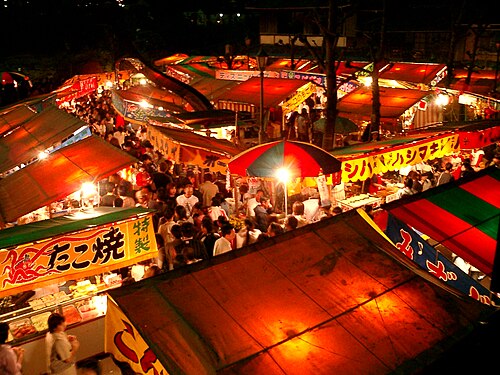
At the event, take a few minutes to look at the things that drew you there. On a Gion Matsuri float, compare the hanging textiles with the other craft details you can see from where you are standing. Let children choose a favorite Tanabata streamer and describe how it moves in the breeze. At street stalls, step aside to eat and keep away from space people are using for the procession. Our festival etiquette and viewing guide covers local customs, event types and how to build a trip around a date.
Keep the next morning easy. One late festival followed by a long transfer with luggage and a prebooked sight is the combination most likely to strain a family itinerary. If the last evening’s event is canceled, you should still have a good reason to stay in that city and a place to eat near the hotel. Make the replacement decision before you leave the room. A relaxed dinner and a short walk after things cool down is often enough.
How to build a five-, seven- or ten-day itinerary
Five days from Tokyo. Use one hotel. Keep the first day for arrival and a walk to dinner. Give the second day to an early neighborhood outing and an indoor afternoon, such as Ueno Park with a museum. On day three, choose the longest excursion while you still have a spare day. Kamakura works for gardens and temples when the forecast suits. For steady rain, make it a Tokyo museum and food day. On day four, swap in the excursion if it has become the better option, or stay in Asakusa for a short morning and use the evening for the river. Save the final day for breakfast nearby and the airport rather than relying on a return from another city.
Seven days with Tokyo and Kyoto. Spend three nights in each city if your flights work from eastern Japan in and Kansai out. Days two and three can take one central Tokyo morning and one flexible day for a park, neighborhood or booked attraction. Move to Kyoto on day four. Build day five around Fushimi Inari or Arashiyama with a rest after lunch, and use day six for a festival, a late-afternoon cultural experience or a cool indoor outing in Osaka. If Gion Matsuri sets your dates, put the Kyoto nights around the relevant event first, then fit Tokyo around them. Use the one-week Japan itinerary to decide whether the base split or airport sequence makes sense for your flight times.
Ten days with a northern half. Spend three nights in Tokyo, three in Sapporo, two near Furano or Biei and the last night within easy reach of the airport you actually leave from. You can trade one rural night for an extra city night if unpacking twice already feels like enough. Start from Sapporo with one central outing and a second lighter day. Move inland on a morning when the plan does not need clear weather. In the fields, pick one longer visit and leave a second outing interchangeable with a rest or a meal. When the group cares more about Sendai Tanabata than flowers, consider a Tokyo and Sendai split instead, with the festival anchored and one nearby excursion subject to the forecast.
Private planning and booking. Write down the same four things for each base before paying deposits. Choose one main outing, a cool or dry alternative, the longest transfer, and a place for an early meal. Book overseas flights and any tight festival stay first, then check rail capacity and activity tickets. Leave unbooked time after a major event. Weather-related cancellation and change terms are worth comparing if you have an exposed mountain or sea excursion. If you want a private itinerary, share the children’s ages, mobility needs, heat tolerance and the summer experience you would most like to keep. Those details help decide whether to pay for a rural transfer, choose a hotel near a festival, or keep more time available in the cities.
For other ways to spend the season, see the Japan National Tourism Organization’s summer guide for festivals, outdoor activities and seasonal destinations, and Japan Starts Here’s summer article for ideas including hydrangeas, mountain escapes and summer food. If June or August still feels like a compromise, compare the timing with Japan in spring and the full month-by-month calendar.