
At a glance
Jump to chaptersFor cherry blossoms in Tokyo and Kyoto, start with late March or early April. Choose May after Golden Week for gardens and longer days, or look to northern Japan if your school break falls later.
Compare Tokyo’s blossom walks and two Kyoto mornings with indoor alternatives, then adapt the seven-day family itinerary to your flights and your children’s pace.
Choose your dates from March to May
Late March to early April is the usual starting point for cherry blossom trips to Tokyo and Kyoto. Mid-May after Golden Week is a better match for families who want garden walks, outdoor lunches and fewer decisions tied to flowering. For a later school break devoted to sakura, look north to Tohoku or Hokkaido. The month-by-month Japan travel guide compares those choices with summer festivals, autumn foliage and winter snow.
March can feel like two seasons within the same trip. Plum blossoms may still be visible when the main cherry varieties are several weeks away, and March mornings in Tokyo can warrant a jacket even if a sunny afternoon feels warm. If you’re arriving in the first half of the month, build the trip around city neighborhoods, a garden or a hot-spring stay. Northern cities and mountain destinations can still feel wintry. Leave an extra layer in your day bag if a trip to a lakeshore, mountain village or the north is already booked.
April is when the difference between a national forecast and a local outing matters most. Somei yoshino, the cherry variety behind many of the famous pale pink scenes, flowers at different times across Japan. The same city can have late-flowering varieties in gardens after the most photographed trees have dropped their petals. Look up the specific park, then distinguish the date of first flowers from full bloom. Allow several days between the two in your planning and use the most recent reports for the final call. JNTO cherry blossom forecast and city reports
May shifts the emphasis toward fresh leaves, wisteria in the earlier part of the month and time outside. In Kyoto and Nara, a May visit after the holidays can be built around gardens or short temple walks with long lunch breaks. In Hokkaido, early May may still bring blossoms, depending on the year and the city. If you’re looking at Okinawa, treat its weather as a separate decision. The rainy period there usually begins earlier than it does around Tokyo and Kyoto. Japan Meteorological Agency rainy-season averages
Make Golden Week work for your family
Golden Week brings several national holidays together in late April and early May. In 2027, the fixed public holidays in that window are April 29 and May 3–5. Weekends and the working days people take off can extend the busy travel period. Check your actual dates, especially if you are transferring between Tokyo and Kyoto or heading to a small town with limited rooms. Japan Cabinet Office public holiday calendar
If a child’s break overlaps those dates, choose a base around the day you can do on foot as well as the day everyone is looking forward to. A Kyoto hotel near your main rail route makes a short Nara outing feasible. An east Tokyo hotel can give you a temple, a river walk and several meal options without a major transfer. Keep one daytime outing close enough that a member of the family can go back to the hotel independently. Book the room that fits the actual number of people and beds you need, then check train plans and cancellation deadlines together.
Advance seat arrangements matter most on a travel day with children, several bags or a tight connection. Check the operator’s rules for the train you’ll take and whether your luggage needs its own reservation. Compare individual tickets against any pass using the journeys you will actually make. A private driver can simplify the last leg from a station to a rural accommodation, but a long road transfer through holiday traffic may cost more time than a reserved train. Our Japan train and luggage guide walks through those choices.
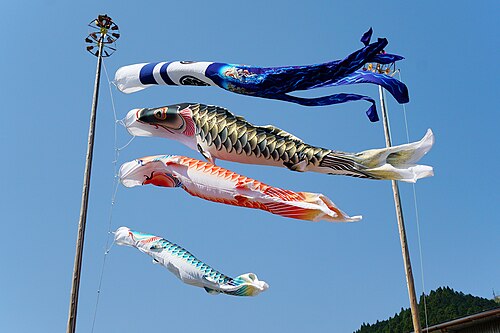
Children’s Day on May 5 offers an easy way to see a spring tradition even if your family never visits a festival. Look up whether your neighborhood has a display of koinobori, the carp-shaped streamers flown for the occasion. It can be as simple as a short walk before lunch. If you are traveling around the holiday, confirm the exact opening days of museums and workshops, including weekdays that follow a holiday. It’s easier to choose another museum in the same neighborhood while planning than to discover the closure from its entry steps.
Plan a cherry blossom outing with children
Hanami can be a picnic beneath the trees, a stroll after breakfast or a stop at the end of another outing. With young children, pick a place where the entrance, bathrooms and next meal are easy to find. Bring a small bag for wrappers and use designated picnic areas where the park sets them aside. A bench and a snack are often enough, especially on a trip that already includes long days on trains and footpaths. Some gardens restrict food or where visitors can sit, so read the signs before unpacking.
Choose two windows in the itinerary, ideally on different days. Give the first to the place you would most like to see and reserve the other for the best local report. If the petals fall overnight, a canal walk or castle garden can still be worth doing for the setting. Photographing flowers against the sky might be your priority, while a nine-year-old might remember floating petals in the moat or buying a train lunch on the way there. Give older children a choice between two stops in the same area so they can steer part of the day.
Crowds change the feel of a path. In a narrow stretch, keep your group walking until you find a place to step aside for a picture. A short morning visit often leaves enough energy for lunch and a second interest, while an evening illumination may add queues and a later return. For a family with both early risers and teenagers, give one adult the option of staying for the lights while the rest of the group returns. Agree on the meeting place by name before separating. GO TOKYO’s guide to cherry blossoms and hanami
If the weather turns wet, swap the longer park walk for one indoor activity in the same neighborhood. A covered market, a workshop with seats or a museum room with something the children have already chosen can keep the day on track. For the day bag, bring a light rain shell and a layer that fits underneath. Take a dry pair of socks for children who want to explore every puddle. On a cold, wet morning, shorten the route before adding a ride to a different district.
Tokyo blossom walks in Ueno, Asakusa and Shinjuku
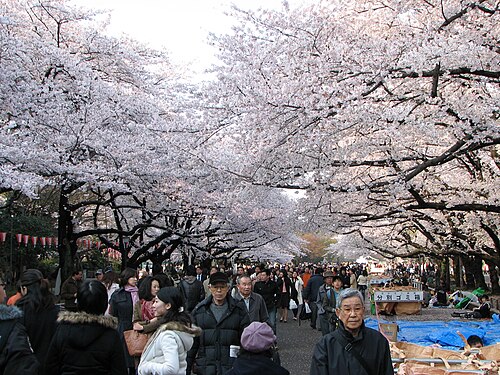
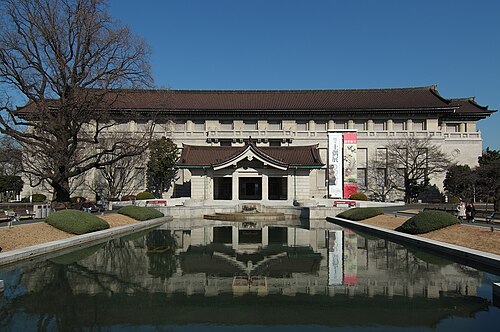
Ueno is the easiest starting point if you want flowers and a museum together. Begin in Ueno Park while everybody still has energy for the main avenue. Decide from the crowds whether to walk toward Shinobazu Pond or continue through to the museum area. The Tokyo National Museum is a useful choice if adults care about Japanese art and children can choose one object to look for. The National Museum of Nature and Science can be a better match for a child who would spend the whole morning with dinosaurs. Pick one museum and verify its calendar before you go.
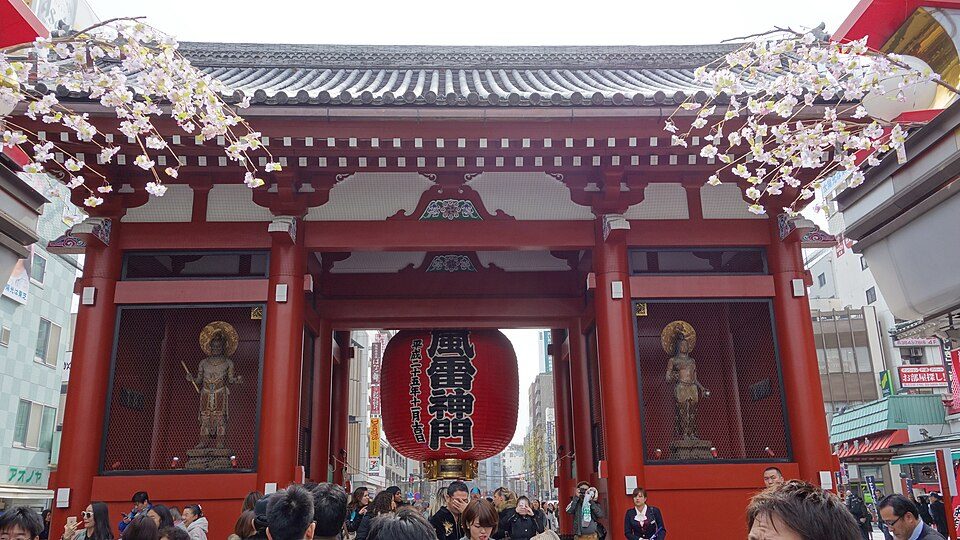
Asakusa and the Sumida River make a good alternative if the family wants to keep moving. Start at the Kaminarimon Gate, look in on Senso-ji, then take the walk toward the river when the temple approach gets busy. For families that tire of crowds quickly, reverse the sequence and begin by the water. Find a covered lunch option close to the station in either case. If a child needs a rest, the short loop leaves room to return to the same part of Tokyo rather than reorganizing a cross-city afternoon.
Shinjuku Gyoen is useful when the usual city peak has passed, because the garden has multiple cherry varieties. Check the current flowering news and entry arrangements for your dates before crossing town. The Meguro River is the opposite sort of outing, with a tighter river corridor and fewer choices about where to pause. If it’s the view that matters to you, make it a short visit when the group has energy for standing and take the next meal elsewhere. GO TOKYO’s current hanami guide
On a trip of several nights, I’d use one east Tokyo morning for Ueno or Asakusa and hold one later morning for the best bloom report. If you’re staying near the eastern districts, you can finish a short outing and be back for a nap without a long subway ride. If your hotel is on the city’s western side, it may make more sense to protect a Shinjuku morning and give Ueno one dedicated museum day. The Tokyo day guide helps you put the walks and meals in order.
Two different spring mornings in Kyoto
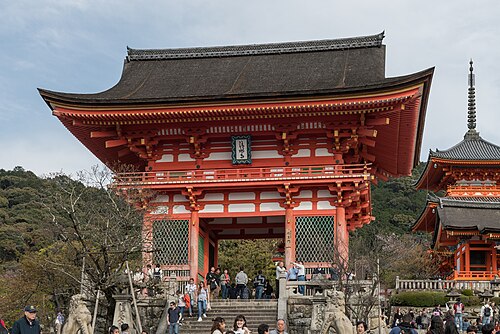
Start in eastern Kyoto if you want blossoms with a shrine or temple. Maruyama Park and Yasaka Shrine can be combined into one morning, with the large weeping cherry in Maruyama as a natural place to turn around. Another morning can begin by the Philosopher’s Path for a canal-side stroll toward the area around Nanzenji. The whole path is about two kilometers, so choose one section if you have a stroller, older relatives or a child who will want to stop every few minutes. Look at the Kyoto blossom report for the specific area instead of assuming all trees will be at the same stage.
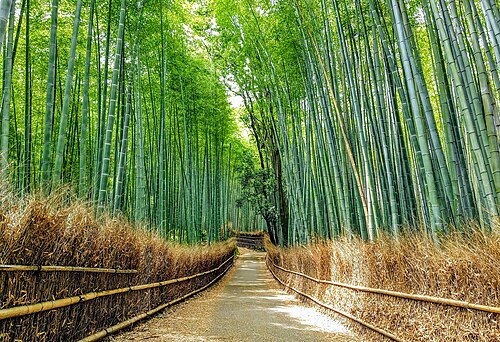
Go west on a separate day. Arashiyama works well when you want a river view and a garden or the bamboo paths. Pick one before setting out. The district can feel busy around Togetsukyo Bridge and the main approaches, so plan an earlier walk if you need time and space to regroup. If the blossom forecast changes, the bamboo remains an option. A Kyoto day with the east and west ends combined uses a lot of time in between. With children, that travel often replaces the sit-down break that makes the second outing easy.
For a wet morning, check the Kyoto Railway Museum near Umekoji Park. A family can spend a satisfying visit on the trains and leave the district with an outdoor option if the sky clears. For a quieter afternoon, a tea experience can make sense if the children are comfortable sitting for the length of the session. Ask whether the room uses floor seating, how long the booking runs and whether there’s a shorter version for children. Kyoto Railway Museum access and opening information
Choose your Kyoto hotel around returns. A station-area room helps if you have a Nara day or an early transfer. A downtown location may be easier for meals and a morning in the east. On a private guide day, agree in advance on an earlier end if the second outing is crowded, and have the guide map a separate return for relatives who leave sooner. The Kyoto day guide and Kyoto hotel area guide cover day plans and useful stations.
Later blossoms in Tohoku and Hokkaido
For a late-April trip built around blossoms, consider Hirosaki in Aomori. The park around Hirosaki Castle is known for its extensive cherry plantings and moats. Petals can collect on the water after full bloom, giving a different view from the earlier canopy. Choose where you will sleep by the actual route into the park and back. If you stay in Aomori and take a day trip, allow time for the rail and local leg in both directions. A night close to Hirosaki Park gives you two visits in different light without attempting the same transfer twice. Its flower festival typically overlaps the late-April to early-May period. JNTO’s guide to Hirosaki’s cherry blossoms
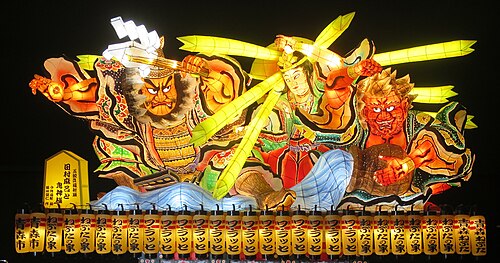
An overnight in Aomori can make the northern trip work in wet weather. The Nebuta Museum WA RASSE presents the large illuminated floats associated with the city’s summer festival. That gives children something to look for in a different scale from a castle garden. It is also a way to see the craft behind the festival on a spring trip. If your children really want to see a float procession outdoors, use the summer Japan guide before fixing your travel month.
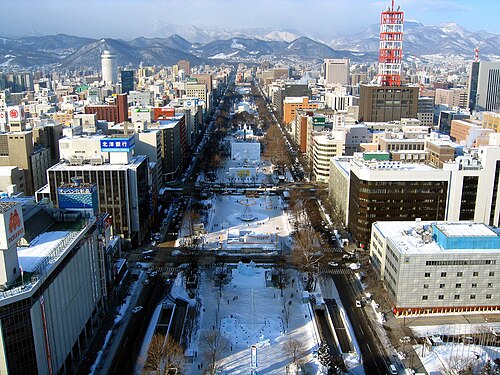
In Hokkaido, Hakodate’s Goryokaku Park offers a star-shaped setting for a blossom walk. Check the park’s report for your dates and keep a backup visit close to town. Sapporo is a different choice. It works as a city stay where an afternoon in Odori Park can fit between a meal and an indoor activity. The date of first bloom differs between cities and varies from year to year. Take a warmer top for time outdoors, especially if the itinerary combines Hokkaido with Kyoto. Hakodate tourism’s Goryokaku blossom guide
Choose one northern base if you have only a long weekend. With more days, you have time for a transfer and a spare outing. Compare a Hirosaki trip with Hakodate or Sapporo before committing to all three. A useful question is where the family would most enjoy spending a wet afternoon if the blossom day moves. The Sapporo day guide is a place to test that decision.
Choose a lake, garden city or alpine outing
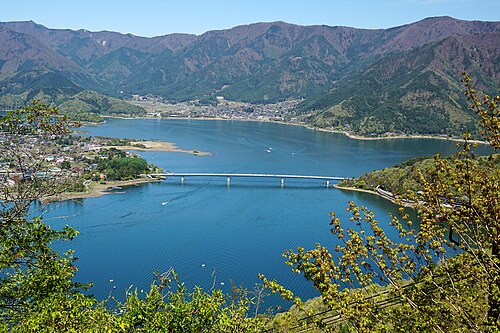
Lake Kawaguchi is a good choice if the view of Mount Fuji is central to your trip. Stay overnight if you can, so you have an afternoon and a morning to see the mountain without committing to a single hour. For a shorter family walk, choose a lakeshore section and stop at a viewpoint within everyone’s range. Cherry trees near the lake can follow a different timetable from Tokyo. Later in spring, the Fuji Shibazakura Festival near Lake Motosu has flowering moss phlox at ground level. It is a separate outing from the classic Lake Kawaguchi waterfront. Check the Fuji Motosuko Resort site for the event calendar and transport.
Hakone makes sense if you’d enjoy an overnight at a ryokan even when the sky is too cloudy for Fuji. Select the inn by the last connection from the station, check-in time and whether dinner is practical for the children. A family that wants a lake ride should leave it open until the day’s conditions are clear and have another activity in mind that doesn’t need the boat. A short museum visit can fit a partly wet day. The Hakone and Kawaguchiko comparison helps you decide whether the mountain view or the stay matters more.
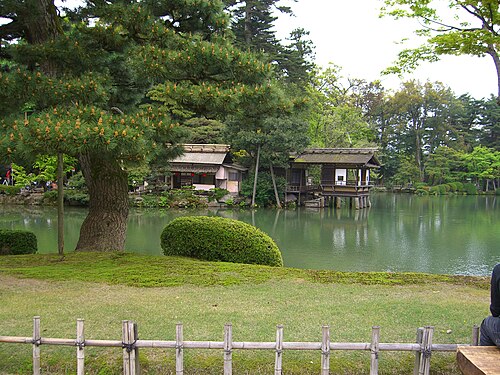
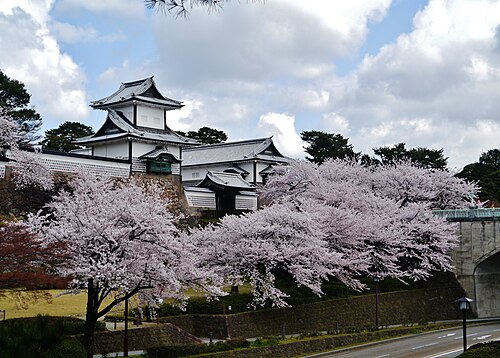
Kanazawa lets you combine Kenrokuen and the castle area without spending the day on trains. Start with one of the two depending on blossom reports and the walking that suits your family. After the peak, the garden is still worth time for its ponds, bridges and tea houses. On a wet day, make an indoor stop or have market lunch first and walk when it clears. This is a useful base for travelers who want garden structure and food alongside spring color. See the Kanazawa day plan for a manageable sequence.
Tateyama Kurobe Alpine Route offers a different spring day from mid-April into June, when the operator normally opens the snow-wall walk near Murodo. The snow corridor is reached by mountain transport. Check the walk’s opening dates and route status, then look up the first connections and the last return before booking. From the Toyama side, plan the cable car at Tateyama and the highland bus to Murodo. Bring a warm layer and shoes suited to wet ground. Tateyama Kurobe Alpine Route snow-wall and access FAQ
For a week with hotel nights already in Tokyo and Kyoto, add one of these places only if it gives you a different experience. A lakeshore overnight adds another chance for Fuji. A ryokan evening adds time to use the baths and eat at the inn. Kanazawa adds walks and market meals in another city. Count the time outside the train itself, including check-in and local connections.
Spring festivals, flowers and food beyond sakura
The Spring Takayama Festival, also called Sanno Matsuri, is held annually on April 14 and 15. On a visit with children, pick a single float viewing or a short stretch of the procession and leave before the group is too tired to enjoy it. Reserve a place to stay within walking distance or verify the return connection before booking a nearby town. Outdoor events can change in rain, so check the city’s programme and keep time for the old streets or another stop you can do independently. Takayama City’s spring festival information
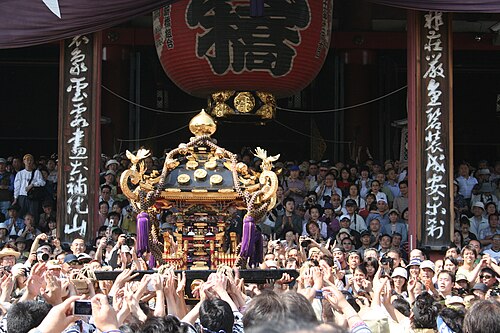
Tokyo’s Sanja Matsuri in Asakusa usually falls in May. Portable shrines travel through streets where visitors and neighbors gather close to watch. Families with children who enjoy noise and movement may want to watch with a clear route to one side. A child who prefers space might enjoy an ordinary Asakusa morning more. Either way, check the current schedule and street arrangements before choosing a meeting point. The Japanese festivals guide shows how events differ and links to practical details.
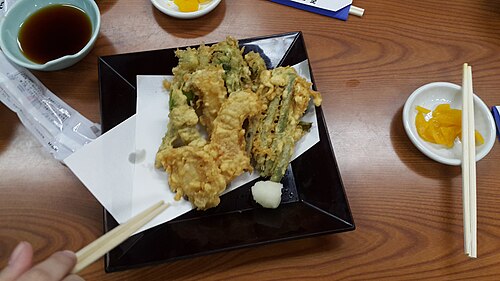
From mid-April into May, wisteria comes into its own. Ashikaga Flower Park in Tochigi can be planned as a separate outing from Tokyo if the garden is the point of the day. Check the flower report, because varieties peak at different times and the longest purple flowers may be gone while other colors are open. If you have a May trip centered on Kyoto, you can also stay with a city garden and spend the time you saved on lunch or an extra afternoon outside. Ashikaga’s official visitor guide
Spring gives children and adults a few easy things to look for at lunch. Sakura mochi is a sweet usually wrapped in a salted cherry leaf. Bamboo shoots may appear in rice, and spring greens may be served as tempura. Ask a bakery or confectioner what’s seasonal on the day, especially when the display includes several similar-looking sweets. Ask about the ingredients and preparation directly when there are dietary requirements. The washoku food guide explains how seasonal ingredients show up in Japanese meals.
A seven-day spring itinerary for families
Days 1–3 in Tokyo. Settle in on the first day and eat near the hotel. Use day two for Ueno and a museum or for Asakusa and a Sumida River walk, depending on the weather and which part of the city is closest. For day three, give your family two options you can decide between at breakfast. For example, take Shinjuku Gyoen if the garden reports open flowers, or spend a morning in a neighborhood the children have chosen. On a trip with a toddler, a morning outing and a hotel break can make a second Tokyo day feel complete.
Days 4–5 in Kyoto. Keep the train day simple by eating near your arrival station or hotel and saving a short neighborhood walk for later. Give the next morning to eastern Kyoto or Arashiyama based on bloom and crowds. If it rains, take the longest indoor visit on this day and save a park or garden for your last morning. A spring trip has enough variables that two flexible places can be more useful than several tickets for a set time.
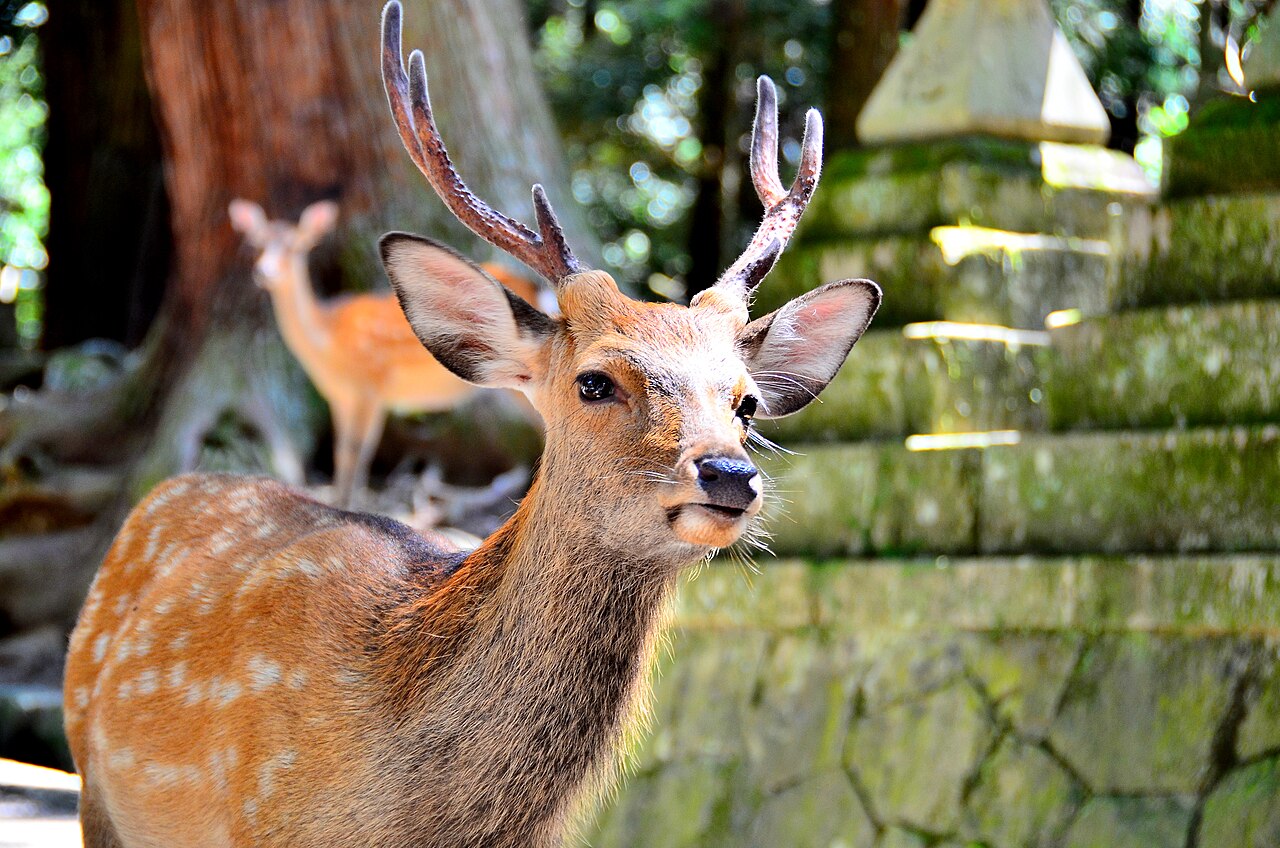
Days 6–7 for Nara and departure. If you fly from Kansai, use your last full day for a short Nara trip or the Kyoto area you missed. In Nara, choose one temple or part of Nara Park for the main visit. Follow local guidance around wild deer and keep younger children close. A child who wants to watch from a distance can enjoy seeing the animals without feeding them. If your flight leaves from Tokyo, return on day six so your last morning is spent near your departure route. Nara day plan
With ten days, add two nights at one place that changes the pace. A Fuji-side stay can go between Tokyo and Kyoto if the transfer works. A short northern branch may suit a Tokyo round trip with late-April blossoms as its main purpose. You may also give every night to Tokyo and Kyoto and replace one long travel day with a slower side trip. The one-week Japan itinerary shows how the same bases work in other seasons.
Book the trip and keep the blossom days flexible
Start with your flights and the bases where you want to sleep. Check which airport you’ll use at either end, and put the hotel addresses in the same note as your reservations. Compare room layouts and lift access if you’re bringing a stroller or a traveler who avoids stairs. Use the days between hotel changes for excursions with variable weather. Before you pay for a workshop or special dinner, check the museum or park hours that shape the rest of that day. A booking with a sensible end time can give small children a better evening than another sightseeing stop.
Bring light layers that work together in the city, and add something warmer if you’re heading to the north or the foothills around Fuji. A small day bag that holds wet outerwear, water and the children’s snacks makes it easier to get on and off trains. Assign one phone or paper printout to hold the name of the hotel, the next station and the relevant stop. On a private day with car travel, confirm the size of the vehicle, the child-seat arrangements and whether you can shorten the outing if they need a rest. Plan a private family trip
If you’re still choosing between seasons, compare mid-May with autumn in Japan for long walks and garden days. If snow is important, winter in Japan has better options for a trip centered on snow play. If school dates put you in late June and beyond, the summer guide helps you choose an itinerary that accounts for rain, heat and festivals. Keep the year-round travel calendar handy if different members of the family care about different seasons.
For regional background, flowering traditions and other activities, see JNTO’s spring guide and Japan Travel’s spring seasonal guide.